Pastéis de Santa Clara
Half-moon pastries of almond and egg yolk
- Vegetarian
- Local name
- Pastéis de Santa Clara
- Best eaten at
- A Coimbra pastelaria
- Pairs with
- Coffee
What it is
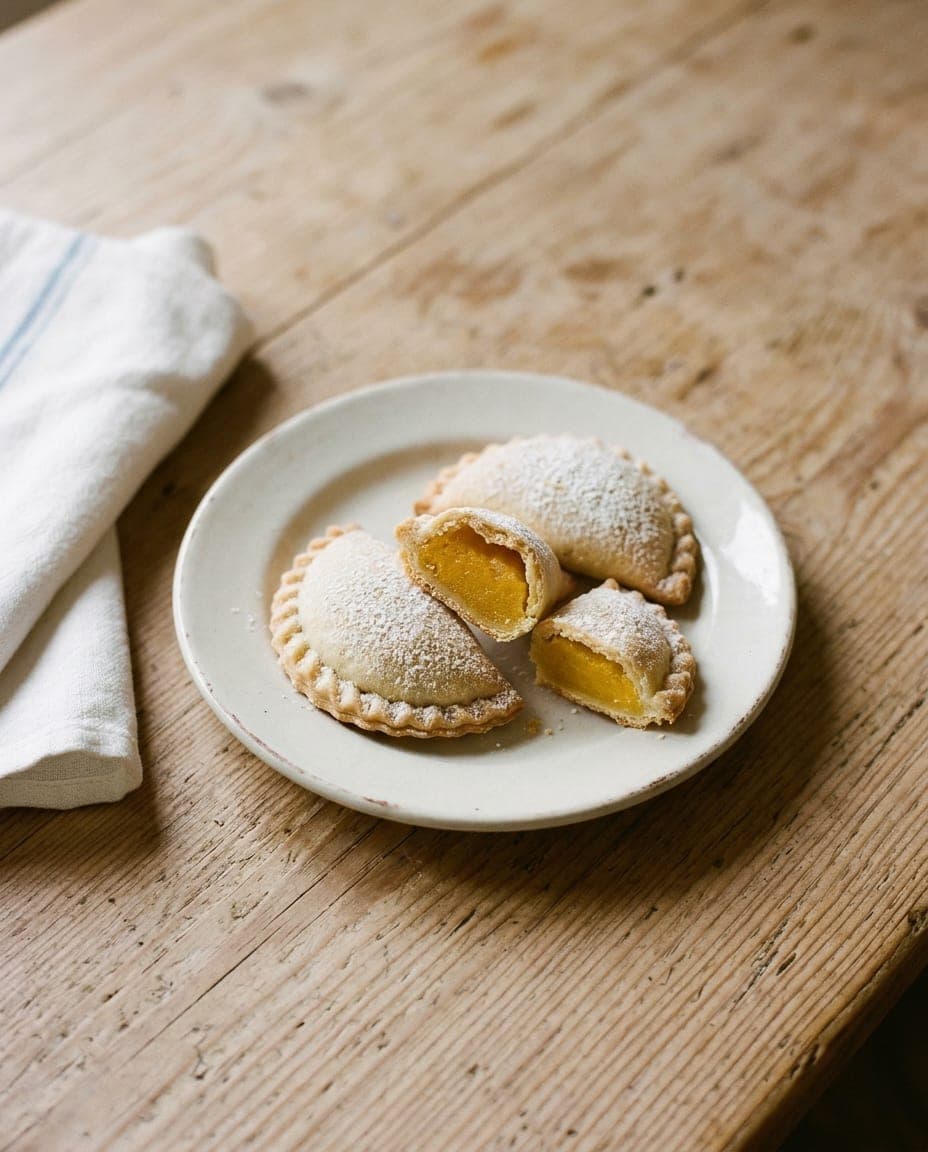
Pastéis de Santa Clara are thin, half-moon pastries filled with a mixture of ground almonds and doce de ovos, the egg-yolk and sugar cream of Portuguese convents. They take their name from the Convent of Santa Clara in Coimbra, where nuns once prepared them for local consumption. The pastry case is baked until pale rather than deeply browned, giving the sweet a soft, almost translucent appearance when held to the light.
The filling is the classic convent mix of egg yolks cooked in sugar syrup, thickened with almonds. The result is a texture that is dense yet melts easily in the mouth, with the nutty flavour of the almonds remaining distinct against the thin pastry shell. They are not heavy or cloying; they sit somewhere between a biscuit and a cake.
The shape is their most defining feature. Each sweet is folded into a crescent, resembling a small boat or a half-moon. This form allows the filling to be enclosed securely while keeping the surface area of the pastry minimal. In a city like Coimbra, where convent baking traditions are woven into the daily rhythm, these pastries share the spotlight with other almond and egg-based confections, yet they hold their own identity as a specific local speciality of the Beiras region.
The convent tradition in Coimbra
Coimbra is often described as a city of convent sweets, a legacy left by religious houses that operated for centuries before the 19th century. When nuns turned to baking to support themselves or to offer treats to the community, they made use of ingredients available within the monastery walls. Egg yolks were plentiful, the usual explanation being that the whites went to starch linen and clarify wine, while almonds were a common trade item in the region.
The Santa Clara convent stands at the heart of this tradition. While the exact origins of the specific recipe for these half-moon pastries are not recorded in any single document, they have been associated with the site for generations. The sweet did not become a nationwide product immediately; it remained a regional speciality tied to the Beiras area and the city of Coimbra itself.
The connection between the convent and the pastry is less about a specific invention date and more about a continuous practice. For decades, the nuns of Santa Clara prepared these pastries for the local market and for visitors arriving in Coimbra. Even after the convents were secularised in the 1800s, the knowledge of how to make them was preserved by the bakers who took over the kitchens. Today, they are a standard offering in the city's pastry shops, maintaining a link to that earlier time.
What goes into it
The ingredients for Pastéis de Santa Clara are simple and few, reflecting the constraints of convent baking where waste was avoided. The filling is made from ground almonds and egg yolks cooked in a sugar syrup, sometimes with a touch of cinnamon. There is no cream, butter or flour in the centre; the body comes from the yolks and almonds.
The pastry shell is equally restrained. It is made from a dough of flour, butter and water that is rolled out to be almost translucent before being folded over the filling. The baking process is gentle, designed to set the structure without darkening the surface too much. This keeps the colour pale and the texture soft.
- Ground almonds: The primary ingredient of the filling, providing a deep, nutty core.
- Egg yolks: Used as a binder and to give the filling a creamy consistency.
- Thin pastry dough: Rolled out thinly to encase the filling without adding heaviness.
- Sugar: Cooked into a syrup with the yolks, in the generous quantities typical of convent sweets.
The final product is not a deep, heavy cake but a light, elegant sweet that can be eaten in one or two bites. The absence of cream in the filling makes it distinct from the many Portuguese pastries built on custard.
How to eat it
Pastéis de Santa Clara are best enjoyed fresh from the oven or from a display case in a Coimbra pastelaria. They are delicate and should be handled with care to avoid breaking the thin shell. The traditional way to eat them is simply by hand, perhaps with a napkin to catch any crumbs, as the filling can be soft and crumbly.
They pair naturally with coffee. A strong black coffee or a bica cuts through the sweetness of the almond filling and cleanses the palate between bites.
They are at their best within a few hours of baking; the shell dries as it stands. Nothing is served with them beyond the coffee.
Curious facts
- A shape of its own. Unlike many Portuguese sweets that are round or square, these are usually half-moon shaped, though star-shaped versions also exist.
- Coimbra's sweet identity. While other cities in Portugal have their own famous pastries, Coimbra is known for this cluster of almond and egg confections, with Santa Clara among the best known.
- No heavy cream. The filling relies on egg yolks, sugar and almonds rather than butter or cream.
- Regional focus. They are a speciality of the Beiras region and do not appear as widely in other parts of Portugal outside of Coimbra.
- Convent roots. The recipe is tied to the Santa Clara convent, though no single nun is credited with inventing the specific version sold today.
Where to try it
Coimbra, in one of the pastelarias in the lower town between the river and the university, where they sit in the case alongside the other convent sweets of the city and are sold by the piece or boxed by the dozen.
The convent they are named after stands across the Mondego from the centre — the old one half-sunk in the flood plain, the newer one on the hill above it — and the walk over the bridge is the way most people meet the name before they meet the pastry. Outside the Beiras they are rare, and in Lisbon almost unknown.
Where to try it
1 destination
 Wine Tasting
Coimbra
Historic university city near Bairrada wine region with wine tourism and tastings.
Wine TastingBoat RentalsLocal Cuisine
1 region
 Wine Tasting6 destinations
Beiras
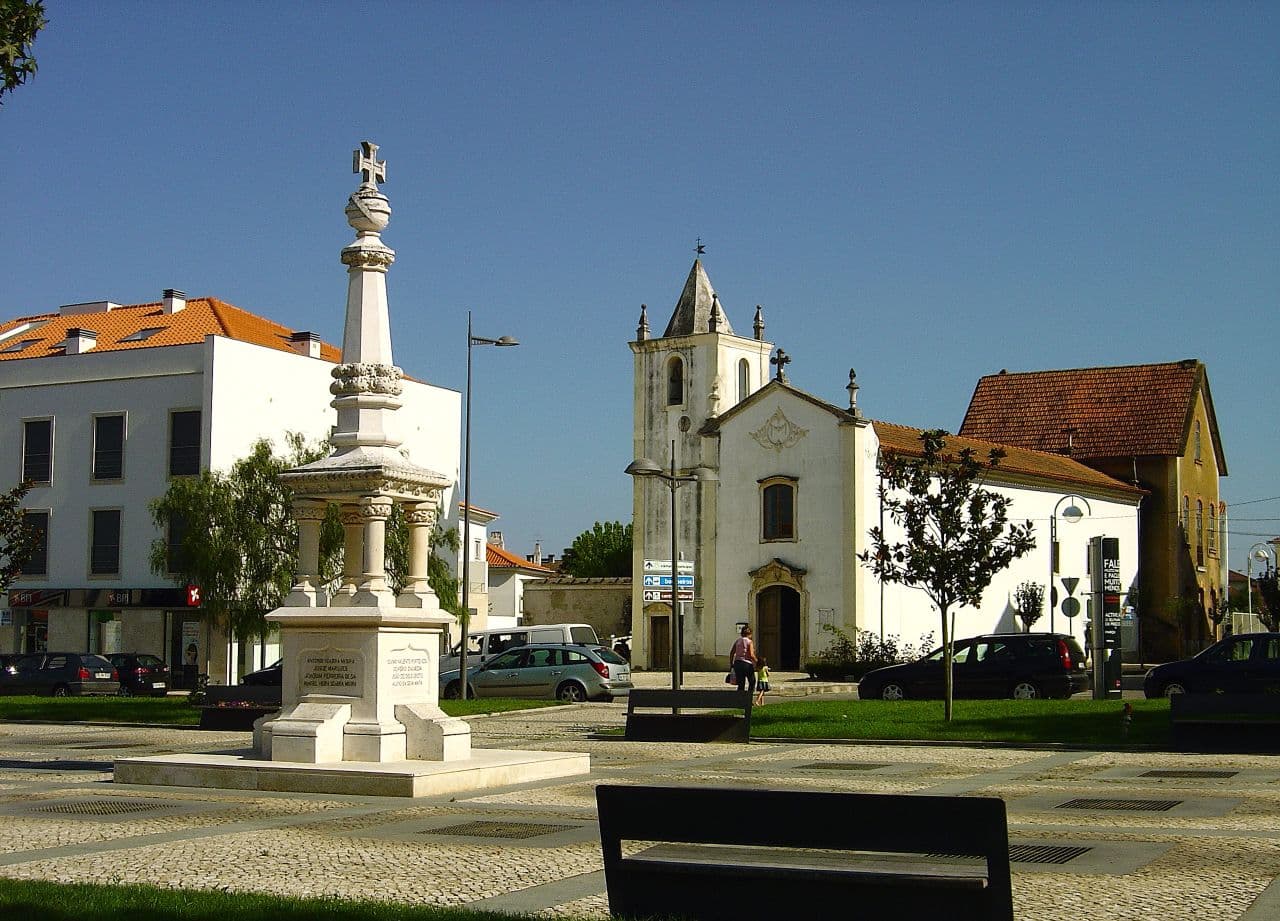
Beiras, the largest region in Portugal, is known for its diverse landscapes and rich heritage. The region features the stunning Serra da Estrela mountains, home to Portugal's highest peak and unique glacial valleys. Historical cities like Coimbra, with its ancient university, and Viseu, famed for its Renaissance architecture, attract those interested in culture and history. The region is also renowned for its artisanal cheeses, particularly Queijo da Serra, and traditional wines like Dao. Charming villages like Piódão, with its schist houses, offer a glimpse into local life. Beiras is the only region with significant access to both mountains and coastline, providing a variety of outdoor activities, from hiking to beach visits.
Wine TastingHikingBoat RentalsLocal Cuisine