Skillingsbolle
The large sugar-dusted cinnamon bun from Bergen, Norway
- Vegetarian
- Local name
- Skillingsbolle
- Best eaten at
- A Bergen bakery
- Pairs with
- Coffee
What it is
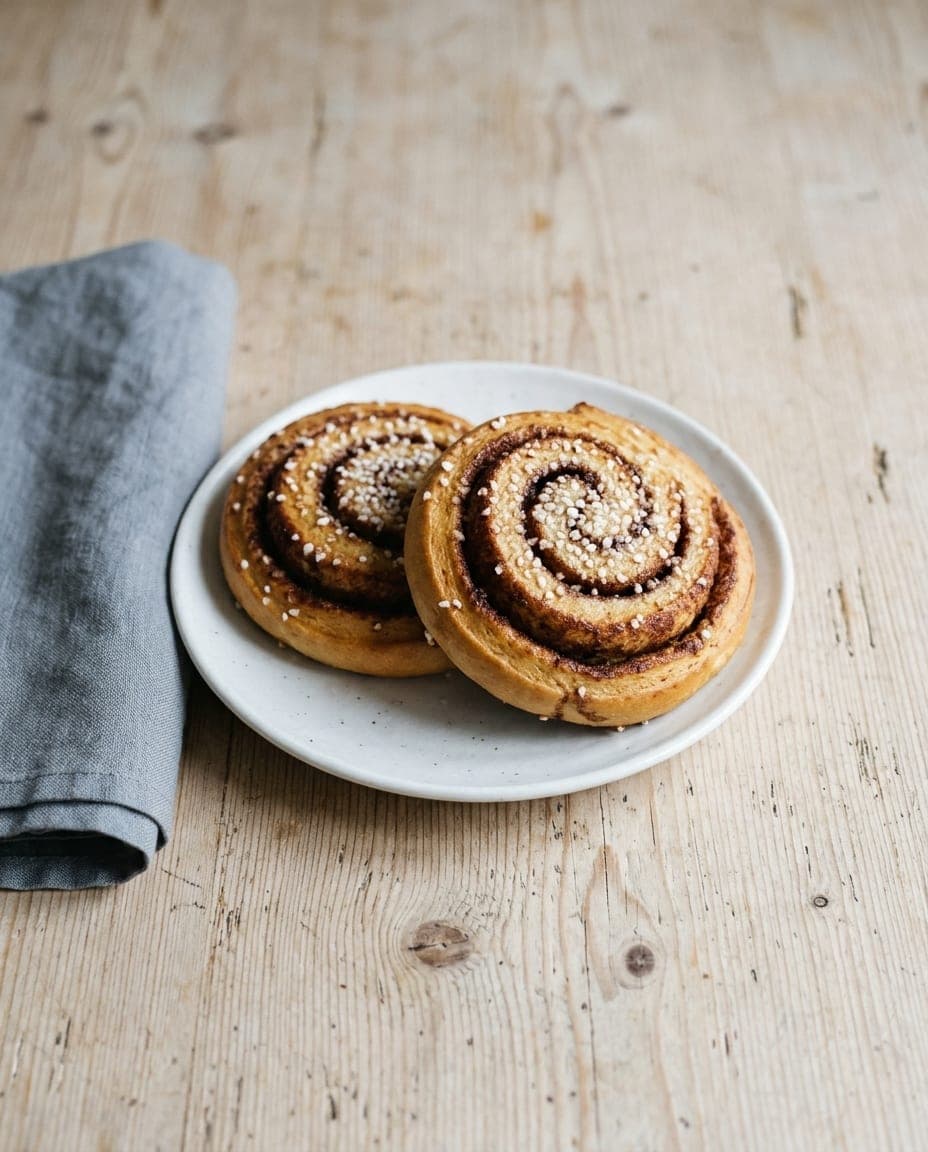
The skillingsbolle is the defining pastry of Bergen and the wider Vestland region. It is a large, flat bun coiled into a wide spiral rather than baked tall like many other cinnamon buns. The dough is soft and slightly sweet, wrapped around a generous filling of cinnamon and sugar that spreads through every layer. The traditional Bergen version keeps to butter, cinnamon and sugar; early recipes also included raisins.
The name translates literally as "skilling bun", after the skilling, the Norwegian coin it once cost in Bergen. While prices have changed over time, the size and the cost-to-size ratio remain part of its identity. It is not a delicate treat meant for sipping tea; it is a substantial, filling pastry that can stand alone as a snack or a light meal. The top is generously sugared just before baking, and the sugar melts slightly into the dough, creating a sweet crust.
The bun follows the rhythm of the Bergen day. The city is known for its frequent rain and long winters, and the bun is often the reason people step out of the house. It is best eaten within a few hours of being taken from the oven, when the dough is still soft and the sugar is just beginning to glaze the top. As it cools, the texture changes, becoming firmer and less inviting.
The origin of the name
The story behind the name is simple and rooted in the economic history of Norwegian bakeries. Breads and cakes in Bergen were once named after their price, and this large cinnamon bun sold for one skilling, a coin used in Norway until the krone replaced it in 1875. Bergen bakers trace the bun itself to German pastries brought by the Hanseatic merchants. The size was significant; it was a substantial portion that justified the cost. Over time, the price rose, but the name stuck as a historical marker of its origins.
Skillingsboller are baked all over Norway today, but Bergen claims the bun as its own. Other regions have their own variations of cinnamon buns with different names and shapes, but the Bergen skillingsbolle remains distinct because of its size and its direct link to the skilling price point. The name serves as a reminder of when bread was a staple commodity and how bakeries priced their goods based on weight and volume.
How it is made
The dough for a skillingsbolle is a yeast-leavened base that is rolled out into a large, thin sheet. This allows the cinnamon-sugar mixture to spread thinly and evenly across the surface before the dough is coiled. The coil itself is wide and flat, creating a broad spiral that fits comfortably on a standard plate. The filling is generous but not overwhelming, allowing the soft texture of the dough to remain the primary focus.
While the exact method varies from one bakery to another, the core components are consistent. A layer of butter or oil is often spread on the dough before the cinnamon and sugar are added, ensuring the layers do not stick together too firmly during baking. Many bakers add a little cardamom to the dough, as is usual in Norwegian sweet doughs.
The baking process is designed to create a golden crust without drying out the interior. The result is a bun that is soft inside with a slightly crisp edge, where the sugar has caramelised just enough to add a hint of crunch. The sugar on top goes on just before the bun enters the oven, so it bakes into the surface.
How to eat it
The skillingsbolle is traditionally eaten with coffee. This pairing is so common in Bergen that it has become a standard ritual for locals and visitors alike. The bitterness of the coffee balances the sweetness of the bun, while the warmth of both elements complements the often damp weather outside. A large mug of black coffee or a cappuccino is the ideal companion.
It is best enjoyed fresh from the bakery. The texture changes quickly as it cools, becoming denser and less pleasant to eat. Many people buy the bun in the morning to eat as a mid-morning snack or as part of a light lunch. It is too large to be a simple dessert and too sweet to be a savoury item, making it a unique category of its own.
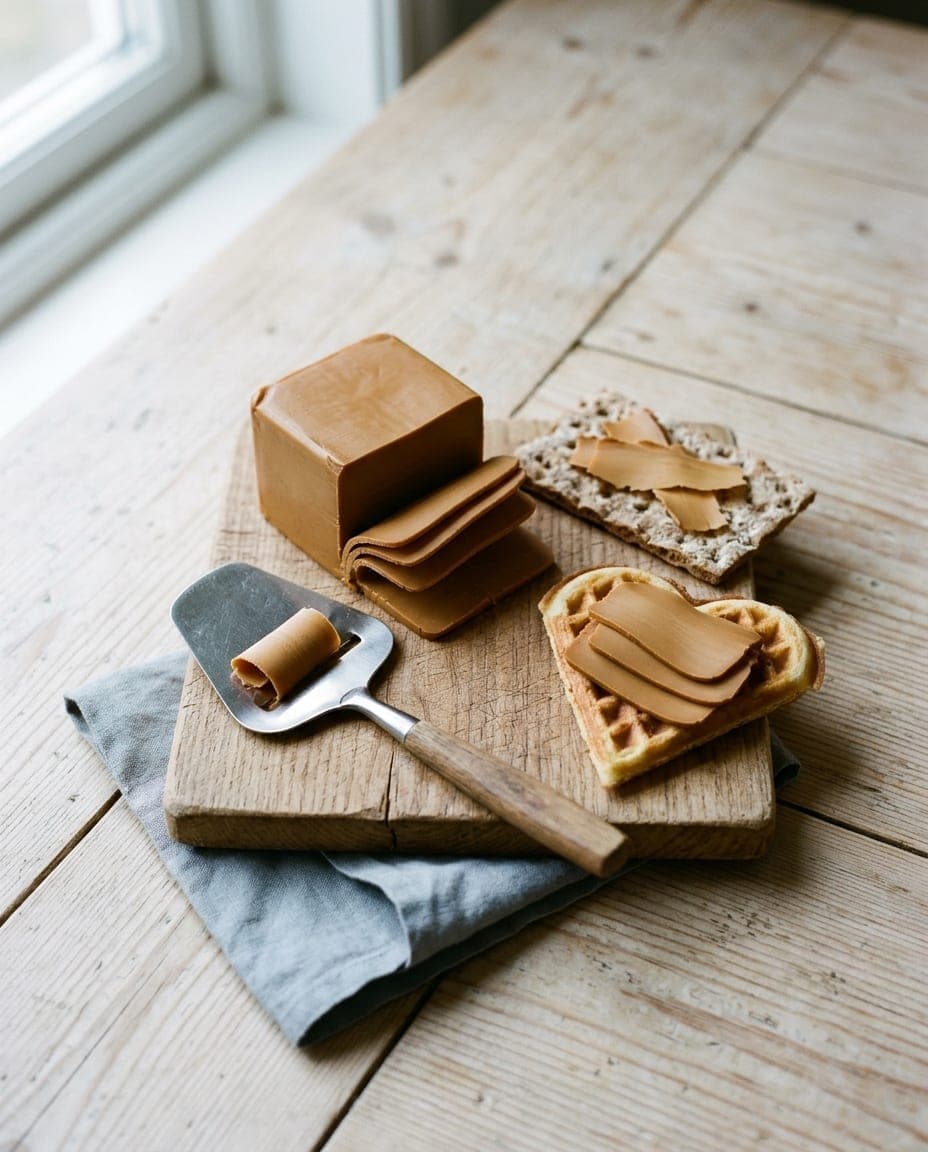
The bun is usually sold individually. It is not typically sliced or cut before serving; some unwind the spiral and tear it off bit by bit, others attack it from one side, and a few eat it with butter and brown cheese.
Curious facts
- The size matters. The skillingsbolle is significantly larger than standard cinnamon buns found elsewhere in Europe, a bun that fills the hand.
- A regional claim. Skillingsboller are sold across Norway, but Bergen claims the name and the history linked to the skilling price.
- Freshness is key. The texture changes rapidly as it cools, so bakers in Bergen often sell them within hours of baking to ensure the best experience.
- Lost raisins. The original recipe included raisins; they disappeared during the Second World War shortages and never came back.
- Weather companion. The bun is strongly associated with the rainy climate of Bergen, serving as a warm comfort food during long winters and frequent showers.
Where to try it
The only true place to find an authentic skillingsbolle is in Bergen and its immediate surroundings in Vestland. While bakeries across Norway may sell a version of the bun, the ones in Bergen are considered the standard. The best versions are found in traditional bakeries that focus on daily fresh baking rather than mass production.
Any neighbourhood bakery in Bergen has them, and so do the ones in the centre. These establishments often have long queues in the morning, as the buns are baked fresh and sold out quickly. There is no need to book a table; this is a takeaway experience.
The supermarket version is pre-packed and cold. The skillingsbolle relies on the specific technique of the local baker and the freshness of the ingredients. A visit to Bergen without tasting one from a local bakery would be incomplete, as it is the city's most famous pastry and a symbol of its culinary identity.
Where to try it
1 destination
 Boat Rentals
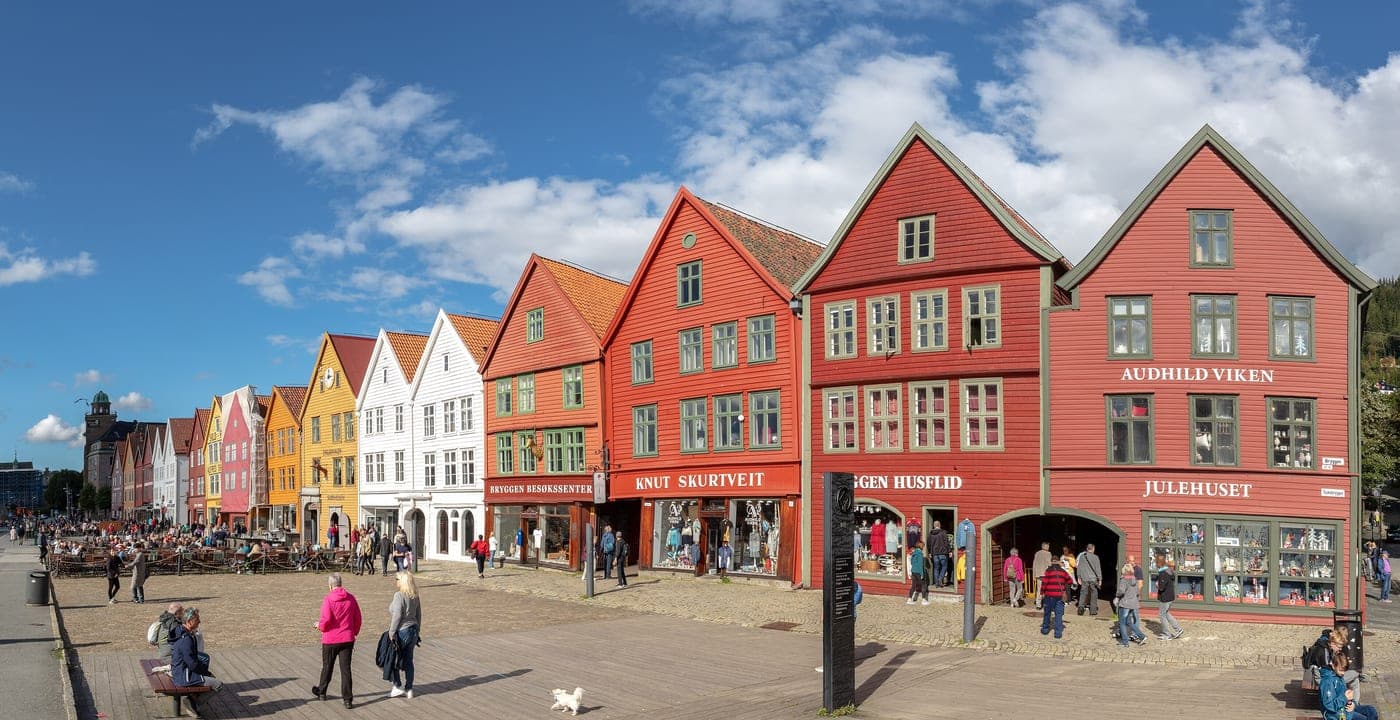
Bergen
Historic harbor city surrounded by mountains and gateway to fjords.
Boat RentalsCamper Van RentalsHiking
1 region
- Boat Rentals1 destination
Vestland
Nestled in western Norway, this is the largest region in the country, renowned for its breathtaking fjords and majestic mountains. Bergen, the only major city, serves as a gateway to the stunning landscapes of the area, including the UNESCO-listed Nærøyfjord. The region is steeped in history, with charming wooden houses dating back to the Hanseatic League. Small villages like Gudvangen and Flåm offer authentic experiences, showcasing local crafts and traditions. Known for its hiking trails, such as the famous Romsdalseggen Ridge, this region invites exploration of its natural beauty and cultural heritage. Local cuisine features fresh seafood and traditional dishes, providing a taste of the coastal culture.
Boat RentalsCamper Van RentalsHiking