Gamalost frå Vik
Gamalost frå Vik, a pungent sour-milk cheese from Sogn
- Vegetarian
- Local name
- Gamalost frå Vik
- Served with
- Flatbread, butter
- Pairs with
- Aquavit or beer
What it is
Gamalost frå Vik is a distinctive cheese from the village of Vik in Sogn, part of Norway's Vestland county. The name translates simply to "old cheese from Vik", a reference to its old-fashioned type and its origin. It belongs to a small group of traditional Norwegian cheeses made from soured skimmed milk rather than rennet-curdled milk.
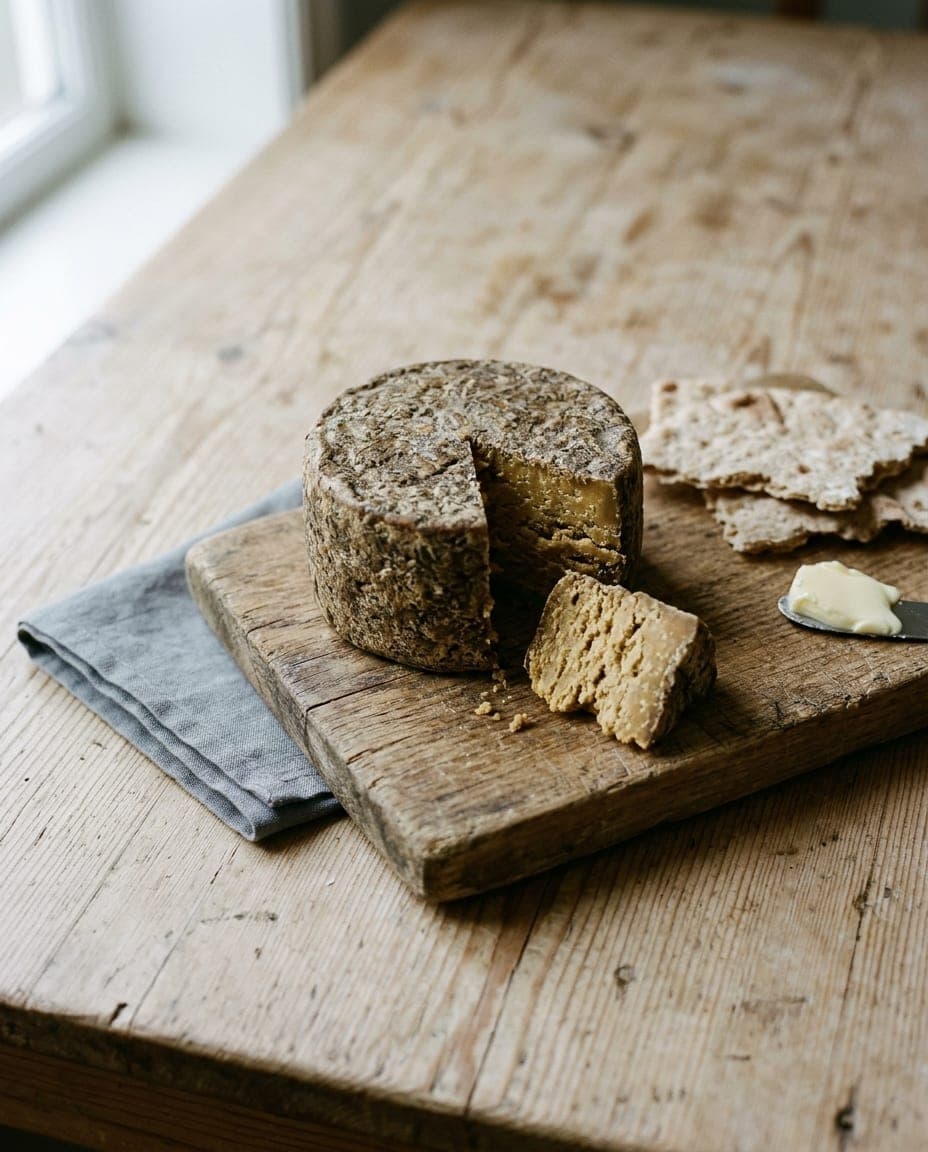
The result is a firm, round cheese, yellowish-brown and paler towards the centre, as it ripens from the outside in. The texture is dense, moist and coarse, while the flavour is intensely pungent and sharp, with a deep savoury note. It is not a soft, creamy cheese; it has under 1% fat because it is made from skimmed milk that has been soured. This absence of cream concentrates the tangy notes, creating a taste that many describe as powerful and complex.
For centuries this was a staple of rural western Norway, but like many regional traditions, it faded. As late as the 1960s, 28 dairies still made gamalost; since 1991 the dairy in Vik, which has made it continuously since the 1890s, has been the only one left. Since 2006 the name has carried a Norwegian protected geographical indication tied to Vik and to the traditional method.
The history of sour milk cheese
Gamalost holds a place among the oldest known cheese types in Norway. Before the introduction of modern refrigeration and industrial dairies, Norwegian farmers relied on sour milk to preserve their harvest. When milk soured through lactic bacteria and was heated, it curdled without rennet and could be pressed into forms. The cheeses were then ripened in a warm, damp room for several weeks, which is where the firm texture and the sharp taste come from.
The mould, a Mucor species known in Norwegian as kulemugg, was traditionally rubbed onto the surface by hand, or picked up from wooden forms used only for gamalost. It grows over the surface and ripens the cheese from the outside inwards. The name "gamalost" was used for any aged sour-milk cheese, but the version from Vik is now the standard-bearer for the style.
Through the 20th century, as farm production gave way to dairies and tastes changed, the number of producers fell steadily. Vik kept going, and Gamalost frå Vik is still on the market today, a niche cheese with a loyal following; the village celebrates it with an annual Gamalost festival at the start of summer.
What goes into it
The ingredients for Gamalost frå Vik are minimal, reflecting its origins as a peasant food made from what was available on the farm:
- Skimmed milk, which provides the base without the weight of cream.
- Lactic bacteria, which sour the milk before it is heated and the curd separates.
- Mould spores, applied to the surface during the ripening phase to develop the colour and distinctive aroma.
Unlike most cheeses, it is not salted.
No rennet is used, and the cheese contains no additives. It is pressed into cylinders of about 1.7 kg and ripened for around four to five weeks at about 16 °C and high humidity, which the mould needs, before being stored cool.
How to eat it
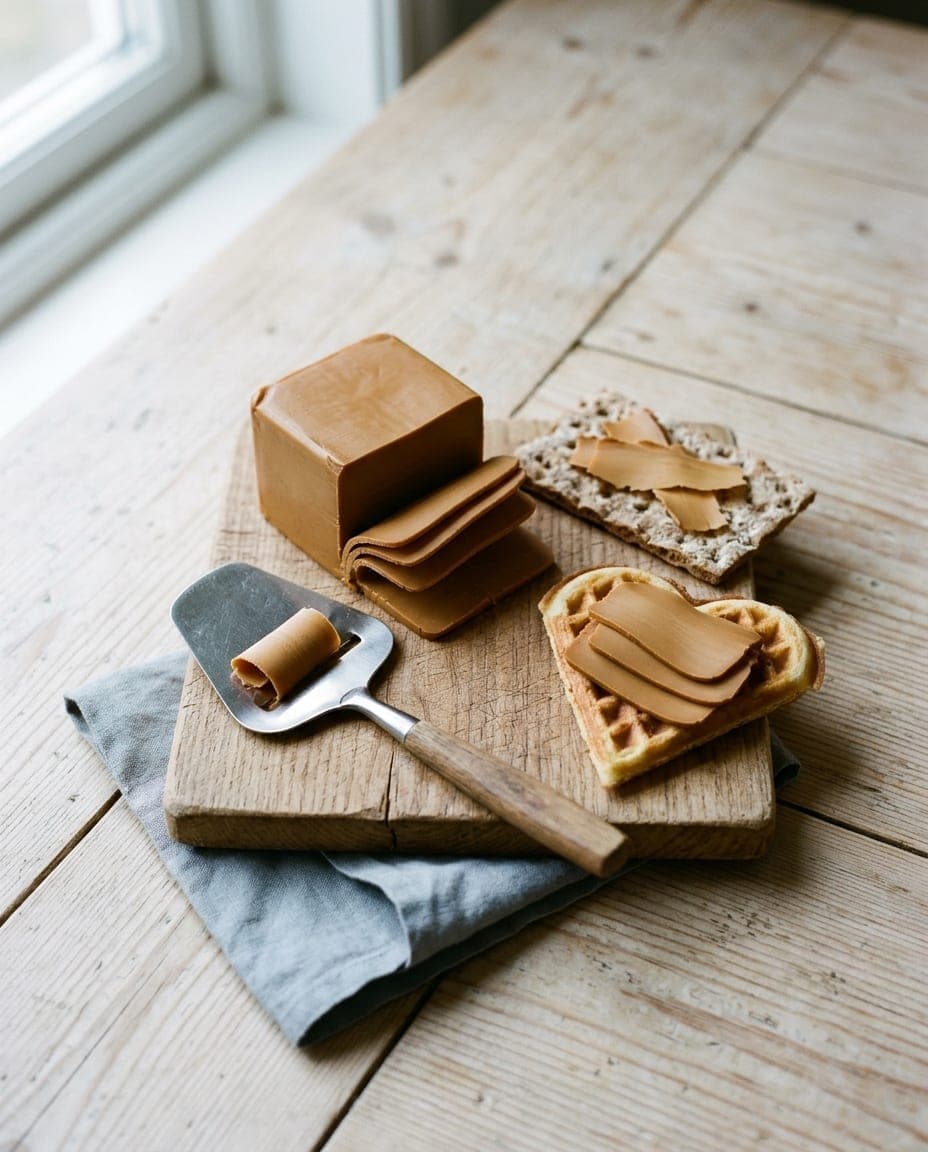
Gamalost frå Vik is never served as a soft spread or a melted topping. It is cut into thin slices and placed on a piece of flatbread or crisp bread. A generous layer of cold butter is often added to soften the sharpness of the cheese and provide a creamy contrast to its dry texture. Some tables put a little syrup or jam beside it to work against the sharpness.
The traditional drink pairing is aquavit, the strong Scandinavian spirit flavoured with herbs like dill and caraway. The alcohol cuts through the pungency of the cheese, while the herbal notes complement the earthy flavours. A cold beer also works well, offering a lighter alternative that cleanses the palate between bites.
Because the cheese is so strong, it is usually eaten in small quantities as part of a larger meal or as an appetiser rather than a main course. It is not a mild cheese for casual snacking; it demands attention and a specific context to be fully appreciated.
Curious facts
- A last dairy. Once made on farms and in dozens of dairies across western Norway, it has been made only in Vik since 1991.
- No rennet used. The curd is formed by souring and heating, a rare technique in modern commercial dairies.
- High in protein. With around 50% protein and under 1% fat, it was long a nourishing staple that kept without refrigeration.
- A protected name. The designation ties the name to Vik and to the traditional method, so cheese made elsewhere cannot carry it.
- A regional icon. Gamalost was once made in Hardanger, Sogn, Valdres and beyond; the version from Vik is now the only one made commercially.
Where to try it
The best place to find Gamalost frå Vik is in the village of Vik itself, especially during the Gamalost festival at the start of summer. The cheese is made year-round and is also sold in shops elsewhere in Norway, though it is rare outside the country.
Where to try it
1 region
 Boat Rentals1 destination
Vestland
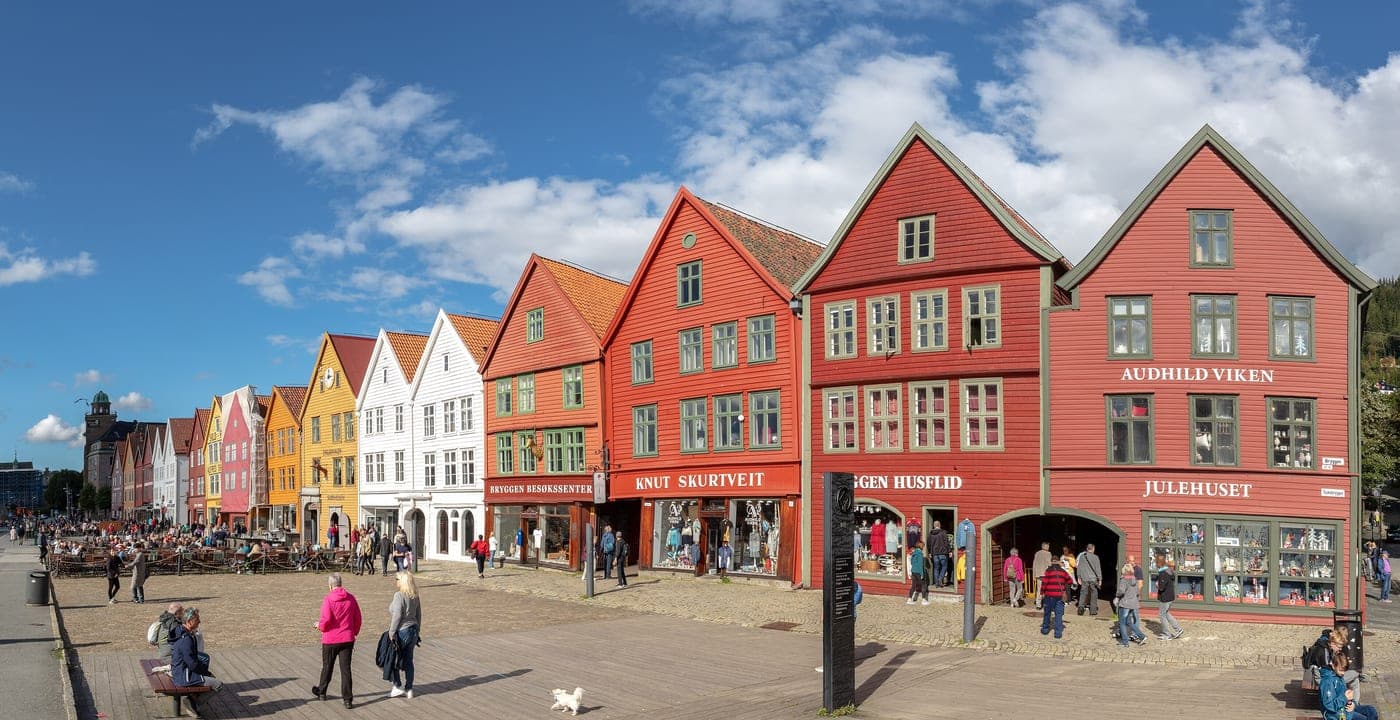
Nestled in western Norway, this is the largest region in the country, renowned for its breathtaking fjords and majestic mountains. Bergen, the only major city, serves as a gateway to the stunning landscapes of the area, including the UNESCO-listed Nærøyfjord. The region is steeped in history, with charming wooden houses dating back to the Hanseatic League. Small villages like Gudvangen and Flåm offer authentic experiences, showcasing local crafts and traditions. Known for its hiking trails, such as the famous Romsdalseggen Ridge, this region invites exploration of its natural beauty and cultural heritage. Local cuisine features fresh seafood and traditional dishes, providing a taste of the coastal culture.
Boat RentalsCamper Van RentalsHiking