Fårikål
Norway's national dish: mutton, cabbage and whole peppercorns
- Local name
- Fårikål
- Served with
- Boiled potatoes, flatbrød
- Best eaten at
- A Norwegian family table
- Pairs with
- Norwegian lager or akevitt
What it is
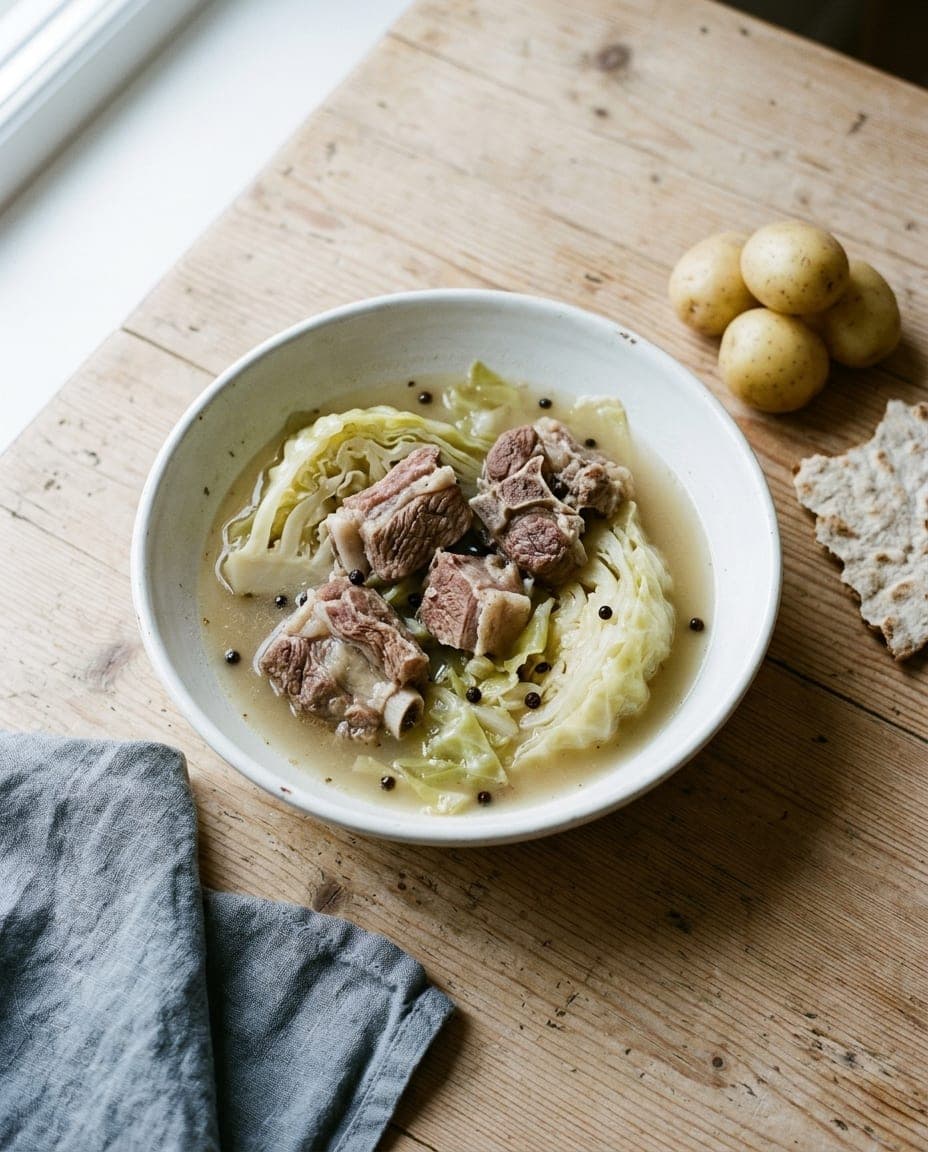
Fårikål, pronounced roughly like fah-ree-kohl, is the national dish of Norway. It is a simple stew of mutton or lamb and cabbage, seasoned only with whole black peppercorns, salt and sometimes a little flour to thicken the broth. The name means "mutton in cabbage" (får i kål), and the method is just that: pieces of meat on the bone and wedges of cabbage are stacked in a large pot before being covered with water and left to simmer for hours until the meat is tender enough to fall off the bone.
There is no hidden complexity, no secret spice blend, and no rich sauce. The dish relies entirely on the quality of its two main ingredients: the meat from sheep brought down from the mountains in autumn, and the cabbage harvested at the same time. It is a meal that tastes of the season itself, warm and earthy, with the sharp bite of black pepper cutting through the soft textures. While it might seem plain to an outsider looking for a feast, Norwegians defend its simplicity as its greatest strength.
The autumn rhythm
Fårikål belongs firmly to autumn, specifically the period between September and October. This timing is not accidental but follows the traditional cycle of Norwegian farming. Through the summer, sheep graze on the high mountain pastures. As the weather turns colder in early autumn, the farmers bring the flocks down from the hills to the valleys. The lambs born that spring are slaughtered, along with older ewes that have served their purpose for breeding and wool.
Lamb is the most common choice today, but many prefer the meat of grown sheep, which has more flavour and stands up well to the long simmering required by the dish. The cabbage used is usually a hardy variety that has survived the first frosts, which can actually sweeten the leaves. This alignment of the harvest and the slaughter creates a window where the ingredients are at their peak, giving rise to the tradition of Fårikål Day.
The national vote
Norway's national dish is not a royal decree but the result of a public vote. In 1972 listeners of the NRK radio programme Nitimen voted it the national dish. When the government ran a new poll in 2014, it won again, ahead of kjøttkaker (meatballs). The victory was significant because it celebrated a dish that is humble and everyday rather than one reserved for special occasions or royal banquets.
The win has cemented the dish's place in the national calendar. The last Thursday of September is now marked as Fårikål Day (Fårikålens festdag), an unofficial day of celebration rather than a public holiday. On and around this day, restaurants and homes across the country serve the stew. It is a moment when the nation pauses to acknowledge the connection between the land, the animals and the table.
How it is made
The preparation follows a strict set of rules that leave little room for variation. Slices of mutton and cabbage are layered in a large pot. The meat goes down first, followed by a layer of cabbage, then more meat, and so on, until the pot is full. Whole black peppercorns are scattered between the layers, along with salt and, in some homes, a small amount of flour to help thicken the broth as it cooks.
Water is added just enough to cover the ingredients, and the pot is left to simmer gently for at least two hours, often longer. The slow cooking allows the flavours to meld without the need for any other herbs or spices. The result is a tender stew where the meat falls away from the bone easily and the cabbage becomes soft but does not dissolve completely. The whole peppercorns remain in the pot and are not meant to be eaten; they provide a subtle aroma and a sharp finish to the dish rather than a spicy bite.
How to eat it
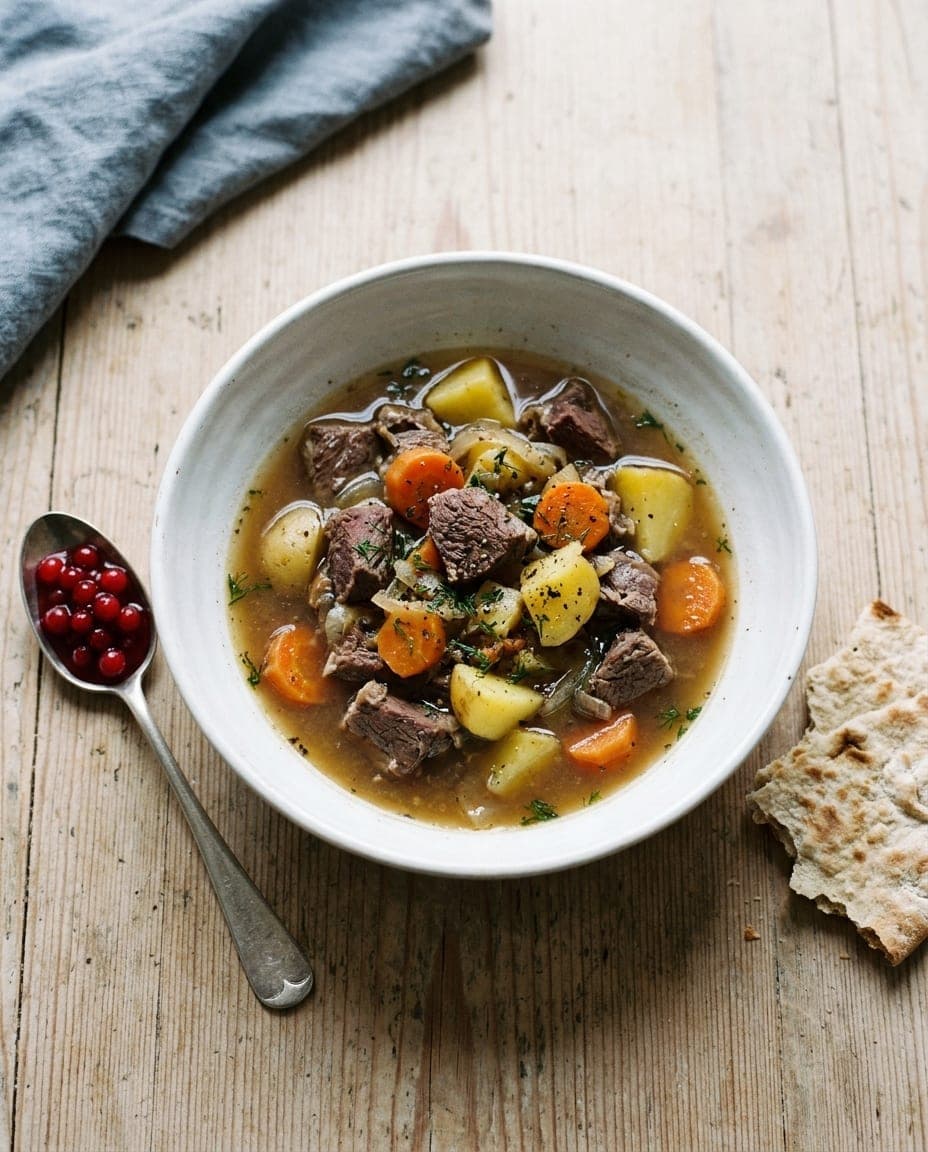
Fårikål is typically served as a main course, often at lunch or dinner during the autumn months. It is traditionally accompanied by potatoes boiled in their skins, which absorb the savoury broth, and often flatbrød, a thin, crisp Norwegian flatbread that is perfect for scooping up the meat and vegetables. At the table, it is common to see a small bowl of extra whole peppercorns, for anyone who wants more.
The meal is often shared at a family table, where the large pot sits in the centre for everyone to serve themselves. It pairs naturally with a cold Norwegian lager or a glass of akevitt, a traditional spirit flavoured with herbs and spices. The combination of the warm, soft stew and the crisp bread creates a satisfying contrast that suits the shortening autumn days.
Curious facts
- The pepper rule. Whole black peppercorns are essential, but they are not meant to be chewed or swallowed. They are used to flavour the broth and are discarded at the end of the meal.
- A simple recipe. No onions, carrots, celery or other vegetables are added to the pot. The dish relies entirely on mutton or lamb, cabbage, pepper, salt and sometimes flour.
- Its own day. Fårikål Day falls on the last Thursday of September every year, celebrating the arrival of autumn lamb and mutton from the mountains.
- The vote. A radio listeners' vote in 1972 named it the national dish, and a repeat poll in 2014 left it in place.
- A Danish name. The word får for sheep is borrowed from Danish; the writer Arne Garborg suggested "lam-i-kål" instead, but the name stuck.
- Mountain meat. The best version uses mutton from sheep that have grazed on high mountain pastures during the summer, giving the meat a distinct flavour.
Where to try it
Autumn is the season, and in those weeks it is on the table in homes and on menus across the country. In Oslo, traditional and family-run restaurants often serve the dish on Fårikål Day with special menus. Boiled potatoes and flatbrød on the same plate are the sign of a kitchen serving it the standard way. The best experience is at a Norwegian family table, where the meal is shared slowly and without fuss.
Where to try it
1 region
 Camper Van Rentals1 destination
Oslo
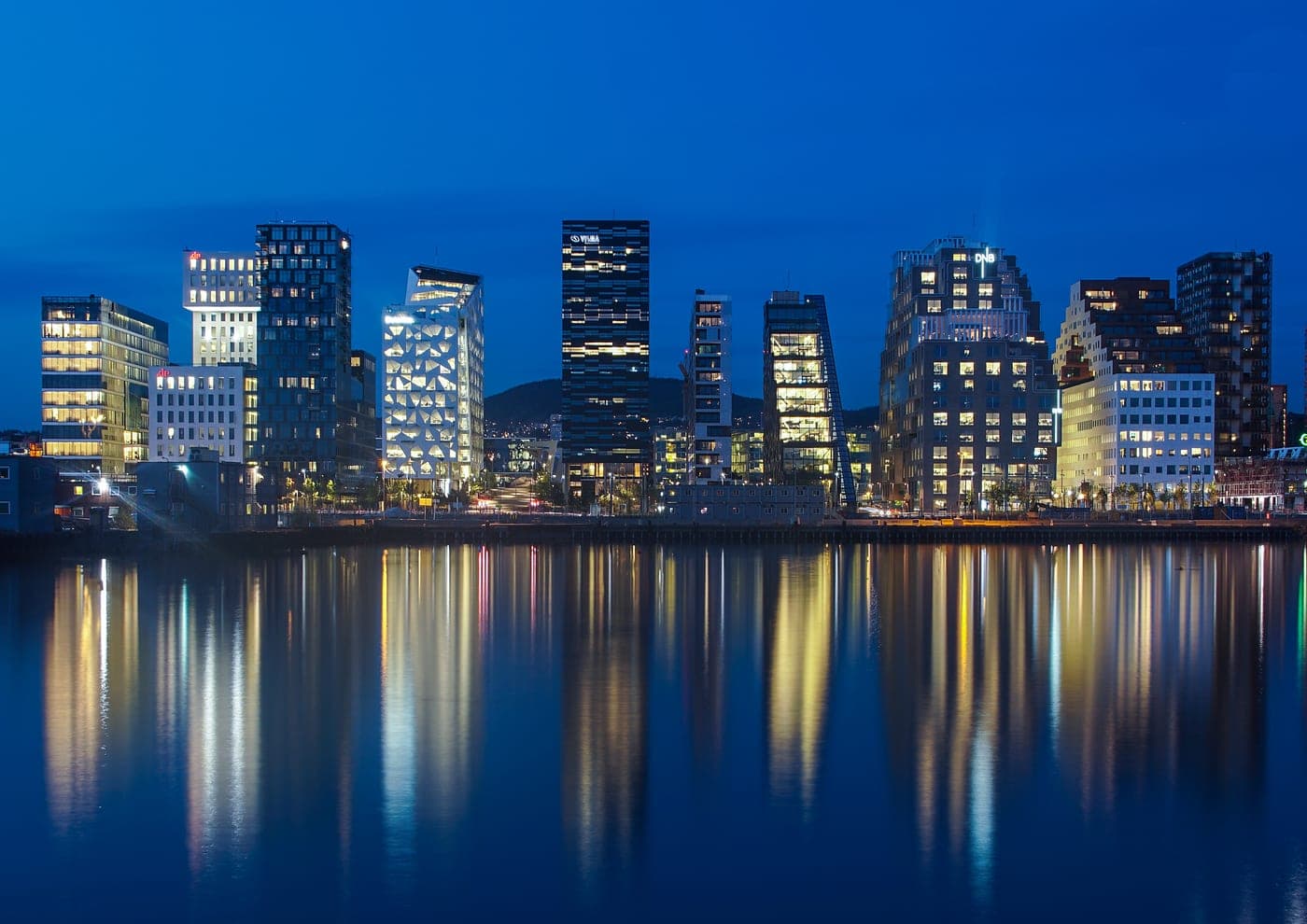
Oslo, Norway's capital, is the largest city in the country and serves as a cultural hub with a rich maritime history. The city is surrounded by fjords and forests, offering a unique blend of urban life and nature. Known for its museums, such as the Viking Ship Museum and the Munch Museum, Oslo also features vibrant neighborhoods like Grünerløkka, where local cafes and galleries thrive. The city's commitment to sustainability is evident in its extensive public transport system and green initiatives. Nearby, the Nordmarka forest invites visitors for hiking and outdoor activities, while the Oslofjord islands provide tranquil escapes just a short ferry ride away. With events like the Oslo Jazz Festival and the annual Nobel Peace Prize ceremony, the city is alive with cultural significance.
Camper Van RentalsHiking