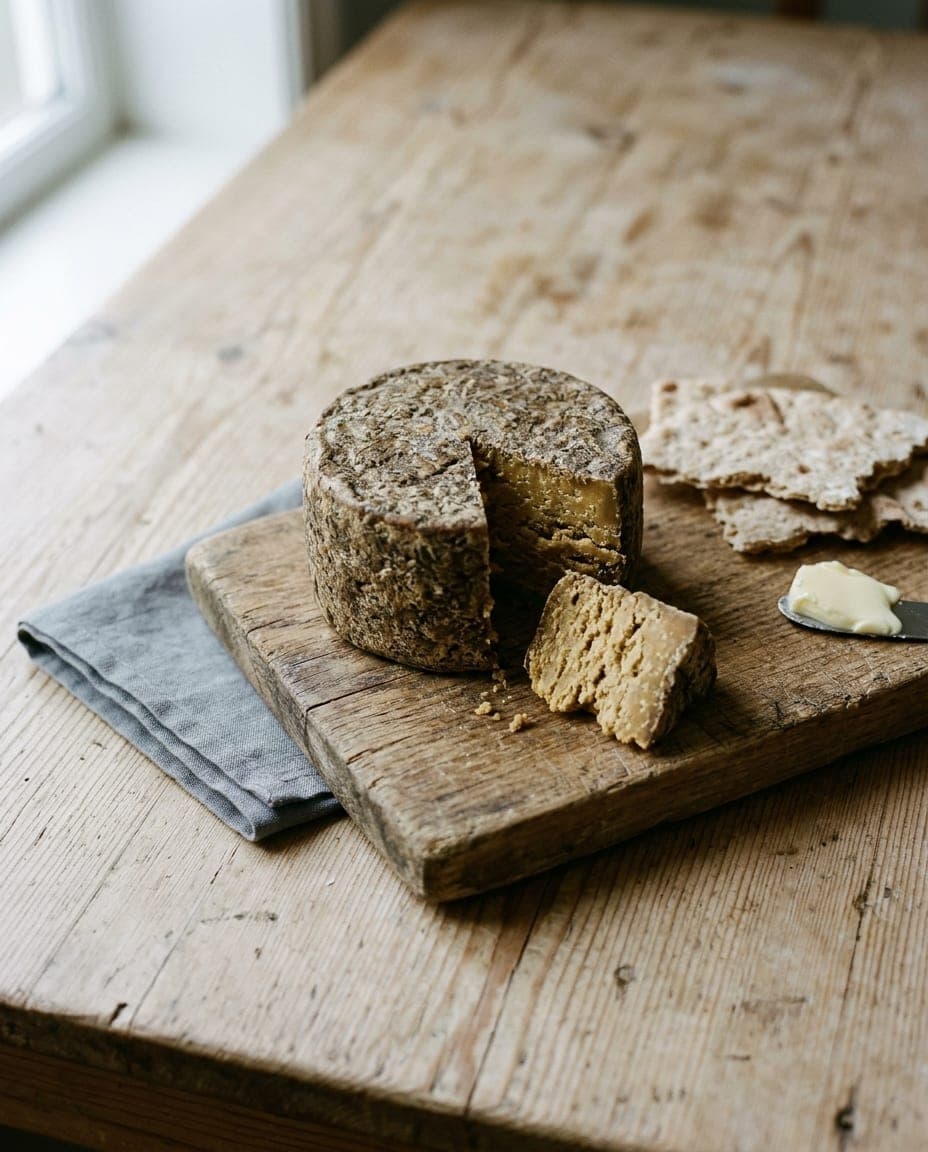
Sider frå Hardanger
Protected apple cider from Hardanger
- Alcoholic
- Local name
- Sider frå Hardanger
- Served
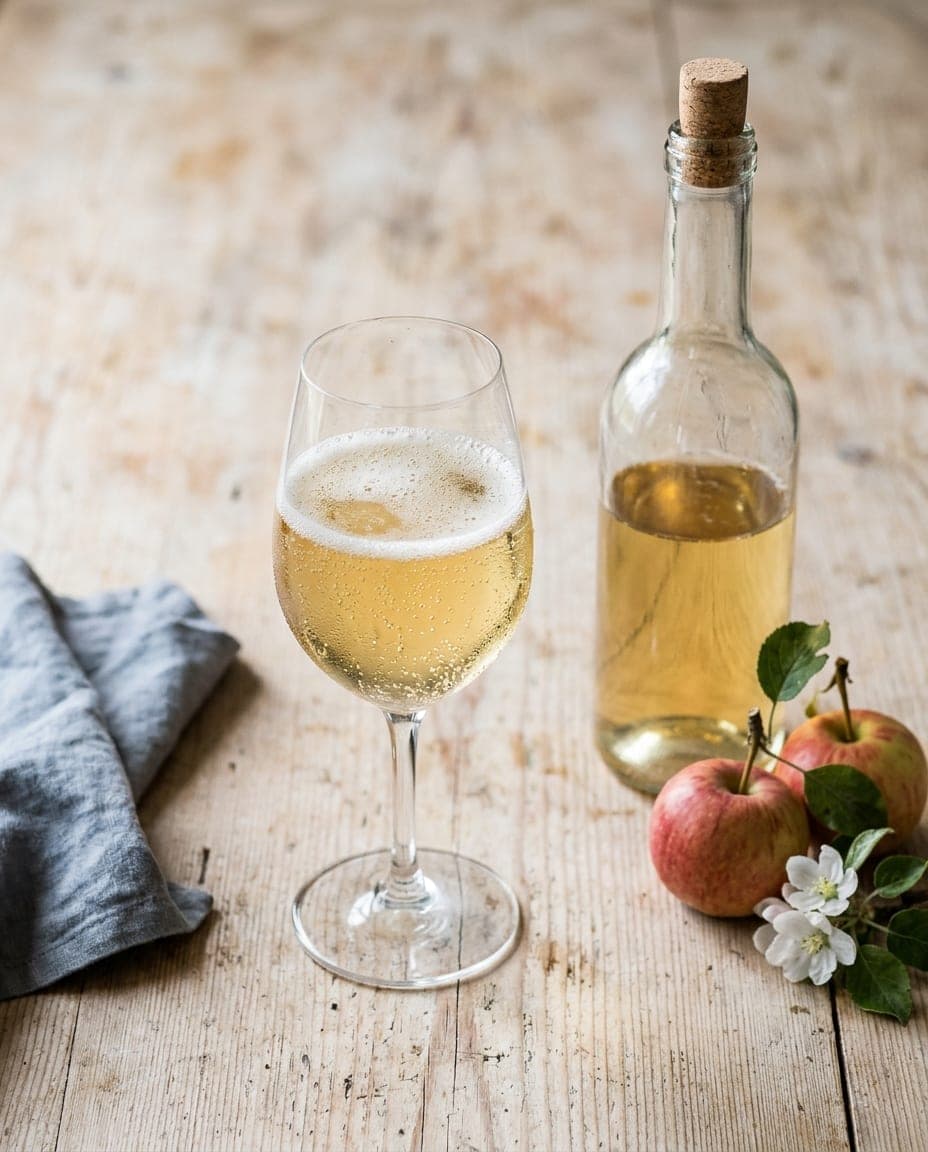
- Chilled, in a wine glass
- Best eaten at
- A Hardanger cider farm
- Pairs with
- Cured meats, apple desserts
What it is
Sider frå Hardanger is a protected geographical designation for apple cider produced in the valleys and slopes surrounding the Hardangerfjord in Vestland county. It is not a mass-produced beverage but a regional speciality grown from specific orchards that cling to the narrow shelves between the deep water of the fjord and the steep mountains. The name translates directly as "cider from Hardanger", and since 2009 it has carried a Norwegian protected geographical designation (beskyttet geografisk betegnelse): the apples must be grown, and the cider pressed, fermented and stored, inside the defined area.
The orchards exist in a climate where apples should theoretically struggle to ripen at all. At this northern latitude, the growing season is short. The success of the crop relies on the fjord landscape: the water and the sheltering mountains keep the winters comparatively mild, while the steep south-facing slopes catch the sunlight during long summer days. This unique microclimate allows the apples to develop a slow acidity and a distinct aromatic profile that is difficult to replicate elsewhere.
The resulting drink is usually dry to medium, still or sparkling, with a pale gold colour; the rules allow anything from 3 to 12 per cent alcohol. In recent decades, many producers have shifted from selling fruit directly to bottling their own cider, often using the traditional method associated with champagne production to create a fine, persistent bubble. It is a drink that reflects the patience required to grow fruit in such a challenging environment.
The orchards of the fjord
The Hardangerfjord is one of Norway's longest and deepest fjords, cutting through the heart of Vestland. The orchards line its shores, often just metres from the water's edge, perched on steep slopes that have been farmed for generations. These are not vast industrial plantations but collections of small family farms, many of which have been tending the same trees for over a century.
The region is famous for its spring blossoms. In May, and in higher orchards into June, the white and pink flowers cover the hillsides in a dense blanket, drawing visitors from across the country to witness the spectacle. This bloom marks the beginning of the harvest cycle that culminates in the cider produced later in the year. The protection does not prescribe varieties; the most common are Aroma, Discovery, Summerred and Red Gravenstein, chosen for their ability to ripen in the local climate and provide the necessary acidity for fermentation.
The shift towards cider production has gathered pace in the last decade. While farmers previously sold their apples to larger processing plants or directly to consumers as fresh fruit, a number of these smallholdings now produce the finished drink on-site. This move allows them to capture the full character of the local harvest, turning the raw fruit into a beverage that tells the story of its specific origin.
What goes into it
The list is short, and the protected name keeps it that way. The cider is made from fresh apples grown within Hardanger — concentrate is not allowed — although sugar may be added during fermentation to lift the alcohol. The fruit is pressed to extract the juice, which then ferments into a dry wine-like beverage.
Some producers use the traditional method, where the second fermentation takes place inside the bottle, creating fine bubbles that rise slowly. Others opt for a still version; fermentation may start with wild yeast from the apple skins or with an added wine yeast. The result is a clear, crisp drink with notes of green apple, citrus and a hint of floral character.
How to eat it
Sider frå Hardanger is best enjoyed chilled, typically served in a wine glass rather than a standard pint or tumbler. This presentation highlights its clarity and delicate effervescence. The drink is dry enough to cut through deep flavours but not so harsh as to overpower them, making it a natural companion for the local cuisine of western Norway.
It pairs particularly well with cured meats, such as the region's traditional smoked or salted ham, where the acidity balances the saltiness. It also complements apple-based desserts, creating a thematic harmony between the fruit used in the drink and the sweet finish of the meal. The cold temperature is essential; serving it too warm would mute the crispness that defines its character.
Curious facts
- A northern paradox. The orchards exist at a latitude where apples are not supposed to ripen, relying on the fjord's water to moderate frost and extend the growing season.
- Protected status. The name has been protected under the Norwegian scheme since 2009, so only cider made in Hardanger from Hardanger apples can carry it.
- Spring spectacle. The blossoming of the orchards in May is a major regional event, drawing visitors to witness the white and pink flowers covering the slopes.
- Method shift. Many small farms have moved from selling fresh fruit to producing their own cider; most of the commercial cider makers along the Sørfjorden have started since 2016.
- Monastic roots. Cistercian monks are believed to have brought fruit growing and fermenting to Hardanger in the Middle Ages, and cider competitions are recorded in the 1700s.
Where to try it
A Hardanger cider farm is the place: the orchards can be walked and the pressing watched. These smallholdings are scattered along the fjord's shores, often requiring a drive or a ferry ride to reach. Autumn is when the fruit is picked and pressed, though the cider is sold year-round. The bottles worth looking for say where the fruit was grown; the protected name covers only cider pressed from Hardanger apples.
Where to try it
1 region
 Boat Rentals1 destination
Vestland
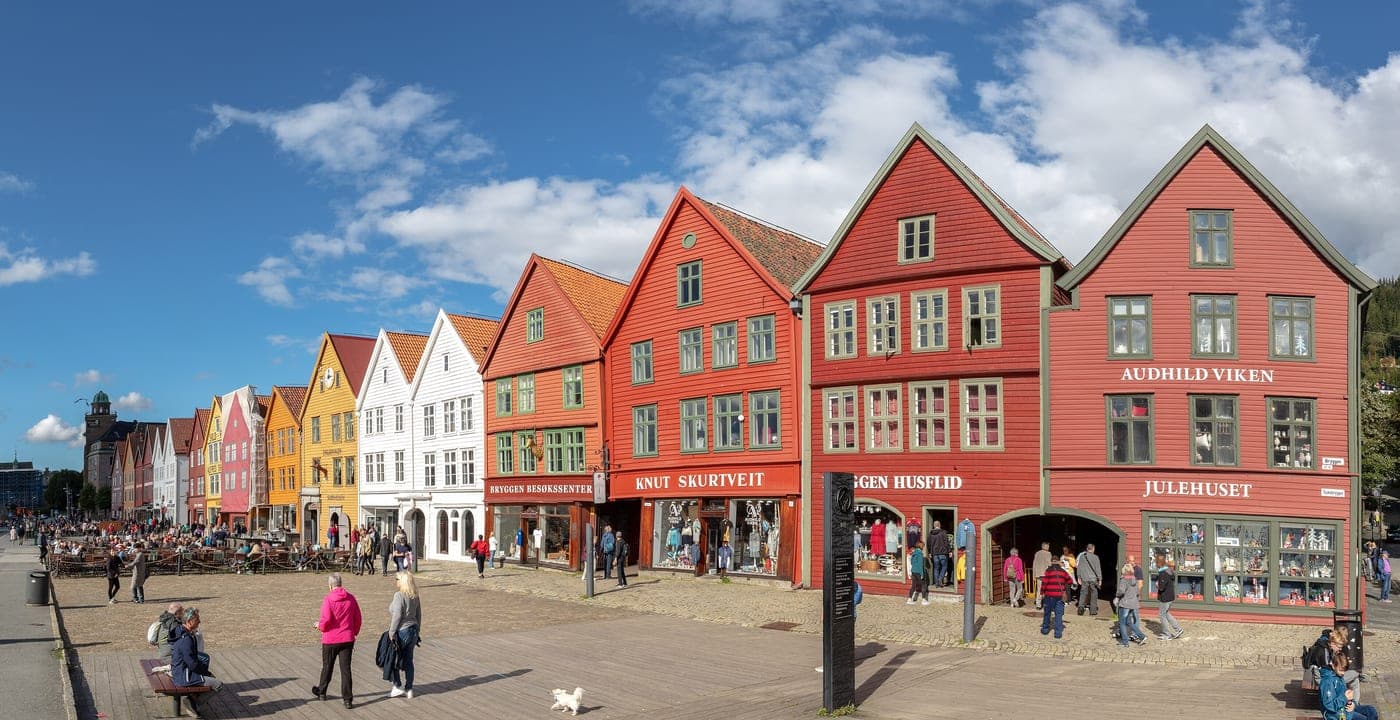
Nestled in western Norway, this is the largest region in the country, renowned for its breathtaking fjords and majestic mountains. Bergen, the only major city, serves as a gateway to the stunning landscapes of the area, including the UNESCO-listed Nærøyfjord. The region is steeped in history, with charming wooden houses dating back to the Hanseatic League. Small villages like Gudvangen and Flåm offer authentic experiences, showcasing local crafts and traditions. Known for its hiking trails, such as the famous Romsdalseggen Ridge, this region invites exploration of its natural beauty and cultural heritage. Local cuisine features fresh seafood and traditional dishes, providing a taste of the coastal culture.
Boat RentalsCamper Van RentalsHiking