Raspeball
Potato dumplings with salted meat in Vestland
- Local name
- Raspeball
- Served with
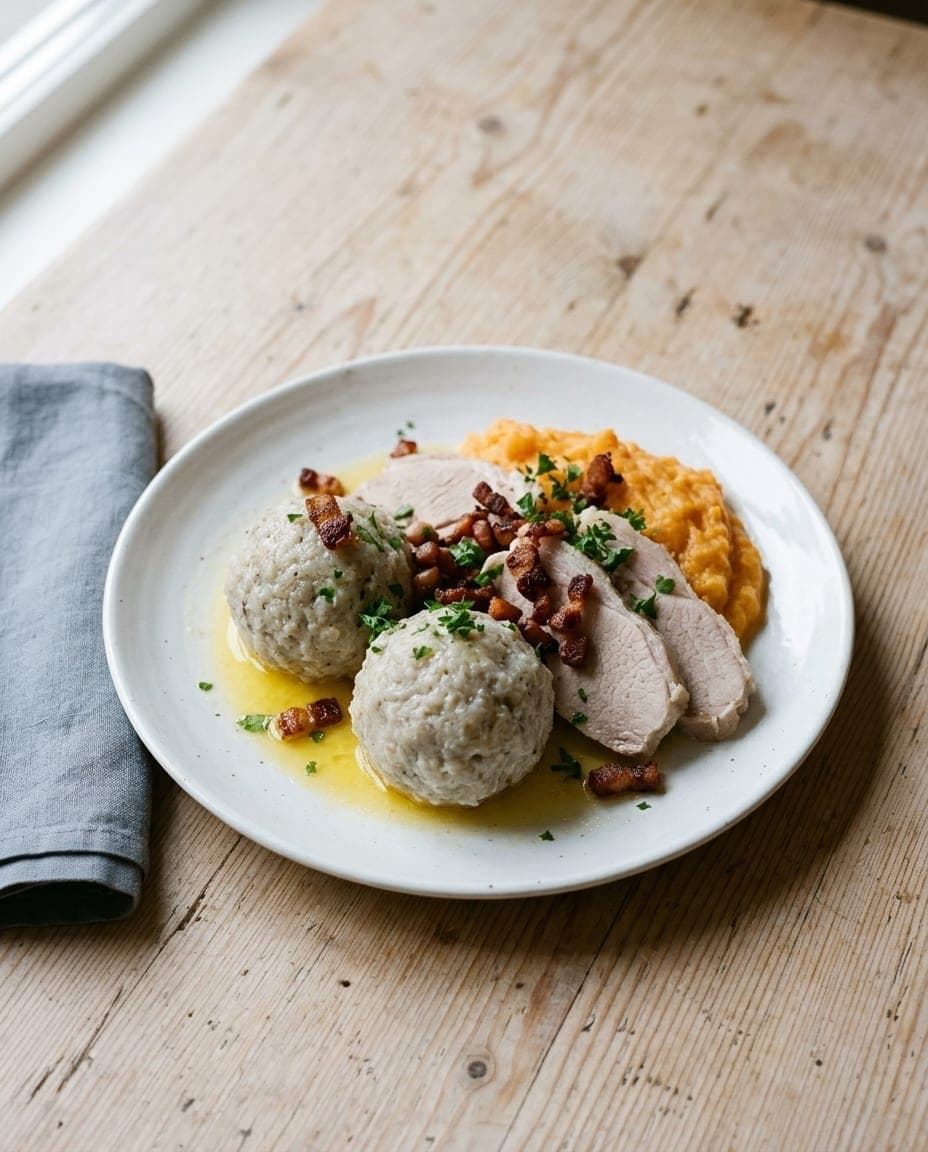
- Salted meat, swede mash
- Best eaten at
- A western Norway Thursday lunch
- Pairs with
- Sour milk or beer
What it is
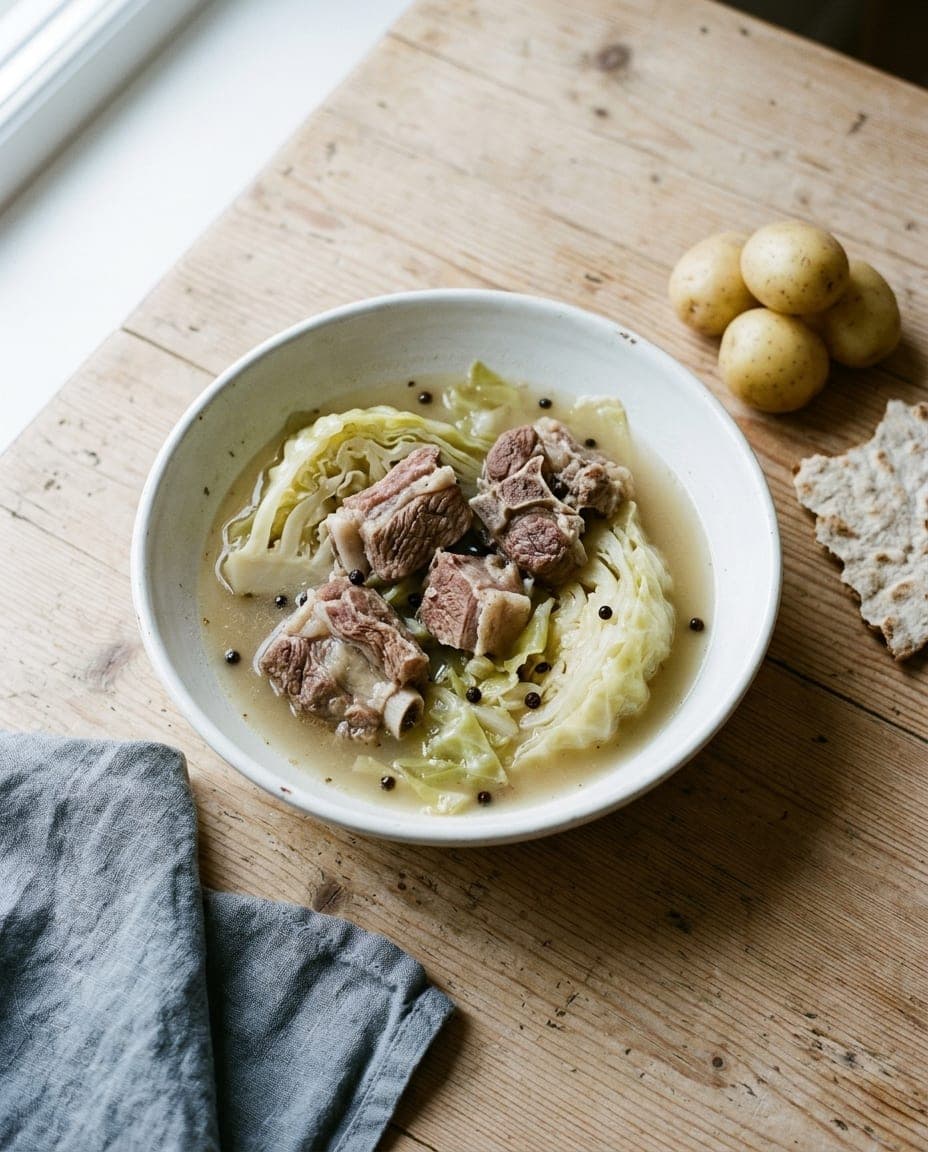
Raspeball, known locally as raspeball, potetball or sometimes komle, is a substantial dish rooted in the coastal valleys of western Norway, particularly around Bergen and the wider Vestland region. It consists of dumplings made from raw potato that has been grated, squeezed dry and bound with flour, traditionally barley or wheat, before being boiled until tender. The result is a dense, pale sphere that holds its shape well but yields to a soft texture when bitten.
The dish is traditionally served with salted meat, often smoked or cured, alongside a mash of swede (kålrabistappe in western Norwegian usage) and a generous pour of melted butter. It is not a light starter but a hearty meal designed to sustain people through the workday. In Bergen and across western Norway, it is a specific Thursday institution. On this day, the smell of boiling potatoes and meat fills canteens, cafés and family kitchens across the region, marking the passage of the week more clearly than any clock.
The name comes from raspe, to grate, which is the whole technique. Similar potato dumplings appear across Norway under other names — klubb in Trøndelag, kompe in the south — but the Thursday raspeball with salted meat and swede belongs to the west coast. It remains a regional speciality rather than a dish found on every menu in Oslo or Tromsø.
The Thursday tradition
Thursday holds a specific place in the culinary calendar of Vestland. For generations, families have prepared raspeball on this day, often making enough to last through Friday as well. The routine is so consistent that it has become a cultural marker; when the aroma of the dish drifts from a kitchen window, locals know exactly what day it is.
In Bergen, the tradition extends beyond the home. Public cafés and local canteens serve raspeball on Thursday afternoons, often drawing queues of workers looking for a warm, filling meal. The practice is generally linked to the agricultural past of the region, where the combination of preserved meat and potato provided necessary calories for long days of labour. Today, it persists as a ritual rather than a necessity, yet the demand remains steady.
The leftovers are not wasted. Left-over dumplings are sliced and fried the next day and eaten as a dish in their own right, often with additional butter or a simple sauce. This cycle of preparation, consumption and repurposing defines the dish's role in daily life.
What goes into it
There is no single official recipe, and the proportions vary from household to household. The core components, however, remain consistent across the region:
- Raw potato, grated and squeezed thoroughly to remove excess water, forming the base of the dumpling.
- Flour, used as a binder to hold the grated potato together during boiling.
- Barley or wheat flour, the choice and ratio changing the texture.
- Salted meat, either smoked or cured, often cut into chunks or served alongside the dumplings. Some households hide a small piece of salted meat or bacon inside the dumpling before boiling.
- Swede, mashed with butter to accompany the dish.
- Melted butter, poured generously over the hot dumplings and mash.
The texture is key: the potato must be squeezed well enough to hold its shape but remain soft inside. The meat adds a salty, smoky contrast to the mild potato. While some modern variations might include other vegetables or spices, the traditional version sticks to these simple elements.
How it is eaten
Raspeball is typically served as a main course at lunchtime on Thursday. It arrives in a deep bowl or plate, with the dumplings piled high alongside the meat and mash. Melted butter is ladled over the top, pooling around the edges of the dish. A fork is used to break through the potato exterior and mix it with the meat and mash.
The dish pairs well with sour milk or beer; a glass of soured milk or kefir is the old-fashioned choice. The soured milk, in particular, cuts the fat of the butter and salted meat, balancing the heavy flavours. The fried leftovers from the next day are eaten similarly, often with a dollop of sour cream.
Curious facts
- The Thursday rhythm. In Bergen and the wider Vestland region, raspeball is so strongly associated with Thursdays that it serves as a local calendar marker. Many cafés make it the dish of the day on Thursdays.
- Many names. The same dumpling is komle in Rogaland, klubb in Trøndelag and kompe in the south, which is why Thursday in the west is also called komle-torsdag.
- The fried leftovers. Dumplings left from Thursday are sliced and fried on Friday, turning yesterday's meal into today's lunch.
- Regional boundary. Potato dumplings are eaten all over Norway, but the Thursday raspeball with salted meat and swede mash is a distinct feature of the western coast.
- Soured-milk pairing. The old-fashioned drink with the dish is soured milk, a farm staple that complements the salty and buttery flavours without overwhelming them.
Where to try it
The best place to eat raspeball is in Bergen or the surrounding valleys of Vestland, where the Thursday tradition remains strongest. Small cafés and canteens in the city centre and the outer boroughs — Fana, Åsane — put it on Thursdays, as do many family-run eateries.
A kitchen that serves it any day of the week has usually simplified it; the Thursday places are the ones keeping the habit.
Where to try it
1 destination
 Boat Rentals
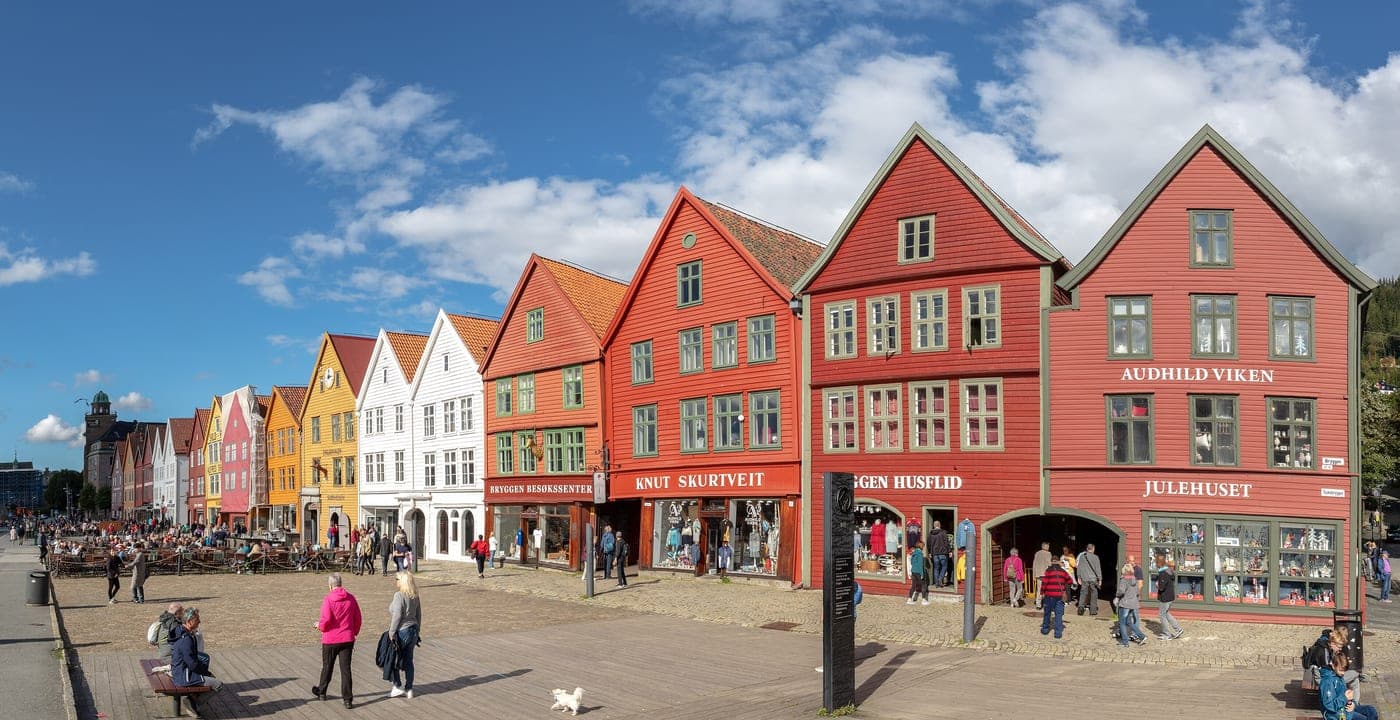
Bergen
Historic harbor city surrounded by mountains and gateway to fjords.
Boat RentalsCamper Van RentalsHiking
1 region
- Boat Rentals1 destination
Vestland
Nestled in western Norway, this is the largest region in the country, renowned for its breathtaking fjords and majestic mountains. Bergen, the only major city, serves as a gateway to the stunning landscapes of the area, including the UNESCO-listed Nærøyfjord. The region is steeped in history, with charming wooden houses dating back to the Hanseatic League. Small villages like Gudvangen and Flåm offer authentic experiences, showcasing local crafts and traditions. Known for its hiking trails, such as the famous Romsdalseggen Ridge, this region invites exploration of its natural beauty and cultural heritage. Local cuisine features fresh seafood and traditional dishes, providing a taste of the coastal culture.
Boat RentalsCamper Van RentalsHiking