Pinnekjøtt
Salted lamb ribs steamed over birch sticks for Christmas
- Local name
- Pinnekjøtt
- Served with
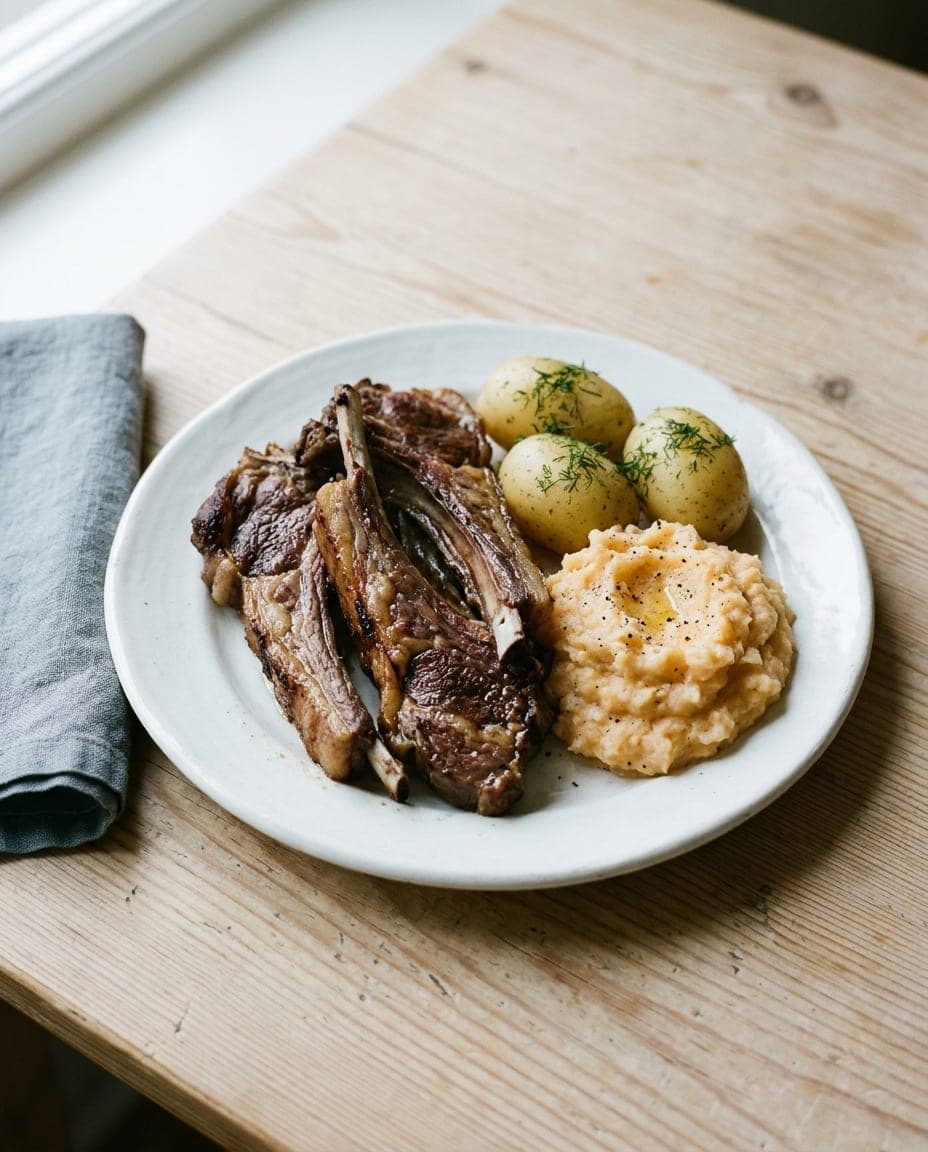
- Swede mash, potatoes
- Best eaten at
- A western Norwegian Christmas Eve table
- Pairs with
- Juleøl and akevitt
What it is
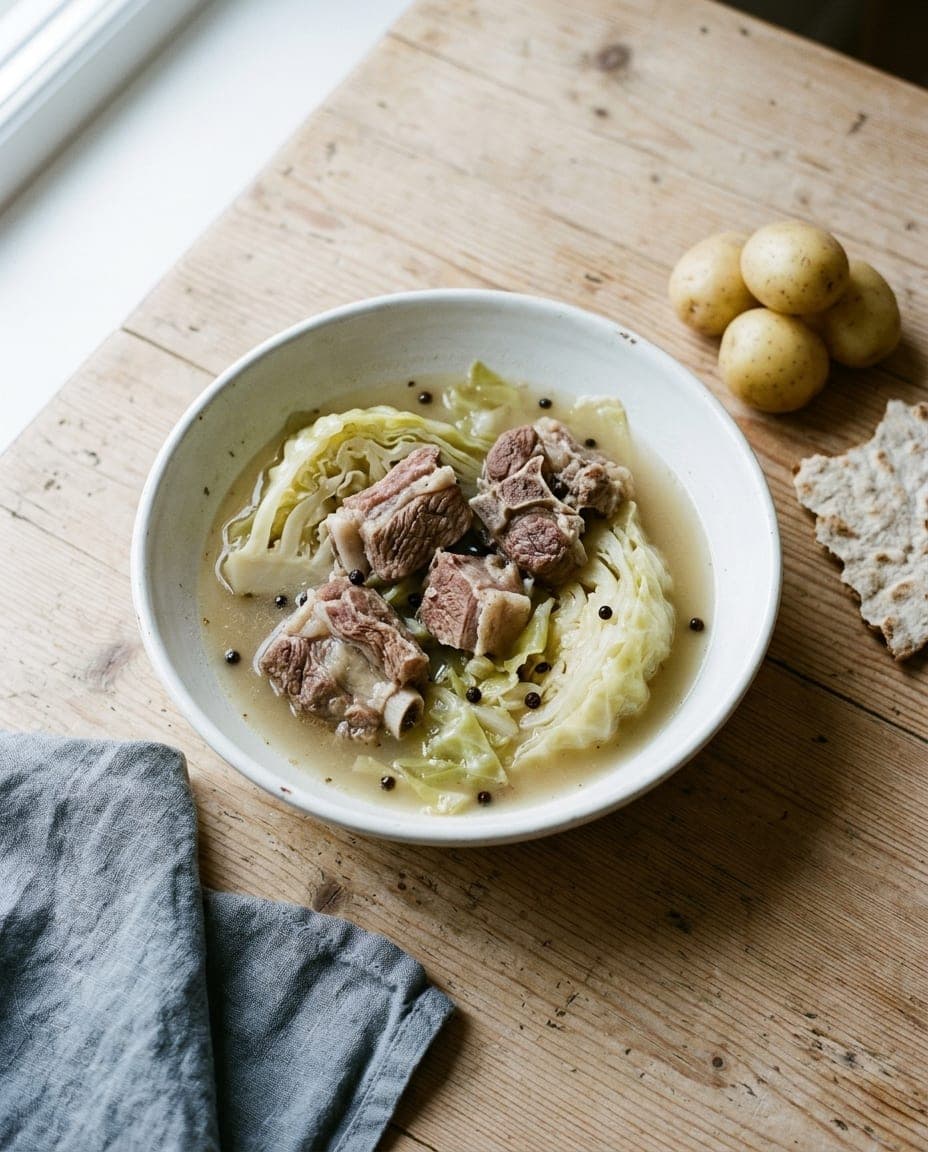
Pinnekjøtt, literally "stick meat", is the defining main course of a western Norwegian Christmas Eve dinner. It consists of lamb or mutton ribs that have been salted and dried, sometimes also smoked, then soaked to remove excess salt, and then steamed rather than boiled. The usual explanation for the name is the cooking method: the ribs are placed on a bed of peeled birch sticks, known as pinne, which lift the meat above the boiling water in the pot below. As the steam rises, it cooks the meat gently and imparts a faint, woodsy fragrance that distinguishes it from other preparations.
The result is meat that falls off the bone, with a texture between roasted and boiled, but retaining a distinct salinity and depth. It is very salty and very filling, and it is not a dish that apologises for either. In western Norway — Rogaland and Vestland — it is as fixed a part of Christmas Eve as ribbe, the roast pork belly, is in the east. The choice between the two is a long-standing, cheerful debate that often plays out at family tables across the country.
The origins of salted meat
The practice of salting and drying lamb for winter consumption dates back centuries, born from the practical need to preserve meat through the harsh Norwegian winters before modern refrigeration existed. In the western fjords, where the climate is wet and the growing season short, salting was a vital survival skill. Farmers would cure the ribs with salt in the autumn, allowing them to dry slowly in the cool air of the barn or smokehouse.
Pinnekjøtt is documented from the 1700s, when cheap imported salt made salting common, though drying is the older method and the dish is probably much older. Before the Reformation it is unlikely to have been eaten on Christmas Eve, as Catholic fasting rules kept meat off the table until Christmas Day. While the exact moment this became the standard Christmas tradition is not recorded in a single document, the custom solidified as a regional hallmark of western Norway. It still follows the farm calendar: the ribs are salted months before they are eaten.
How it is made and served
The preparation begins with the dried ribs, which are sold by butchers from November onwards. Before cooking, they must be soaked in cold water for a day or more, depending on how salty they are, sometimes changing the water to leach out the heavy salt. Once soaked, the ribs are arranged on a layer of clean birch sticks placed at the bottom of a large pot. Water is poured in to just below the top of the sticks, so the meat never touches the liquid directly.
The steaming process takes about two to three hours, depending on the size of the ribs and the desired tenderness. When done, the meat should be soft enough to pull apart easily. It is served hot, often with a little of the cooking liquid spooned over. The dish is traditionally paired with mashed swede (kålrotstappe) and boiled potatoes, sometimes with smoked sausages, creating a trio of starchy comfort that balances the saltiness of the lamb.
Where it belongs on the table
Pinnekjøtt belongs above all to Christmas Eve, the central night of the Norwegian holiday season. It sits at the head of the table in western Norway, a fixed point around which the evening revolves. Families gather to share the meal, often preceded by juleøl, a special Christmas beer brewed for the season. A shot of akevitt, a strong aquavit flavoured with herbs and spices, is also common, served as an aperitif or alongside the main course.
The meal is rarely rushed. It is eaten slowly, with the salty meat requiring the rich, sweet mash of swede to balance the palate. The potatoes are often plain, allowing them to absorb the flavours of the dish without competing.
Curious facts
- The birch sticks do a job. The pinne must be peeled and clean; they act as a rack to keep the meat out of the water while infusing it with a subtle aroma.
- A regional divide. About three in four households on the western coast eat pinnekjøtt on Christmas Eve, against roughly one in seven in the east, where pork ribs (ribbe) usually take its place.
- Soaking is critical. The dried ribs are so salty that they require a day or more of soaking in water to become edible and palatable for most people.
- A winter tradition. Butchers sell the salted ribs starting in November, ensuring families have time to prepare them before the holiday arrives.
- The liquid matters. A spoonful of the salty cooking liquid over the meat is part of the plate in many homes.
Where to try it
December in western Norway — Rogaland and Vestland — is the season and the place. The dish is found on the menu of traditional restaurants, farm stays, and private homes across the region. It is particularly common in coastal towns and villages where the tradition of salted meat has been preserved for generations.
A plain traditional restaurant cooking the season is the usual setting. Many establishments will serve the dish with the classic accompaniments of swede mash, potatoes, and a side of the reduced cooking liquor. For a full experience, pair it with a glass of juleøl or a small pour of akevitt.
Where to try it
2 regions
 Boat Rentals1 destination
Rogaland
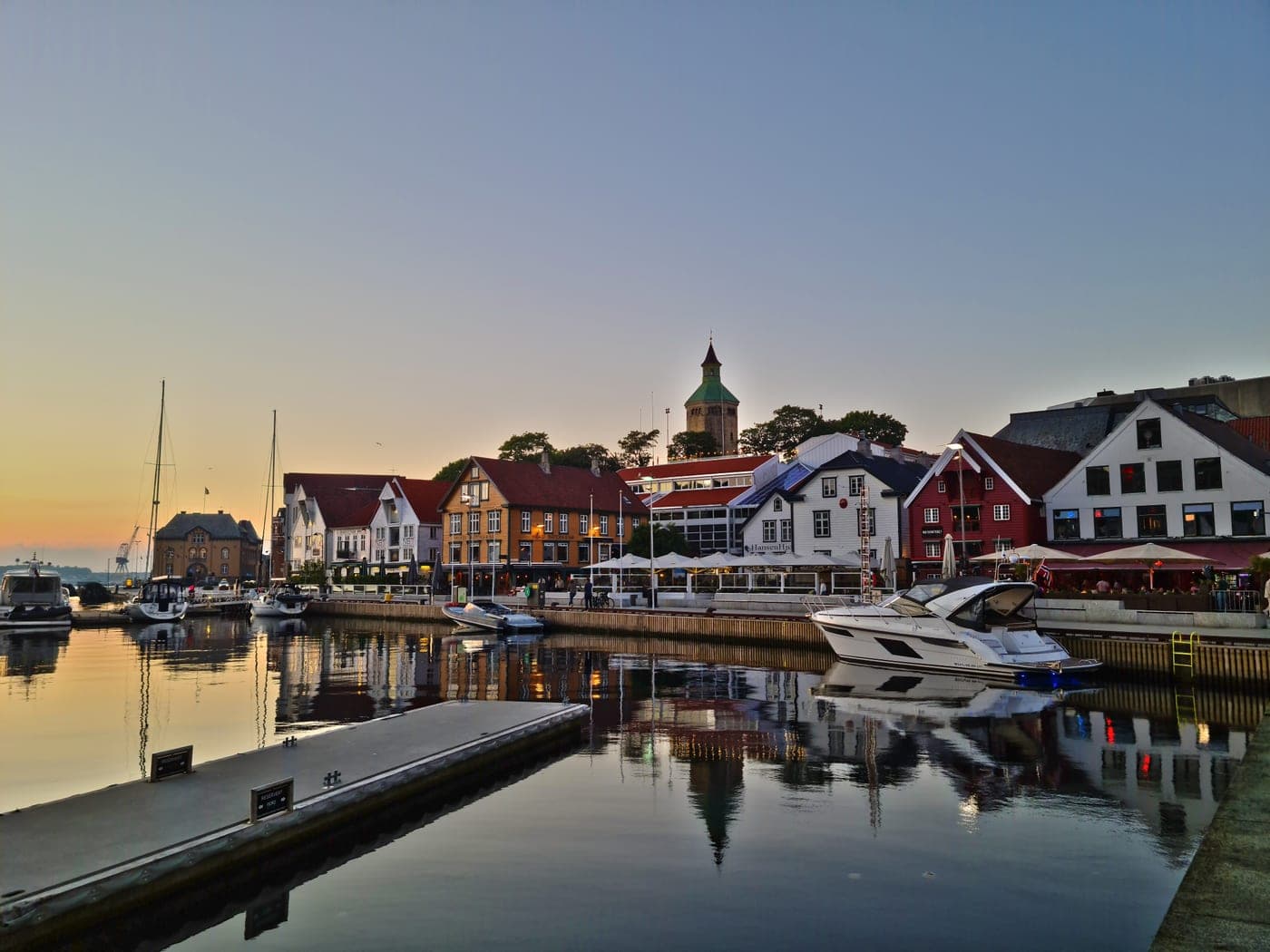
Rogaland, located on Norway's southwestern coast, is known for its stunning fjords and rich Viking history. The region features Stavanger, the only major city, famous for its well-preserved wooden houses and the nearby Pulpit Rock, a popular hiking destination. Besides Stavanger, explore the charming town of Haugesund, known for its Viking heritage and annual Viking Festival. The coastline, dotted with picturesque islands, offers opportunities for kayaking and fishing. Rogaland is also recognized for its culinary scene, particularly seafood. Discover local farms producing high-quality cheeses and artisanal products. This region is a blend of natural beauty, history, and local flavors, ideal for those seeking a deeper connection to Norway's culture.
Boat RentalsLocal Cuisine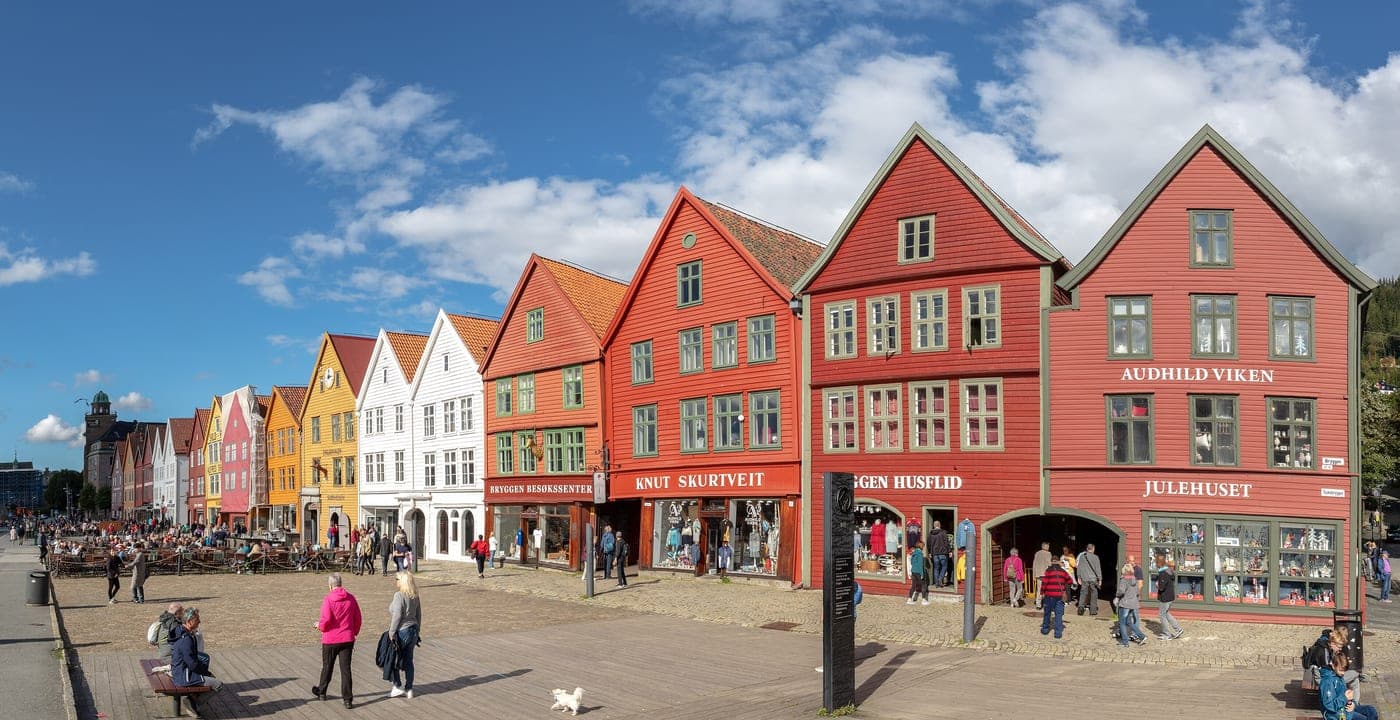 Boat Rentals1 destination
Vestland
Nestled in western Norway, this is the largest region in the country, renowned for its breathtaking fjords and majestic mountains. Bergen, the only major city, serves as a gateway to the stunning landscapes of the area, including the UNESCO-listed Nærøyfjord. The region is steeped in history, with charming wooden houses dating back to the Hanseatic League. Small villages like Gudvangen and Flåm offer authentic experiences, showcasing local crafts and traditions. Known for its hiking trails, such as the famous Romsdalseggen Ridge, this region invites exploration of its natural beauty and cultural heritage. Local cuisine features fresh seafood and traditional dishes, providing a taste of the coastal culture.
Boat RentalsCamper Van RentalsHiking