Komle (potato dumplings)
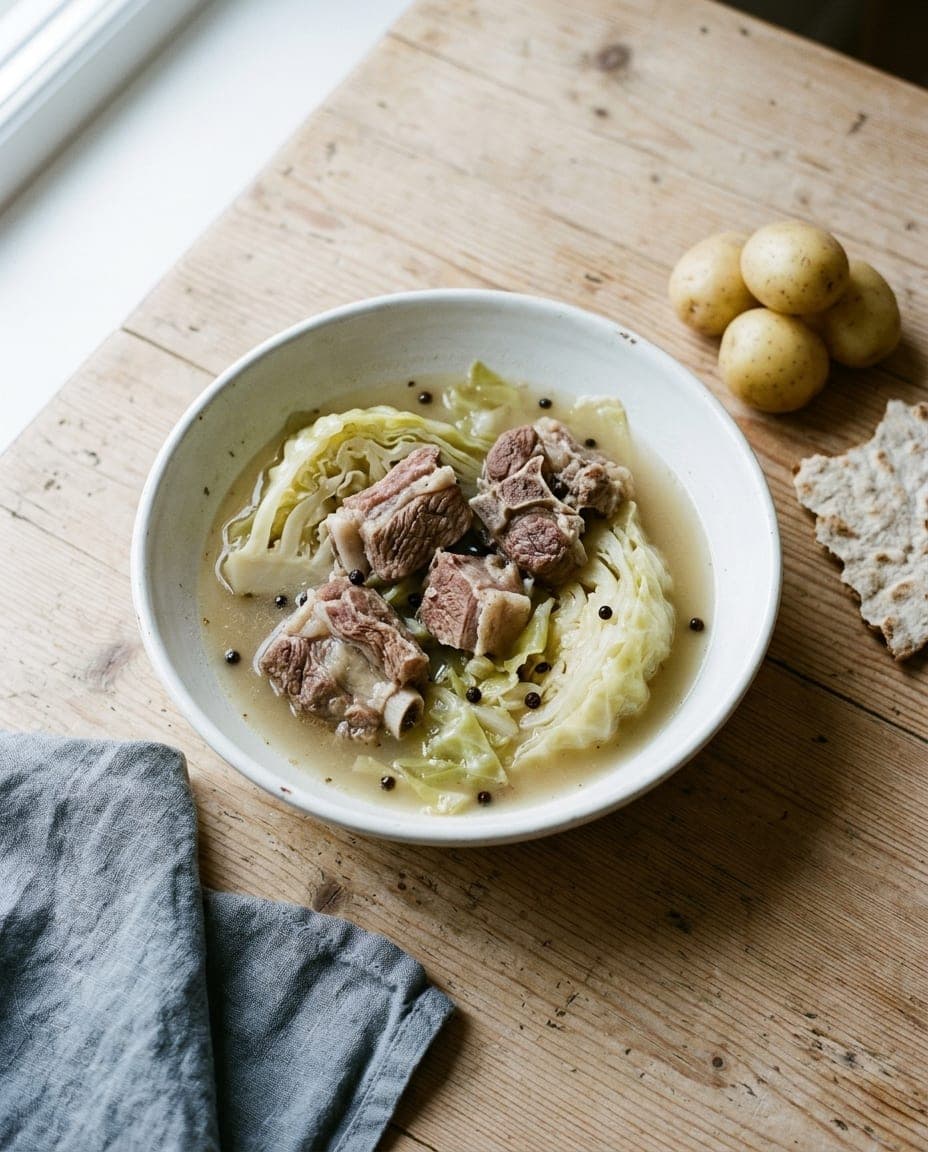
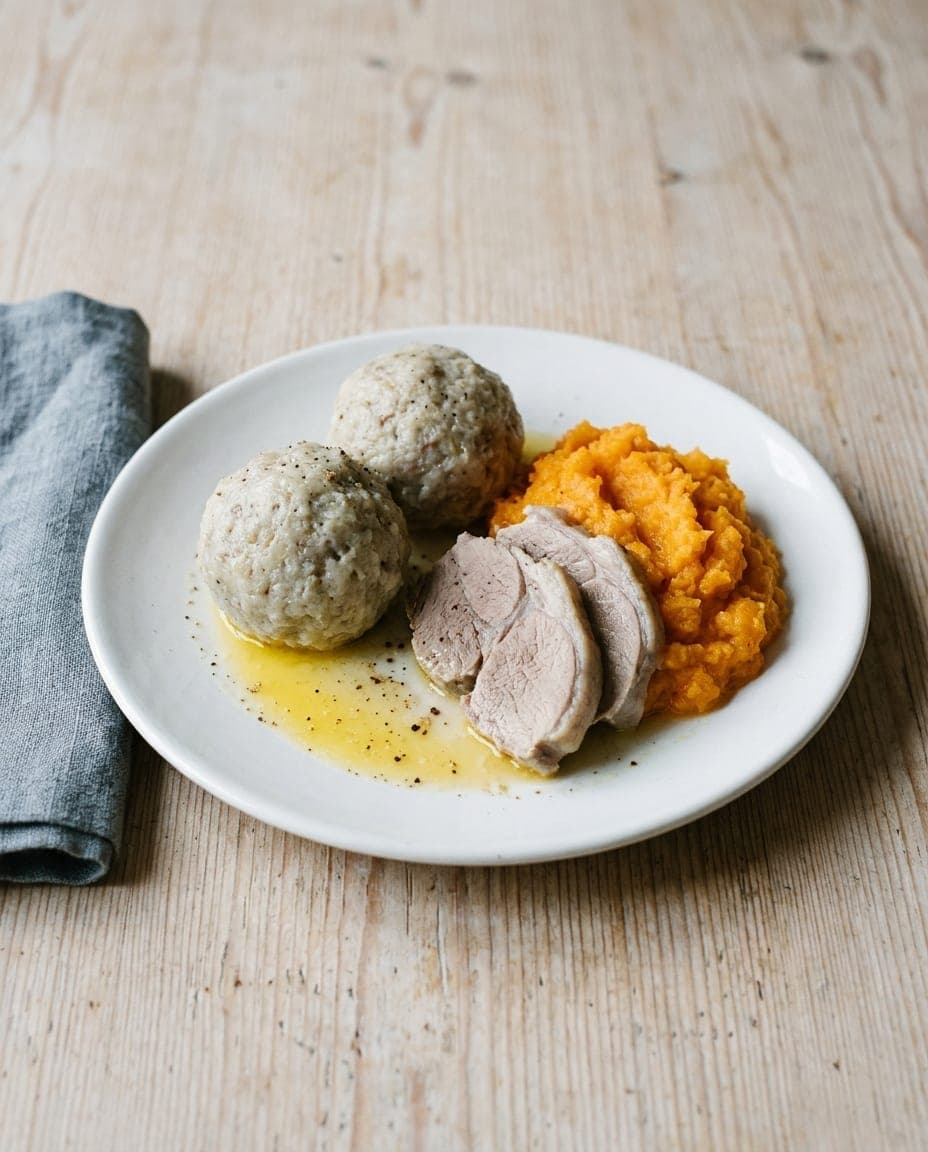
Potato dumplings with salted meat and swede
- Local name
- Komle
- Served with
- Salt meat, swede mash, butter
- Best eaten at
- A Rogaland Thursday family dinner
- Pairs with
- Lager
What it is
Komle are large dumplings made mainly from grated raw potato, often with some boiled potato, bound with barley flour and a little wheat flour and boiled until tender. They are a regional speciality of Rogaland, the coastal county where Stavanger sits, and remain a staple of the local diet despite modern changes in how people eat. The dish is defined by its texture: soft, dense, and slightly earthy, with a smooth surface that holds the heavy sauces it is served with.
In many households, komle are eaten as a main course on Thursdays. Nobody has recorded exactly why Thursday became komle day, but the habit persists in family homes, inns and cafés across the region. The dumplings are often served alongside salted lamb or pork, sausage or bacon, a thick mash of swede, and a generous amount of melted butter.
The dish is not a recipe to be followed precisely but a template for regional cooking. Every kitchen in Rogaland has its own way of grating the potato, squeezing out the water, and binding the mixture. Some cooks use only flour, others mix in barley meal or rye flour for a darker colour and nuttier taste. The result is always substantial, designed to fill a stomach after a day of work or travel along the rugged coast.
The Thursday tradition
Thursday is the traditional day for komle across western Norway, Rogaland and Bergen included — locals call it komle-torsdag. The usual explanation is practical rather than documented: a cheap, filling midweek dinner built on stored potatoes and preserved lamb or pork.
The rhythm of the week meant that Thursday dinner became a specific occasion for this dish. Even now, when fresh meat is available every day, many families in Stavanger and the surrounding countryside still prepare komle on Thursdays. Inns and lunch cafés put it on as the Thursday dish of the day; one inn in Sandnes has served komle every Thursday since 1949.
The meal is usually simple but hearty. A large pot of salted meat boils alongside the dumplings, or the meat is served separately after being cooked in its own brine. The swede mash is another key element: the root vegetable is boiled until soft and then mashed with butter and a little milk or cream. The combination of salty meat, sweet swede, and earthy potato creates a balance that has sustained people through long winters for generations.
What goes into it
The ingredients of komle are few but require careful handling. The main component is raw potato, which must be grated finely and then squeezed thoroughly to remove excess water. If the mixture is too wet, the dumplings will fall apart during boiling; if too dry, they become heavy and difficult to cook through.
- Potato, usually a starchy variety that holds its shape when boiled but softens easily when mashed.
- Flour or barley meal, used as a binder to hold the grated potato together. Barley meal adds a distinct rustic flavour.
- Salted meat, typically lamb or pork, which has been cured in salt for months and is cooked until tender.
- Swede, a root vegetable that provides sweetness and colour to the mash.
- Butter, used both in the mash and as a sauce poured over the finished dish.
The dumplings are boiled in water or in the stock of the salted meat, which adds a subtle savoury depth. Once cooked, they are drained and served immediately while hot. The texture is soft but firm enough to hold its shape on a plate.
How it is eaten
Komle are usually eaten as a main course, often shared from a large serving dish. A ladle scoops out a few dumplings, which are then topped with the salted meat and swede mash. Melted butter or bacon fat is poured over everything, running into the hot food. The salted meat is often served in chunks, to be pulled apart at the table.
Leftovers are not wasted. Slices of the next-day komle are fried in a pan with butter until golden and crisp on the outside. This second life for the dumplings is a beloved part of the tradition, turning a simple boiled meal into a savoury snack or light supper.
The dish pairs well with a cold lager, which cuts the fat of the butter and meat. A local beer is a natural choice, especially on a Thursday evening when the family gathers around the table. The combination of salt, sweetness and earth only works while the food is hot.
Curious facts
- A name that changes. In Bergen and Hordaland the same dumpling is usually called raspeball, on the south coast kompe, and in Trøndelag klubb; potetball is heard too. Komle is above all the Rogaland word.
- Thursday is key. The tradition of eating komle on Thursdays remains strong in Stavanger and Bergen, even though no one can say for certain why Thursday was chosen.
- Leftovers get a second life. Fried komle slices are a popular snack or light meal, turning the soft dumpling into something crispy and savoury.
- A regional focus. While potato dishes exist across Norway, komle as a specific dish is most strongly associated with Rogaland and the western coast.
- A winter staple. The dish was designed to use preserved meat and root vegetables that could be stored through the cold months, making it a practical choice for rural life.
Where to try it
The best place to eat komle is in Rogaland, particularly in Stavanger and the surrounding countryside. While the dish is not found on every menu in Norway, it appears regularly in traditional restaurants and family-run eateries in the region. The places that serve it tend to run a fixed weekly menu rather than a long card.
Many cafés and inns around Stavanger and Sandnes serve komle on Thursdays, reflecting the ongoing tradition. The food is often prepared in small batches to ensure freshness. A meal here might include a portion of dumplings, a side of swede mash, and a generous serving of salted meat, all finished with melted butter.
For those seeking a more authentic experience, visiting a family home during a Thursday dinner is the ideal option. The dish is a cornerstone of local life, and eating it in a traditional setting offers insight into how Norwegians have sustained themselves for generations.
Where to try it
1 destination
 Boat Rentals
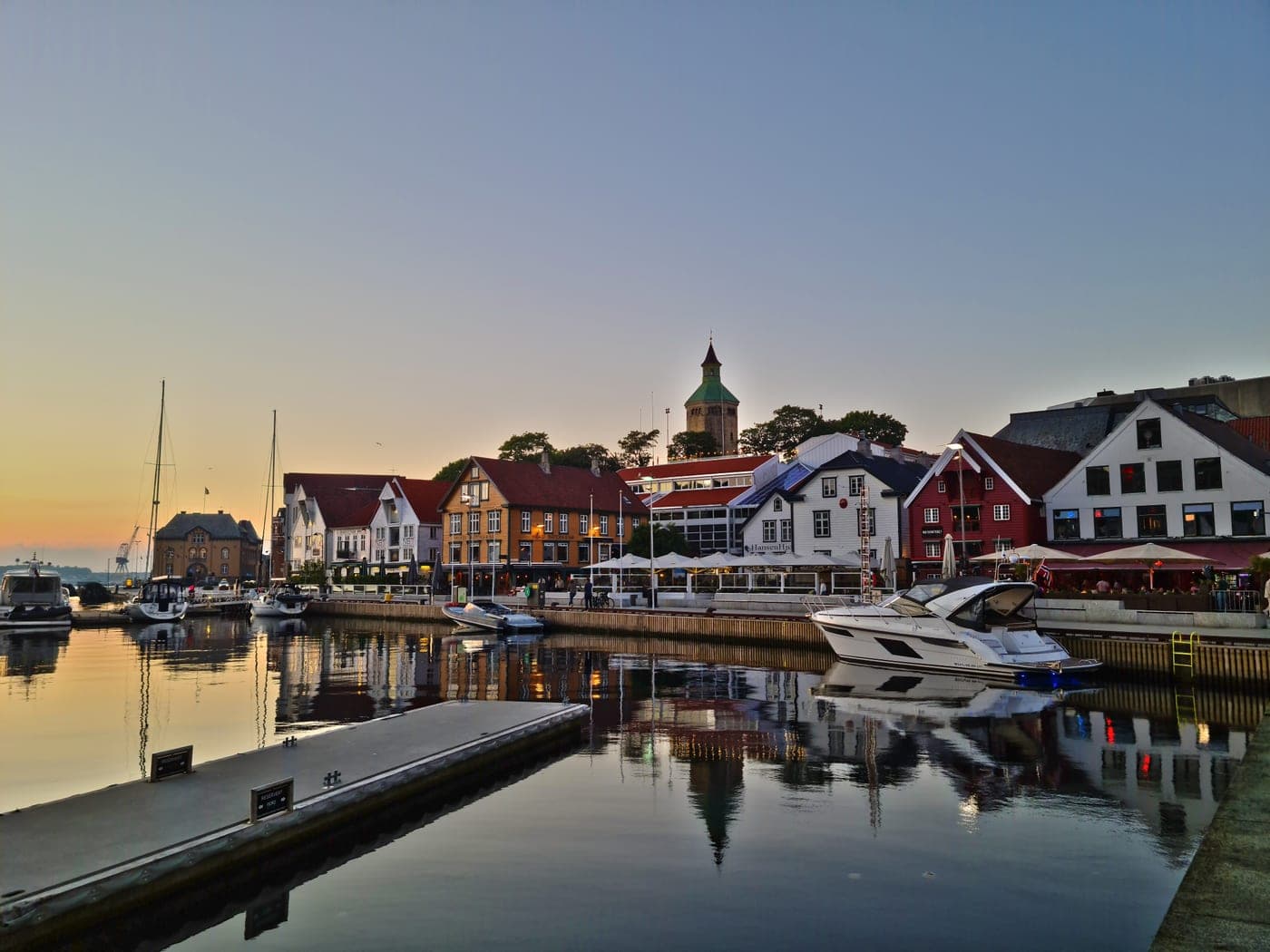
Stavanger
Cultural hub known for historic wooden houses and vibrant arts scene.
Boat RentalsLocal Cuisine
1 region
- Boat Rentals1 destination
Rogaland
Rogaland, located on Norway's southwestern coast, is known for its stunning fjords and rich Viking history. The region features Stavanger, the only major city, famous for its well-preserved wooden houses and the nearby Pulpit Rock, a popular hiking destination. Besides Stavanger, explore the charming town of Haugesund, known for its Viking heritage and annual Viking Festival. The coastline, dotted with picturesque islands, offers opportunities for kayaking and fishing. Rogaland is also recognized for its culinary scene, particularly seafood. Discover local farms producing high-quality cheeses and artisanal products. This region is a blend of natural beauty, history, and local flavors, ideal for those seeking a deeper connection to Norway's culture.
Boat RentalsLocal Cuisine