Gouda
From mild young wheels to aged crystalline blocks
- Vegetarian
- Local name
- Goudse kaas
- Served with
- Bread, mustard
- Best eaten at
- Gouda's summer cheese market
- Pairs with
- Dutch lager or tawny port
What it is
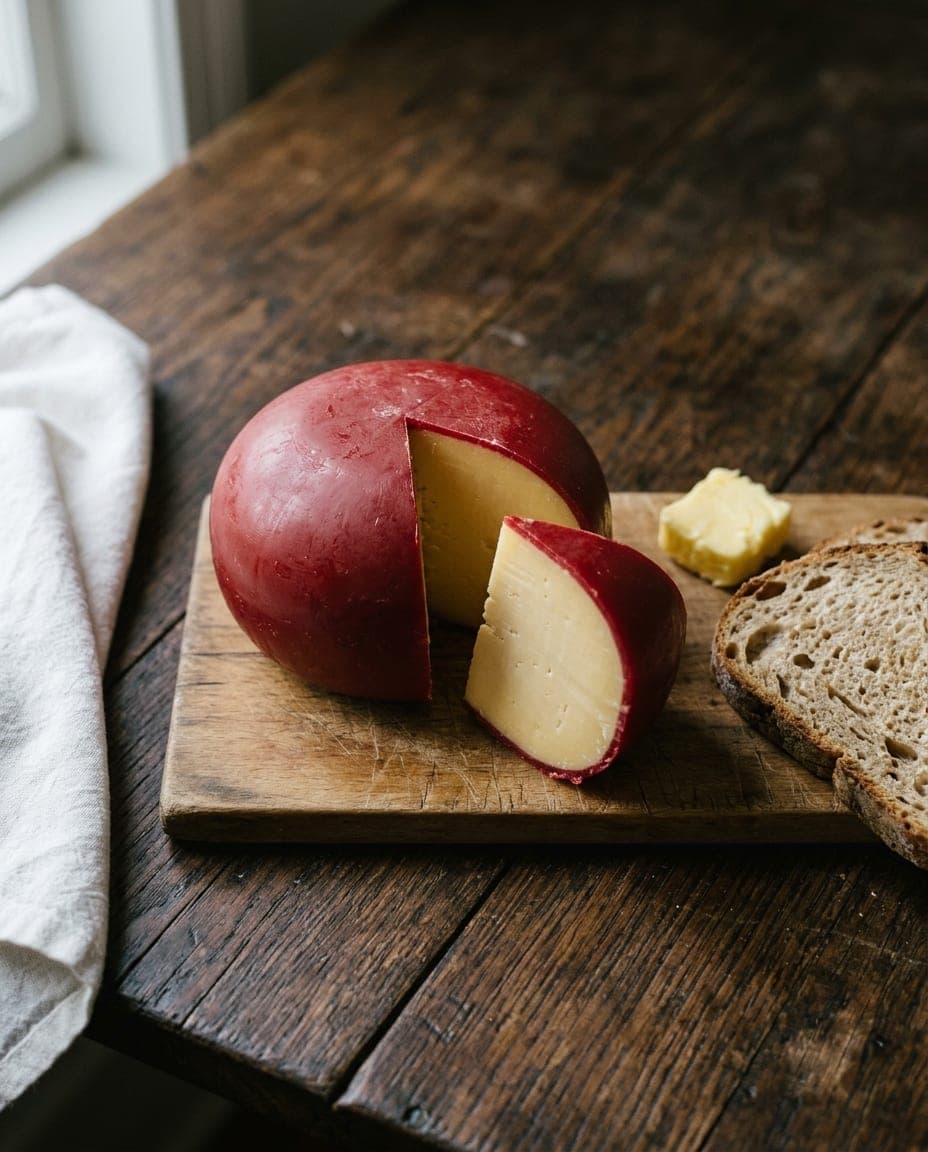
Gouda is the most recognisable cheese of the Netherlands, a semi-hard cow's milk product formed into large flat wheels. Its name does not indicate a single place of origin but rather the town where the cheese was historically weighed and sold: Gouda in the province of South Holland. Farmers from the surrounding polders of South Holland and Utrecht brought their wheels to this market town for official weighing and trade. The result is a cheese defined by its texture and age, ranging from a mild, pale yellow product barely a month old to a hard, dark amber block with sweet, caramel notes and crunchy crystals after two or three years of maturation.
While the word Gouda appears on packaging in supermarkets across the globe, often made outside the Netherlands, the true character of the cheese is tied to Dutch soil and tradition. The most distinct variations are those protected by European law, such as Gouda Holland, made in the Netherlands from Dutch milk, and the farmhouse variety known as boerenkaas. This raw-milk version is crafted on the farm where the milk was produced, resulting in a more irregular, complex flavour that changes with every season. The cheese is eaten year-round but reaches its cultural peak during the summer months when the famous markets return to the town centre.
Where the name comes from
The story of Gouda cheese begins not in a dairy, but in the town square of Gouda itself. For centuries, the town's weigh house, built in 1668, was where cheese from the surrounding region was weighed and sold. Farmers from the fertile lowlands of Zuid-Holland and Utrecht would transport their heavy wheels on wooden carts or wagons to the market hall. There, official weighers would test the weight of each wheel using a large balance scale, stamping it with an official mark if it met the required standard. This practice ensured quality for buyers across Europe and cemented the town's name as the label for the product.
The cheese was not invented in Gouda, nor was it made only within the town limits. The dairy work happened on farms scattered across the polders of South Holland and Utrecht. However, because the trade hub was Gouda, the cheese became known by that name. Even today, the term is used generically for many semi-hard cheeses made elsewhere, yet the protected Gouda Holland designation (a PGI) reserves that name for wheels made in the Netherlands from Dutch milk and ripened naturally for at least four weeks, and Noord-Hollandse Gouda (a PDO) narrows it further to one province. This distinction separates the generic name from the Dutch product that carries the history of the polders.
The difference between young and old
The character of Gouda shifts dramatically as it ages, moving through distinct stages of flavour and texture. Young Gouda, often sold at just one month old, is pale yellow with a smooth, elastic texture. It has a mild, creamy taste with a subtle hint of sweetness, making it a popular choice for sandwiches or melting. As the cheese matures to three months, it develops a firmer body and a slightly sharper edge, though it remains approachable for most palates.
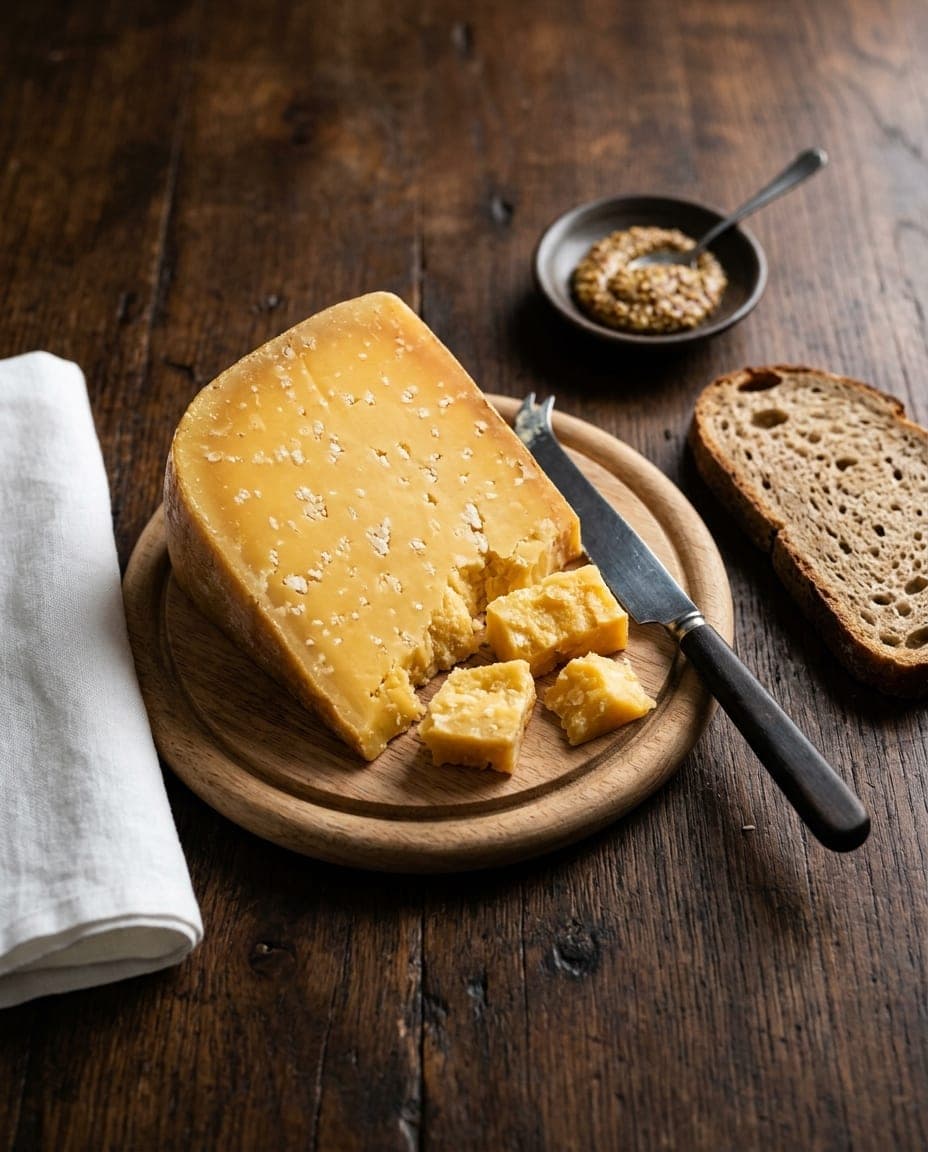
The transformation becomes profound after six months. The wheels darken to a deep amber colour, the texture hardens, and the flavour evolves into something savoury and nutty. At two years or more, the cheese enters its final stage. It becomes brittle and dark brown, often with a crystalline crunch caused by amino acid and calcium lactate crystals that form during long maturation. The taste shifts towards toffee, caramelised nuts and a distinct sweetness, a result of the slow breakdown of proteins and fats over many months in cool cellars. Aged Gouda is cut into cubes and eaten with mustard as a bar snack, which is the standard Dutch treatment of it.
Boerenkaas and regional specialities
Among the many types of Gouda, the boerenkaas, or farmhouse cheese, holds a special place in Dutch culinary culture. This version is made on the farm where the milk comes from, using raw milk that has not been pasteurised; boerenkaas is protected in the EU as a traditional speciality. The process begins early in the morning when the farmer milks the cows and brings the fresh milk directly to the dairy room. Because the milk retains its natural bacteria, the resulting cheese varies more than factory-made versions, reflecting the specific diet of the herd and the weather of that season.
Boerenkaas is sold at the farm gate and at farmers' markets across the Groene Hart, the green polder country between the big cities. It may be young, aged to six months, or left to mature for over a year. The flavour can range from grassy and fresh to intensely earthy and spicy. Unlike the uniform wheels found in supermarkets, farmhouse wheels often carry the marks of their origin, with irregular shapes and rinds that reflect the hands that handled them. This variability is part of its appeal, offering a taste of the specific farm and landscape where it was produced.
How the market works today
The cheese market runs on Thursday mornings through the summer, from April into August, on the Waagplein in front of the old weigh house. The working trade ended long ago; what happens now is a re-enactment of it, with wheels brought in on flat carts and carriers in white coats and straw hats.
The bargaining is the part people come for: buyer and seller strike each other's open palm, each clap a bid or a counter, until a hand stays flat and the price is agreed. It was a way of doing business fast and over noise, and it is now performed rather than used.
How to eat it
Gouda is most traditionally enjoyed simply, allowing the texture and flavour to stand alone. The standard accompaniment is a thick slice of dark rye bread or a crusty white loaf, often served with a dollop of sharp mustard or a spoonful of sweet fruit relish. The contrast between the chewy cheese and the tangy mustard creates a classic Dutch combination that balances the fat of the dairy. For younger wheels, the mild creaminess pairs well with fresh apple slices or pickles.
The choice of drink depends on the age of the cheese. A young Gouda matches easily with a cold Dutch lager, which cuts through the creaminess without overpowering it. As the cheese matures and develops its crystalline texture, the pairing shifts to a tawny port or an aged beer, where the sweetness of the beverage complements the caramel notes in the cheese. Some visitors also enjoy the aged varieties with a glass of dry white wine, though the traditional route remains the lager or port.
Curious facts
- The name is a location. Gouda was never invented in the town; it was named after the place where farmers brought their wheels to be weighed and sold.
- A market that ended. The official weighing of cheese for trade stopped long ago, yet the Thursday morning market continues today as a cultural performance for visitors.
- Raw milk matters. Boerenkaas is made from unpasteurised milk on the farm, giving it a unique, variable flavour that changes with the seasons and the herd.
- Crystals form over time. The crunchy bits in aged Gouda are amino acid and calcium lactate crystals, a natural result of long maturation that adds texture and sweetness.
- A national label. Anyone in the world may make "Gouda", but the protected Gouda Holland label applies only to cheese made in the Netherlands from Dutch milk.
- Thursday mornings only. The market runs one morning a week from April to August, from 10:00 to 12:30.
Where to try it
The most authentic experience of Gouda cheese is found in the town of Gouda itself during the summer months, particularly at the Thursday morning market on the Waagplein. Here, visitors can watch the traditional bargaining, smell the fresh cheese, and purchase wheels directly from the farmers. Outside the market season the aged farmhouse wheels are at the farm gates of the polder country around the town, and at the cheese shops in Gouda itself. Alkmaar runs its own, larger cheese market on Friday mornings.
On a supermarket shelf, Gouda Holland on the label is the protected version and the bare word is not.
Where to try it
6 destinations
 Boat Rentals
Bodegraven
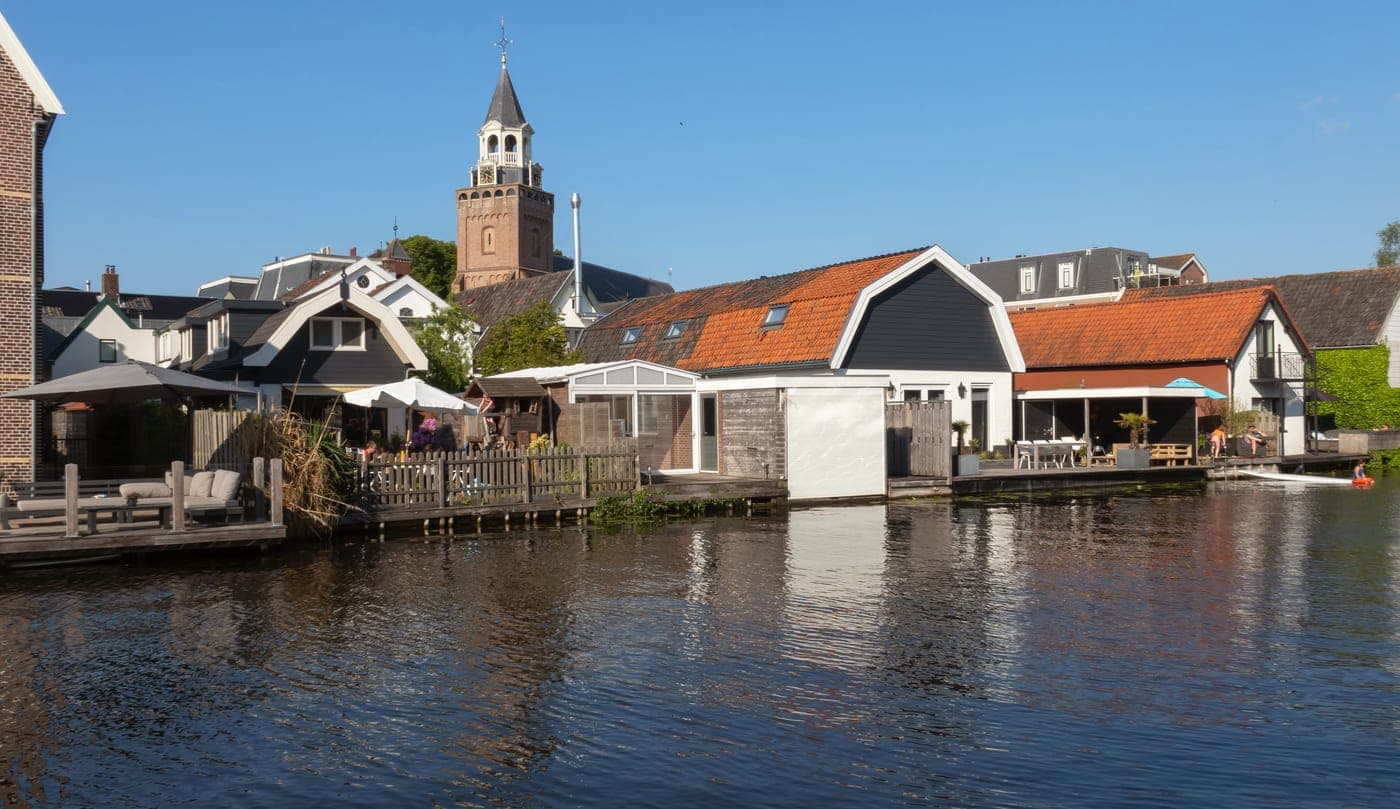
Charming town known for its historic canals and local cheese markets.
Boat RentalsHiking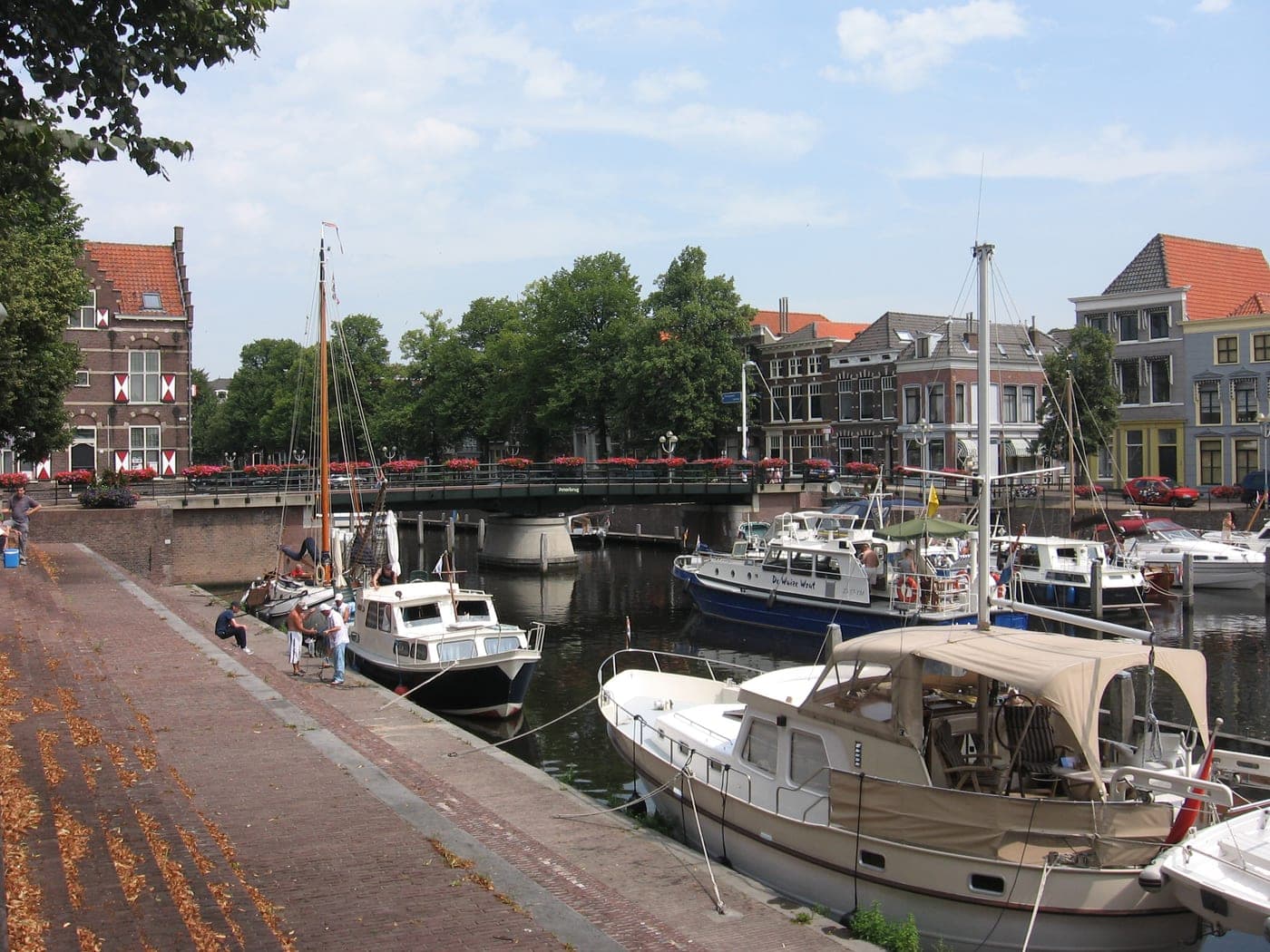 Boat Rentals
Gorinchem
Completely fortified river town with intact walls and historic center
Boat RentalsHiking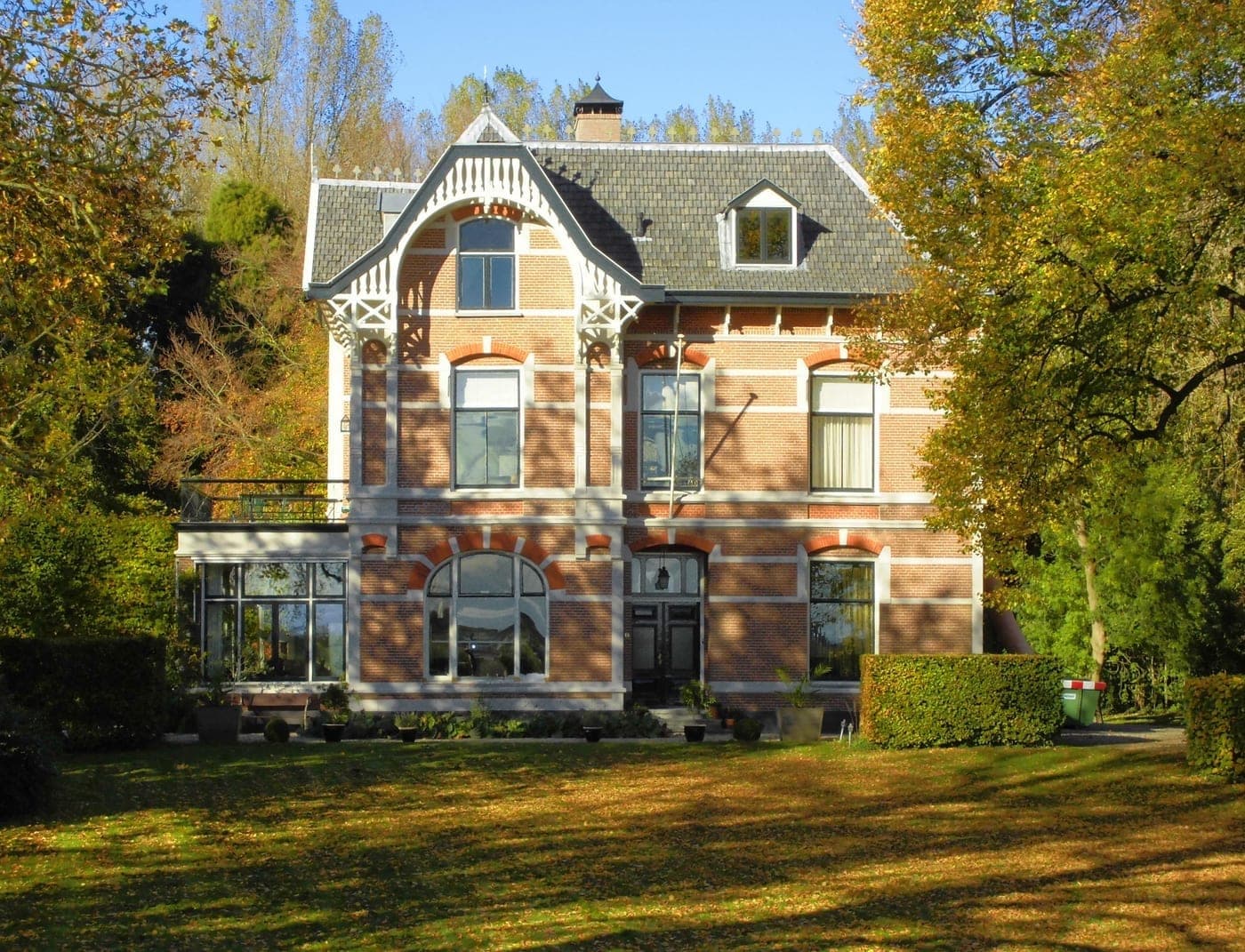 Boat Rentals
Nigtevecht
Vecht River village among historic estates in the Green Heart
Boat RentalsHiking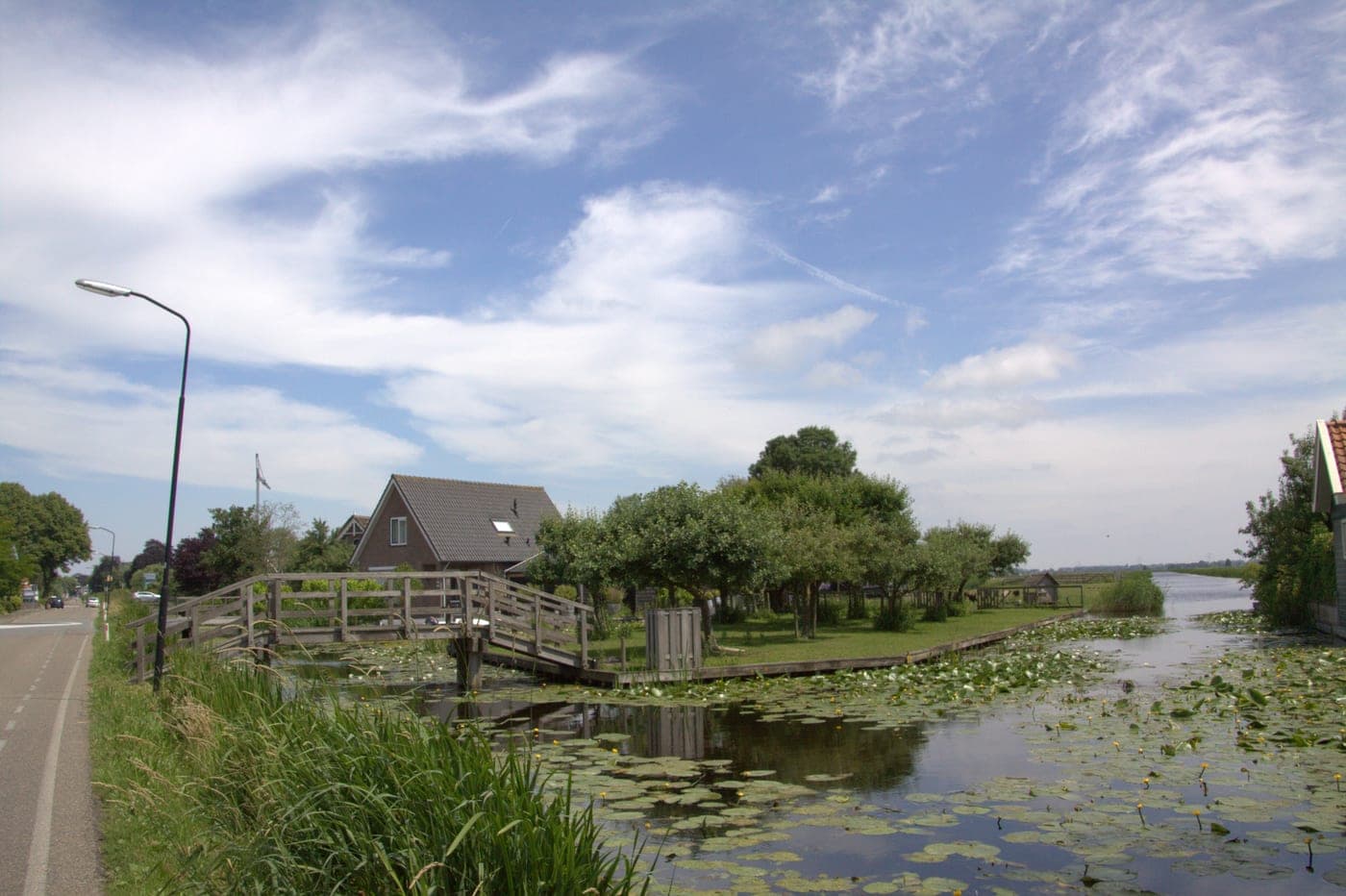 Boat Rentals
Vinkeveen
Picturesque lakeside village known for water sports and scenic nature trails.
Boat RentalsHiking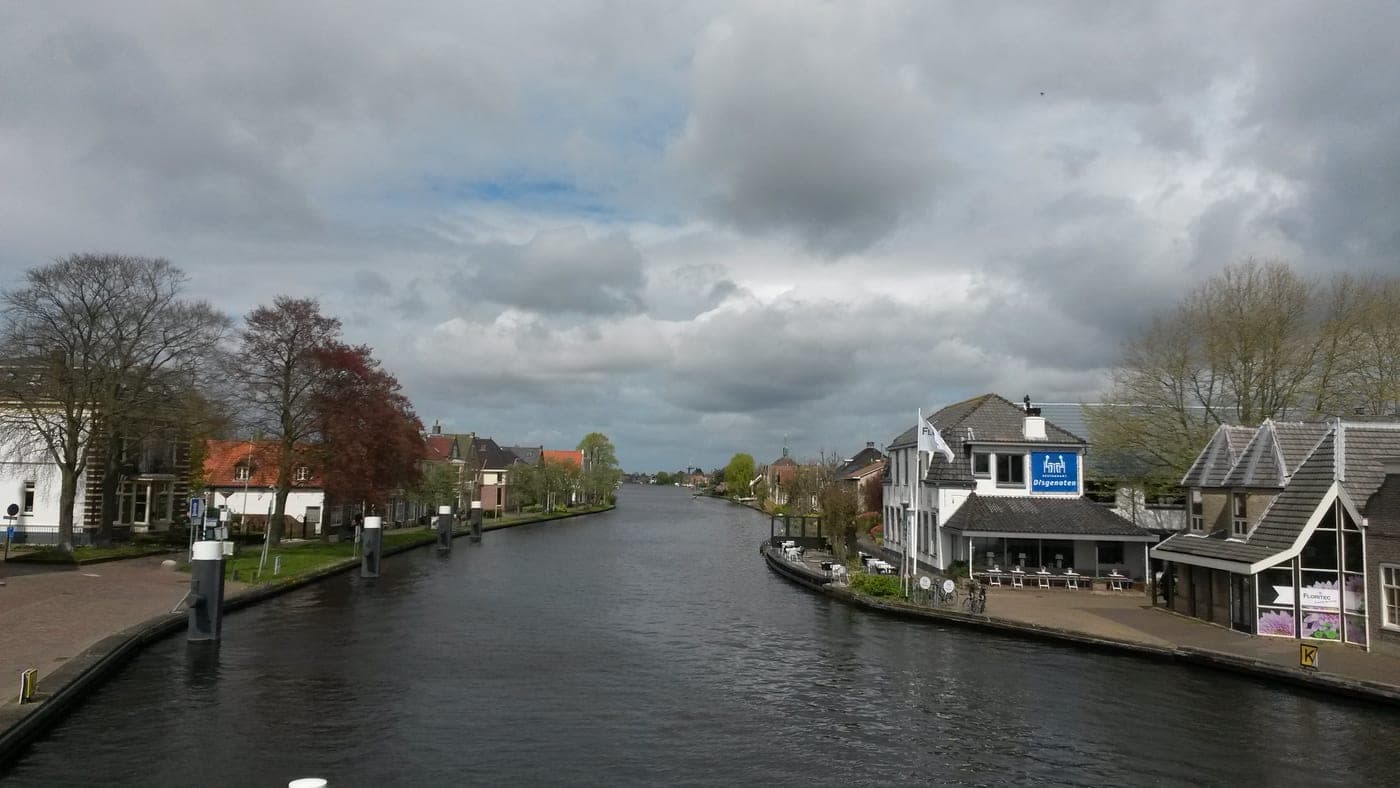 Boat Rentals
Woubrugge
Village known for its historic canals and traditional Dutch houses.
Boat RentalsHiking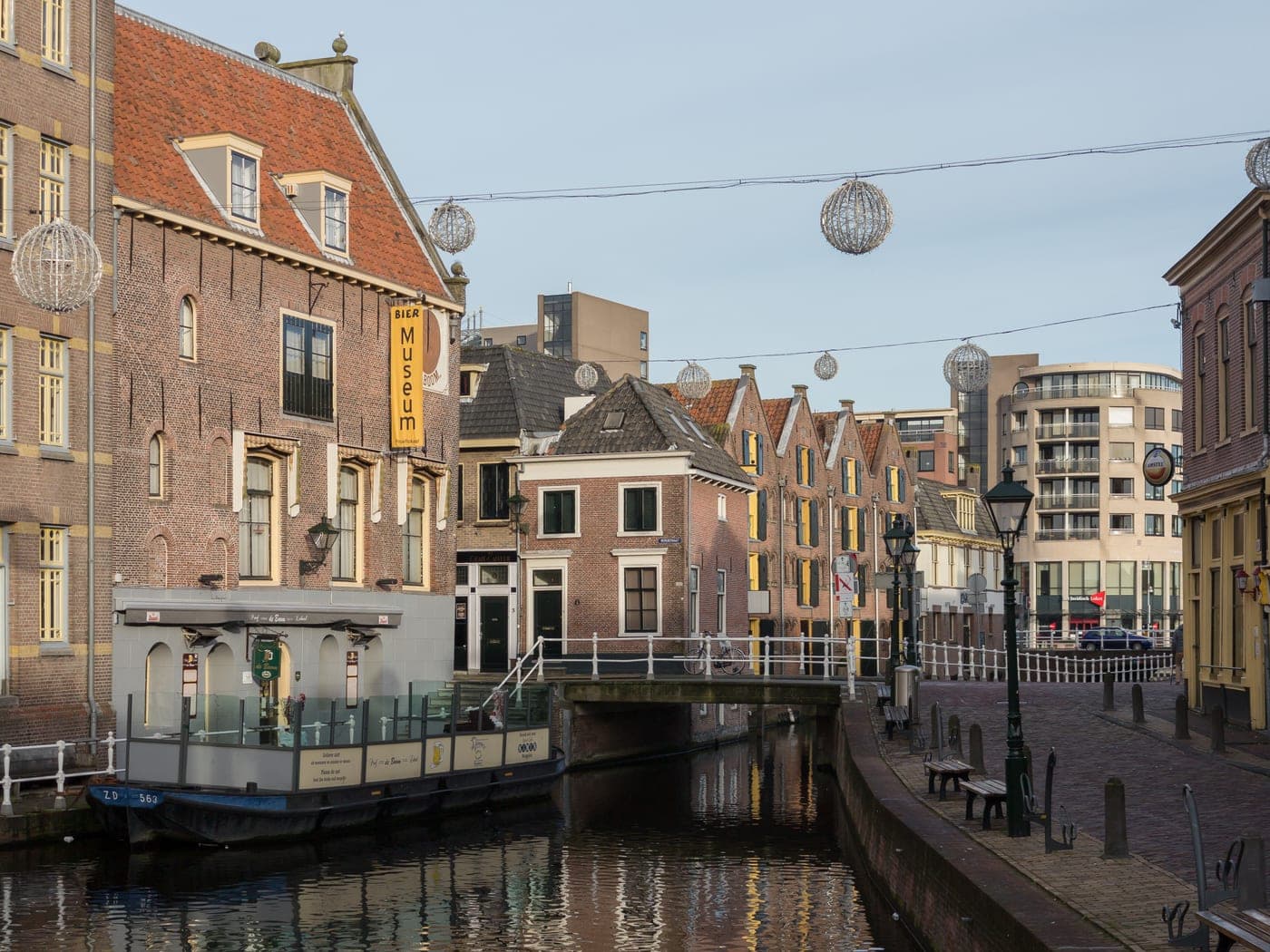 Boat Rentals
Alkmaar
Historic cheese city with boat rentals on canals and nearby waters.
Boat RentalsHiking
3 regions
- Boat Rentals5 destinations
Zuid-Holland
South Holland, the most populous region in the Netherlands, features a blend of urban and rural landscapes. The region's capital, The Hague, is known for its political significance and the stunning Mauritshuis museum, home to masterpieces like Vermeer’s 'Girl with a Pearl Earring.' Rotterdam, a hub for modern architecture, boasts an innovative skyline and vibrant cultural scenes. The coastline, stretching along the North Sea, offers picturesque beach towns like Scheveningen and Kijkduin. Explore the serene countryside dotted with historic windmills and charming villages such as Kinderdijk, famous for its UNESCO-listed windmills. South Holland is also renowned for its tulip fields, particularly in the Bollenstreek area, showcasing the region's floral heritage in spring. This diverse region invites travelers to experience its rich history, local markets, and culinary delights at a leisurely pace.
Boat RentalsHikingCamper Van Rentals  Boat Rentals11 destinations
Noord-Holland
North Holland is a diverse region located in the northwest of the Netherlands, known for its mix of urban and rural landscapes. Amsterdam, the capital, is the only major city, renowned for its canals and museums. Outside the city, the region boasts picturesque villages such as Edam, famous for its cheese, and Volendam, a traditional fishing village. The coastline offers beautiful beaches, particularly in Zandvoort and Bloemendaal, popular for windsurfing and beach walks. North Holland is also home to the UNESCO-listed Wadden Sea, a unique natural habitat. The region's rich history is evident in its historic windmills and vibrant tulip fields that bloom in spring, inviting exploration through serene countryside paths.
Boat RentalsHikingLocal CuisineCamper Van Rentals- Boat Rentals3 destinations
Utrecht
Utrecht, situated in the heart of the Netherlands, is the country's fourth largest city and serves as a historical and cultural hub. The city is renowned for its medieval Old Town, characterized by unique wharf cellars along the canals. These cellars host cafes and shops, creating a vibrant riverside atmosphere. Utrecht boasts the iconic Dom Tower, the tallest church tower in the Netherlands, offering stunning views of the region. The region is also famous for its rich history, evident in its numerous museums and the Utrecht University, one of the oldest in the country. Beyond the city, the surrounding countryside features scenic cycling routes and charming villages like Amersfoort, known for its well-preserved medieval architecture. For those interested in local culture, Utrecht hosts various festivals throughout the year, including the Utrecht Early Music Festival, showcasing its artistic heritage.
Boat RentalsHiking