Beerenburg
Friesland's dark herbal spirit, served cold in a brown café
- Alcoholic
- Local name
- Bearenburch
- Served
- Neat, chilled small glass
- Best eaten at
- A Frisian brown café
- Pairs with
- Dutch cheese and sausage
What it is
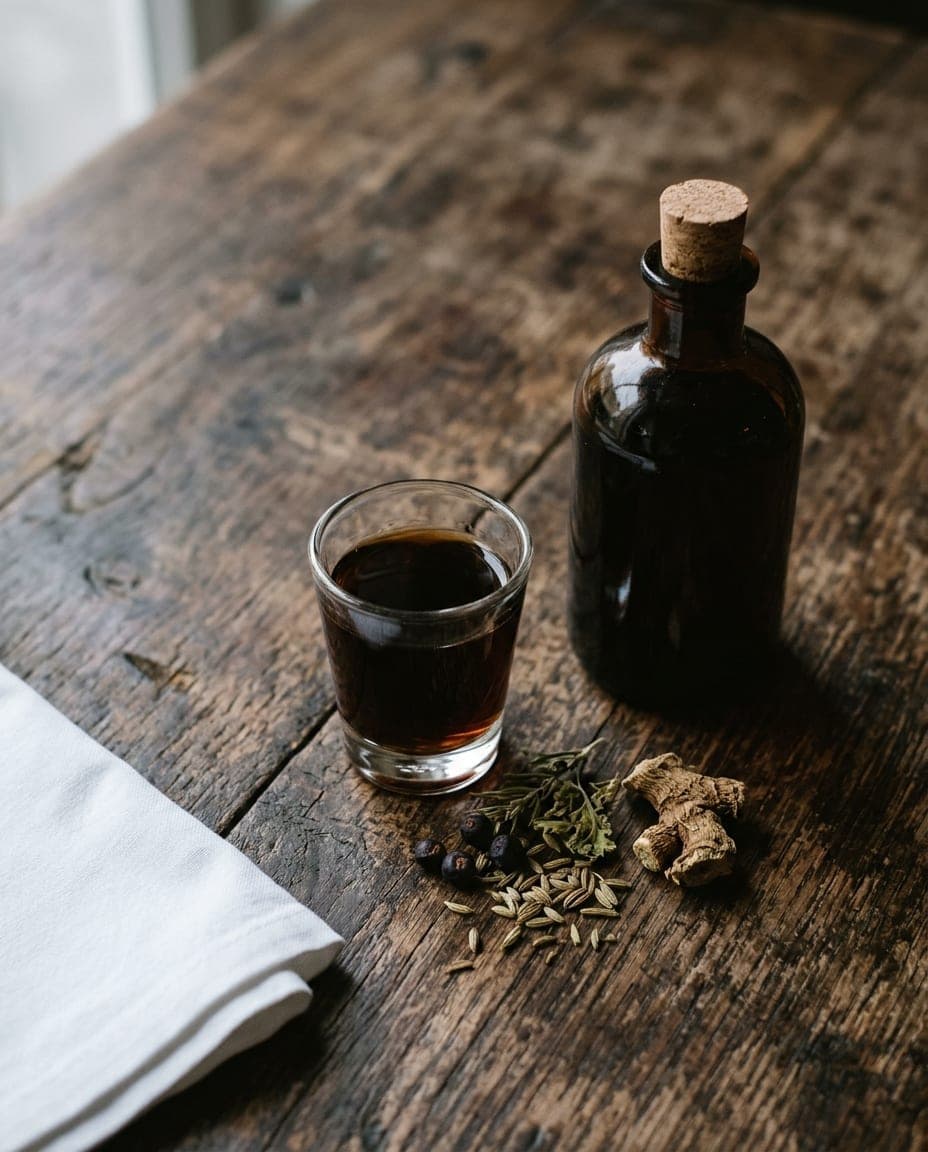
Beerenburg is the defining drink of the Netherlands' northern province of Friesland. It is a herbal spirit, a dark amber liquid that tastes of earth, herbs and juniper, served neat or slightly chilled in a small glass. The drink belongs to the family of jenever, the Dutch genever-style gin, but its character comes from a long infusion of roots and leaves rather than just distilled grains.
In Friesland, the drink is more than a beverage; it is a ritual. It appears on the menu of every traditional brown café, often alongside a cold beer or a glass of water. The liquid is bitter and warming, traditionally consumed during the winter months when the province's lakes freeze for ice-skating tours, or simply as a digestif after a heavy meal.
The name is a surname, not a description: it comes from the Amsterdam herb merchant whose shop sold the blend. It has nothing to do with bears, despite what the spelling suggests to Dutch and English ears alike.
The Frisian connection
Although the recipe was created in Amsterdam, Beerenburg found its permanent home in Friesland. An Amsterdam herb merchant put the blend together in the 18th century, steeping young jenever with roots and leaves and selling it as a tonic. It travelled north and was taken up in Friesland, and to a lesser extent Groningen and Drenthe, where it was kept long after Amsterdam moved on.
While the drink is known across the Netherlands today, its heart remains in Friesland. It is a common order in the brown cafés of towns such as Heerenveen and Sneek. In these establishments, the drink is rarely ordered for its sweetness. Instead, it is valued for its ability to cut through the cold air or the weight of a heavy meal.
The Frisian connection runs deep because the drink was once used as a remedy against the harsh northern climate. Farmers would take a glass before heading out into the frost, and families would share it around the hearth in the evening. Over time, the medicinal purpose faded, but the custom remained, anchoring the drink to the landscape of the north.
What goes into it
Beerenburg is defined by its ingredients, though every producer guards their exact blend. The base is a young jenever, a grain spirit that has not been aged for long, providing a clean canvas for the herbs. This is then steeped with a mixture of roots and leaves that gives the drink its dark colour and complex flavour.
Typical components include:
- Juniper berries, the fruit that gives the spirit its piney backbone.
- Gentian root, which provides the deep, bitter note that defines the drink.
- Bay leaves, adding a subtle aromatic spice.
- Sweet flag (calamus) root, a classic bitter in many recipes.
- Other herbs and spices, such as cardamom, cloves or citrus peel, which vary by producer but add layers of flavour to the mix.
The result is a liquid that is dark as amber, with a viscosity that coats the glass. It is bottled at around 30 per cent alcohol, strong enough to be warming but not so potent that it dominates the palate immediately. The bitterness is the most prominent feature, softened by the grain base and, in some brands, a little sugar.
How to drink it
The custom dictates how Beerenburg is served and consumed. It arrives in a small glass, often chilled or served at room temperature depending on the season and personal preference. The tradition is to drink it neat, without ice or mixers, allowing the full intensity of the herbs to register on the tongue.
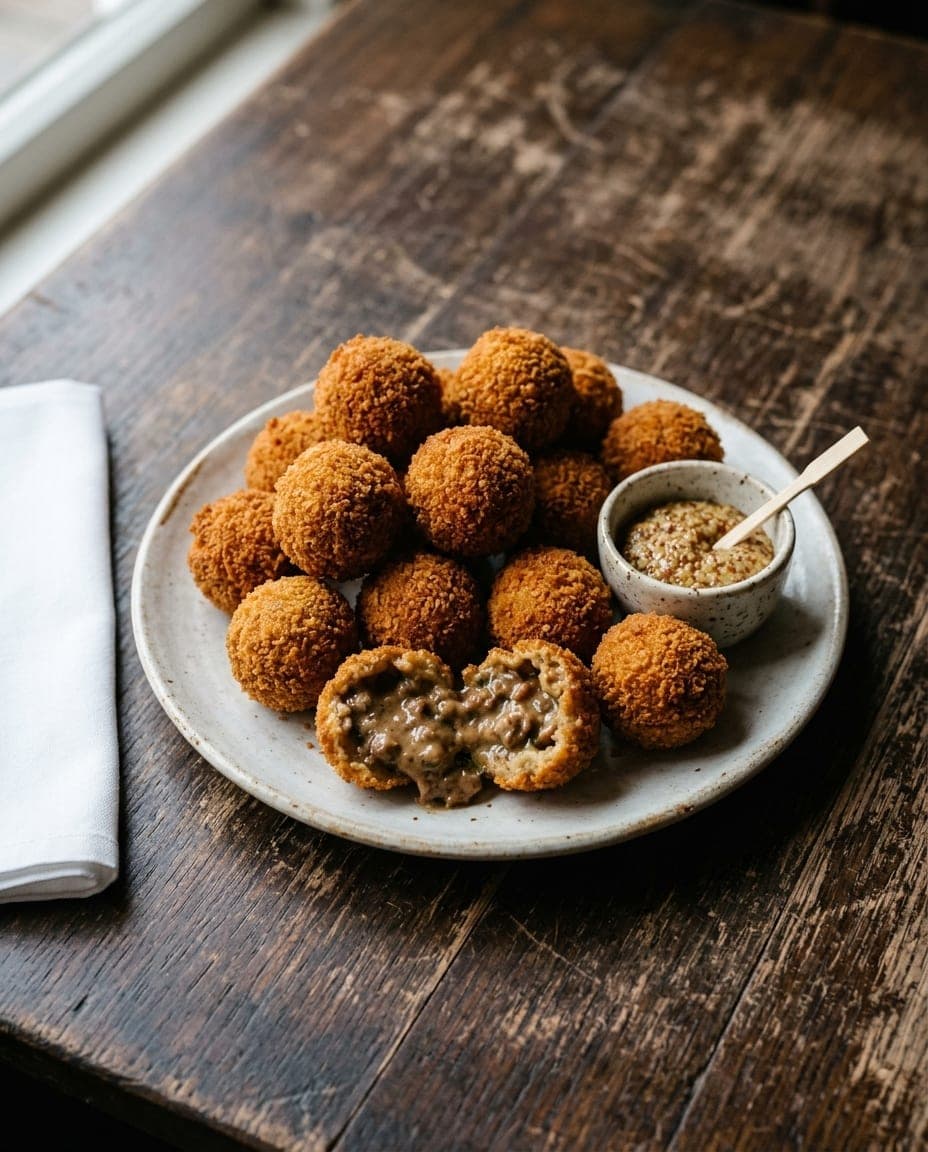
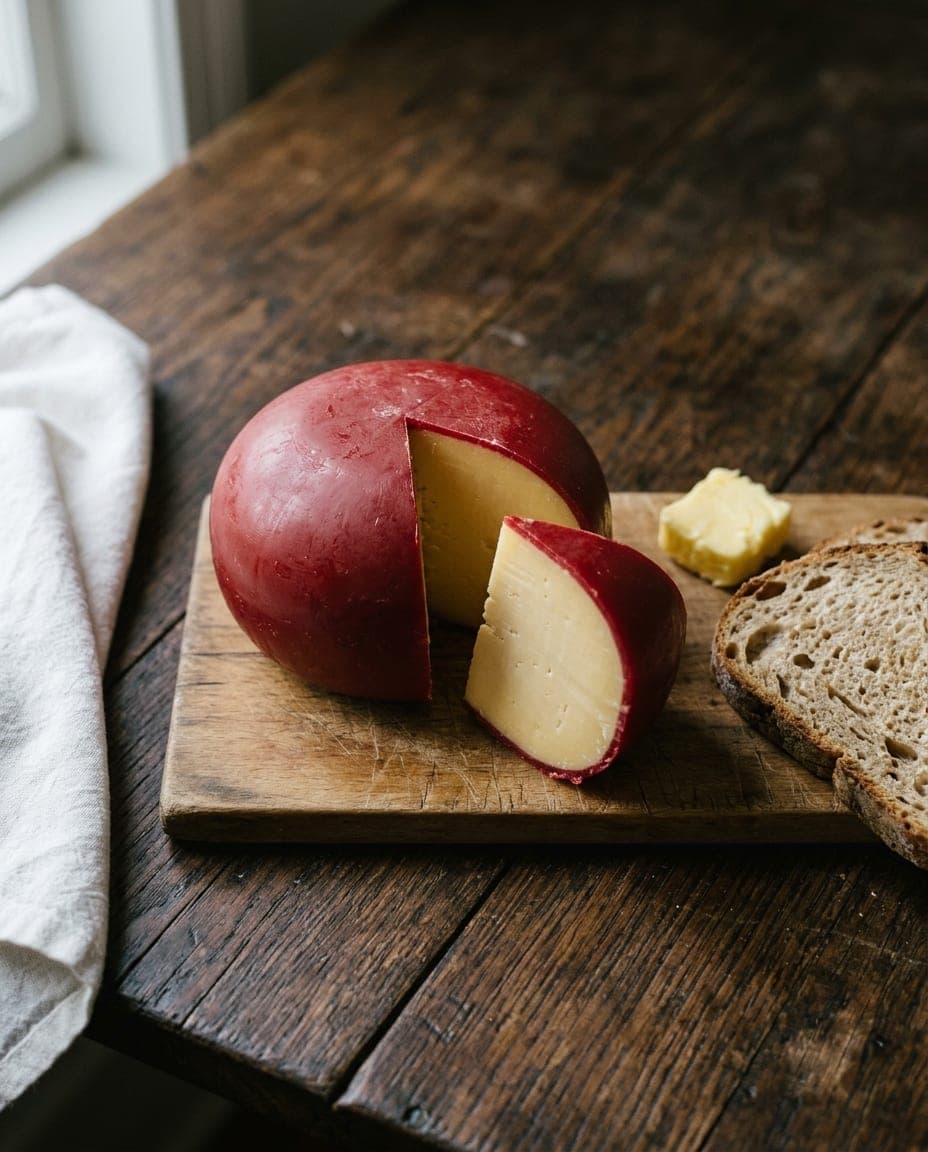
In a Frisian brown café, the drink is rarely ordered alone. It is paired with local food that can stand up to its bitterness. A slice of hard Dutch cheese, such as Edam or Gouda, or a thick slice of cured sausage, provides a salty counterpoint that makes the herbal notes clearer. The combination is practical: the fat and salt from the food soften the edge of the spirit, while the drink cuts the fat of the cheese.
Visitors to Friesland often try the drink during the winter when the province is known for its ice-skating tours. A small glass before or after a day on the frozen lakes is a common sight. The ritual is simple: order the drink, perhaps with a side of cheese, and let the warmth spread through the body.
Curious facts
- The name is a surname. It comes from the Amsterdam herbalist who sold the original blend, not from any bear.
- It started in Amsterdam. The recipe was created by herb merchant Hendrik Beerenburg, who had a shop on the Stromarkt from 1724, before moving north to Friesland, where it became a regional staple.
- A medicinal past. The herb blend was originally sold as a tonic, though this purpose is now historical.
- A winter companion. It is most commonly consumed during the cold months, particularly in connection with ice-skating tours across the Friesland lakes.
- Not a national favourite. While sold throughout the Netherlands, it remains above all a speciality of Friesland and the north. In Frisian it is bearenburch, and many brands spell it Berenburg.
Where to try it
A brown café in Friesland — Heerenveen, Sneek, Leeuwarden — where it is poured as a matter of routine, cold, in a small glass, with a beer beside it.
It is on the shelf of every supermarket and off-licence in the province and in most of the country, and several Frisian distillers make their own version, each with a different herb bill. Winter is its season, and the weeks when the canals freeze and the skating starts are when the most of it is drunk.
Where to try it
2 destinations
 Boat Rentals
Heerenveen
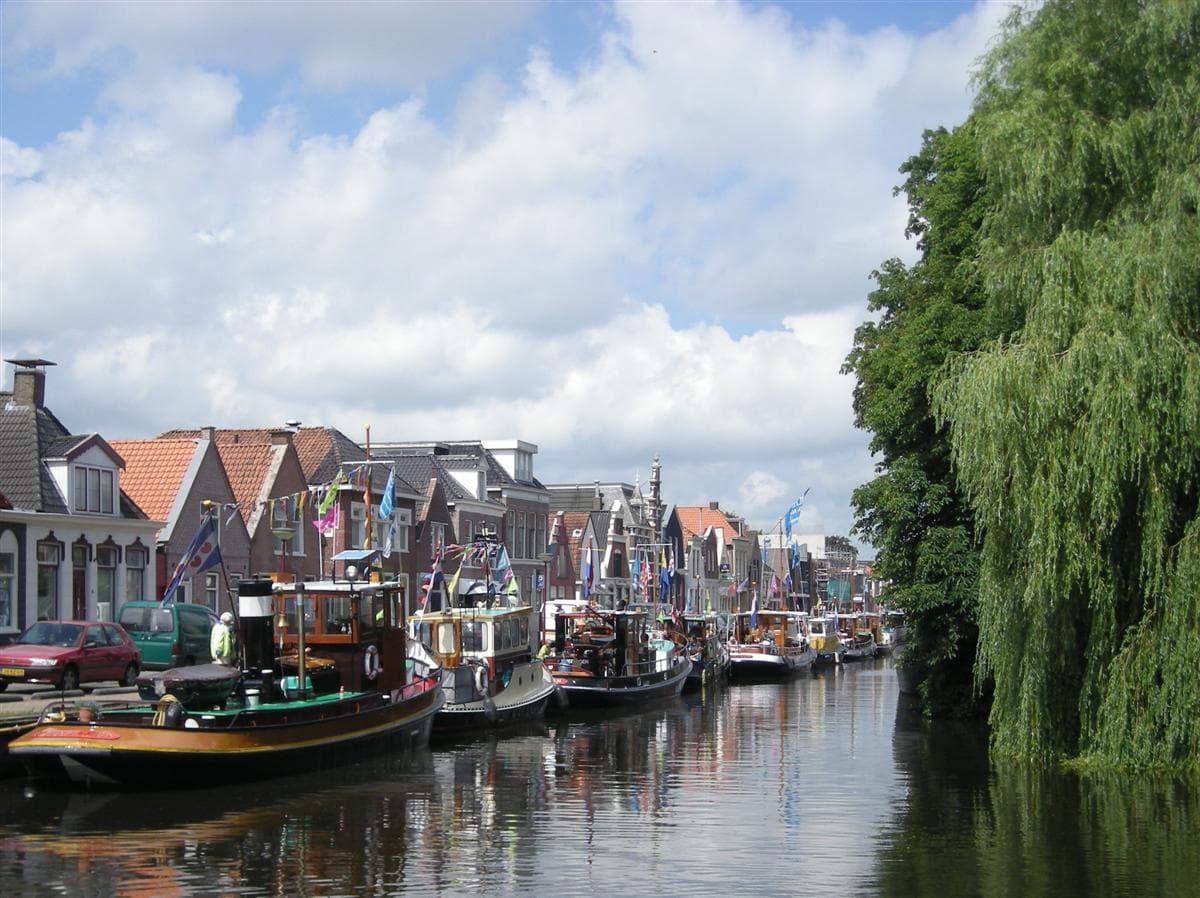
Town in Friesland with boat rentals and access to the lake district.
Boat RentalsHiking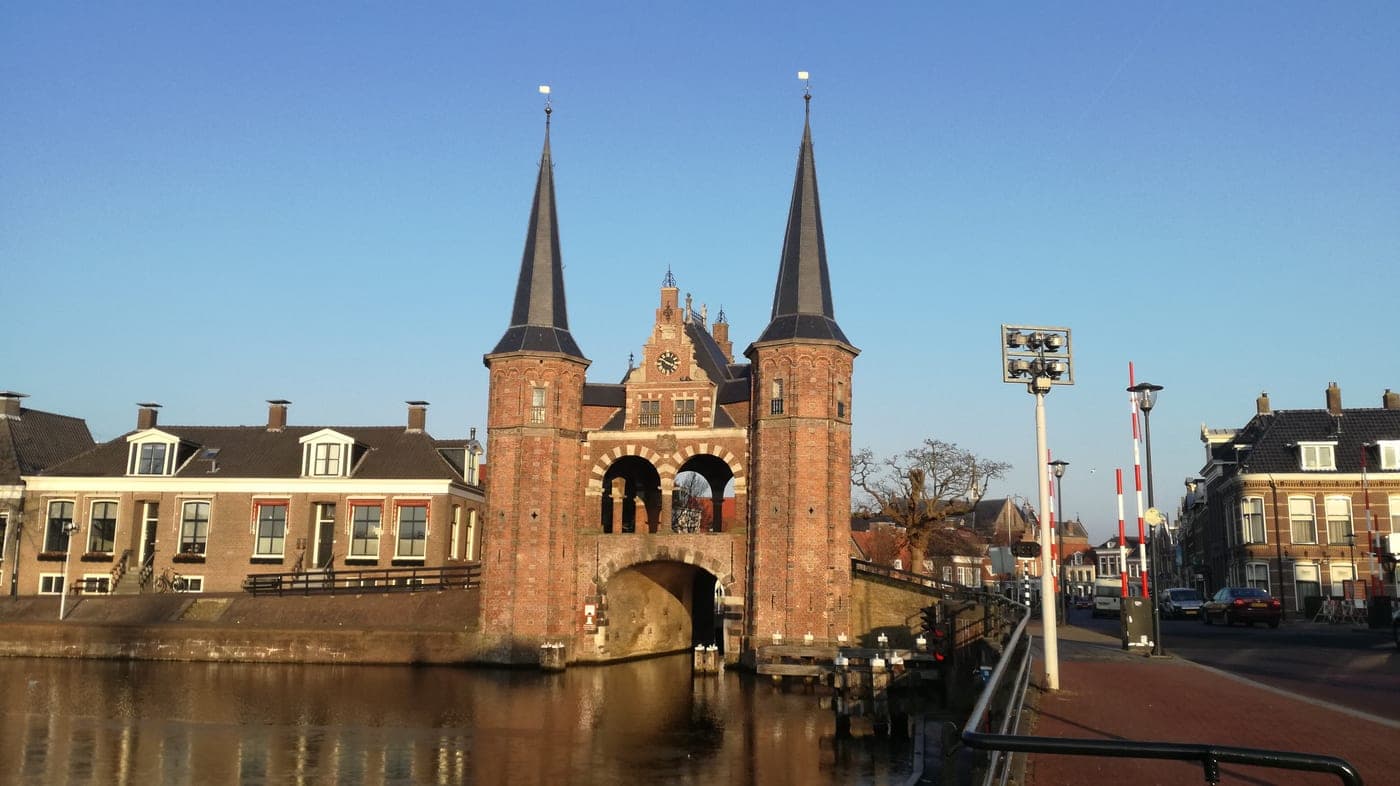 Boat Rentals
Sneek
Major water sports center in Friesland with extensive boat rental facilities.
Boat RentalsHiking
1 region
 Boat Rentals12 destinations
Friesland
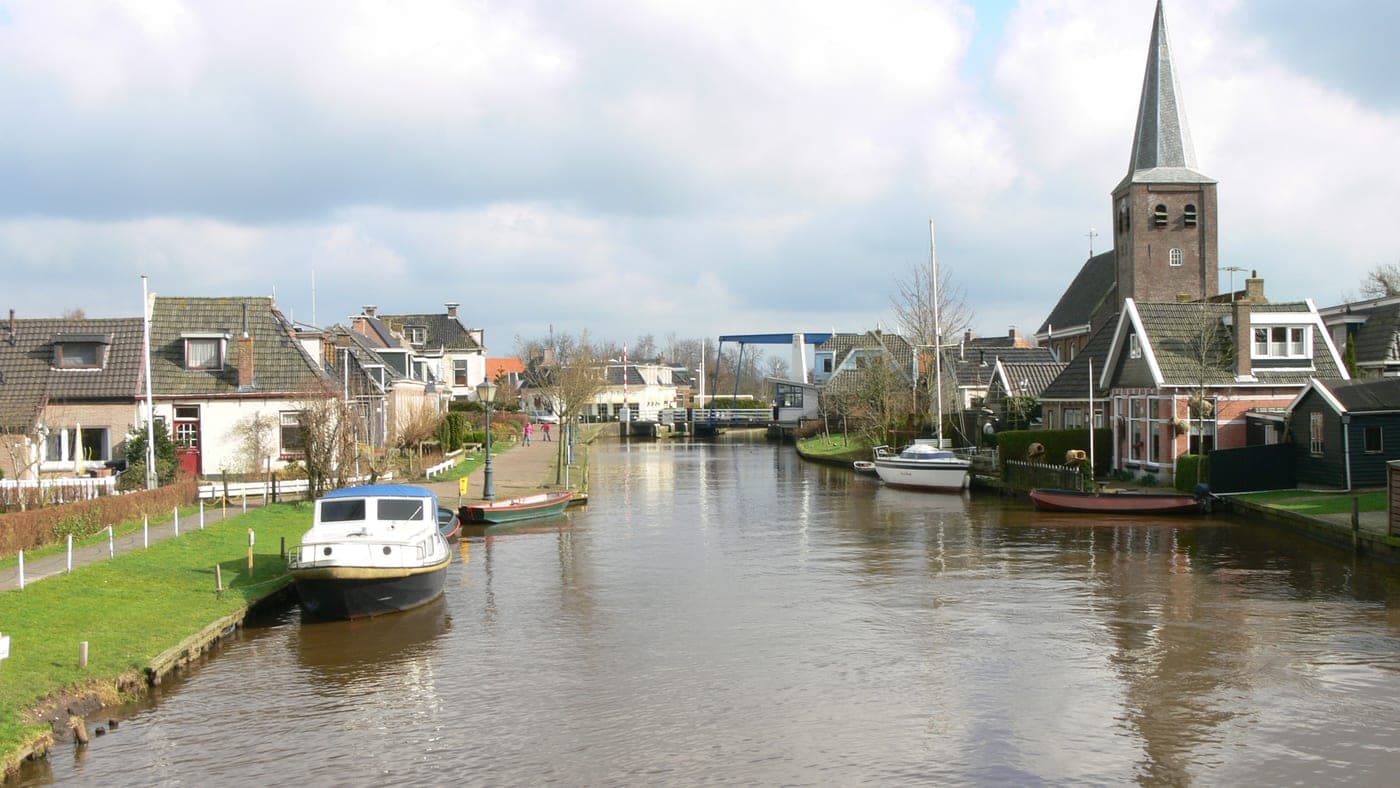
Friesland, known for its lakes and waterways, is the largest province in the Netherlands by area. The region features unique cultural heritage, with the Frisian language recognized alongside Dutch. Leeuwarden, the capital, boasts historical architecture and was a European Capital of Culture in 2018. Small towns like Dokkum and Sneek offer cobbled streets and traditional festivals. Friesland is famous for its dairy products, particularly Frisian cheeses, and the annual Elfstedentocht, a long-distance ice skating tour. Nature lovers can explore the Wadden Sea, a UNESCO World Heritage site, and the expansive Frisian Lakes, ideal for sailing and cycling.
Boat RentalsHiking