Bitterballen
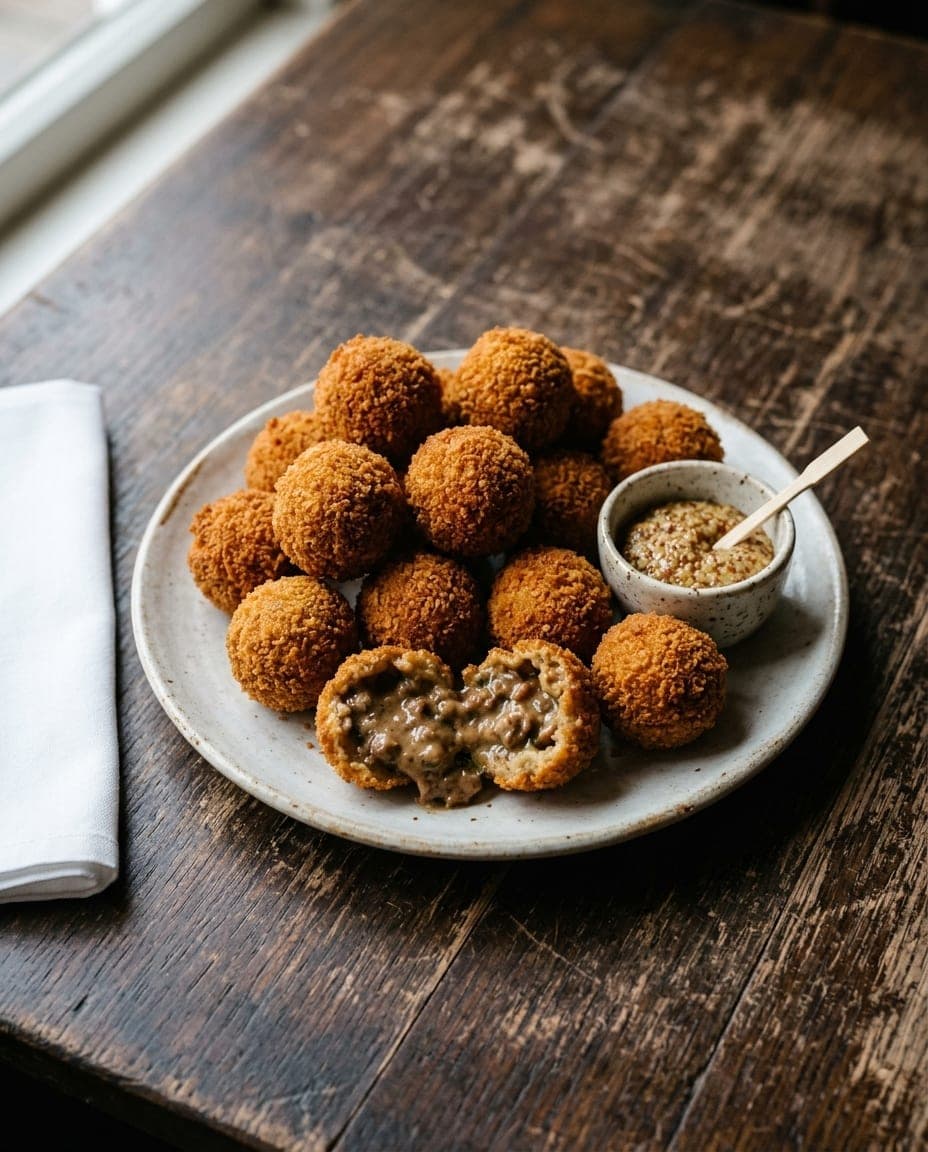
Fried ragout balls, hard crust, liquid heart, with mustard
- Local name
- Bitterballen
- Served with
- Mustard
- Best eaten at
- An Amsterdam bruin café
- Pairs with
- Dutch pilsner
What it is
Bitterballen are small, round snacks made from a thick meat ragout that has been chilled until solid, then rolled in breadcrumbs and deep-fried. They arrive at the table hot, with a crust that snaps when bitten, revealing a soft, liquid filling of beef or veal stew. The texture is unique: the interior is not a solid paste but a deeply savoury sauce that flows out onto the plate. Because the filling remains molten inside the shell, anyone who takes a bite straight away risks burning their mouth.
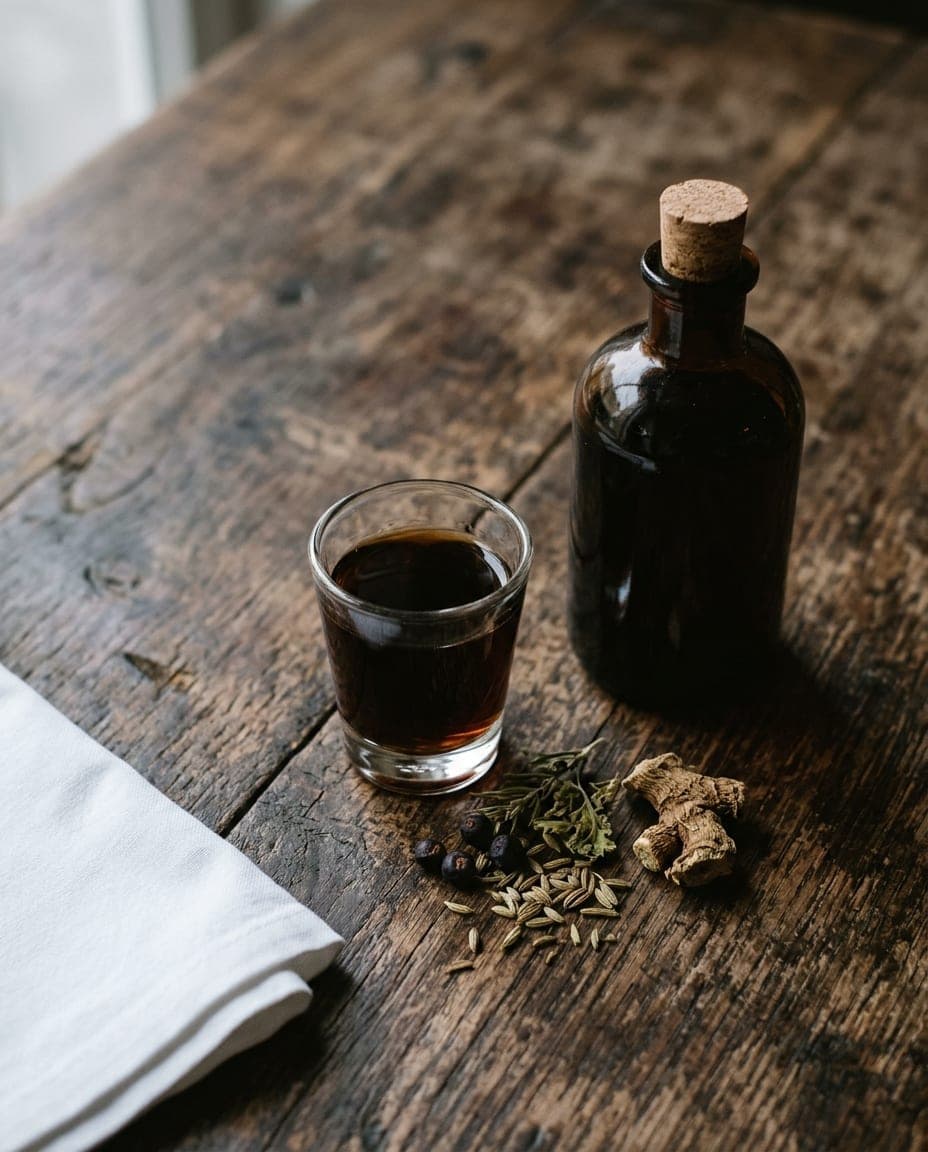
They are eaten across the Netherlands, from the coast to the border regions, but they are most closely associated with the bruin café, a traditional brown bar. The name comes not from the taste of the snack itself, which is savoury and mild, but from the bitters (bittertjes), small glasses of herb-flavoured jenever that were traditionally served alongside them. While jenever is less common now, the habit of pairing the snack with a cold beer remains universal.
The history of the bar snack
The exact origins of the bitterballen are not recorded in any single document. There is no known inventor, nor a specific year when the first batch was fried. Food historians generally agree that the dish evolved from the kroket, a larger version of the same concept. The kroket is generally traced to the French croquette, and in the Netherlands it became cheap, portable food and then bar food.
By the late 19th or early 20th century, the snack had become a fixture in Dutch drinking establishments. The smaller size of the bitterballen made them practical for quick consumption while standing at a bar or sitting in a crowded room. They were designed to be eaten with one hand, allowing the drinker to hold their glass with the other. The tradition of serving them with a bittertje, a small measure of jenever, was common in earlier decades, as the spirit cut the fat of the fried meat.
The bruin café — the brown bar, named for its tobacco-stained walls — is the venue, and the order is as routine as the beer it comes with. Every pub in the country has them, all year.
What goes into it
There is no single official recipe, and every kitchen guards its own version. However, the core components are consistent. The filling begins with a ragout made from beef or veal, sometimes a mix of both. The meat is finely chopped or minced, then cooked slowly in a stock until it breaks down into a soft texture. A heavy roux, a mixture of flour and butter, is added to bind the liquid and thicken the sauce.
Once the ragout has cooled, it becomes a firm mass that can be rolled into balls. These are then coated in breadcrumbs before being deep-fried in hot oil until the outside is golden brown and crisp. The result is a shell that holds a liquid centre. Some versions include onion, parsley or a little nutmeg, but these are kept subtle to avoid overpowering the meat.
The snack is almost always served with mustard. The sharpness of the mustard is there to cut the fat of the crust and the filling together. A cold beer, often a Dutch pilsner, is the standard drink pairing. The bitterness of the hops complements the savoury notes of the ragout.
How it is eaten
Bitterballen are typically served as a snack rather than a meal. They arrive in a small bowl or on a plate, often accompanied by a small dish of mustard for dipping. The custom is to pick one up with the fingers, dip it in the mustard and bite. Because the filling is liquid and comes out of the fryer very hot, the first bite is taken carefully.
They come by the six or the twelve for a table, with one dish of mustard between everyone, and they are ordered in the same breath as the next round of beer.
The mustard used for dipping varies by region and establishment. Some cafés serve a mild yellow mustard, while others offer a spicier brown variety. The choice is usually up to the diner. There is no rule that dictates which type must be used, though the sharpness of the condiment is considered essential to the experience.
The connection to the kroket
The bitterballen and the kroket are siblings in the Dutch culinary tradition. The kroket is larger and oblong, eaten as a substantial snack or on a bread roll. It contains the same ragout filling but is encased in a thicker layer of breadcrumbs and fried for longer. When bitten into, the kroket also reveals a liquid centre, though the ratio of crust to filling differs.
The name bitterballen is sometimes confused with the word "bitter" because of the association with jenever. In reality, the snack itself is not bitter. The term refers to the drink that accompanied it in the past. As the tradition of drinking jenever has faded, the name has remained, serving as a historical marker for the dish.
In modern times, the distinction between the two is clear. The kroket is the staple of snack bars and the supermarket freezer, while the bitterballen are most commonly found in bars. Both rely on the same principle: a savoury meat sauce bound by roux, encased in a crispy shell, and served hot.
Curious facts
- The filling is liquid. The ragout inside is not solid; it flows out when bitten because the fat and stock remain molten even after frying.
- Mustard is essential. The sharpness of the mustard balances the fat of the fried crust and meat, making the combination a standard rule.
- A name from a drink. The word "bitter" refers to the bittertje jenever once served with them, not the taste of the snack itself.
- Bar food only. While available in restaurants, the dish is most authentic when eaten in a bruin café or similar bar setting.
- A year-round staple. Unlike many seasonal dishes, bitterballen are served throughout the year, regardless of the weather.
- A shared European tradition. The concept of fried ragout balls exists in other countries, but the Dutch version is distinct in its specific texture and serving style.
Where to try it
The best place to eat bitterballen is in a bruin café in Amsterdam or any traditional bar across the Netherlands. In Amsterdam, these establishments are scattered throughout the city centre, often near canals or in quiet neighbourhoods. They provide the right atmosphere for the snack: dim lighting, wooden tables, and a focus on conversation and drink.
The village bars of Noord-Holland serve them on the same terms as the city ones; anywhere that sells beer as its main business will have them.
The only technique worth knowing is to bite one in half and wait. The filling comes out of the fryer at a temperature that does not drop for a surprisingly long time, and every Dutch person has burned their mouth on one.
Where to try it
2 destinations
 Camper Van Rentals
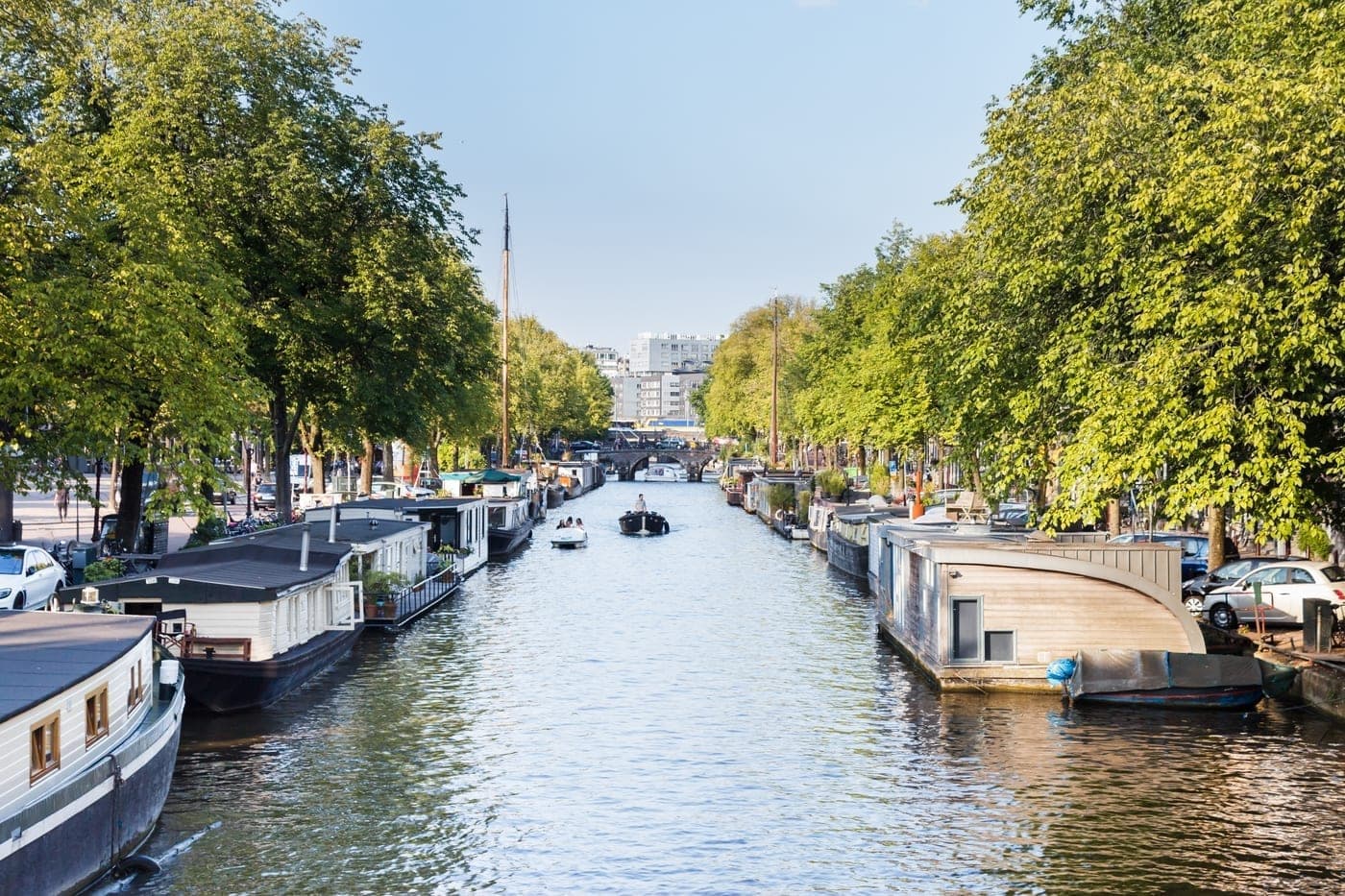
Amsterdam
Canal-ringed capital with UNESCO waterways, cycling culture, and museums
Camper Van RentalsHiking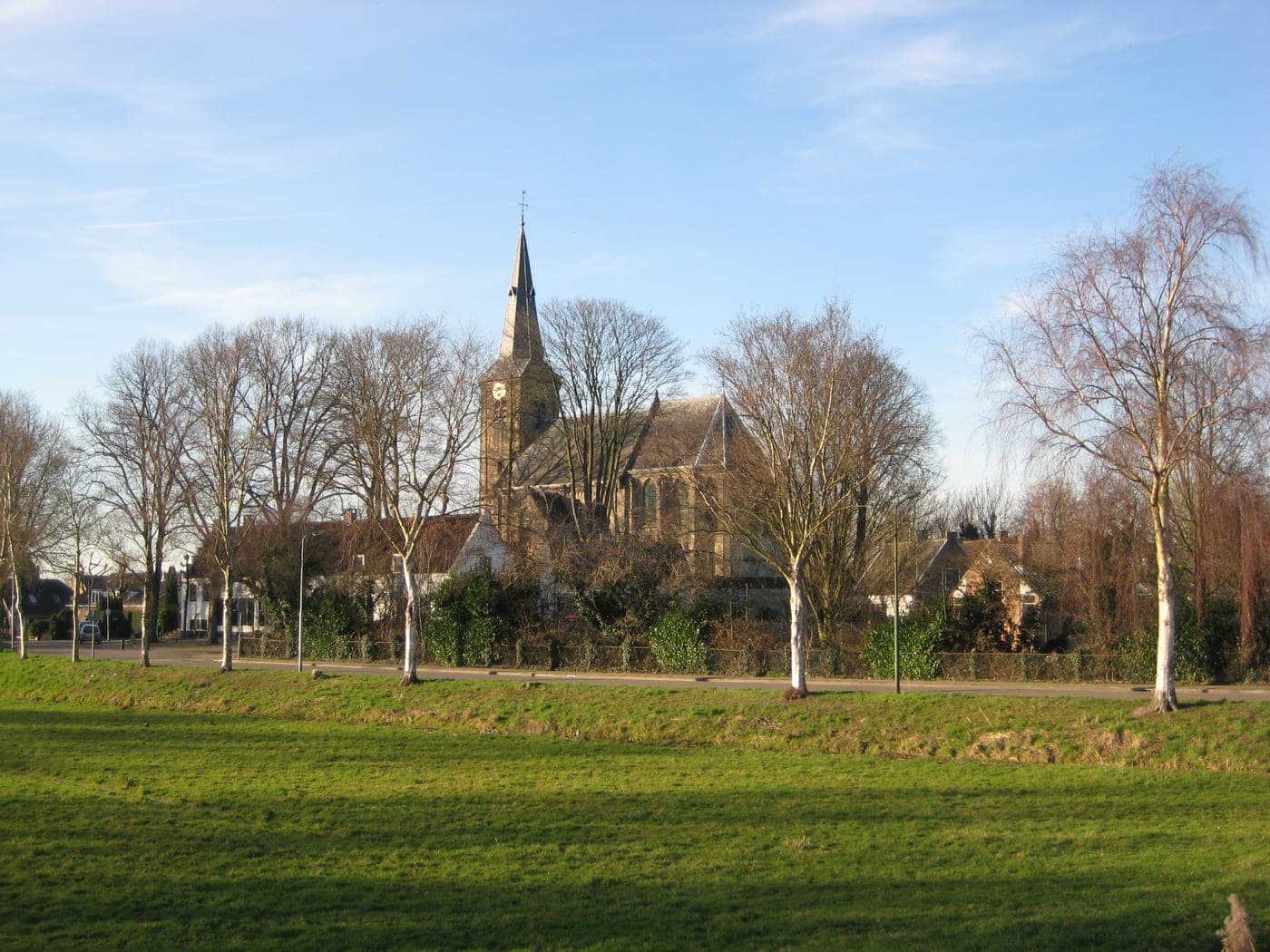 Boat Rentals
Nederhorst den Berg
Village on the Vecht River with boat rentals and castle views.
Boat RentalsHiking
1 region
 Boat Rentals11 destinations
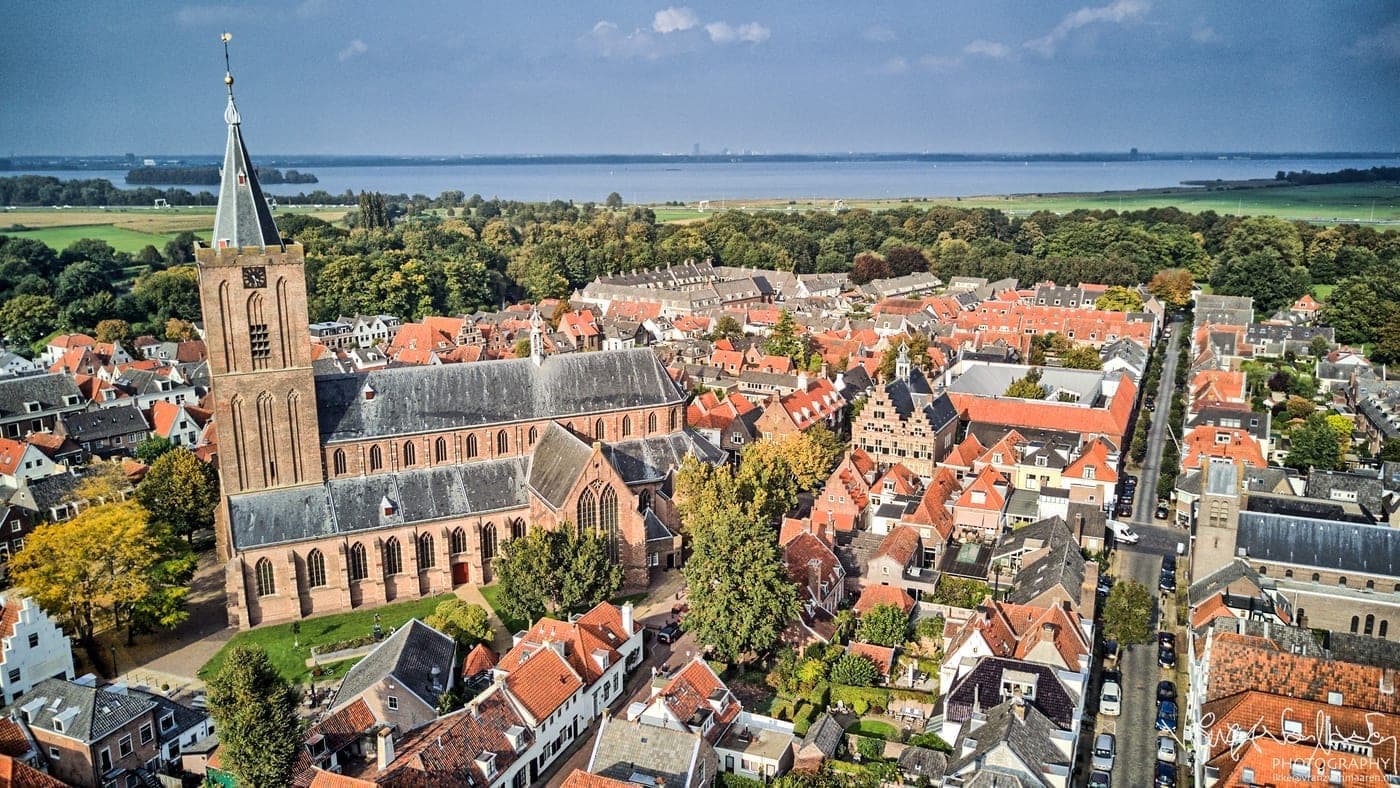
Noord-Holland
North Holland is a diverse region located in the northwest of the Netherlands, known for its mix of urban and rural landscapes. Amsterdam, the capital, is the only major city, renowned for its canals and museums. Outside the city, the region boasts picturesque villages such as Edam, famous for its cheese, and Volendam, a traditional fishing village. The coastline offers beautiful beaches, particularly in Zandvoort and Bloemendaal, popular for windsurfing and beach walks. North Holland is also home to the UNESCO-listed Wadden Sea, a unique natural habitat. The region's rich history is evident in its historic windmills and vibrant tulip fields that bloom in spring, inviting exploration through serene countryside paths.
Boat RentalsHikingLocal CuisineCamper Van Rentals