Edam
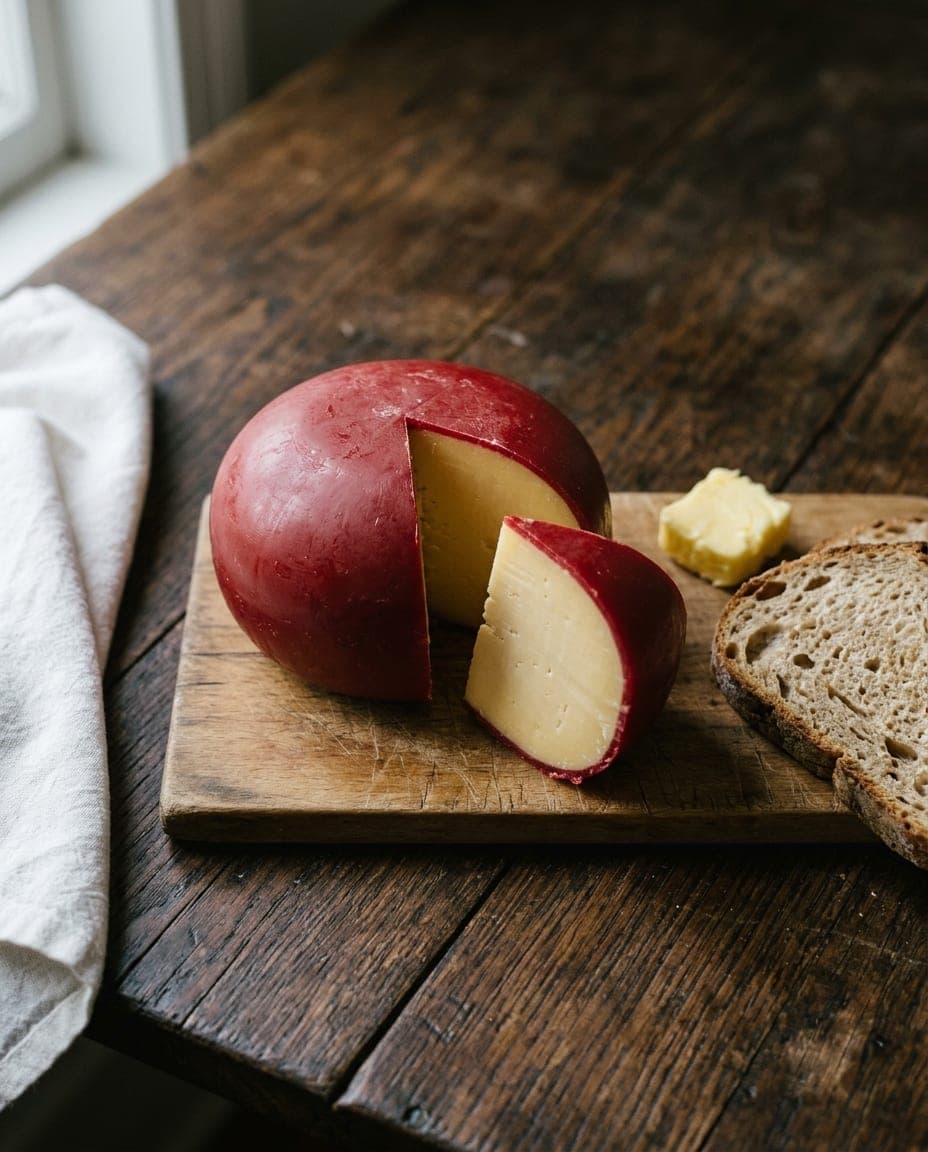
Mild red-waxed ball from Edam, Netherlands
- Vegetarian
- Local name
- Edammer
- Served with
- Bread, butter
- Best eaten at
- Edam's summer cheese market
- Pairs with
- Dutch beer
What it is
Edam, or Edammer as it is known locally, is a semi-hard cheese made from cow's milk in the Netherlands. It takes the form of a smooth sphere, usually coated in a bright red layer of wax. The cheese originates from the town of Edam in the province of Noord-Holland, though it has become one of the most recognised Dutch products across the globe.
The texture is firm yet yielding, offering a clean, milky taste when young that deepens into a nuttier, slightly sharper profile as it matures. It is generally milder than its neighbour Gouda and contains less fat, making it a light option for those who prefer cheese without overwhelming richness. The red coating is mainly an export finish: it protects the cheese from drying out and mould, and is a familiar sight on shelves from Stockholm to New York, while in the Netherlands Edam is often sold with its natural rind.
The history of the round wheel
The story of Edam is tied closely to the rise of Dutch maritime trade. Edam was granted city rights in the 14th century and grew into a busy port on the Zuiderzee, the inland sea that has since been dammed and turned to fresh water. The cheese became a staple of the local economy because it could be produced in large quantities and stored for long periods without spoiling. The small round cheeses, originally about 1.7 kilograms, travelled well from farm to market, and they hardened rather than spoiled on long voyages.
From the 14th to the 18th century, Edam was one of the most widely traded cheeses in the world. Dutch merchants carried it to the Americas, Asia and Africa, where it became a favourite among sailors and colonists for its durability. The red paraffin coating familiar today is a later development, used above all on export cheeses to protect them and make them stand out on the shelf.
The bare word Edam is not protected and the cheese is made all over the world. Edam Holland has been a protected geographical indication since 2010 and covers cheeses made in the Netherlands to the set method; that is the distinction to read on a label.
The cheese market tradition
The most famous event associated with Edam is the traditional cheese market held on Wednesday mornings in July and August. This gathering takes place on the Jan van Nieuwenhuizenplein, by the 18th-century cheese weigh house, and serves as a re-enactment of the historic trade that once defined the town's economy. Cheese arrives by boat, and carriers, known as kaasdragers, dressed in white, trot it across the square on wooden hand-barrows to be weighed and traded.
The ceremony involves the weighing of the cheese using traditional wooden scales. Once weighed, the buyers inspect the wheels and negotiate a price before the transaction is completed. The real trade ended long ago; cheese stopped arriving by water in 1922. Today, the market is a cultural performance that draws thousands of tourists each summer.
The market does not operate year-round. It runs from early July until mid or late August, with specific dates announced each season.
What goes into it
The ingredients in an authentic Edam are straightforward, reflecting the simplicity of traditional dairy farming. The cheese is made from cow's milk, which is typically pasteurised before processing to ensure consistency and safety. A starter culture develops the characteristic mild flavour, and rennet, traditionally animal rennet, sets the milk into curd.
The curds are then cut, heated and pressed into round moulds, and the cheese is brined to season and preserve it, before being aged for a period that can range from a few weeks to several months. Young Edam is mild and creamy, with a soft texture that melts easily. As the cheese ages, it becomes firmer and the flavour develops a subtle nuttiness, though it rarely reaches the intensity of aged Gouda or Leidse kaas.
The red coating is applied after the cheese has been formed and dried. It serves as a protective barrier against air and moisture, allowing the cheese to age slowly and evenly. While the wax is removed before eating, it remains a key part of the visual identity of the product. Some producers also offer Edam without the red coating, usually in a natural rind or wrapped in plastic, but the red version remains the best-known.
How to eat it
Edam is versatile and pairs well with simple accompaniments that highlight its clean flavour. It is traditionally served with slices of fresh bread and a small amount of butter, allowing the cheese's mild notes to shine without competition. The combination is common in Dutch households and is often enjoyed as part of a light lunch or a casual snack.
The cheese is also excellent when paired with local beer, particularly the crisp lagers brewed in the Netherlands. The carbonation and slight bitterness of the beer cuts the fat of the cheese, creating a balanced tasting experience. In summer, it is common to enjoy Edam alongside fresh vegetables or fruit, such as apples or pears, which complement its mild sweetness.
The summer market, with the cheese shops around the square, is the obvious place to buy a piece close to the source.
Curious facts
- The wax is for export. The red coating is mainly used on cheese sent abroad, protecting it in transit as much as making it look pretty.
- Carriers, not wheels. During the summer market, carriers in white trot the cheeses across the square on wooden hand-barrows, re-enacting a centuries-old practice.
- It is lighter than Gouda. Edam contains less fat than Gouda, making it a milder and less heavy option for diners.
- The name is only partly protected. Anyone may sell a cheese called Edam; only Dutch-made wheels to the standard may be called Edam Holland.
- A summer event only. The traditional market takes place only in July and August, on Wednesday mornings.
- Not vegetarian by default. Traditional Edam is made with animal rennet; look for a vegetarian label if it matters.
Where to try it
The best place to experience authentic Edam is in the town of Edam itself, where the history and the product are most closely linked. Visitors can find fresh wheels at local farms or small dairies in the surrounding countryside of Noord-Holland. The summer cheese market offers a unique opportunity to taste the cheese as it was historically sold, with the full context of the tradition.
The nearby town of Alkmaar also has a strong connection to Dutch cheese culture and hosts its own famous market, where Edam is often available alongside other regional varieties. For those staying in Amsterdam, local delicatessens and cheese shops frequently stock high-quality Edam from Noord-Holland producers. A trip to the region in summer allows visitors to see the landscape where the cows graze and understand the roots of the cheese's reputation.
Where to try it
2 destinations
 Boat Rentals
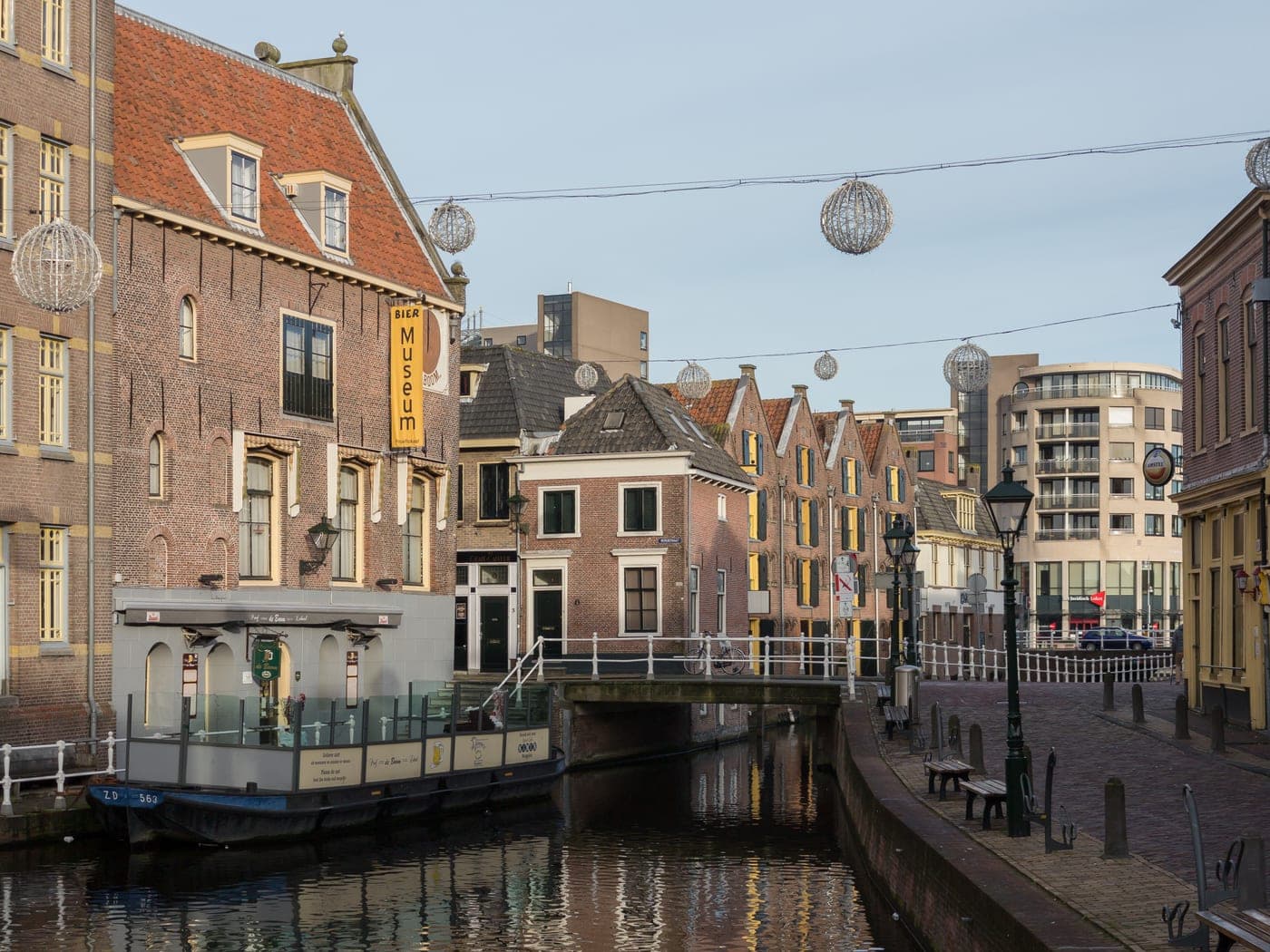
Alkmaar
Historic cheese city with boat rentals on canals and nearby waters.
Boat RentalsHiking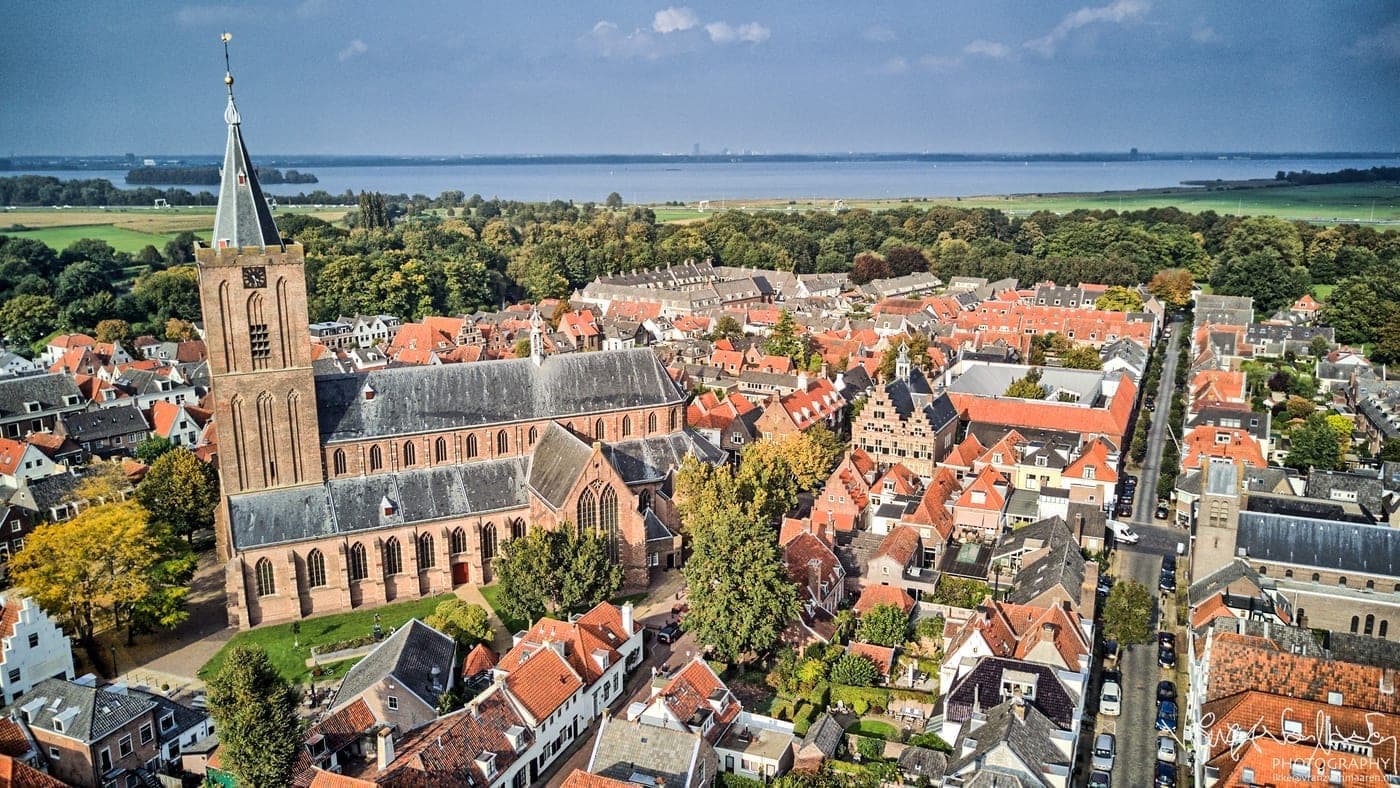 Boat Rentals
Naarden
Perfectly preserved star fortress with geometric bastions and moats
Boat RentalsHikingLocal Cuisine
1 region
- Boat Rentals11 destinations
Noord-Holland
North Holland is a diverse region located in the northwest of the Netherlands, known for its mix of urban and rural landscapes. Amsterdam, the capital, is the only major city, renowned for its canals and museums. Outside the city, the region boasts picturesque villages such as Edam, famous for its cheese, and Volendam, a traditional fishing village. The coastline offers beautiful beaches, particularly in Zandvoort and Bloemendaal, popular for windsurfing and beach walks. North Holland is also home to the UNESCO-listed Wadden Sea, a unique natural habitat. The region's rich history is evident in its historic windmills and vibrant tulip fields that bloom in spring, inviting exploration through serene countryside paths.
Boat RentalsHikingLocal CuisineCamper Van Rentals