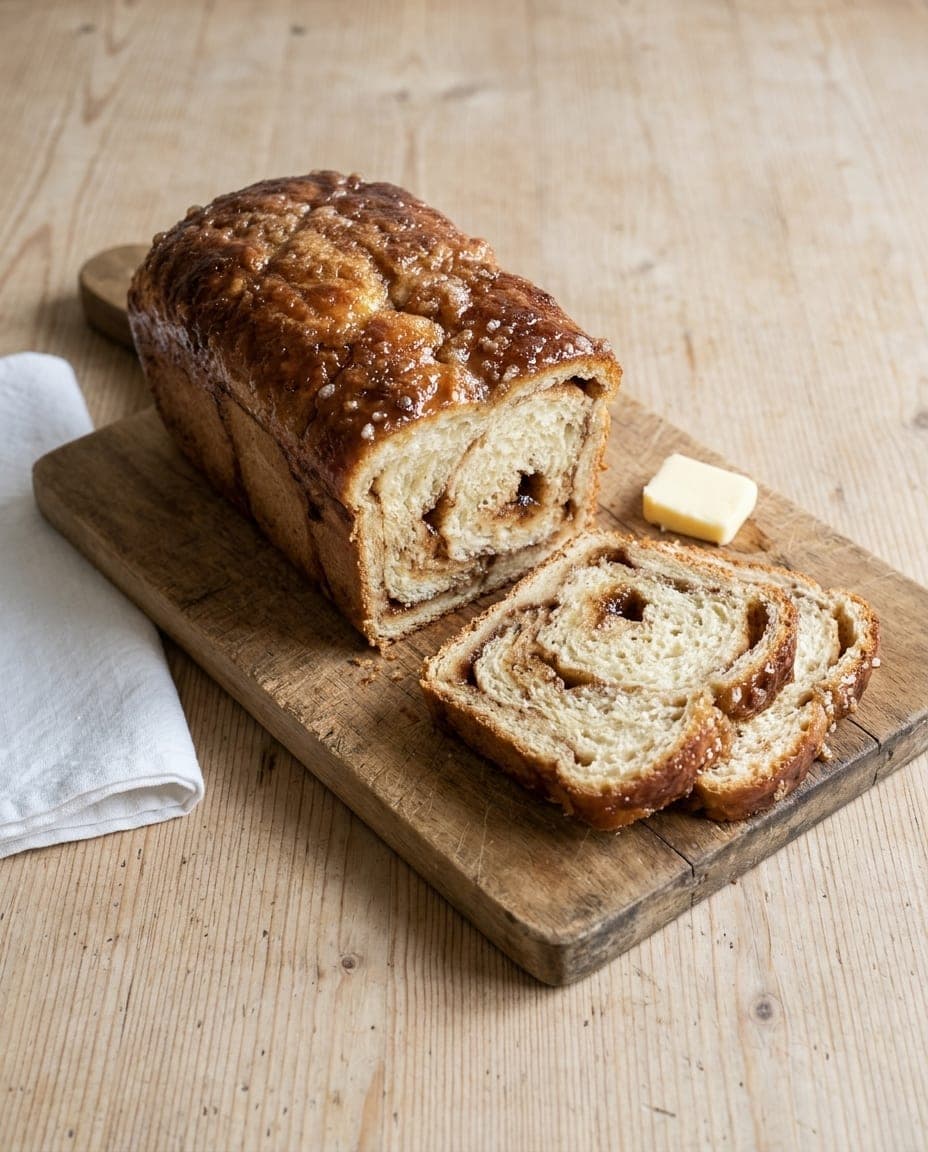
Brabants worstenbroodje
A spiced pork roll baked inside soft bread dough from Brabant
- Local name
- Brabants worstenbroodje
- Best eaten at
- A Brabant bakery
What it is
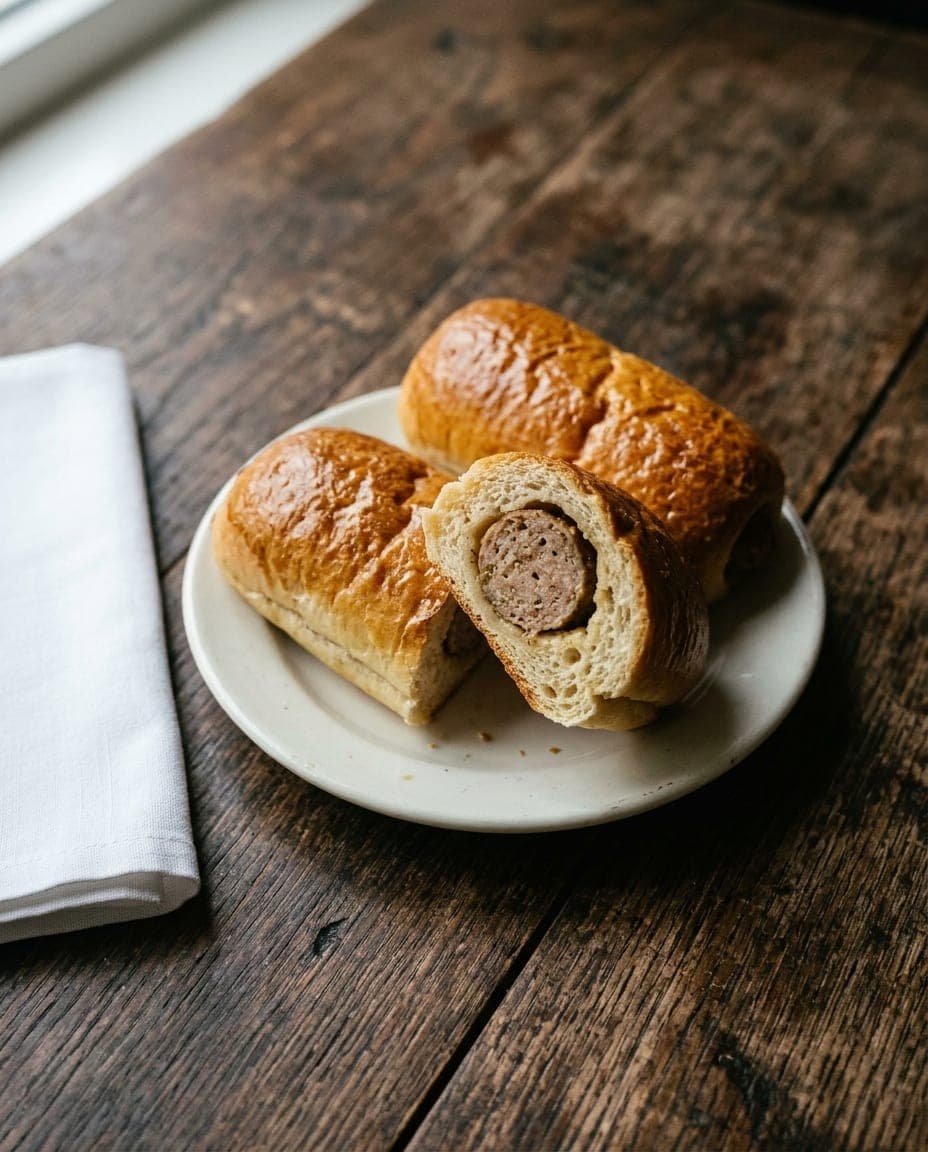
The Brabants worstenbroodje is a substantial savoury bread roll from the southern province of Noord-Brabant. It consists of a filling of spiced minced pork encased in a soft, yeasted bread dough rather than a pastry crust. The result is a heavy, warm roll that feels more like a loaf with a pocket than a light snack. While sausage rolls appear across Europe, this version distinguishes itself through the texture of its casing and the specific seasoning of its meat.
The name translates directly to "Brabant sausage bread roll". It is not a generic item found in every Dutch bakery but a regional speciality tied closely to the identity of Brabant. In 2016 the culture around it was added to the Dutch inventory of intangible cultural heritage. The name itself has no EU protection, but the listing marks the roll as a tradition distinct from other sausage-based pastries found elsewhere in the Netherlands or abroad.
Where it comes from
The dish belongs firmly to Noord-Brabant, the southern, historically Catholic province of the Netherlands. It is not a nationwide staple in the way a plain white roll might be, but rather a local pride that defines the culinary landscape of the region. The bread is deeply linked to the trade of the local bakeries, where it has been a standard offering for generations.
Its strongest associations are with carnival, held in February or early March before Lent, and with Christmas night, when it was traditionally eaten after Midnight Mass. During this time, the Brabants worstenbroodje becomes a favourite treat, often sold in large quantities as people celebrate in the streets. The timing is significant, as the tradition of eating rich foods before the fasting period aligns with the hearty nature of the roll. Outside of carnival season, it remains a staple on the counters of Brabant bakeries, available year-round for those who seek it out.
The dish is known across the whole province. While the specific origins of the recipe are not recorded in a single document, the method reflects the agricultural history of the area: wrapping meat from the home slaughter in dough and baking it was a practical way to keep and stretch it.
What goes into it
The construction of the roll is simple but specific, relying on the quality of its two main components: the dough and the meat. There is no single official recipe that every baker must follow, yet the core elements remain consistent across the province.
- The filling: Usually lean minced pork, seasoned with salt, pepper, nutmeg and whatever else the baker or butcher favours. The spices are chosen to complement the fat of the meat without overpowering it. Some bakers add a small amount of onion for depth, but the focus remains on the spice profile.
- The dough: A soft, yeasted bread dough that rises to create a light, airy texture around the dense meat. It is not a puff pastry or a shortcrust, which gives the roll its characteristic chewiness and heft. The dough acts as an insulating layer, allowing the meat to cook slowly in its own juices.
The final product is a substantial item that can serve as a full meal rather than a side dish. The bread casing absorbs the juices from the pork during baking, creating a moist interior that contrasts with the slightly crisp exterior of the roll. The meat is the point; the bread is the wrapper and the plate at once.
How it is eaten
The Brabants worstenbroodje is best enjoyed warm, fresh from the oven. The heat softens the dough further and releases the aroma of the spiced pork, making it an ideal choice for a morning breakfast or a mid-afternoon snack. It is rarely served cold, as the texture changes significantly once the fats in the meat solidify.
Bakers typically sell the rolls on their own, sometimes wrapped in paper to keep them warm. They are eaten by hand, straight from the bag. The softness of the bread makes it easy to tear apart, revealing the steamy filling inside.
Brabant bakeries sell them on the counter beside the cheese and onion rolls, warm, from early in the morning. They are bought one at a time and eaten within a few minutes, usually standing.
Curious facts
- Official heritage. Since March 2016 the Brabants worstenbroodje has been on the Dutch inventory of intangible cultural heritage, and an annual competition for the best one has run since 1995.
- A carnival staple. While available all year, the roll sees a surge in popularity during the carnival season, when it becomes a favourite treat for festival-goers across the region.
- Bread, not pastry. Unlike many other sausage rolls found in Europe or North America, this dish uses a yeasted bread dough rather than a flaky or shortcrust pastry, giving it a softer, chewier texture.
- A regional identity. The dish is not common outside Noord-Brabant and is often cited as a symbol of local pride for residents of the southern province.
- A breakfast item. In Brabant it is eaten in the morning as often as at any other hour, which surprises visitors who expect a sausage roll to be lunch.
Where to try it
To experience the Brabants worstenbroodje in its true form, one must visit a local bakery in Noord-Brabant. The dish is not widely available in international chains or bakeries outside the province. A visit to the region offers the chance to see the rolls fresh from the oven, usually sold individually in paper bags.
Every town in the province has bakeries making them, from Breda and Tilburg to Eindhoven and the villages in between. The spice blend and the thickness of the dough shift from one bakkerij to the next, and that is the whole variation.
Supermarkets across the Netherlands sell a packaged version. It is not the same thing, and in Brabant it is not what anyone means by the word.
Where to try it
2 destinations
 Boat Rentals
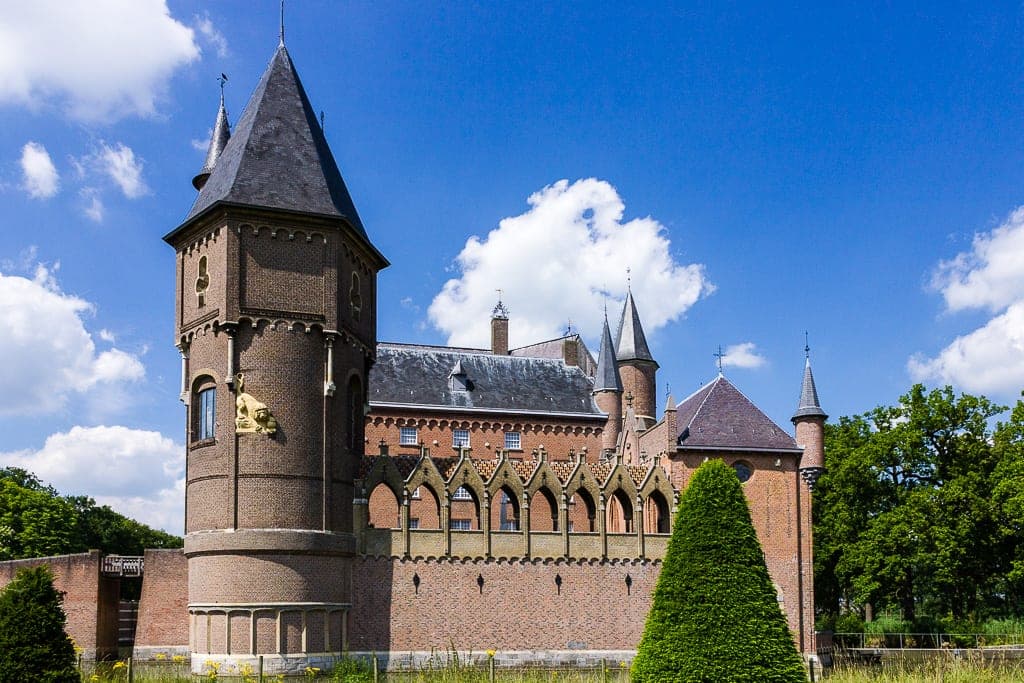
Biesbosch
Stunning freshwater tidal wetland nature reserve with boat rentals for wildlife exploration.
Boat Rentals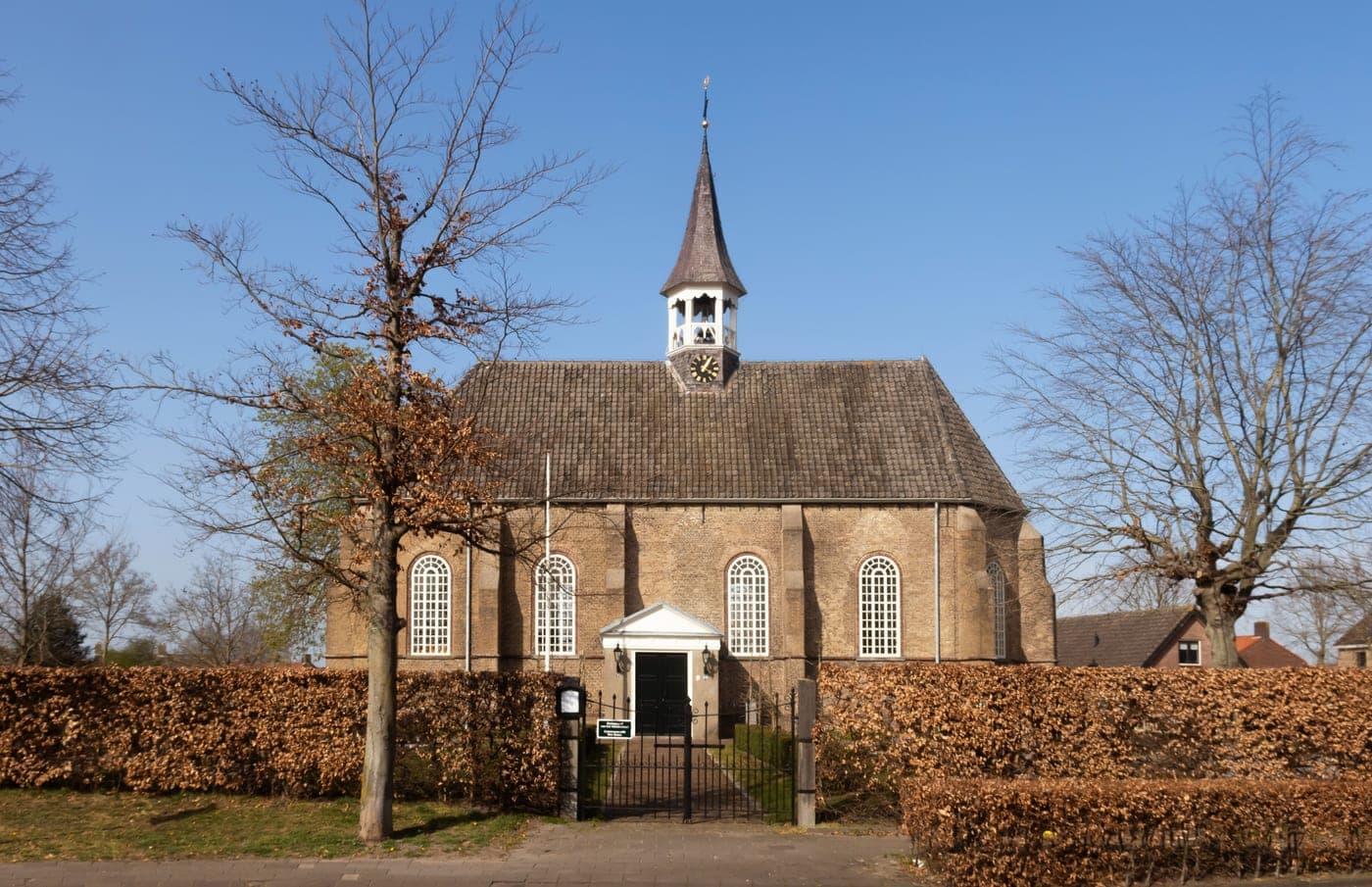 Boat Rentals
Drimmelen
River delta municipality with fortified villages and waterways
Boat RentalsHiking
1 region
- Boat Rentals3 destinations
Noord-Brabant
Noord-Brabant is the largest province in the Netherlands, and it wears that size lightly. South of the great rivers, the land flattens into polders and reclaimed marsh, cut through by canals that once moved peat, grain and beer to the cities. Windmills still stand along some of these waterways, and the flat terrain has made the region a natural home for cycling: quiet paths run along dikes, through pastureland, and between villages that rarely announce themselves with more than a church spire above the trees. Water shapes much of the province. In the north, the Biesbosch is one of the last extensive freshwater tidal wetlands in Europe, a maze of creeks, reed beds and willow groves that formed after a catastrophic flood in the fifteenth century reshaped the land. Herons and beavers now share the marsh with slow-moving boats, and the light here changes constantly with the tide. Further south and east, the terrain rises just enough to form the Loonse en Drunense Duinen, an inland dune landscape of bare sand and scattered pine that feels closer to a coastline than to the Dutch interior. The towns of Noord-Brabant carry their history in brick rather than grandeur. 's-Hertogenbosch, the provincial capital, grew up around its cathedral of St John, a Gothic building whose carved details reward slow looking. Its old center is threaded by the Binnendieze, a hidden network of canals that once ran openly through the streets and now pass partly under the houses themselves. Breda, to the west, centers on a fortified castle and a Gothic church whose tower still dominates the skyline; the town's squares fill with market stalls and outdoor cafés that make use of the flat, walkable center. Smaller places across the province, from Bergen op Zoom to the villages around the Biesbosch, keep the same rhythm: a market square, a brick church, canals or a river close by. Noord-Brabant's cultural identity runs deeper than its old town centers. Vincent van Gogh was born in Zundert, in the province's southwest, and spent his early years in the flat farmland and heathland that would later appear, transformed, in his paintings; the landscape around Zundert and Nuenen still carries traces of the fields and cottages he sketched. In sharp contrast, Eindhoven, once a modest textile and industrial town, has become one of Europe's centers for design and technology, its former factories converted into studios, galleries and workspaces. This mix of old agricultural rhythm and forward-looking design culture is part of what makes the province distinct within the Netherlands. Food and drink here lean toward the everyday and the well-made rather than the showy. Regional cheeses, smoked sausage, and local beers from small and long-established breweries fill the market stalls and pub menus alike. Carnival, celebrated with particular intensity across Noord-Brabant in February, turns the usually calm town squares into something loud and colorful for a few days, with brass bands, costumed processions and local nicknames for each town used only during the festival. What ties the region together is its pace and its openness to slow movement through open country. Cyclists cross from village to village on paths that follow old dikes and canal banks, past windmills, grazing cattle and reed-lined water. Boats drift through the Biesbosch at the speed the tide allows. Even the cities keep a manageable scale, their centers built for walking rather than driving, their canals and market squares still doing the quiet work they always have. Noord-Brabant rewards those willing to look closely at ordinary things: a brick façade, a windmill's turning sails, a heron standing still in the reeds.
Boat RentalsHiking