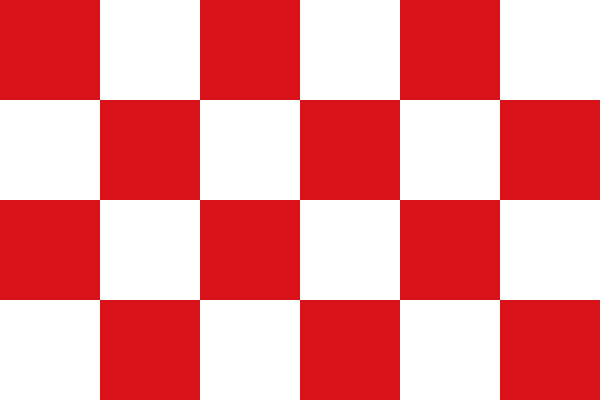
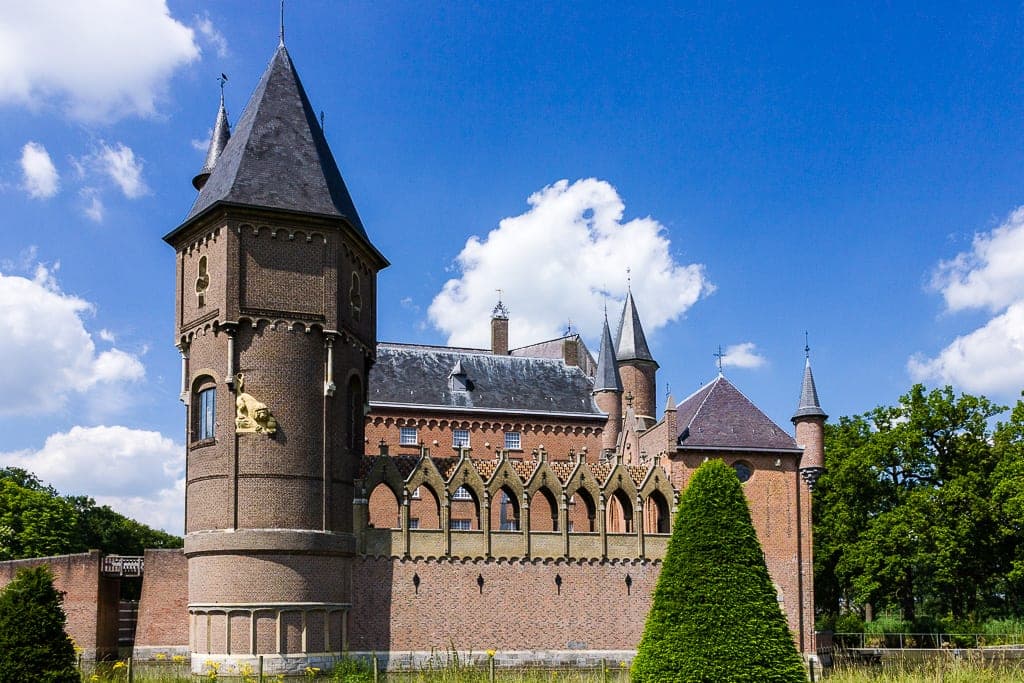
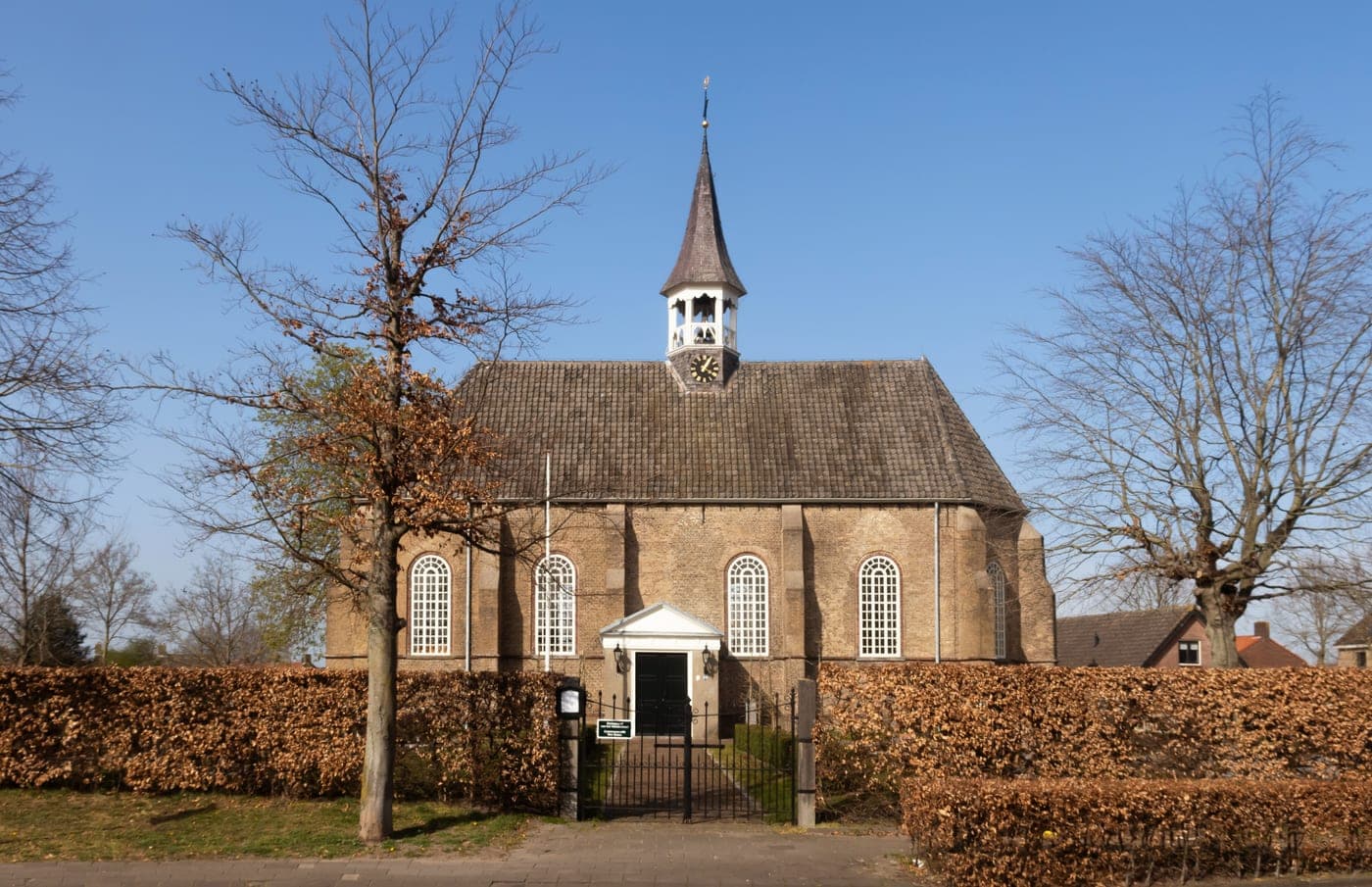
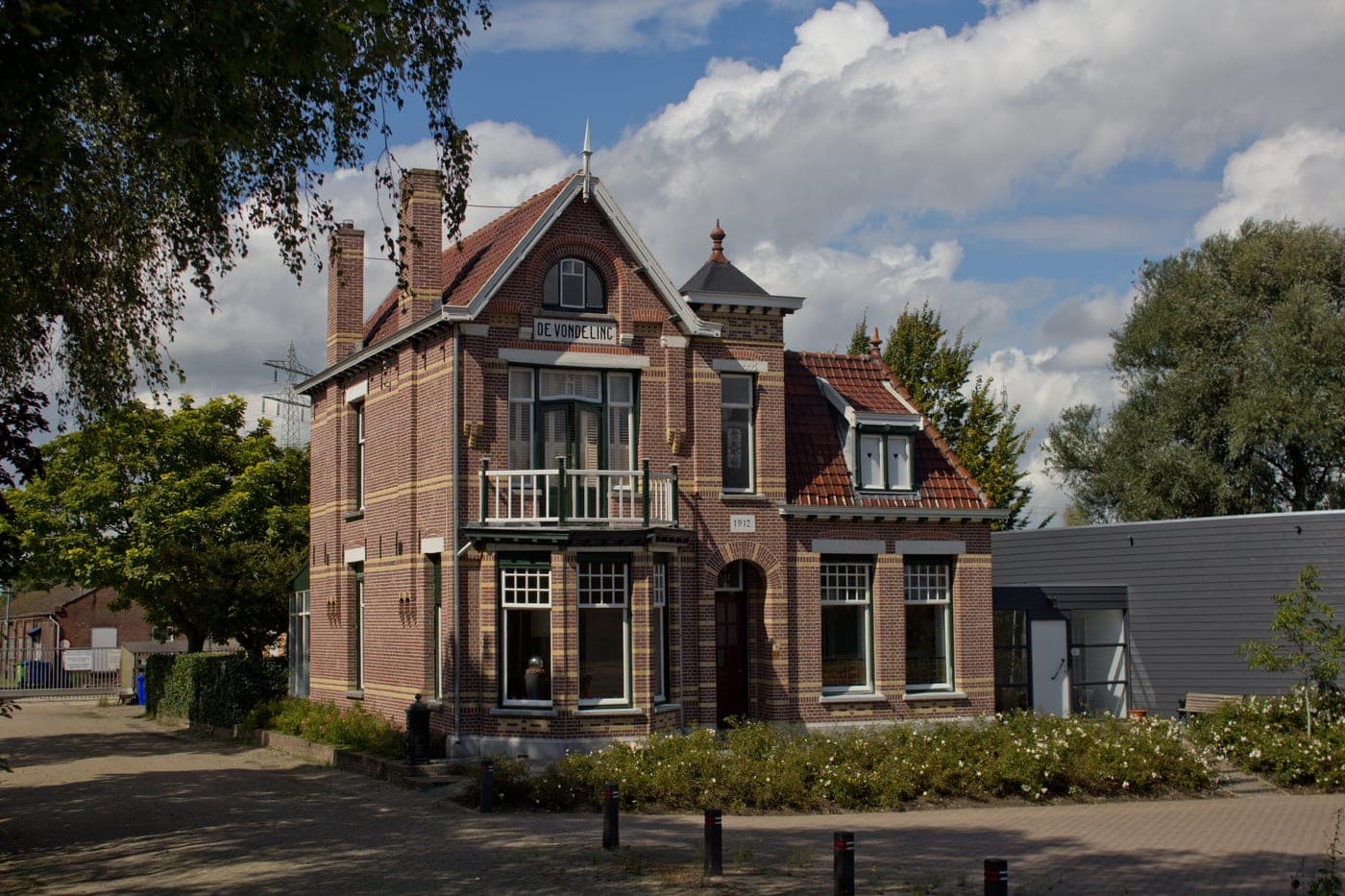
Noord-Brabant is the largest province in the Netherlands, and it wears that size lightly. South of the great rivers, the land flattens into polders and reclaimed marsh, cut through by canals that once moved peat, grain and beer to the cities. Windmills still stand along some of these waterways, and the flat terrain has made the region a natural home for cycling: quiet paths run along dikes, through pastureland, and between villages that rarely announce themselves with more than a church spire above the trees.
Water shapes much of the province. In the north, the Biesbosch is one of the last extensive freshwater tidal wetlands in Europe, a maze of creeks, reed beds and willow groves that formed after a catastrophic flood in the fifteenth century reshaped the land. Herons and beavers now share the marsh with slow-moving boats, and the light here changes constantly with the tide. Further south and east, the terrain rises just enough to form the Loonse en Drunense Duinen, an inland dune landscape of bare sand and scattered pine that feels closer to a coastline than to the Dutch interior.
The towns of Noord-Brabant carry their history in brick rather than grandeur. 's-Hertogenbosch, the provincial capital, grew up around its cathedral of St John, a Gothic building whose carved details reward slow looking. Its old center is threaded by the Binnendieze, a hidden network of canals that once ran openly through the streets and now pass partly under the houses themselves. Breda, to the west, centers on a fortified castle and a Gothic church whose tower still dominates the skyline; the town's squares fill with market stalls and outdoor cafés that make use of the flat, walkable center. Smaller places across the province, from Bergen op Zoom to the villages around the Biesbosch, keep the same rhythm: a market square, a brick church, canals or a river close by.
Noord-Brabant's cultural identity runs deeper than its old town centers. Vincent van Gogh was born in Zundert, in the province's southwest, and spent his early years in the flat farmland and heathland that would later appear, transformed, in his paintings; the landscape around Zundert and Nuenen still carries traces of the fields and cottages he sketched. In sharp contrast, Eindhoven, once a modest textile and industrial town, has become one of Europe's centers for design and technology, its former factories converted into studios, galleries and workspaces. This mix of old agricultural rhythm and forward-looking design culture is part of what makes the province distinct within the Netherlands.
Food and drink here lean toward the everyday and the well-made rather than the showy. Regional cheeses, smoked sausage, and local beers from small and long-established breweries fill the market stalls and pub menus alike. Carnival, celebrated with particular intensity across Noord-Brabant in February, turns the usually calm town squares into something loud and colorful for a few days, with brass bands, costumed processions and local nicknames for each town used only during the festival.
What ties the region together is its pace and its openness to slow movement through open country. Cyclists cross from village to village on paths that follow old dikes and canal banks, past windmills, grazing cattle and reed-lined water. Boats drift through the Biesbosch at the speed the tide allows. Even the cities keep a manageable scale, their centers built for walking rather than driving, their canals and market squares still doing the quiet work they always have. Noord-Brabant rewards those willing to look closely at ordinary things: a brick façade, a windmill's turning sails, a heron standing still in the reeds.