Dúmkes
Small, hard Frisian biscuits with anise and hazelnut
- Vegetarian
- Local name
- Dúmkes
- Pairs with
- Coffee
What it is
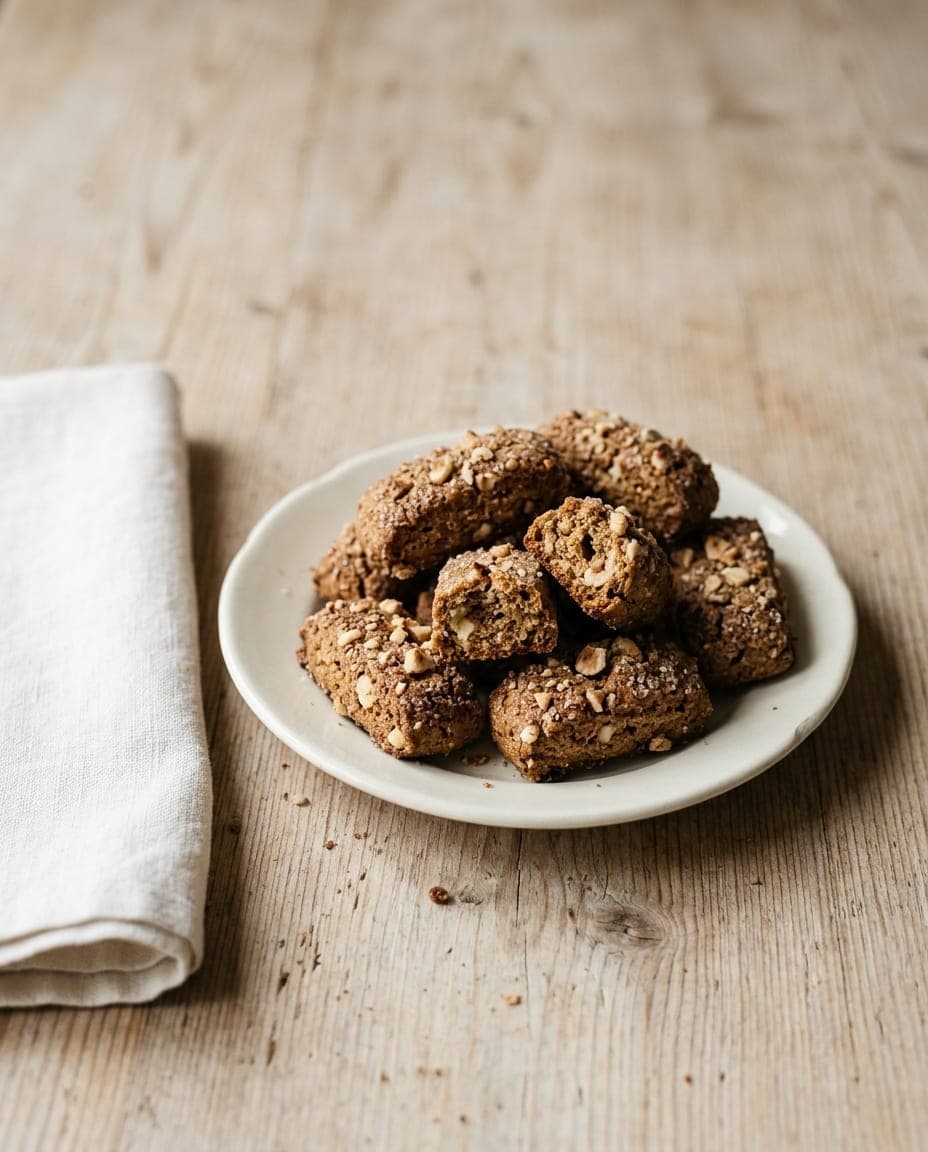
Dúmkes are small, hard biscuits from the Dutch province of Friesland. They are small oblongs, roughly the size of a thumb, often with a thumb-pressed dip on one side, and the dough is full of finely chopped hazelnuts. The name comes from the Frisian word dúmke, meaning "little thumb", a reference to their shape and size rather than any soft texture.
These biscuits are not meant to be crumbly or cake-like. They are baked until dry and hard, a quality that allows them to be stored for months without spoiling. Today they remain a staple of Frisian coffee culture, sold in tins and bags in shops across the province.
The shape and the spice
The defining feature of a dúmke is its hardness. Unlike many sweet pastries that are best eaten fresh, these biscuits are designed to last. They are baked slowly until all moisture is driven out, resulting in a texture that snaps cleanly rather than crumbling. This dryness preserves the flavour of the spices and nuts, allowing the biscuit to remain edible long after it leaves the oven.
The taste is simple but distinct. The dough is spiced primarily with anise, often with ginger or cinnamon, creating a warm, aromatic taste that pairs naturally with hot beverages. Chopped hazelnuts, sometimes with almonds, are worked into the dough, adding a nutty crunch to the hard biscuit. The dough is sweetened, often with brown sugar, but the sweetness is balanced by the strong spice and the nuts.
How they keep
Their ability to keep is a large part of their appeal. Before modern refrigeration, households valued food that would not go mouldy during the wet Frisian winters, and biscuits like these could be baked in large batches and packed into tin containers. The tins kept them dry and protected from pests, ensuring they remained crisp for weeks or even months.
The need has gone and the habit has not: a tin of dúmkes still sits on a great many Frisian kitchen counters, refilled rather than replaced. The biscuits are not just a treat; they represent a practical solution to the climate that shaped Frisian life for centuries.
How to eat it
Dúmkes are almost always eaten with coffee. The hard texture makes them unsuitable for quick snacking on their own, but they become enjoyable when dipped into hot coffee or tea. The liquid softens the biscuit slightly without making it soggy, releasing the aroma of anise and cinnamon while the nuts provide a satisfying crunch.
In Friesland they come with the coffee as a matter of course. They are not typically part of a dessert course but rather a companion to conversation or a break during a walk. Some people prefer to eat them plain, breaking off small pieces to chew slowly, while others enjoy dipping them to soften the bite. The choice depends on personal preference, but the pairing with coffee is the most common tradition.
Curious facts
- The name is literal. Dúmke means "little thumb" in Frisian, describing the small, thumb-sized shape of the biscuit.
- They are not soft. Unlike many sweet treats, dúmkes are baked until hard and dry, designed to last for months without going stale.
- Nuts inside. Chopped hazelnuts are mixed through the dough, adding texture and a nutty flavour that complements the anise.
- Packaged in tins. Traditional storage involves tin containers, which keep the biscuits dry and protect them from moisture over long periods.
- A regional speciality. While similar spiced biscuits exist elsewhere, dúmkes are specifically associated with Friesland and are not found widely outside the province.
Where to try it
Bakeries and cafés across Friesland, where they are served with coffee, and shops that stock the province's own products.
They are sold in tins, loose by weight, and as gifts in printed boxes. Because they keep for months they travel better than almost any other regional speciality in the Netherlands, which is most of why they leave the province at all.
Where to try it
1 destination
 Boat Rentals
Makkum
Historic harbor town on the IJsselmeer with boat rentals and pottery heritage.
Boat Rentals
1 region
 Boat Rentals12 destinations
Friesland
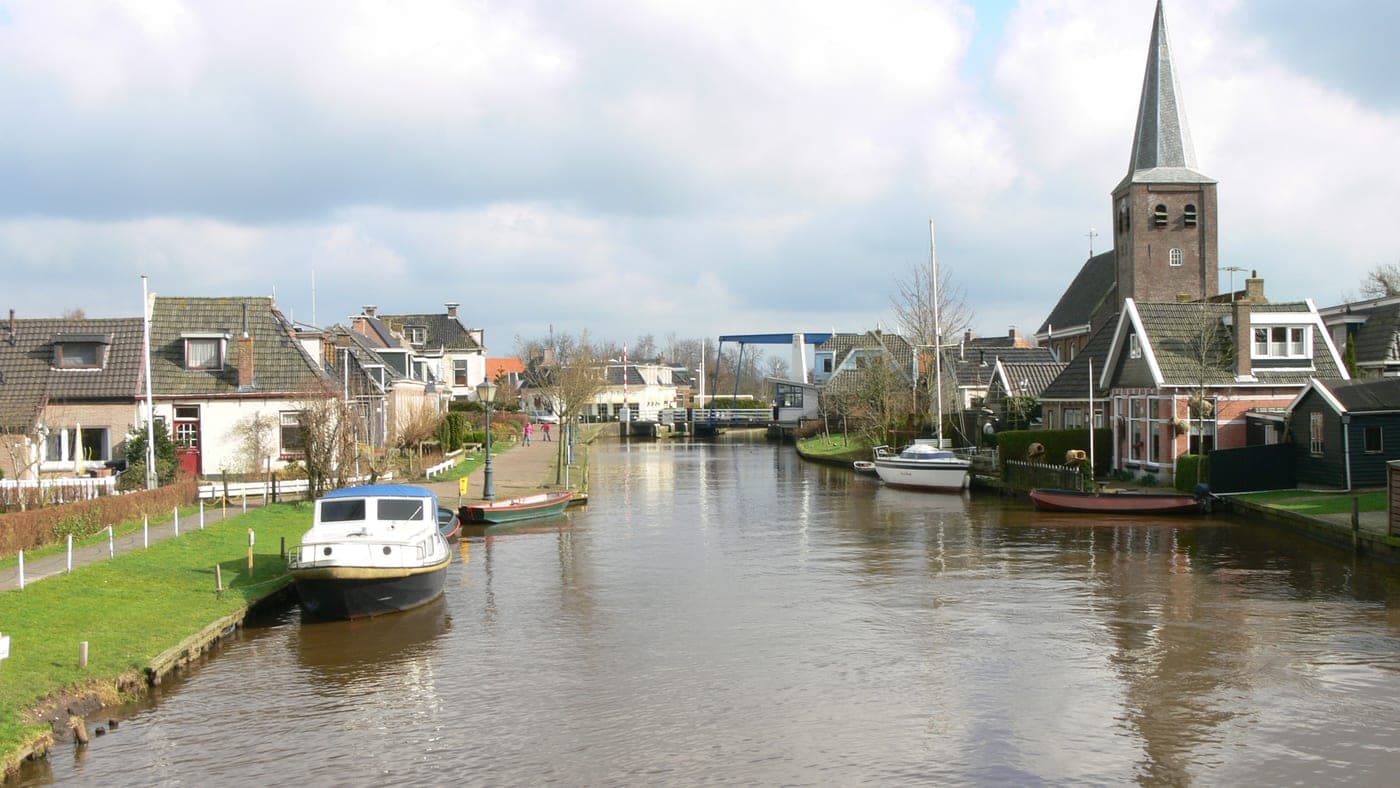
Friesland, known for its lakes and waterways, is the largest province in the Netherlands by area. The region features unique cultural heritage, with the Frisian language recognized alongside Dutch. Leeuwarden, the capital, boasts historical architecture and was a European Capital of Culture in 2018. Small towns like Dokkum and Sneek offer cobbled streets and traditional festivals. Friesland is famous for its dairy products, particularly Frisian cheeses, and the annual Elfstedentocht, a long-distance ice skating tour. Nature lovers can explore the Wadden Sea, a UNESCO World Heritage site, and the expansive Frisian Lakes, ideal for sailing and cycling.
Boat RentalsHiking