Fries suikerbrood
A Frisian loaf studded with melting pearl sugar
- Vegetarian
- Local name
- Fryske sûkerbôle
- Served with
- Butter
- Best eaten at
- A Frisian bakery
- Pairs with
- Coffee or tea
What it is
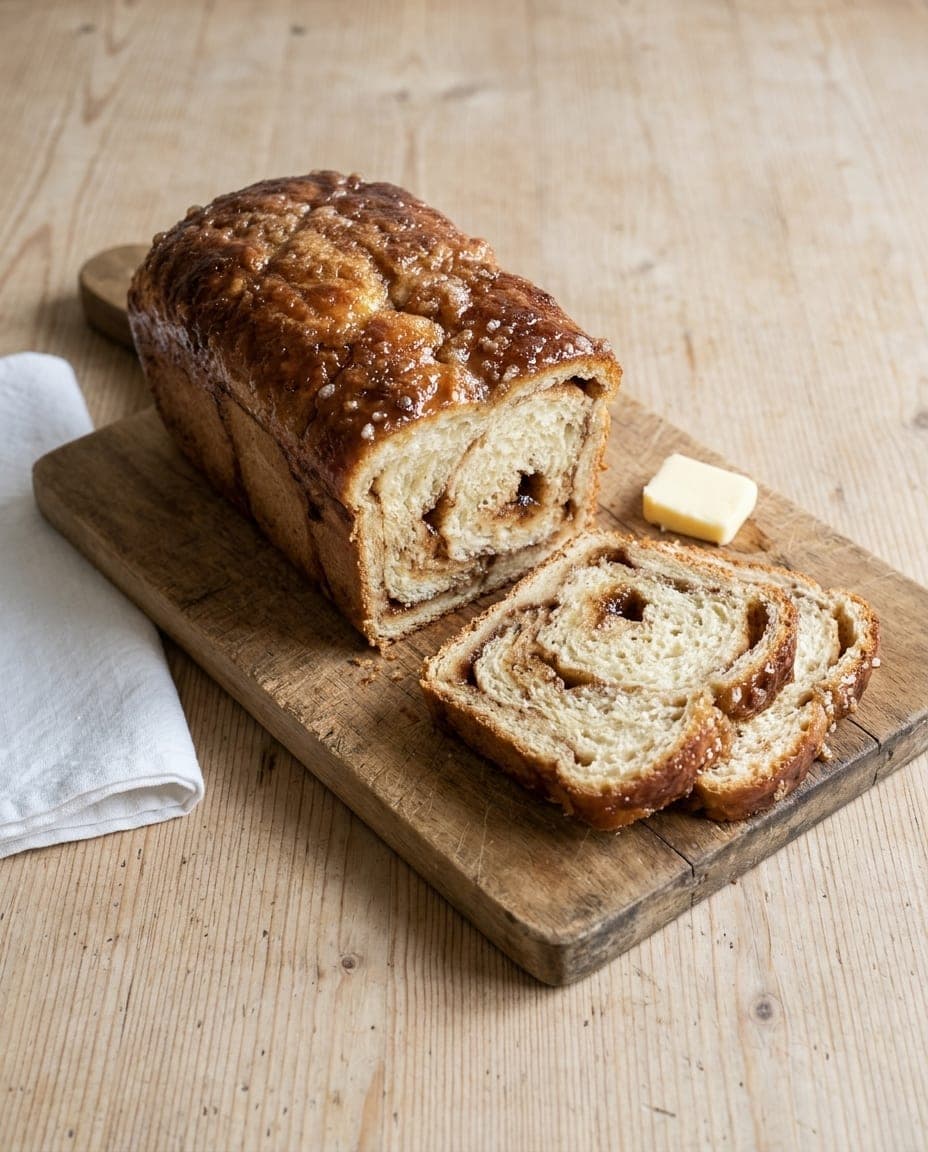
Fries suikerbrood, known locally as Fryske sûkerbôle, is a distinctive sweet bread that originates from the northern province of Friesland in the Netherlands. It is not a ubiquitous Dutch staple but a regional speciality tied closely to Frisian identity. The loaf is a soft, enriched wheat bread baked with large lumps of pearl sugar pushed into the dough before it goes into the oven. As it bakes, these sugar lumps melt only partially, leaving behind sweet, sticky pockets and a caramelised crust that sticks slightly to the fingers.
The texture is dense yet tender, with a warm, spiced aroma from the cinnamon, and sometimes ginger, mixed into the dough. It is not a light, airy pastry but a substantial loaf meant to be eaten in thick slices. The name translates literally to "sugar bread", a straightforward description of its most defining feature: the sugar that remains visible and sweet within the crumb long after baking.
A bread for celebrations
Historically, this bread was not sold daily in Frisian bakeries but reserved for special occasions. It played a central role in marking significant life events, particularly births and family gatherings. When a child was born in a Frisian household, it was customary to give the new parents a large suikerbrood, to be shared with the visitors who came to see the baby. The loaves given could be very large indeed.
While the tradition of gifting bread at births has faded in many places, the bread itself remains a fixture of Frisian hospitality. It is still commonly found in local bakeries during festive seasons, but its roots lie in the domestic rituals of the past. The large loaves served at celebrations were often cut into thick wedges and passed around the table, ensuring that every guest received a piece of the sweetness.
What goes into it
The ingredients are simple, relying on quality rather than complexity. The dough is an enriched wheat flour base, leavened with yeast to achieve its soft rise. The defining elements are the large lumps of pearl sugar, which do not dissolve completely, and the addition of cinnamon, which infuses the entire loaf with a warm spice.
- Pearl sugar: Large, hard crystals that soften but retain their shape, creating sweet pockets.
- Cinnamon: A spice ground into the dough for warmth.
- Wheat flour: The structural base of the soft loaf.
- Yeast: For the rise and airy texture.
- Butter: Often added to the dough for richness, though extra butter is essential for serving.
The result is a bread that is sweet but not cloying, with a sticky crust that contrasts with the soft interior. The sugar lumps provide a textural surprise in every bite, making it distinct from standard sweet buns or cakes.
How to eat it
Fries suikerbrood is traditionally eaten for breakfast or as an accompaniment to coffee and tea. It is cut thick, a good centimetre or more, so the pockets of sugar show in the slice. The Frisian way of eating this bread involves a generous layer of butter spread over the warm or room-temperature slice. The sweetness of the bread and the saltiness of the butter create a balanced taste that defines the experience.
It is best enjoyed at a local bakery, known in Friesland as a bakkerij, where fresh loaves are baked daily. The bread is often sold whole or in halves, allowing the customer to choose the size. A cup of strong coffee or tea is the standard companion, providing a warm contrast to the sweetness of the loaf.
Curious facts
- The sugar stays in lumps. Unlike other sweet breads where sugar dissolves into the crumb, pearl sugar remains as distinct, sweet lumps even after baking.
- A birth tradition. Large loaves were traditionally given to the parents when a child was born in a Frisian family.
- Regional identity. The bread belongs to Friesland; elsewhere in the Netherlands it is mostly found in packaged supermarket form.
- Butter is essential. Serving it with butter is considered the correct way to eat it, balancing the sweetness with salt.
- A bakery staple. While once a celebration bread, it is now a regular item in Frisian bakeries, available year-round.
Where to try it
A bakkerij in Friesland — Leeuwarden, Drachten, or any of the villages between them — where it is baked through the week and sold whole or by the half.
Supermarkets across the Netherlands sell a packaged version, softer and with less sugar in it. The Frisian loaves are heavier and stickier, and the lumps of sugar are the size of a fingernail rather than a grain.
Where to try it
4 destinations
 Boat Rentals
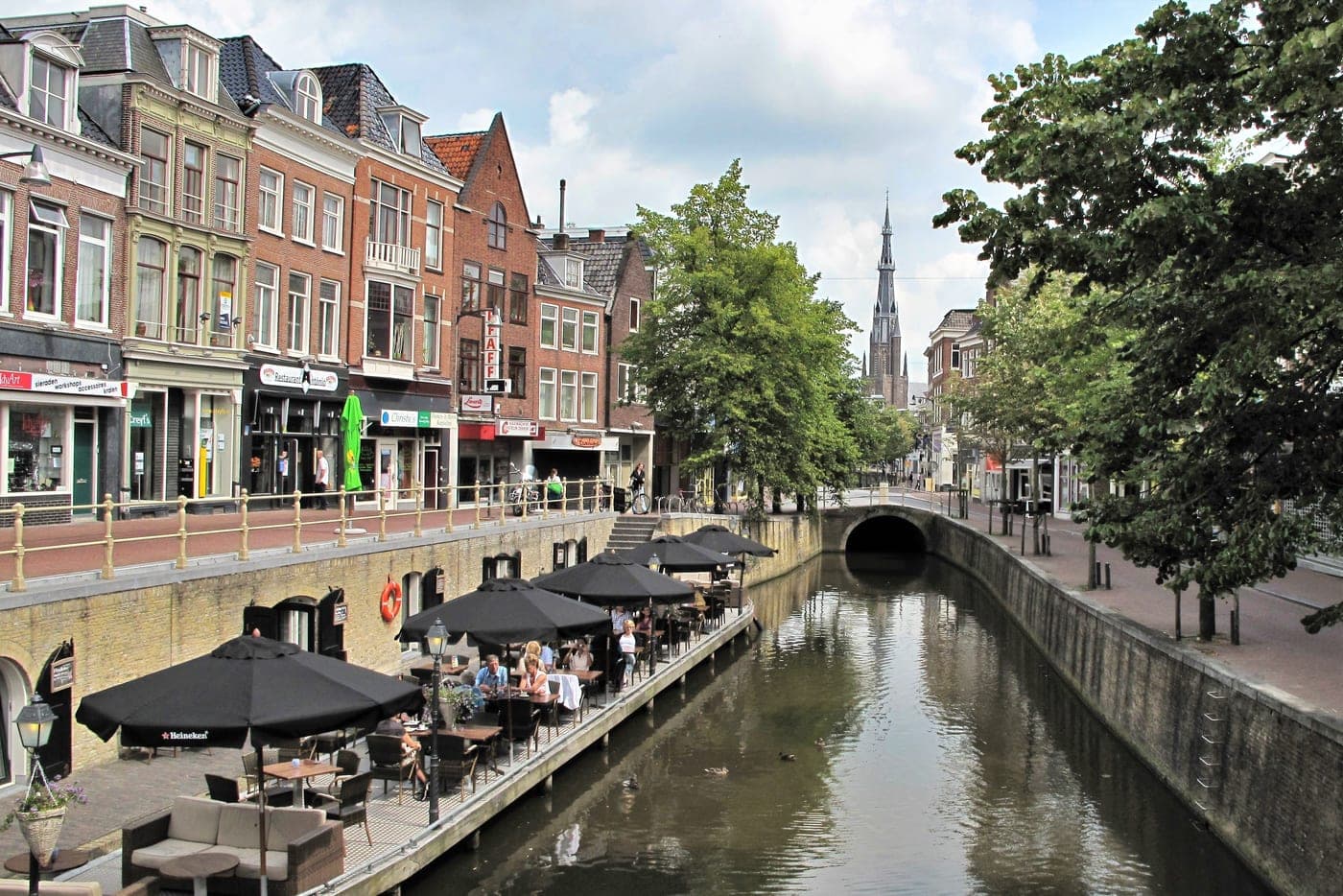
Leeuwarden
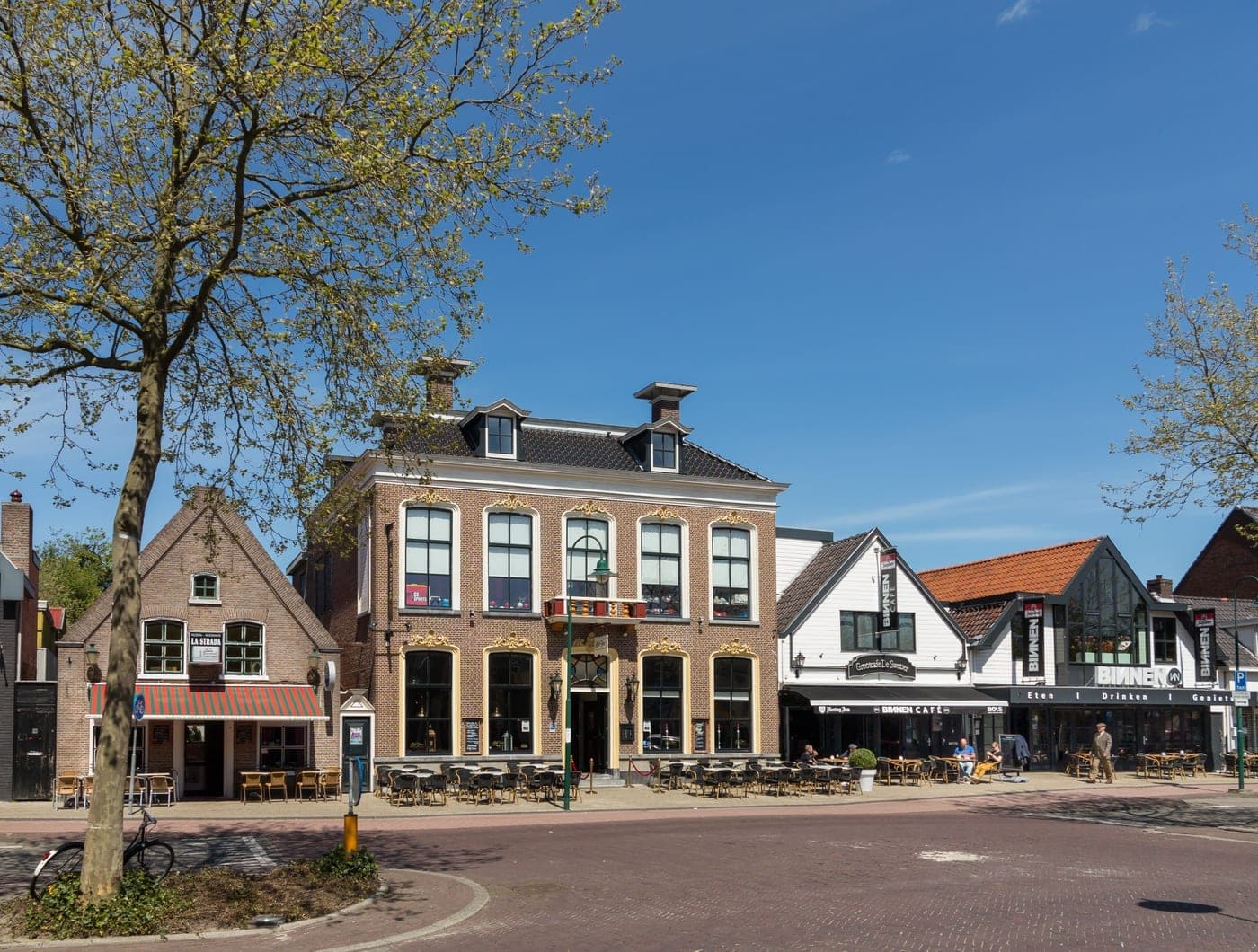
Frisian capital with boat rentals and access to the extensive Frisian water network.
Boat RentalsHiking Boat Rentals
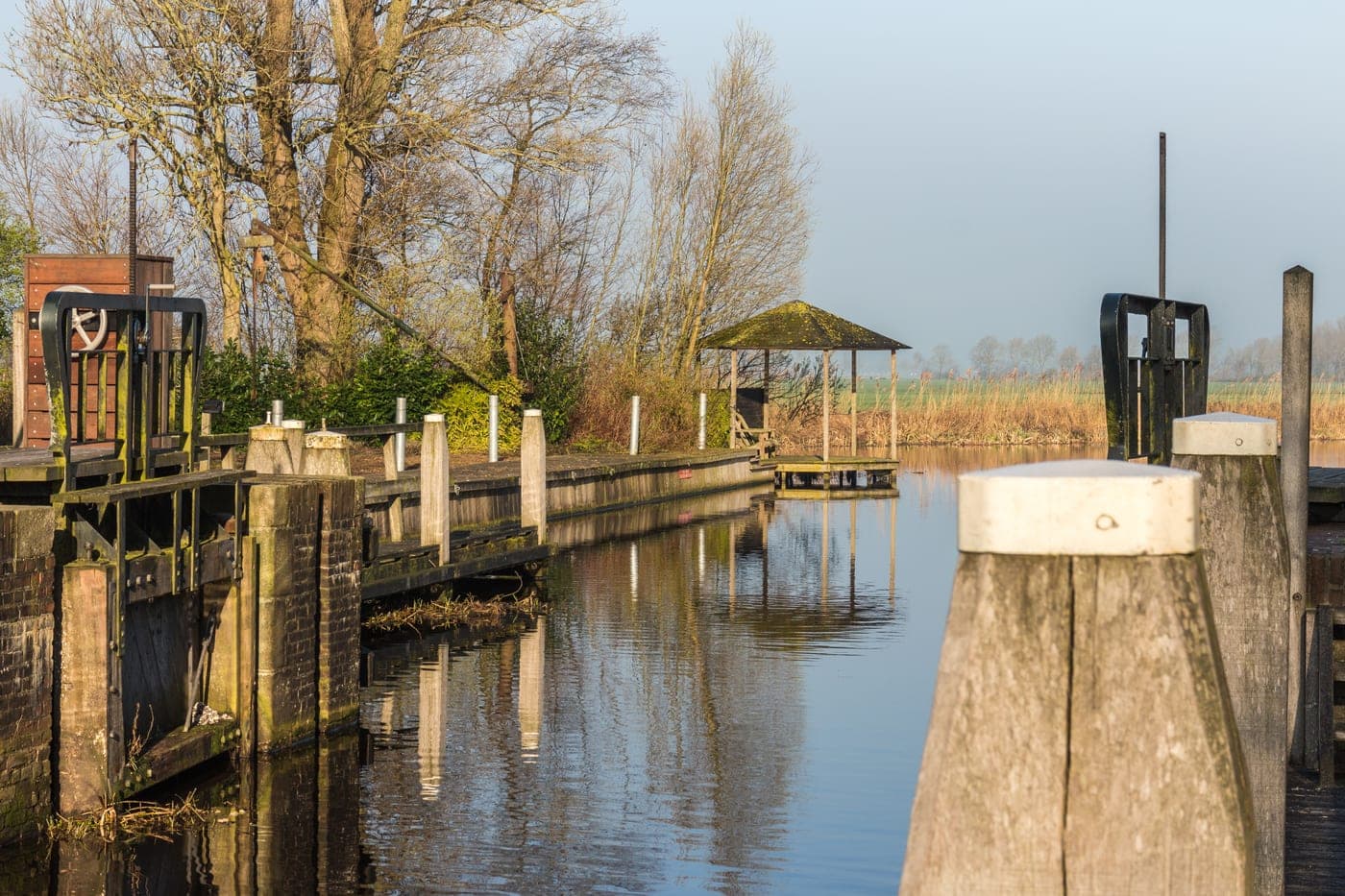
Terherne
Popular sailing village in Friesland with extensive boat rental facilities.
Boat RentalsHiking
1 region
 Boat Rentals12 destinations
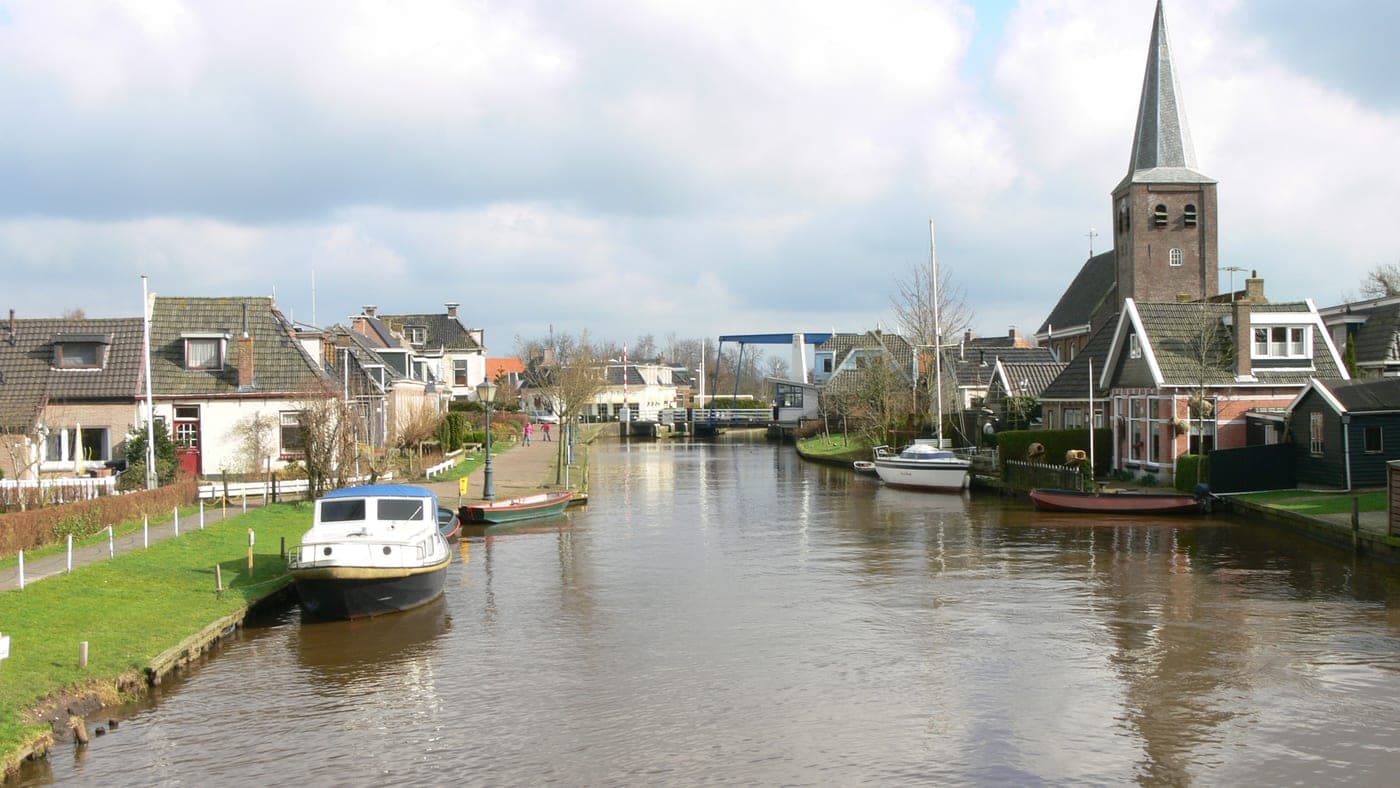
Friesland
Friesland, known for its lakes and waterways, is the largest province in the Netherlands by area. The region features unique cultural heritage, with the Frisian language recognized alongside Dutch. Leeuwarden, the capital, boasts historical architecture and was a European Capital of Culture in 2018. Small towns like Dokkum and Sneek offer cobbled streets and traditional festivals. Friesland is famous for its dairy products, particularly Frisian cheeses, and the annual Elfstedentocht, a long-distance ice skating tour. Nature lovers can explore the Wadden Sea, a UNESCO World Heritage site, and the expansive Frisian Lakes, ideal for sailing and cycling.
Boat RentalsHiking