Torta al testo
Umbrian griddle flatbread split and filled with sausage or greens
- Local name
- Torta al testo (crescia, ciaccia)
- Best eaten at
- An Umbrian roadside stall
- Pairs with
- Umbrian red
What it is
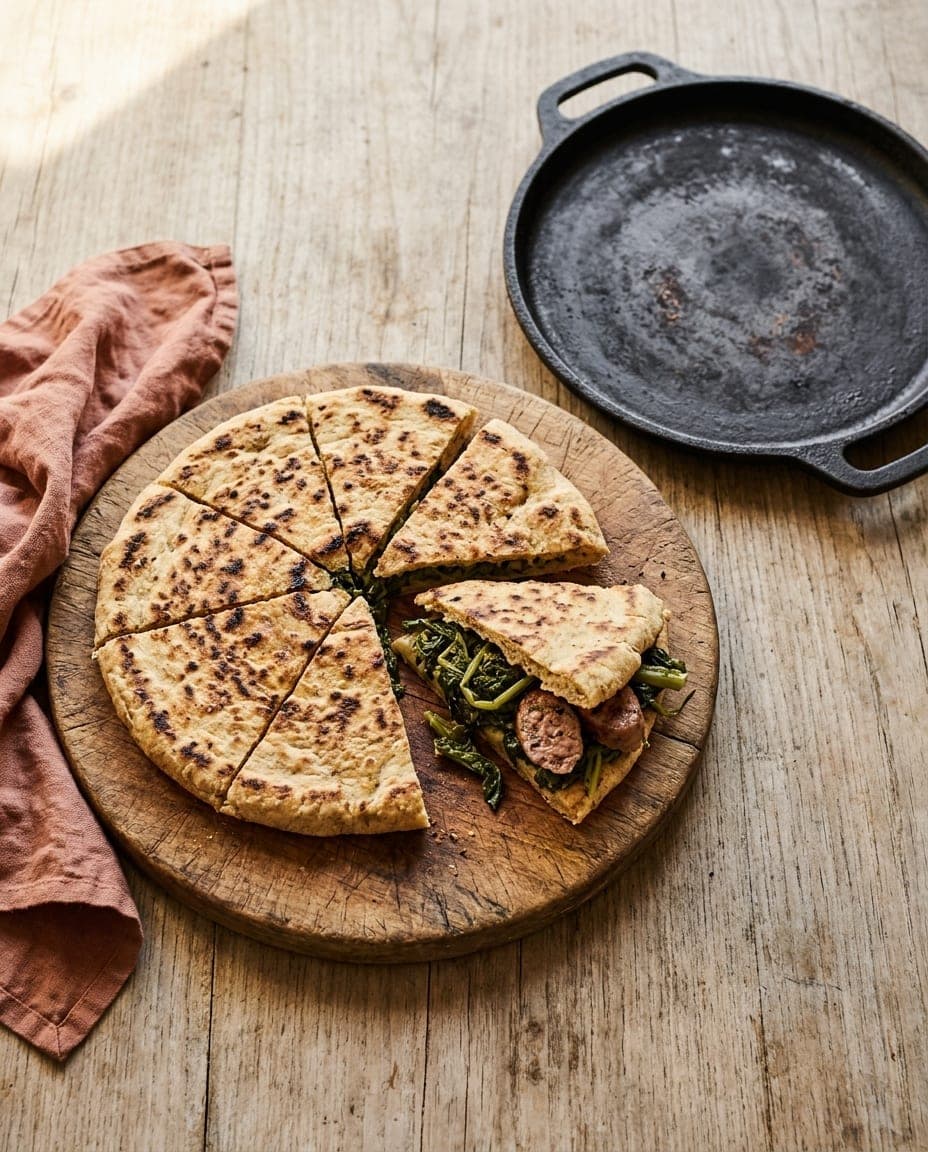
Torta al testo is a simple, substantial flatbread from the central Italian region of Umbria. It begins as a dough of flour, water, salt and a pinch of bicarbonate of soda (many modern recipes use yeast instead), rolled into a disc about a centimetre thick and roughly the size of a large dinner plate. Rather than being baked in an oven, the dough is cooked on a testo, a flat griddle originally made of stone or terracotta and today usually of cast iron, heated over embers or on a hob.
The heat causes the surface to blister and develop dark spots as it puffs up slightly. Once cooked on both sides, the bread is split horizontally while still hot and filled with savoury ingredients. A classic version features greens such as chicory, sautéed with garlic and chilli, alongside sausage. Other common fillings include prosciutto and cheese or slices of porchetta, the slow-roasted pork popular in the region.
This is not a delicate starter or a sweet treat. It is a hearty, rustic bread born from cucina povera, the kitchen of rural families who often had no oven of their own. The dough was cooked on the hot griddle until it blistered, then split and filled to create a complete meal. Today, the torta al testo remains a staple at festivals and street-food stalls across Umbria, especially in and around Perugia.
How it is made
The preparation relies on the heat of the griddle rather than an enclosed oven. The dough is rolled out to a uniform thickness and placed directly onto the preheated testo. The bread cooks quickly, developing a golden-brown crust with characteristic dark blisters. It is turned to ensure even cooking on both sides.
Once the bread is cooked through, it is removed from the heat and split open along its centre. The interior remains soft and warm, creating a pocket ready for filling. This method of cooking distinguishes it from oven-baked focaccia or pizza dough, which rise in an enclosed space. The testo allows the bread to cook rapidly while retaining a dense, chewy texture inside and a crisp exterior.
The filling is added immediately after the split. In the classic version, the greens are cooked beforehand with garlic and olive oil until tender, and the sausage is grilled or crumbled into the pan before everything is spooned into the hot bread. The heat of the bread warms the filling further, melding the flavours together.
Where it comes from
The torta al testo is bound up with the farming traditions of Umbria. In rural areas where ovens were scarce or expensive, cooks turned to the testo as a reliable alternative for making bread. The griddle could be heated over an open fire in a farmhouse kitchen, allowing families to make fresh bread without the need for a large oven. The name comes from the griddle itself, linked to the Latin testum, an earthenware lid or tile used for cooking.
The dish is closely tied to Umbria, and its name changes across the region. Around Perugia it is simply la torta; in Gubbio and Foligno it is called crescia, around Città di Castello ciaccia, and in the Terni area pizza sotto il fuoco, though the method of cooking on a hot griddle remains consistent.
What goes into it
The core components are straightforward, reflecting the dish's origins as a simple meal for workers and families. The dough requires only flour, water, salt and a raising agent, rolled out to a disc before cooking. The filling varies by taste and season but typically includes:
- Greens: Chicory or similar greens, cooked with garlic until soft.
- Sausage: Grilled or crumbled Umbrian sausage adds a savoury, spiced element to the filling.
- Prosciutto: Thin slices of cured ham, sometimes paired with local cheese.
- Porchetta: Slow-roasted pork, often sliced and layered into the bread.
The result is a substantial, flavourful meal that relies on the quality of its few ingredients. There is no single official recipe; every cook has their own preference for the ratio of greens to meat or the type of sausage used. The bread itself is not sweetened or enriched with eggs, keeping it firmly in the realm of everyday sustenance.
How to eat it
The torta al testo is at its best immediately after it is made, while the bread is still warm and the filling is soft. It is typically sold at roadside stalls or small eateries, where customers can watch the cook split the hot bread and fill it on the spot. The bread is often wrapped in paper or served on a plate, ready to be eaten by hand.
It is a meal designed for casual dining, ideal as a quick lunch during a walk through an Umbrian town or as a snack at a festival. The filling is generous, often spilling out of the split bread, so a napkin is useful. A glass of Umbrian red wine pairs well with the savoury flavours, cutting through the fat of the sausage. Unfilled, the bread is also cut into wedges and served alongside other dishes in place of ordinary bread.
Curious facts
- The griddle matters. Traditional testi were made from stone or terracotta, though modern versions often use cast iron for durability and even heat distribution.
- A festival staple. The bread is a central feature of many Umbrian food festivals, where stalls sell fresh versions to crowds.
- Simple ingredients only. The traditional dough contains no eggs, milk or sugar, keeping it lean and true to its cucina povera roots.
Where to try it
The best place to eat torta al testo is at a street-food stall or local festival in Umbria, particularly in and around Perugia. These stalls often serve the bread fresh off the testo, with fillings chosen by the customer.
A glass of local red wine complements the savoury flavours well.
Where to try it
4 destinations
 Wine Tasting
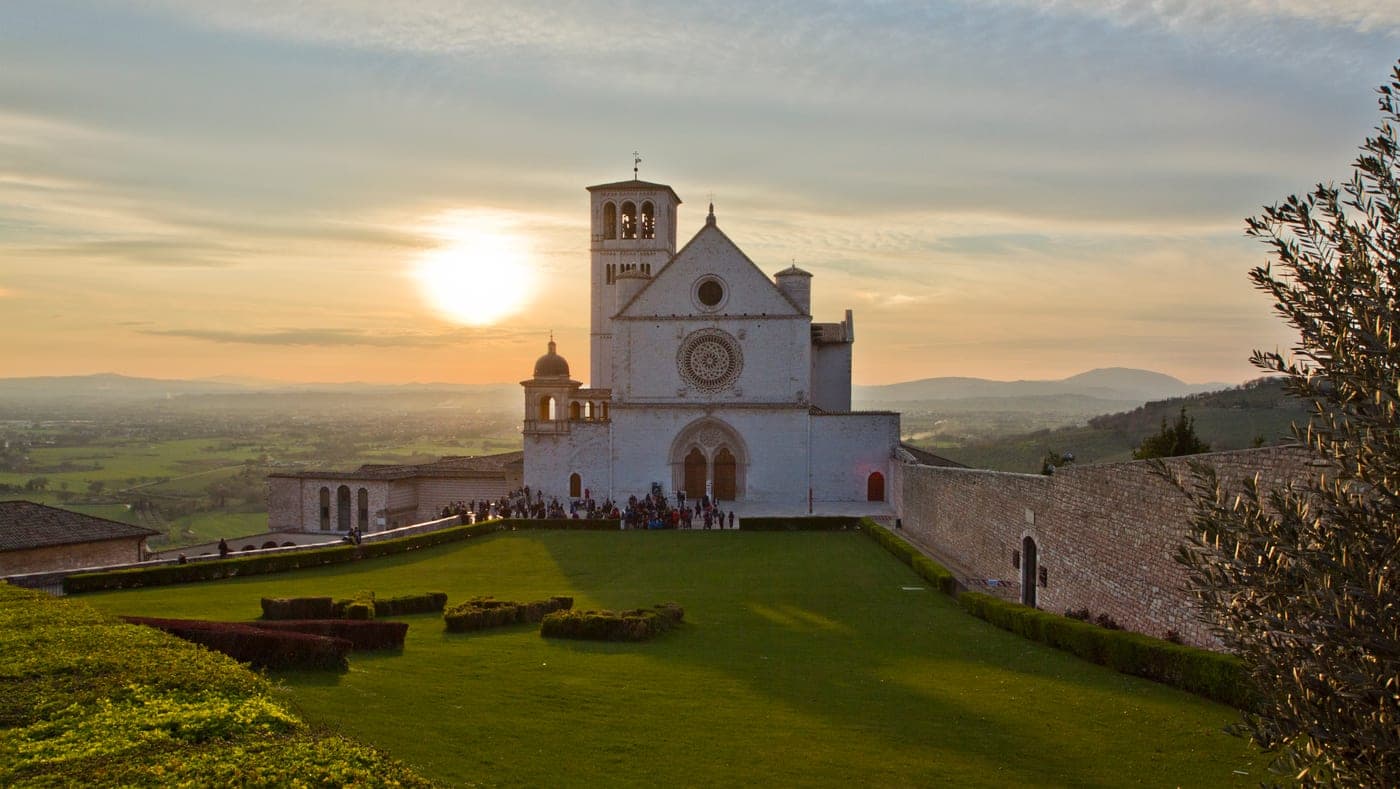
Assisi
UNESCO World Heritage city of St. Francis with wine estates and spiritual heritage.
Wine TastingHiking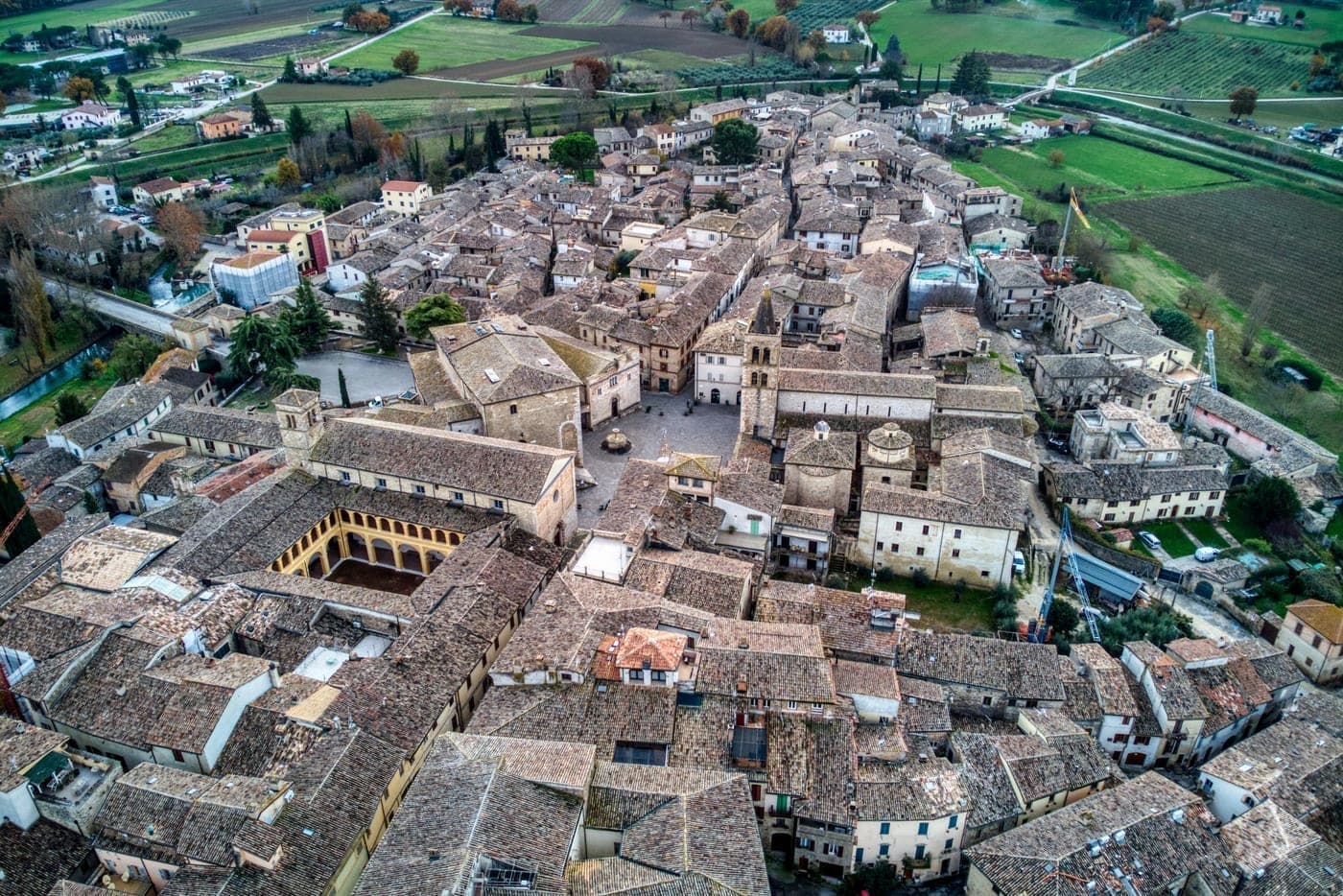 Wine Tasting
Bevagna
Charming medieval town in Umbria with Roman ruins and excellent wine estates.
Wine TastingHikingLocal Cuisine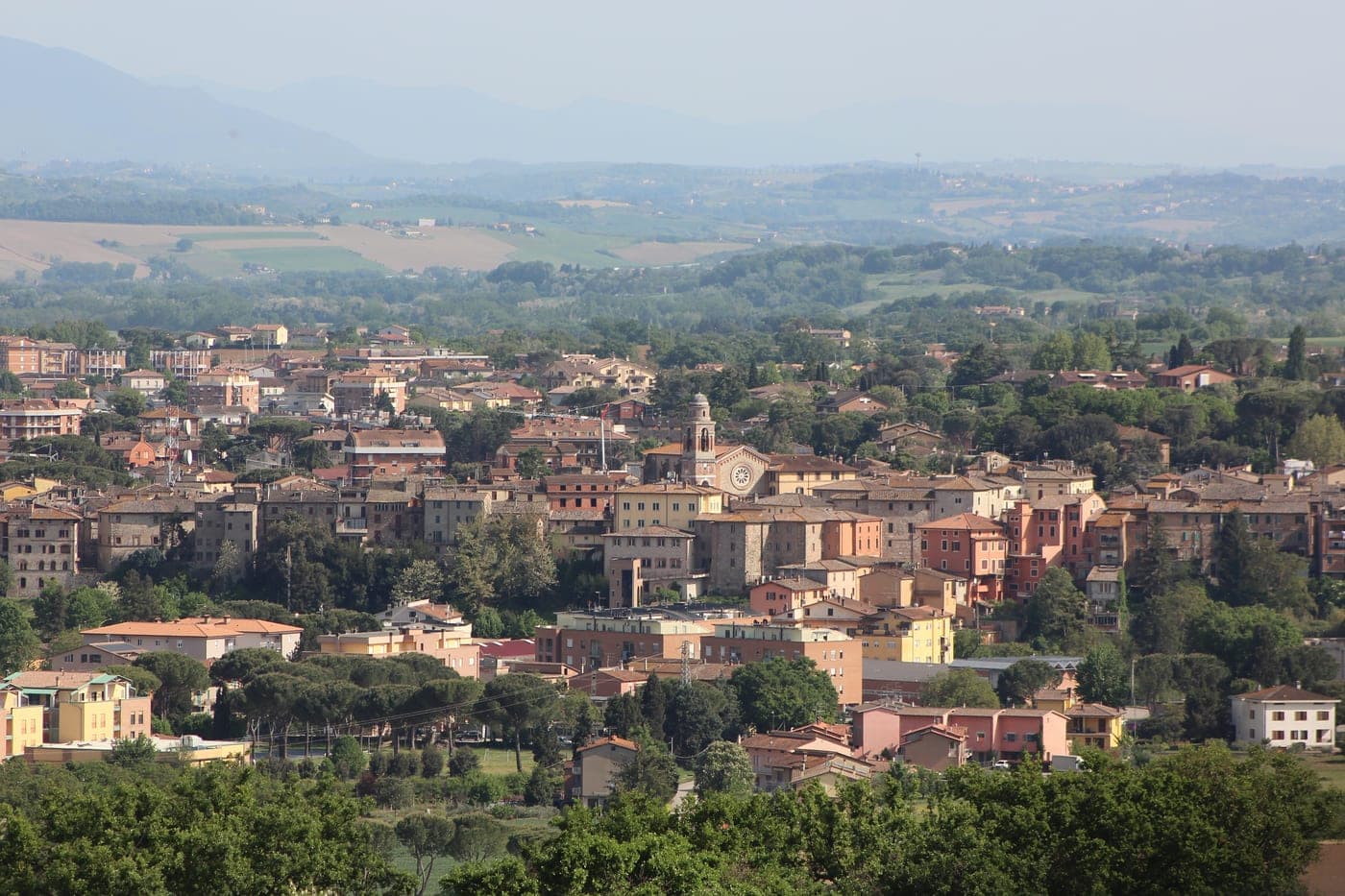 Wine Tasting
Marsciano
Wine town in central Umbria with ceramic traditions and vineyards.
Wine TastingHiking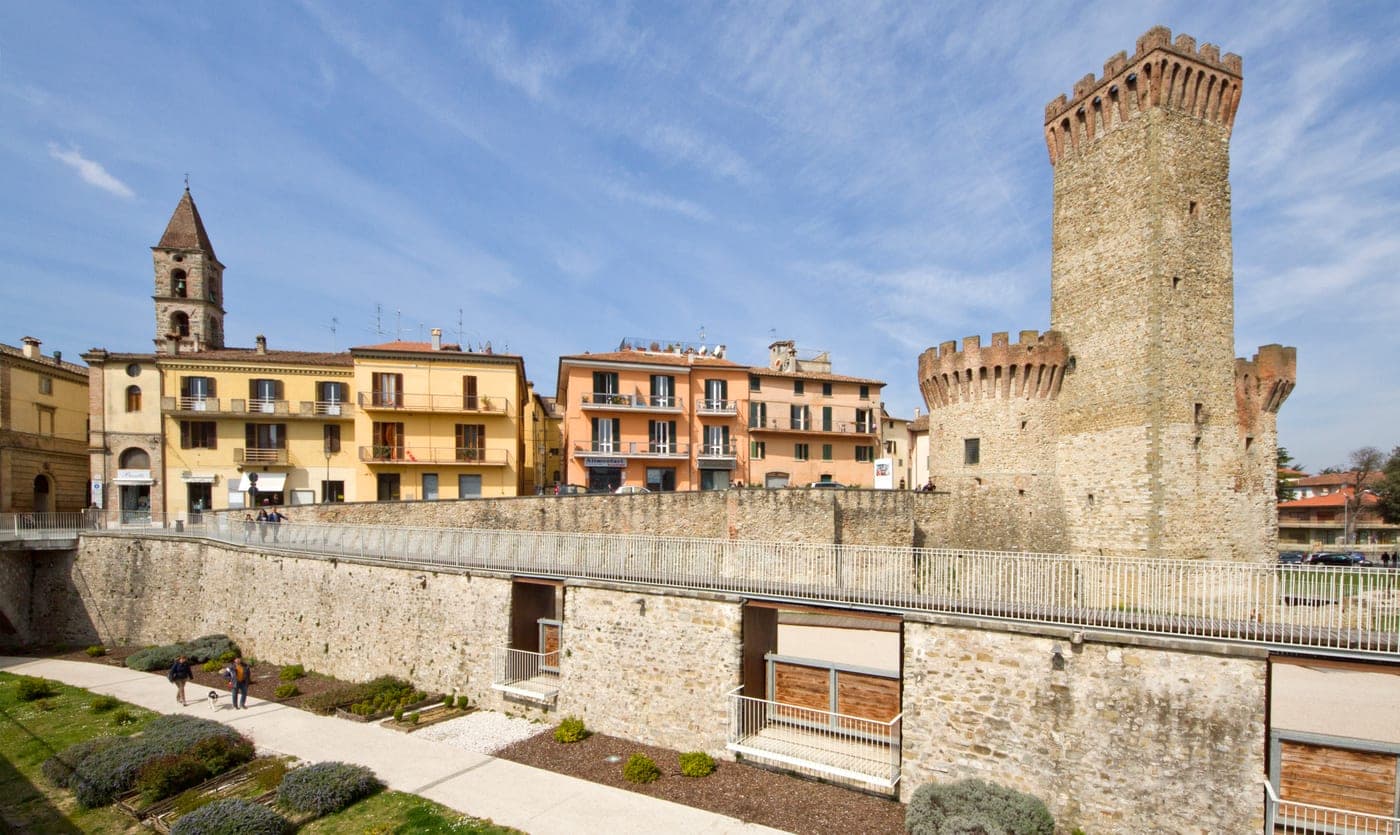 Wine Tasting
Umbertide
Historic town in northern Umbria with wine production and Renaissance architecture.
Wine TastingHiking
1 region
- Wine Tasting14 destinations
Umbria
Umbria, Italy's only landlocked region, is known for its rolling hills and rich history. Spoleto, famous for its ancient Roman theater and the Festival dei Due Mondi, offers a glimpse into the region's cultural depth. Assisi, the birthplace of St. Francis, features remarkable frescoes by Giotto in the Basilica and is a UNESCO World Heritage site. The region is renowned for its Sagrantino wine, olive oil production, and traditional cuisine, including truffles and porchetta. With picturesque towns like Todi and Gubbio, travelers can explore narrow streets, local artisans, and regional festivals that celebrate Umbrian traditions throughout the year.
Wine TastingHikingLocal CuisineAgritourism





