Tiramisù
Coffee-soaked savoiardi layered with mascarpone cream from Treviso
- Vegetarian
- Local name
- Tiramisù
- Served with
- Espresso
- Best eaten at
- A Treviso trattoria
- Pairs with
- Passito or espresso
What it is
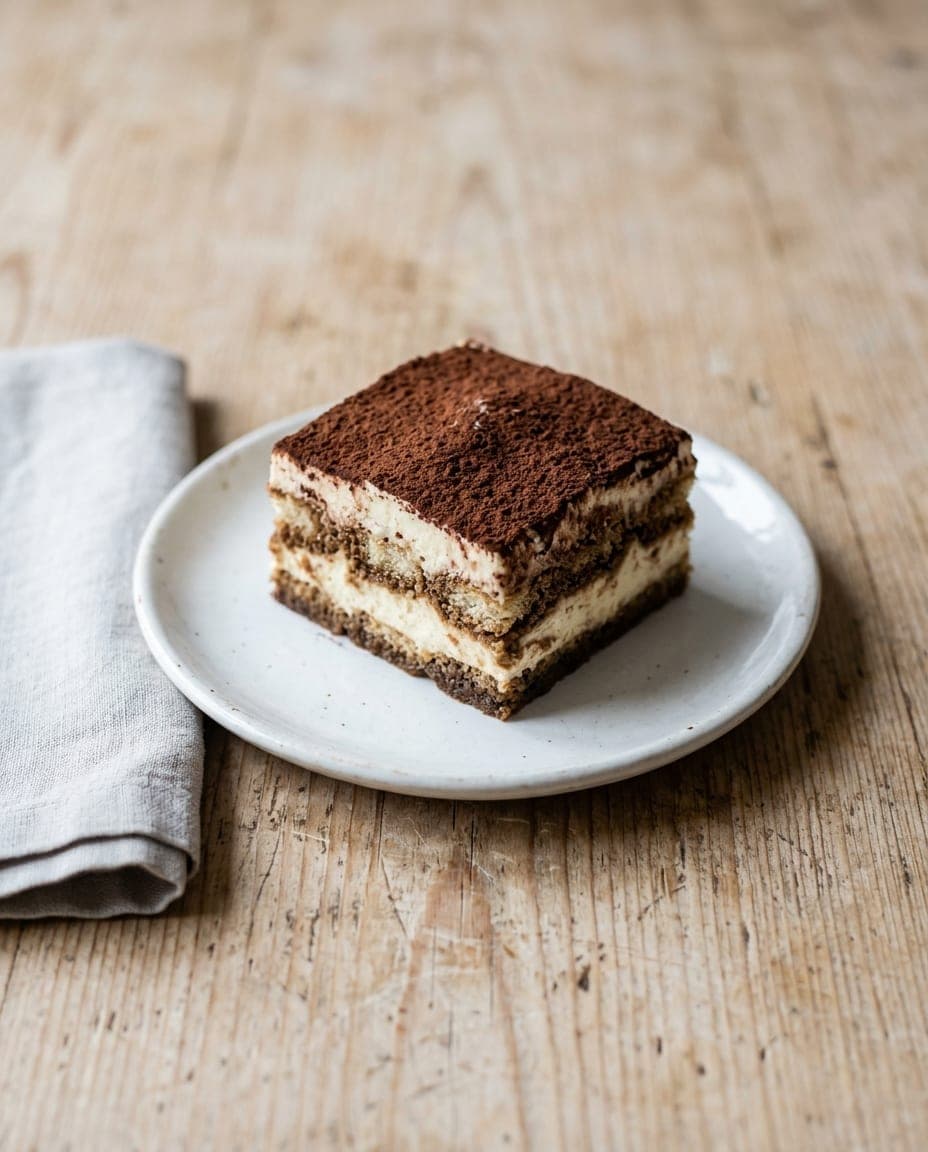
Tiramisù is a layered dessert of savoiardi biscuits, mascarpone cream and coffee, finished with a dusting of cocoa powder. Apart from the biscuits it involves no baking, no gelatine and, in its classical form, no whipped cream. The texture is soft and yielding, the flavour a balance of bitter coffee, sweet cream and the faintly eggy richness of the custard-like filling.
The name itself offers the first clue to its purpose. Tira mi su translates literally as 'pull me up', usually rendered as 'pick me up', a reference to the energy provided by the coffee and sugar. It is a dish designed for after-dinner moments, often served in small portions alongside an espresso.
Though now a staple on menus across Italy and the world, its history is short. Unlike many Italian sweets that trace their roots back centuries, tiramisù in its current form emerged in the second half of the twentieth century. Its rapid rise from a regional speciality to a global icon has been remarkable, yet its birthplace remains a point of contention between two neighbouring regions in north-east Italy.
The dispute over its birthplace
The most widely accepted account places the invention in Treviso, a city in the Veneto region. According to this version, the dessert was developed at Le Beccherie, a restaurant in the city, and appeared on its menu around 1972. The credit is usually given to Alba Di Pillo, who ran the restaurant with her husband Ado Campeol, and to their pastry chef Roberto Linguanotto. The family traces the idea back to a zabaione-and-coffee pick-me-up served at home in the 1950s.
The result became a hit with diners, who appreciated its simplicity and the way the coffee flavour cuts the richness of the cheese. The restaurant became famous for it, and the recipe spread from there to other kitchens in the Veneto and beyond. The earliest printed reference to the mascarpone version is usually traced to a 1981 article by the gastronome Giuseppe Maffioli, which pointed to Le Beccherie.
However, this narrative is not universally accepted. In the Friuli Venezia Giulia region, a rival claim exists. Proponents in Friuli argue that a dessert called tiramisù was being served in Tolmezzo in the 1950s, citing a 1959 restaurant bill, while Pieris near Gorizia claims a coffee semifreddo of the same period. Those early versions were, however, quite different from today's dessert.
The dispute reached an official level in 2017, when, at Friuli's request, tiramisù was added to the region's list of traditional agri-food products (PAT). The decision was strongly contested by the Veneto's regional government, which maintains that Treviso's version is the original. The question remains unresolved, and both regions produce excellent versions of the dish today.
How it is made
The foundation consists of savoiardi, also known as ladyfinger biscuits. These are long, light sponge biscuits that are dry enough to absorb liquid without disintegrating immediately. They are dipped briefly into strong coffee rather than soaked for a long time. The goal is to soften them enough to become tender but retain their structure so the layers do not collapse.
The filling is a mixture of mascarpone cheese, egg yolks and sugar. The yolks are whisked with the sugar until pale and fluffy, then folded into the mascarpone, creating a cream that is rich but not heavy. Some recipes include Marsala or a liqueur, though the Treviso recipe uses none; it relies solely on the coffee for its liquid depth.
The final step is the dusting of cocoa powder. Bitter unsweetened cocoa is sifted over the top, often just before serving so that it stays dry and dark. This adds a visual contrast and an aromatic finish that complements the sweetness of the cheese and the bitterness of the coffee.
Where it fits in Italian dining
In Italy, tiramisù typically appears at the end of a meal, after the main course and perhaps before a small digestif. It is often ordered alongside an espresso, which provides a complementary bitterness to cut through the creaminess of the dessert. Some diners prefer a glass of passito, a sweet wine made from dried grapes, whose honeyed note suits the coffee and cheese. Around Treviso it is found in trattorias and pastry shops as much as in smarter restaurants.
How to eat it
A good serving of tiramisù is eaten with a spoon that cuts through the top layer of cocoa and reaches the creamy filling and the soaked biscuits below. Each bite should contain a balance of the soft cream, the tender biscuit and the sharp note of coffee.
Tiramisù is usually left to set in the fridge for a few hours before serving, so that the biscuits soften and the cream firms. Left too long, however, the moisture from the cream migrates into the biscuits and the layers lose their definition, so it is best eaten within a day or so of being made.
Curious facts
- A modern classic. Despite its global fame, the dish is only a few decades old, making it one of the youngest to achieve such widespread recognition in Italian cuisine.
- The biscuit matters. Savoiardi are essential; using standard sponge cake or other biscuits would alter the texture and absorption rate, changing the final result.
Where to try it
To experience tiramisù where it was most likely born, one should head to Treviso in the Veneto region. The city is home to Le Beccherie, the restaurant credited with creating the dish, though the exact history remains a subject of debate. Other trattorias and pastry shops in the area also serve excellent versions, often with slight variations that reflect family traditions.
For those interested in the Friuli side of the story, a trip to Tolmezzo in the Carnia mountains offers an alternative perspective. Here, the dessert is presented with its own regional history and a claim that predates the Treviso account. Both regions provide a rich context for understanding how this simple dessert became a global favourite.
Where to try it
3 destinations
 Wine Tasting
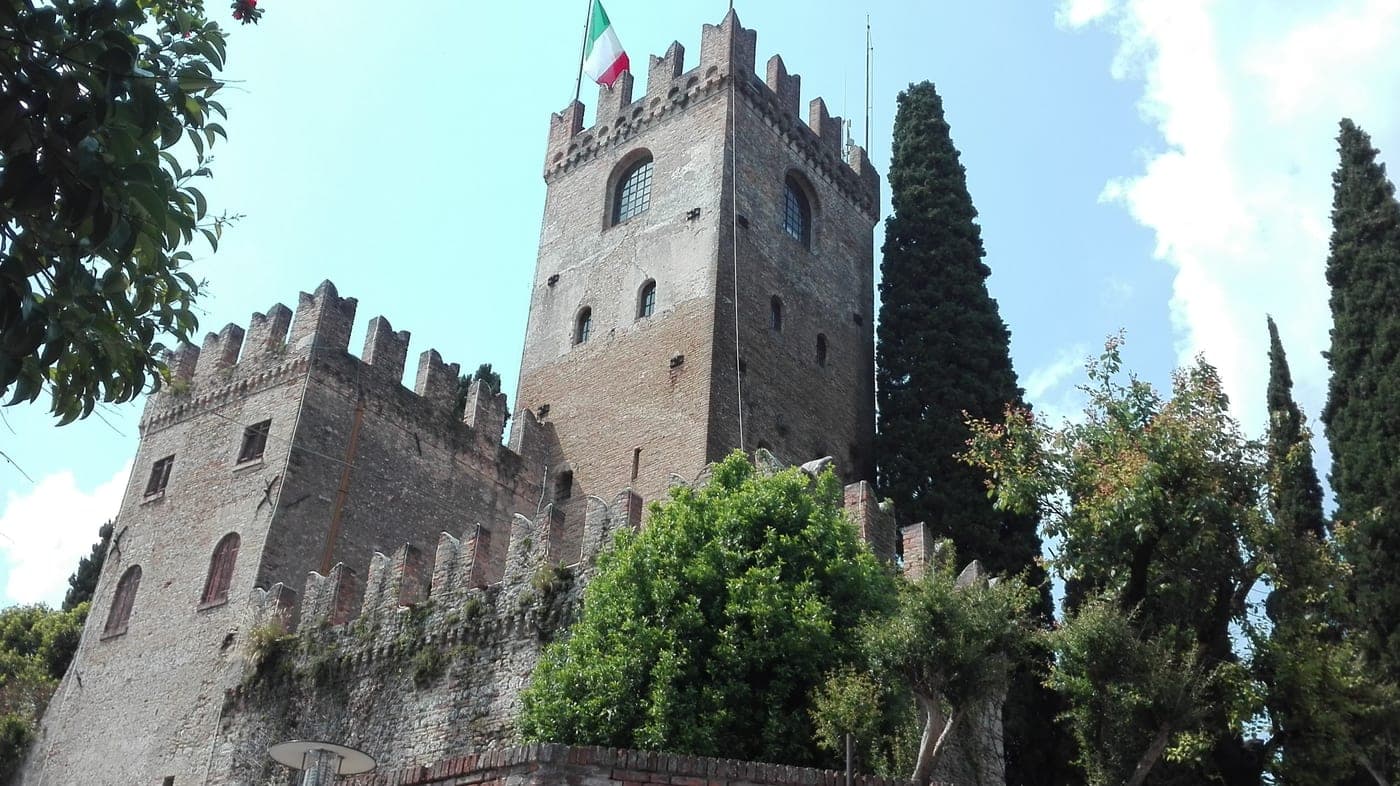
Conegliano
Northern gateway to Prosecco region with wine school and historic hilltop castle.
Wine TastingHiking Wine Tasting
Oderzo
Ancient Roman town in Veneto with local wine production and archaeological sites.
Wine Tasting Wine Tasting
Roncade
Historic wine town near Treviso with castle and quality Prosecco production.
Wine Tasting
1 region
 Wine Tasting20 destinations
Veneto
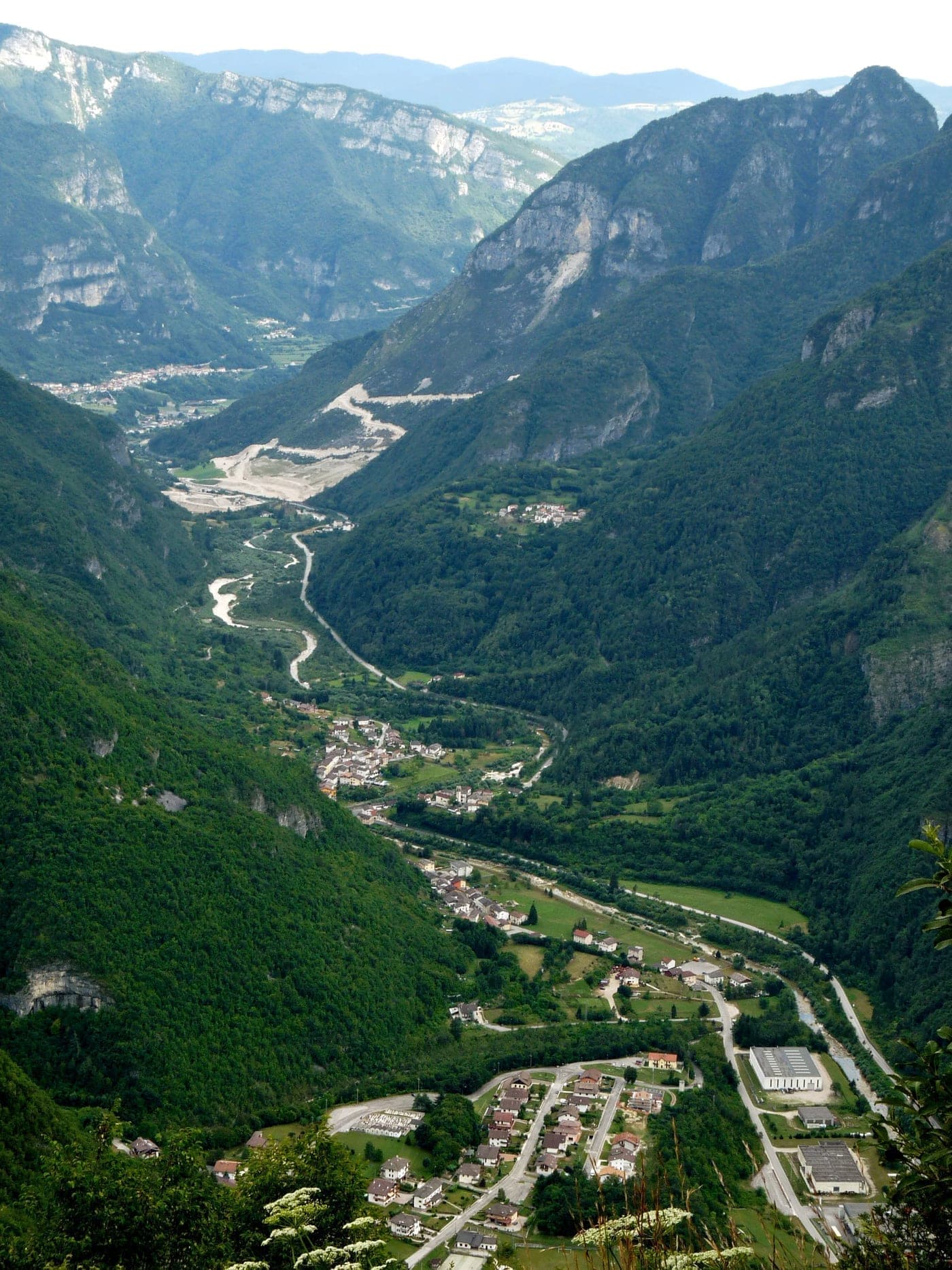
Veneto is a diverse region in northeastern Italy, home to Venice, the only city on the water. It is the eighth largest region in Italy and boasts a rich history shaped by its Roman and Venetian heritage. The countryside features rolling hills, vineyards, and olive groves, producing wines like Prosecco and Amarone. Beyond Venice, towns like Verona, known for its Roman amphitheater, and Vicenza, famous for Palladian architecture, provide cultural depth. The region also offers the picturesque Dolomites for hiking and outdoor activities. Lesser-known villages such as Asolo and Bassano del Grappa reveal local crafts and traditions, ideal for those seeking authentic experiences away from crowds.
Wine TastingHikingThermal Spas





