Schlutzkrapfen
Rye pasta half-moons, Tyrolean on both sides of the border
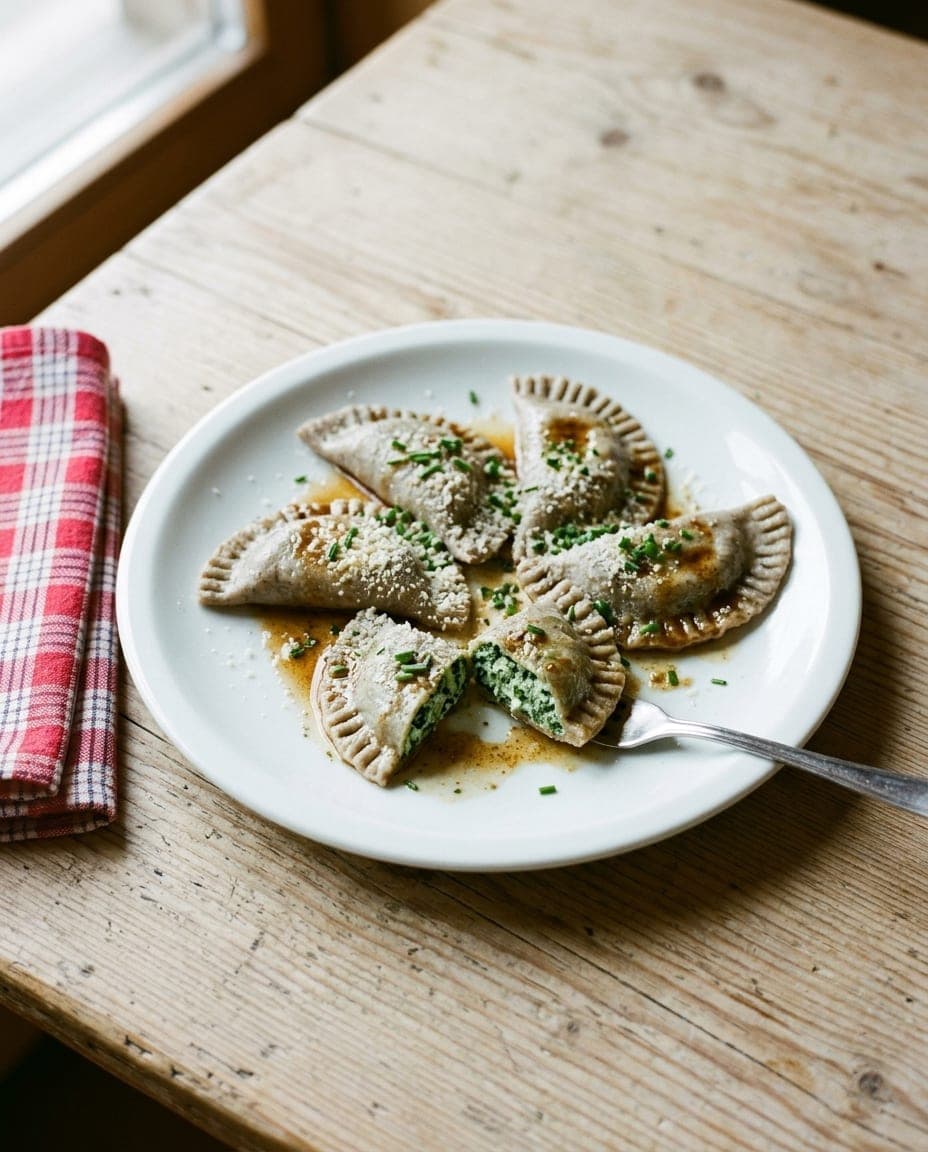
- Local name
- Schlutzkrapfen / Schlutzer
- Served with
- Brown butter, Parmesan, chives
- Best eaten at
- A South Tyrolean Buschenschank or a Tyrolean Gasthof
- Pairs with
- Sylvaner, Vernatsch or Grüner Veltliner
What it is
Schlutzkrapfen are the signature stuffed pasta of Tyrol, made in South Tyrol in northern Italy and just as much across the Brenner in the Austrian state of Tyrol. In South Tyrol they are often shortened to Schlutzer. They are half-moons of thin dough that often includes rye flour alongside wheat, which makes them darker and nuttier than the egg pastas found further south in Italy.
The best-known filling is a mixture of spinach and Topfen, a fresh curd cheese common across the German-speaking world, which gives the dish a creamy texture without being heavy. The half-moons are boiled in salted water until tender and dressed with browned butter, grated cheese and chopped chives. They are not baked or fried; their character comes from the softness of the dough and the warmth of the butter. The rye is what makes them taste Alpine: earthier and less sweet than wheat pasta, against a filling that is deliberately mild.
Where they come from
No single inventor or date is attached to Schlutzkrapfen. The dish belongs to the wider culture of the Tyrolean Alps, where the border between Austria and Italy cuts through a landscape that has long shared farming practices and recipes. On both sides the same half-moons appear on menus, usually with identical names and fillings, and the tradition likely spread through that shared culture rather than from one kitchen.
South Tyrol, a largely German-speaking province in the wider Trentino-Alto Adige region, was part of Austria until the end of the First World War and passed to Italy in 1919. Its food reflects that history more than the Italian national cuisine, and the German name is a reminder of it. Schlutzkrapfen remain a regional speciality there rather than a dish found across Italy, and in Austria too they are less common outside Tyrol and its immediate neighbours.
The rye is the sign of where the dish belongs. Wheat was a lowland crop; rye grew at altitude and in poor soil, where wheat struggles. A dough of rye and wheat together is darker, firmer and less elastic than the pale wheat pasta of the Italian plains. Rolling it thin takes more work, which is part of why they were once made for an occasion. It is mountain food, suited to farmhouses and huts in long winters.
What goes into it
The dish relies on a few ingredients rather than complex technique:
- A rye and wheat dough: the ratio varies by family and valley, but the rye gives the pasta its grey-brown hue and nutty flavour.
- Spinach: chopped fine and squeezed dry, then mixed through the cheese; the green shows through the thin dough.
- Topfen: a fresh, unaged curd cheese, sometimes called quark, that plays the part ricotta plays elsewhere in Italy. South of the Brenner, ricotta often replaces it.
- Browned butter: braune Butter, cooked until the milk solids turn golden and smell of nuts. This is the sauce; there is no other.
- Grated hard cheese: usually Parmesan or a local Alpine variety.
- Chopped chives: added fresh at the end for a sharp, onion-like finish.
Other fillings exist, including potato, meat and beetroot, but spinach and Topfen is the combination most visitors will meet.
How it is eaten
Portions decide the role. Smaller plates, six or eight half-moons, come as a first course before something roasted; larger portions make a main course or a light lunch in a mountain hut. They arrive in a shallow bowl or on a plate, hot, under a glossy layer of brown butter still foaming, with the cheese melting into it. The butter is spooned over so that every one is coated.
They are eaten with a fork, sometimes with a small salad of fresh greens on the side. The dough should have a slight chew rather than falling apart. In South Tyrol a crisp Sylvaner or a light red such as Vernatsch is the usual glass; in Austrian Tyrol it is more often a Grüner Veltliner, its acidity against the butter.
Curious facts
- The border does not divide the dish. Schlutzkrapfen are made on both sides of the Brenner Pass, with only small local differences.
- Rye is the Alpine marker. Rye in the dough distinguishes them from pasta made purely with wheat.
- The name is dialect. Krapfen is the same word Austria uses for a filled fried pastry; Schlutz is usually traced to schlutzen, a dialect verb for slipping or sliding, though the derivation is not certain.
- Not baked. They are boiled and served soft, relying on the butter for richness.
- Fresh or frozen greens. The spinach filling relied on fresh greens; modern versions often use frozen or preserved spinach to serve the dish year-round.
Where to try it
In South Tyrol, a Buschenschank, one of the farm taverns of the wine villages, or a mountain hut is a better bet than a city restaurant. The dumplings are a highlight of Törggelen, the autumn harvest season, when new wine and local produce are celebrated in farm taverns across the region, in a relaxed setting focused on local food and conversation.
In Austria, the place is a Gasthof in the Tyrolean valleys, where they appear as a first course on a handwritten menu rather than a printed one. The dough has to be rolled and filled the same day, so a kitchen either makes them or does not have them. Huts above the villages serve them at lunch in larger portions. The same dish, under the same name, is on a great many menus on both sides of the Brenner.
Where to try it
1 destination
 Wine Tasting
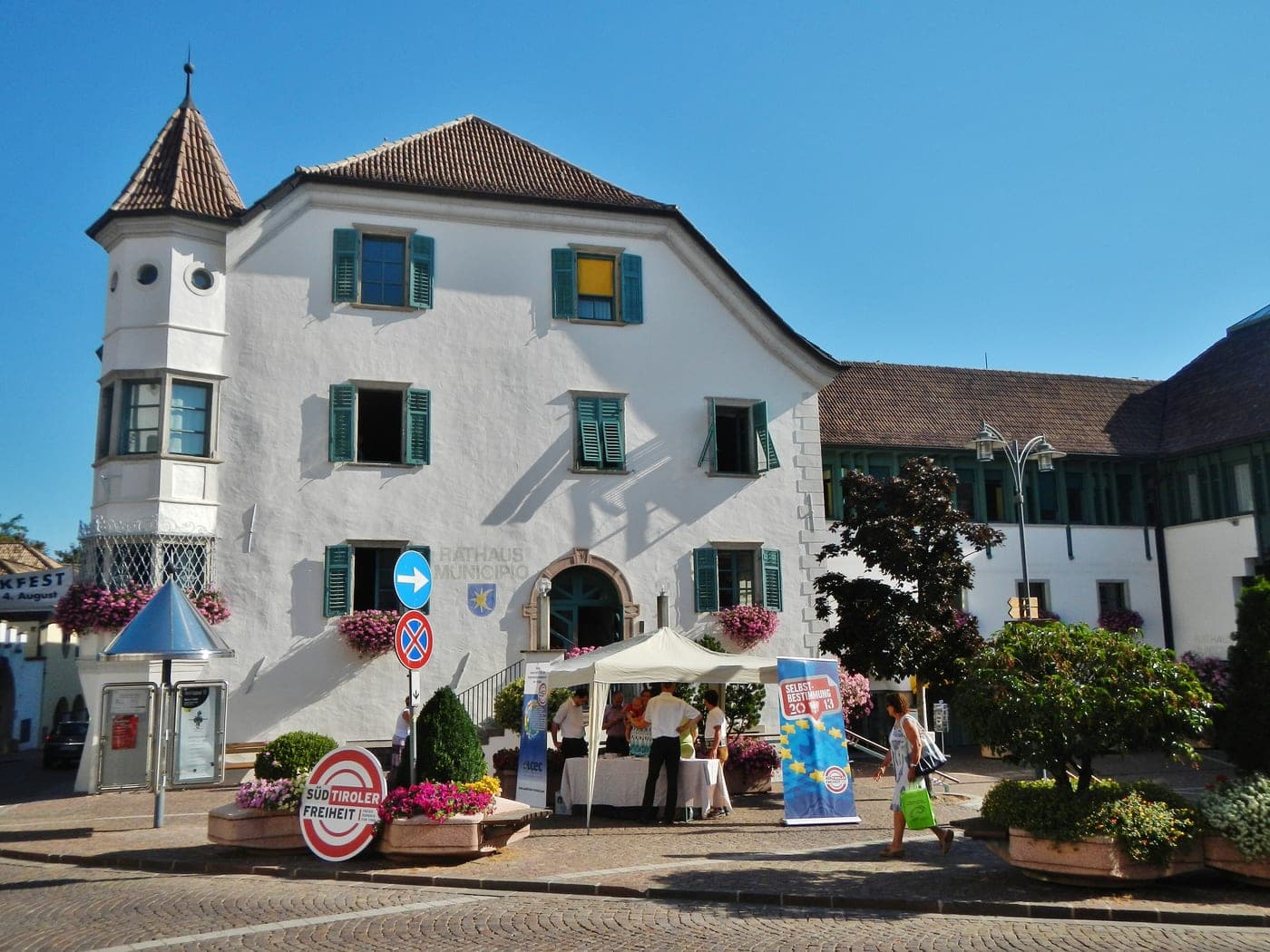
Appiano sulla Strada del Vino
South Tyrol's largest wine municipality on the Wine Road, dotted with over 25 castles and lakeside swimming.
Wine TastingCastlesHiking
1 region
 Camper Van Rentals2 destinations
Tyrol
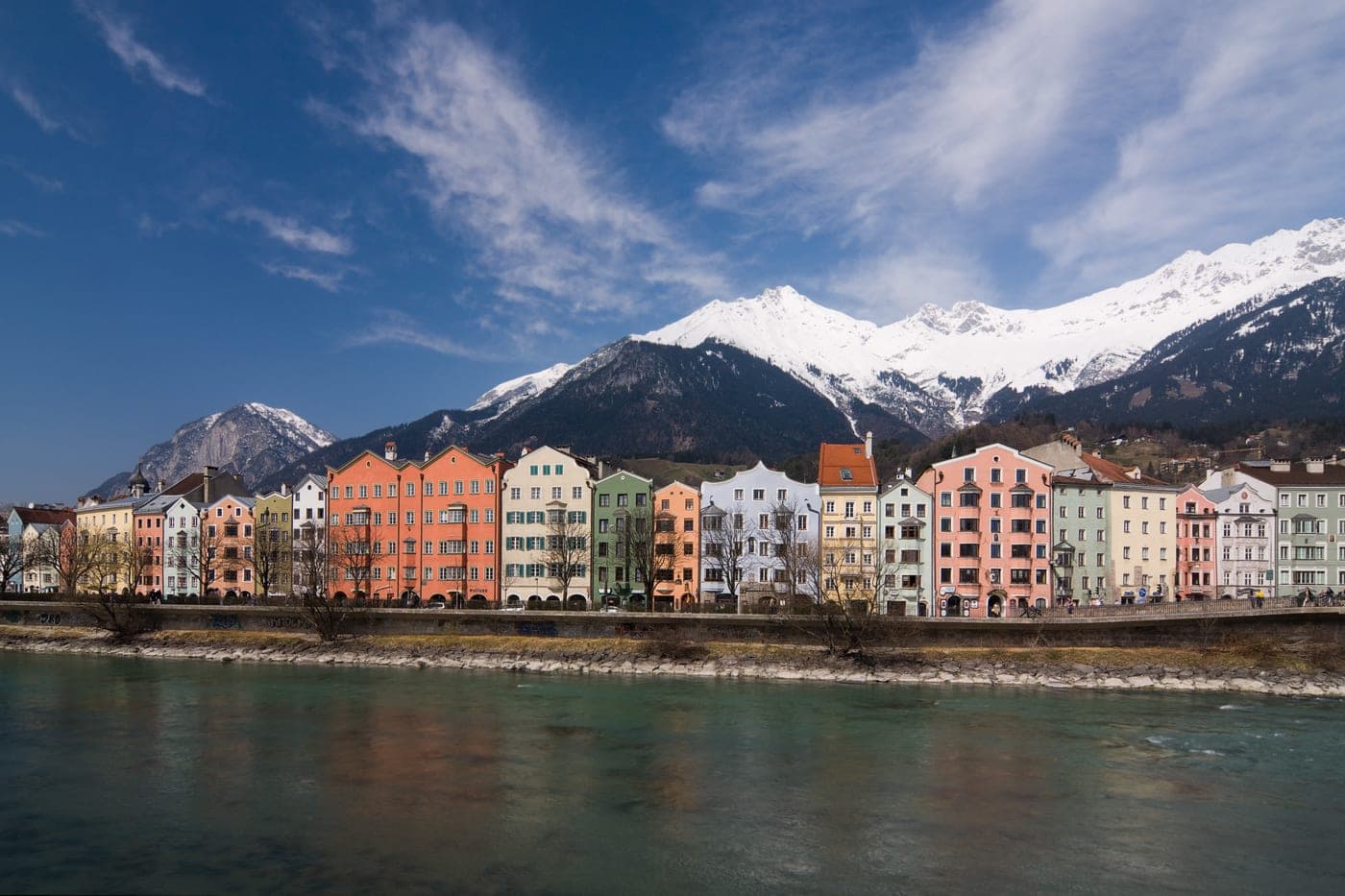
Nestled in the heart of the Alps, this region is renowned for its stunning landscapes and traditional alpine culture. Innsbruck, the capital, is famous for its historic architecture and the iconic Golden Roof. Smaller towns like Hall in Tirol and Rattenberg showcase medieval charm and rich local traditions. The region is known for its outdoor activities, including hiking in summer and skiing in winter, along with unique culinary offerings such as Tyrolean dumplings and apple strudel. Tyrol is also home to numerous historic castles and museums that reflect its rich heritage. Off the beaten path, the Ötztal Valley offers breathtaking trails and authentic mountain huts, ideal for a deeper connection with nature and local life.
Camper Van RentalsHikingLocal CuisineCastles





