Ricciarelli
Soft, chewy almond biscuits from Siena, dusted with icing sugar
- Vegetarian
- Local name
- Ricciarelli
- Served with
- Coffee
- Best eaten at
- A Siena pasticceria
- Pairs with
- Vin Santo
What it is
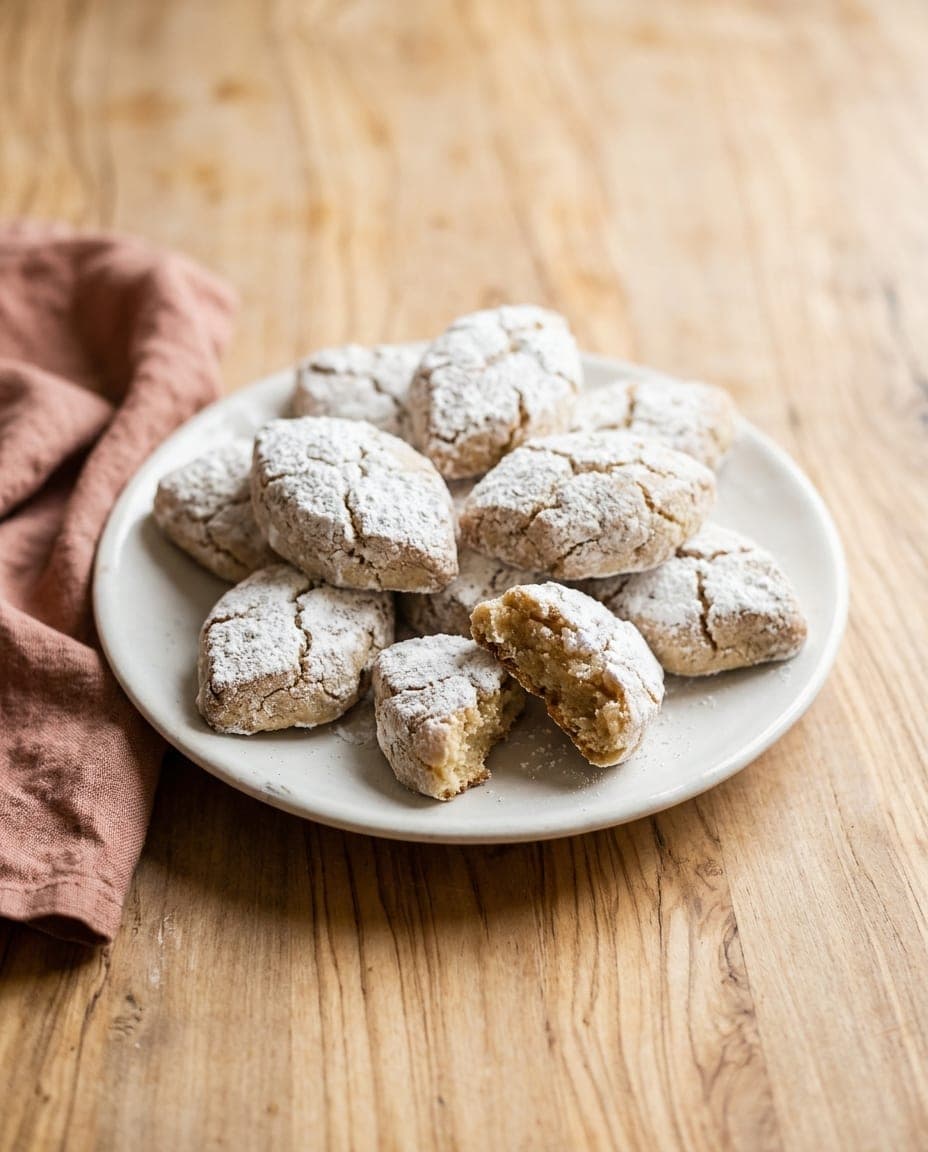
Ricciarelli are the soft, chewy almond biscuits that define the pastry shops of Siena in Tuscany. They are oval in shape, slightly domed, and possess a distinctive cracked surface dusted thickly with white icing sugar. Unlike many other Italian sweets that rely on flour or butter for their structure, these biscuits contain no butter and little or no flour. Their body is built from ground almonds, sugar and egg whites, often scented with candied orange peel, creating a texture that is chewy and yielding, almost like marzipan, while the exterior forms a thin, crackled crust.
The experience of eating a Ricciarello is defined by this contrast between the delicate, crumbly shell and the moist, dense interior. They are not crisp or crunchy like a cantuccio. Instead, they offer a gentle resistance that melts in the mouth. In traditional recipes the dough is rested for several hours, often overnight, before it is shaped and baked.
These biscuits are a speciality of Siena and its province. They are bound up with the city's history and appear in flat paper-lined boxes, often sold by weight or in decorative tins. While they are a staple at Christmas, they remain available year-round in the local pasticcerie, serving as a constant reminder of Sienese confectionery heritage.
The medieval roots of Siena's sweet
The roots of Ricciarelli are usually traced to the almond-and-sugar sweets of the Middle Ages, which in Siena were made in convents and in the shops of the speziali, the apothecaries who sold sugar and spices. The name ricciarelli itself appears in print much later, and Pellegrino Artusi included a recipe for "Ricciarelli di Siena" in his 1891 cookbook. The skill of working with almond paste became a hallmark of Sienese pastry makers.
The name itself is attached to a piece of local folklore involving Ricciardetto della Gherardesca, a nobleman from the powerful Gherardesca family. The story goes that he returned to Siena after a long journey, by some accounts from the Crusades, bringing with him the recipe for these almond biscuits. While historians treat this tale as legend rather than verified fact, it remains a popular explanation for the dish's name and its association with the city's aristocratic past. The biscuit is widely believed to be an evolution of the marzipan sweets that were once a luxury reserved for the elite.
How they are made without butter
The construction of Ricciarelli relies on the specific properties of ground almonds and sugar, with no butter and at most a little flour. The primary ingredients are finely ground almonds, which provide the bulk and the characteristic nutty flavour, and sugar, which sweetens the mixture and contributes to the cracking effect on the surface during baking. Egg whites act as the binding agent, holding the dough together without adding any fat or flour-based structure.
A crucial step in the process is the resting of the dough. After the ingredients are mixed into a smooth paste, the mixture is traditionally left to rest for several hours, often overnight, which bakers say helps the soft, chewy texture. The dough is then shaped by hand or machine into small ovals, traditionally set on thin wafers, before being dusted generously with icing sugar. When baked at a moderate temperature, the surface sets and cracks to form the signature crust, while the interior remains moist and tender.
How it is eaten
Ricciarelli are typically enjoyed as a sweet treat alongside coffee or a specific local wine. A classic pairing is Vin Santo, a sweet Tuscan dessert wine made from dried grapes; Moscadello di Montalcino is another local choice. The sweetness of the biscuit complements the nutty, honeyed notes of the wine, while the chewy texture holds up well against the liquid without dissolving immediately. This combination is particularly common during the Christmas season, when the biscuits are served in larger quantities as part of festive celebrations.
They are also eaten with a simple espresso or tea, where the bitterness of the coffee cuts through the intense sweetness of the almond and sugar. The texture is such that they do not need to be broken apart; one can bite directly into the soft centre, feeling the contrast between the sugary crust and the yielding interior. In a Sienese pasticceria, it is common to see them arranged in flat boxes lined with paper, ready to be taken home or enjoyed immediately at a small table near the window.
Curious facts
- Protected status. The name Ricciarelli di Siena has been a Protected Geographical Indication (PGI) since 2010, so only biscuits produced in the province of Siena to the official specification can bear the label.
- No butter. Unlike most Italian cookies, these contain no butter and little or no flour, relying on almonds, sugar and egg whites for their structure.
- A long rest. Traditional recipes rest the dough for many hours, often overnight, before shaping.
- Cracked surface. The thick layer of icing sugar applied before baking creates a distinctive cracked crust that looks like dried mud or a map when baked.
- Festive staple. While available year-round, they are most prominent during Christmas, often sold in decorative tins and flat paper-lined boxes as gifts.
Where to try it
The most atmospheric place to taste Ricciarelli is Siena itself, in the city's historic pasticcerie, many of them family businesses with long histories. Packaged PGI Ricciarelli di Siena from the province's producers are sold widely across Italy, but freshly baked ones from a Sienese pastry shop are softer and more fragrant.
In the best of these shops, the pastries are made fresh, ensuring the soft, chewy interior is at its peak. A visit to a Sienese pasticceria in December offers the chance to see the biscuits displayed alongside other Christmas treats, ready to be paired with a glass of Vin Santo or a strong espresso.
Where to try it
1 destination
 Wine Tasting
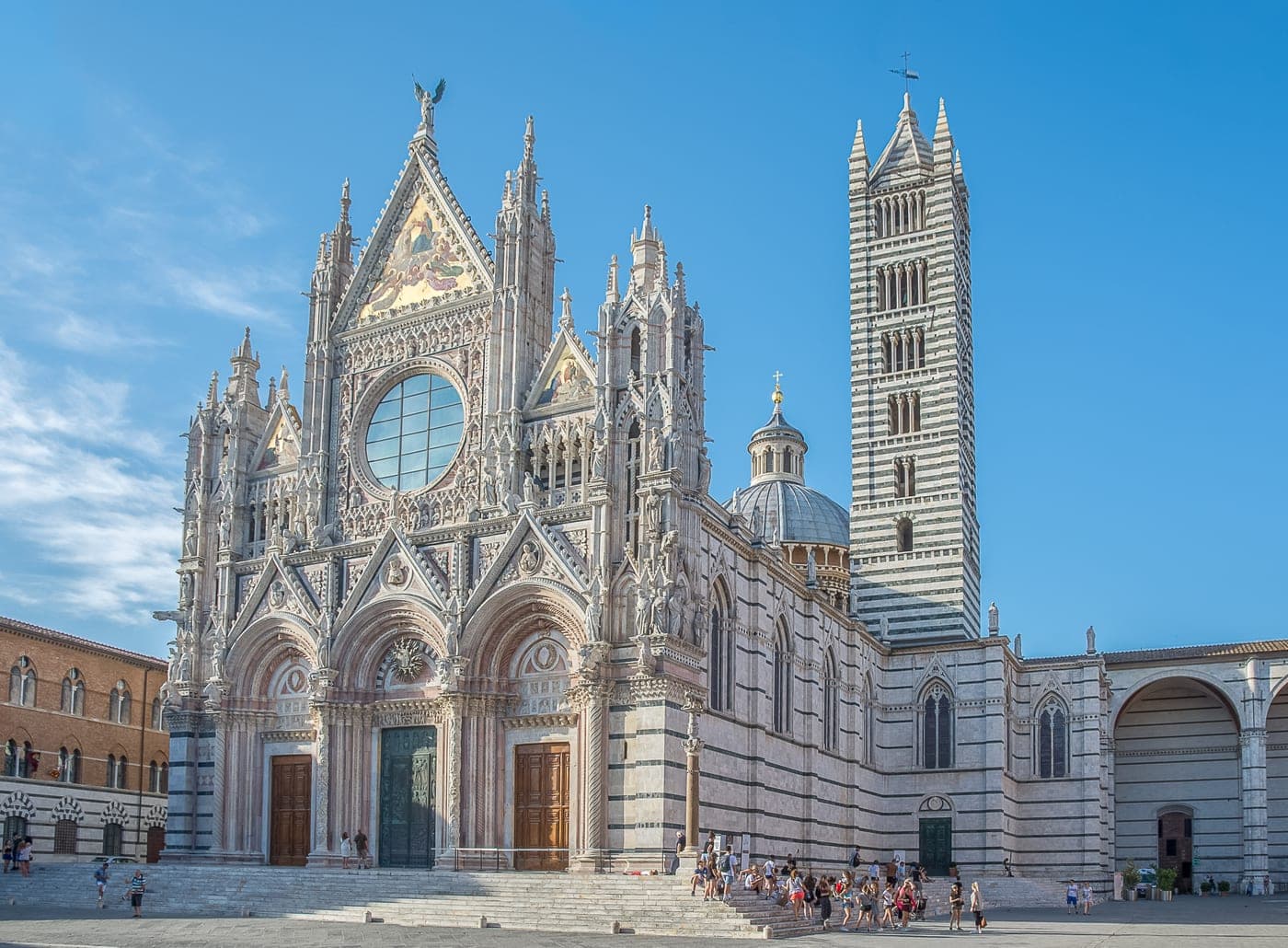
Siena
UNESCO medieval city in the heart of Tuscany's wine country with historic Palio horse race.
Wine TastingHiking
1 region
 Wine Tasting38 destinations
Tuscany
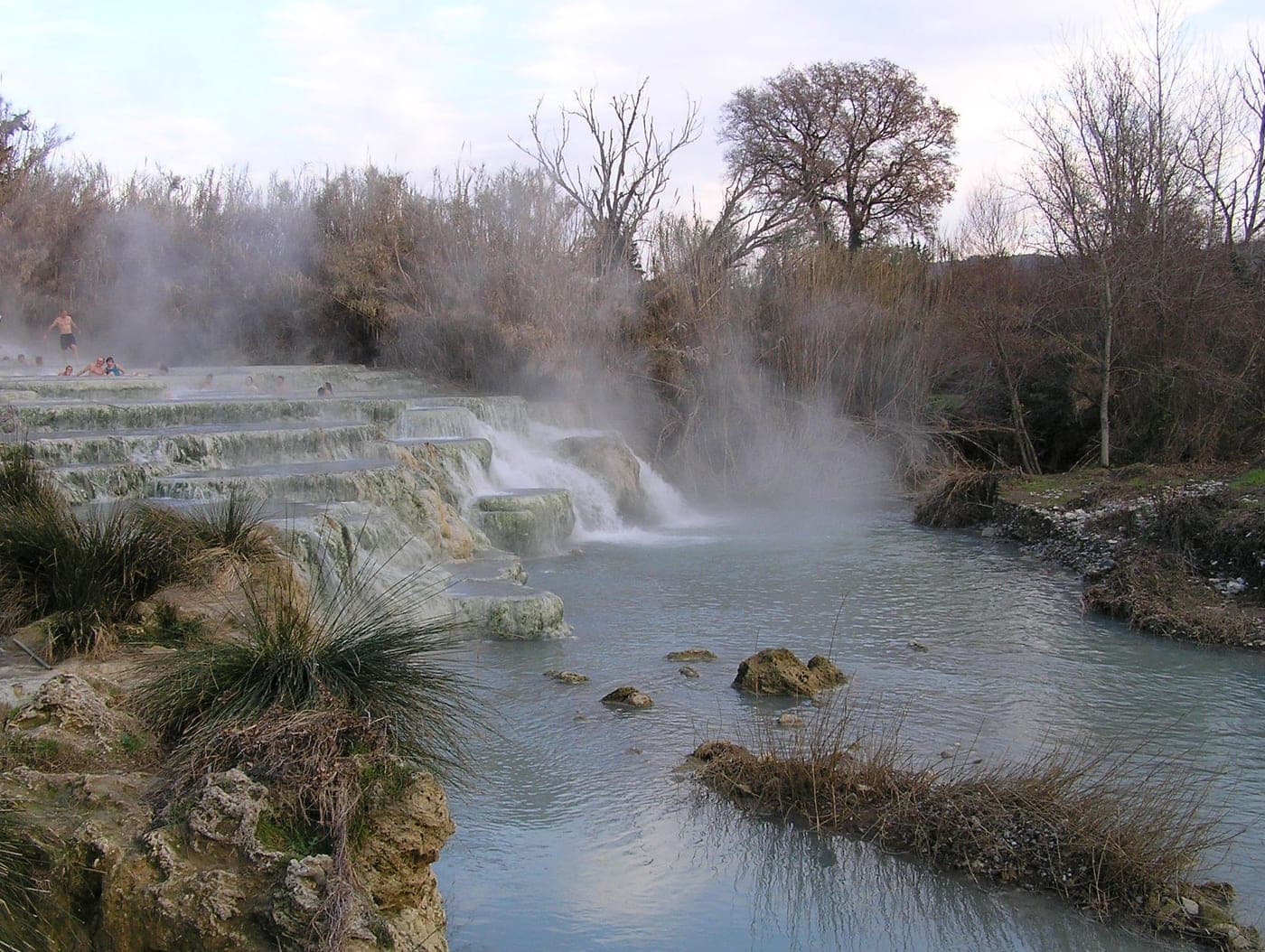
Tuscany, known for its rolling hills and rich history, is the second-largest region in Italy. Florence, its capital, is renowned for Renaissance art and architecture, but also worth exploring are smaller towns like Pienza, famous for pecorino cheese, and San Gimignano, known for its medieval towers. The region boasts diverse landscapes from the Chianti vineyards to the coastal Maremma. Tuscany is also celebrated for its local festivals, such as the Palio di Siena, and its traditional cuisine that emphasizes fresh, local ingredients. This area offers a glimpse into Italy's agrarian past with its rustic farms and olive groves, making it a unique place to slow down and connect with the local culture.
Wine TastingThermal SpasHikingAgritourism





