Pici
Thick hand-rolled pasta from southern Tuscany's Val d'Orcia
- Vegetarian
- Local name
- Pici
- Best eaten at
- A Montepulciano or Siena osteria
- Pairs with
- Rosso di Montepulciano
What it is
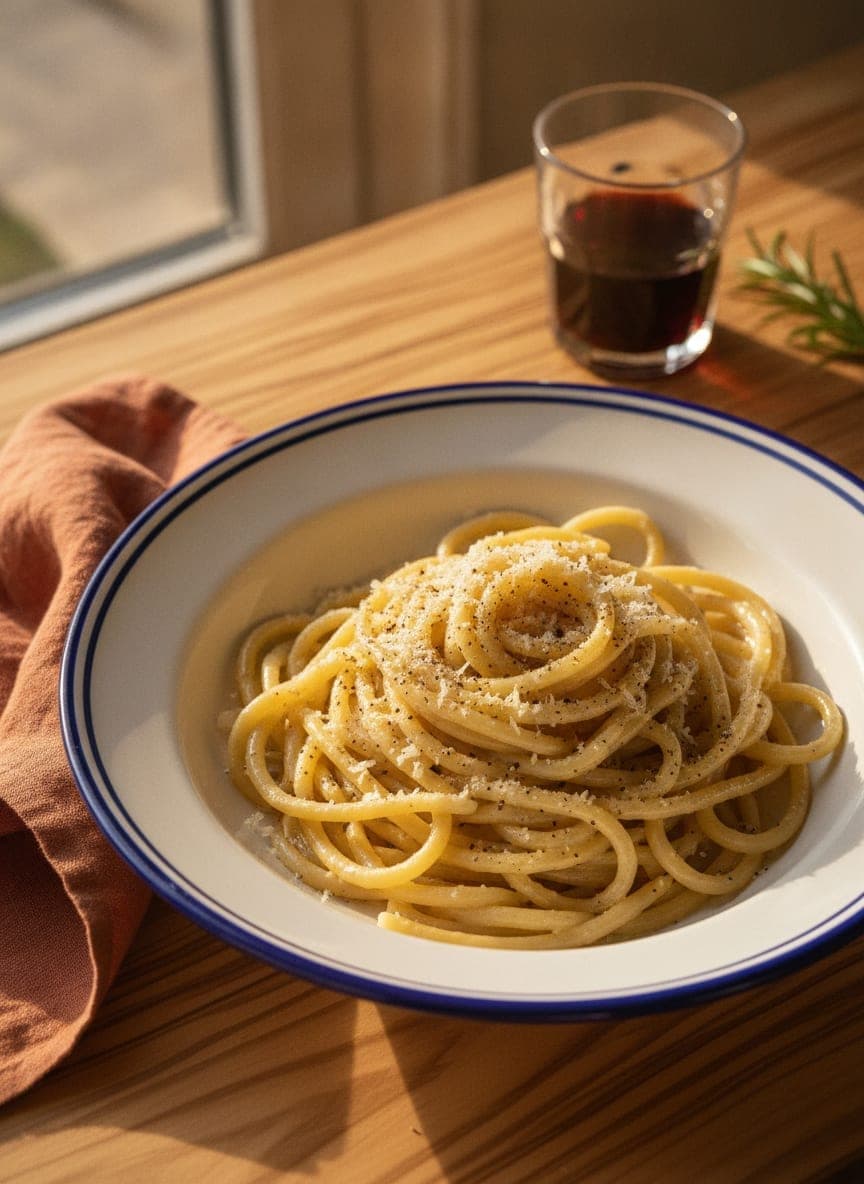
Pici are thick, hand-rolled strands of pasta from southern Tuscany, particularly the province of Siena: the Val d'Orcia, the Val di Chiana and the area around Montalcino and Montepulciano. Unlike the uniform strands produced by machines, each one is rolled out individually on a wooden board, resulting in a slightly uneven surface that varies in thickness along its length. The pasta is made from simple ingredients: flour, water and a pinch of salt, with no egg added to the dough.
The texture is distinctively chewy and substantial. Because the rolling creates a rougher exterior than extruded pasta, pici hold onto sauces rather than letting them slide off. A single serving is filling, in keeping with its origin as everyday country food.
How the name comes from the rolling
The word pici is usually linked to the local dialect verb appiciare, which describes rolling a piece of dough by hand on a board into a long, thick strand. The action is exactly what the pasta requires: a piece of dough is rolled under the palms against a flat surface until it forms a long rope. The process is tactile and rhythmic, done by hand in family kitchens and by cooks in small osterie.
This manual method is the defining characteristic of the pasta. Machine-made pici exist today, but they lack the irregular, slightly porous surface of the hand-rolled kind, which is what traps the robust, rustic sauces of the region so effectively.
The three classic sauces
Pici are almost always dressed with a sauce that suits their density. Three versions stand out in the local tradition.
The most famous pairing is pici all'aglione. Aglione is a giant, mild garlic from the Val di Chiana, cooked slowly in olive oil with tomato into a sauce that permeates every strand without the harshness of ordinary garlic.
A second classic is pici con le briciole, where the pasta is tossed with stale bread crumbs toasted in olive oil, sometimes with a little garlic or chilli. This is one of the plainest dishes in the repertoire, born from the need to use up stale bread. Despite its humble origins, the combination of crunchy crumbs and soft pasta creates a satisfying contrast in texture.
The third variation is a rich meat ragù, often made with duck or wild boar. The heavy sauce clings to the thick strands, creating a hearty plate that was traditionally eaten by farmers and labourers after long days in the fields.
A dish of cucina povera
Pici belong to cucina povera, the frugal cooking of a time when southern Tuscany was a poor agricultural region. The ingredients were what people could grow or keep: flour from local grain, water, garlic, and whatever vegetables or meats the season allowed.
The absence of eggs is significant. In much of northern and central Italy, fresh pasta is traditionally made with egg, but in this part of Tuscany the reliance on flour and water reflects the economics of the past, when eggs were too valuable to use every day. Even today, the simplicity of the ingredients remains central to its identity.
How it is eaten
Pici are served as a primo, the pasta course, at lunch or dinner in a local osteria or trattoria. The pasta arrives in a shallow bowl or plate, generously coated with sauce, and is eaten with a fork.
It pairs naturally with the red wines of the area. A glass of Rosso di Montepulciano, with its earthy notes and moderate tannins, complements the garlic or meat sauces without overwhelming them.
The choice between the garlic and tomato version, the breadcrumb version or a ragù often depends on the season and what the kitchen has that day; duck ragù, for instance, tends to appear on menus in autumn and winter.
Curious facts
- The rolling is the point. Pici are made one strand at a time, resulting in variations in thickness and shape that affect how the sauce clings to each piece.
- No eggs required. Traditional pici use only flour, water and salt, reflecting the region's history of thrift.
- Garlic from the valley. The aglione used in the most famous version comes from the Val di Chiana and is known for its very large, mild bulbs.
- A village festival. Celle sul Rigo, in the south of the province of Siena, holds a sagra dedicated to pici, where volunteers roll the pasta by hand in large quantities.
- Regional pride. The pasta is specific to southern Tuscany, particularly around Siena, Montalcino and Montepulciano, and is far less common elsewhere in Italy.
Where to try it
The best place to eat pici is an osteria in Montepulciano, Siena or Montalcino, where the tradition remains alive and many kitchens still roll the pasta by hand. In the villages of the Val d'Orcia, rural trattorias focusing on local produce also serve excellent versions.
In Buonconvento, Pienza and Montepulciano, pici appear on the menus of many traditional restaurants. They are not a tourist novelty but a regular part of the local table, and places where the pasta is rolled by hand are worth seeking out for the texture that defines the dish.
Where to try it
4 destinations
 Wine Tasting
Buonconvento
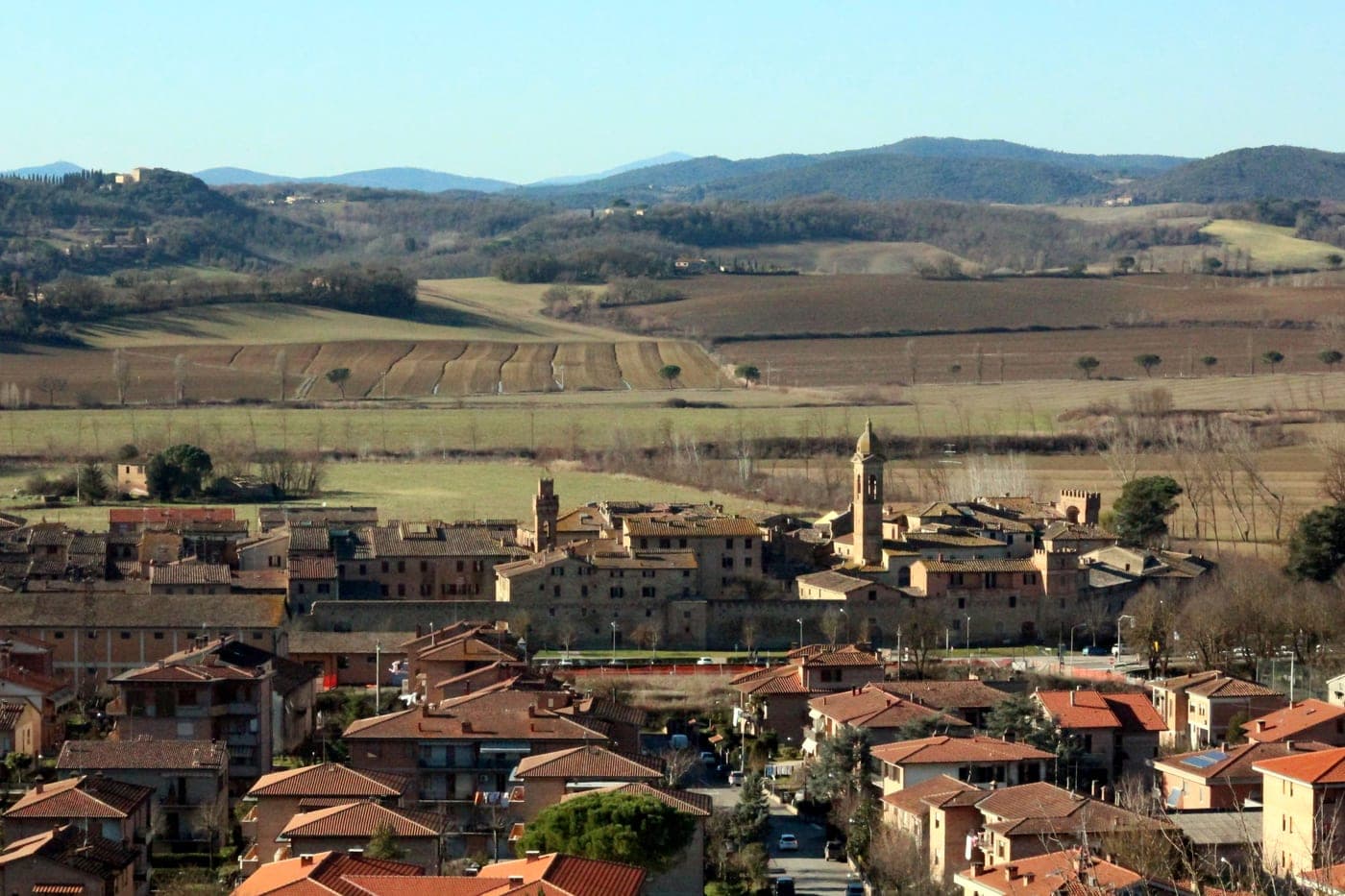
Buonconvento is a perfectly preserved medieval walled town in the Val d'Orcia.
Wine TastingHiking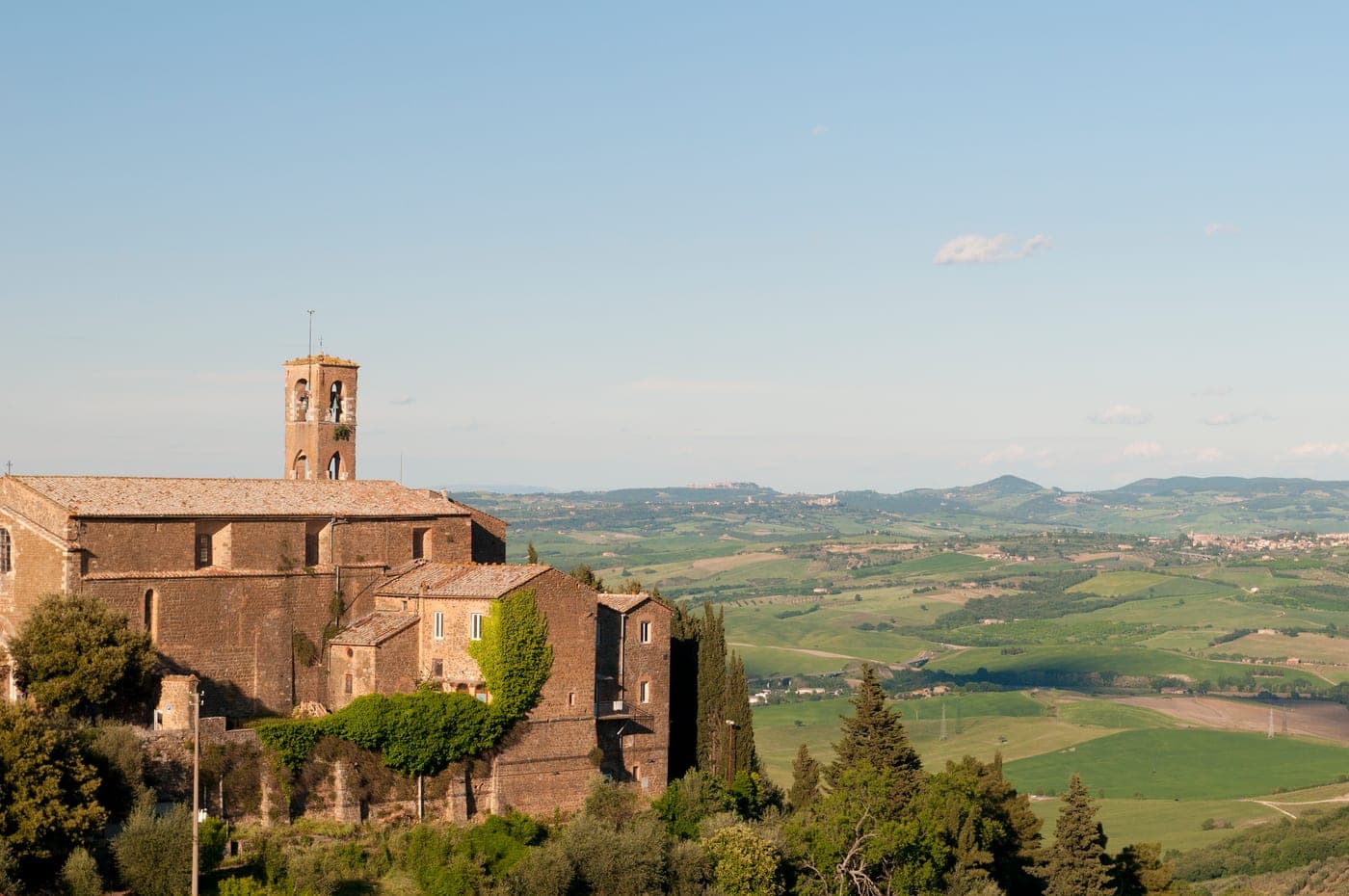 Wine Tasting
Montalcino
Hilltop town world-famous for Brunello di Montalcino DOCG wine.
Wine TastingHikingLocal Cuisine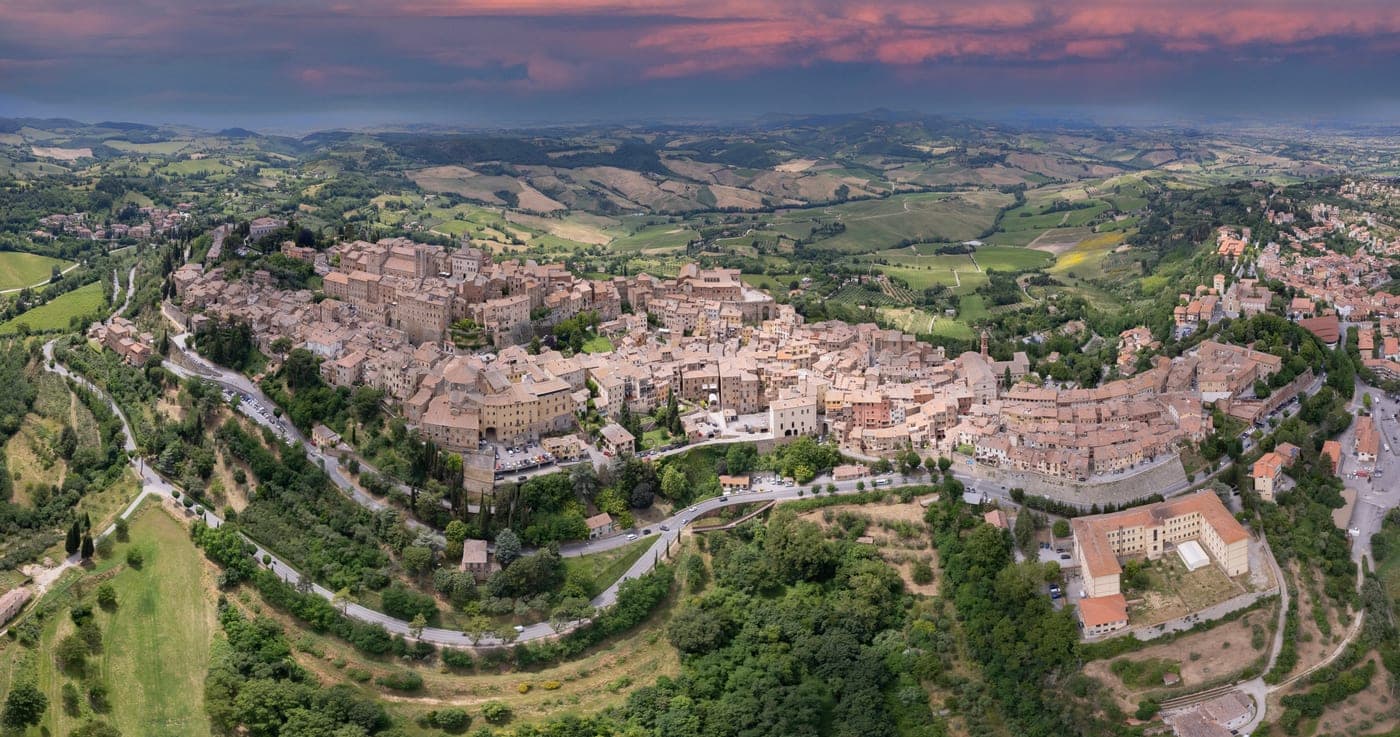 Wine Tasting
Montepulciano
Hilltop town famous for Vino Nobile di Montepulciano DOCG and Renaissance architecture.
Wine TastingHiking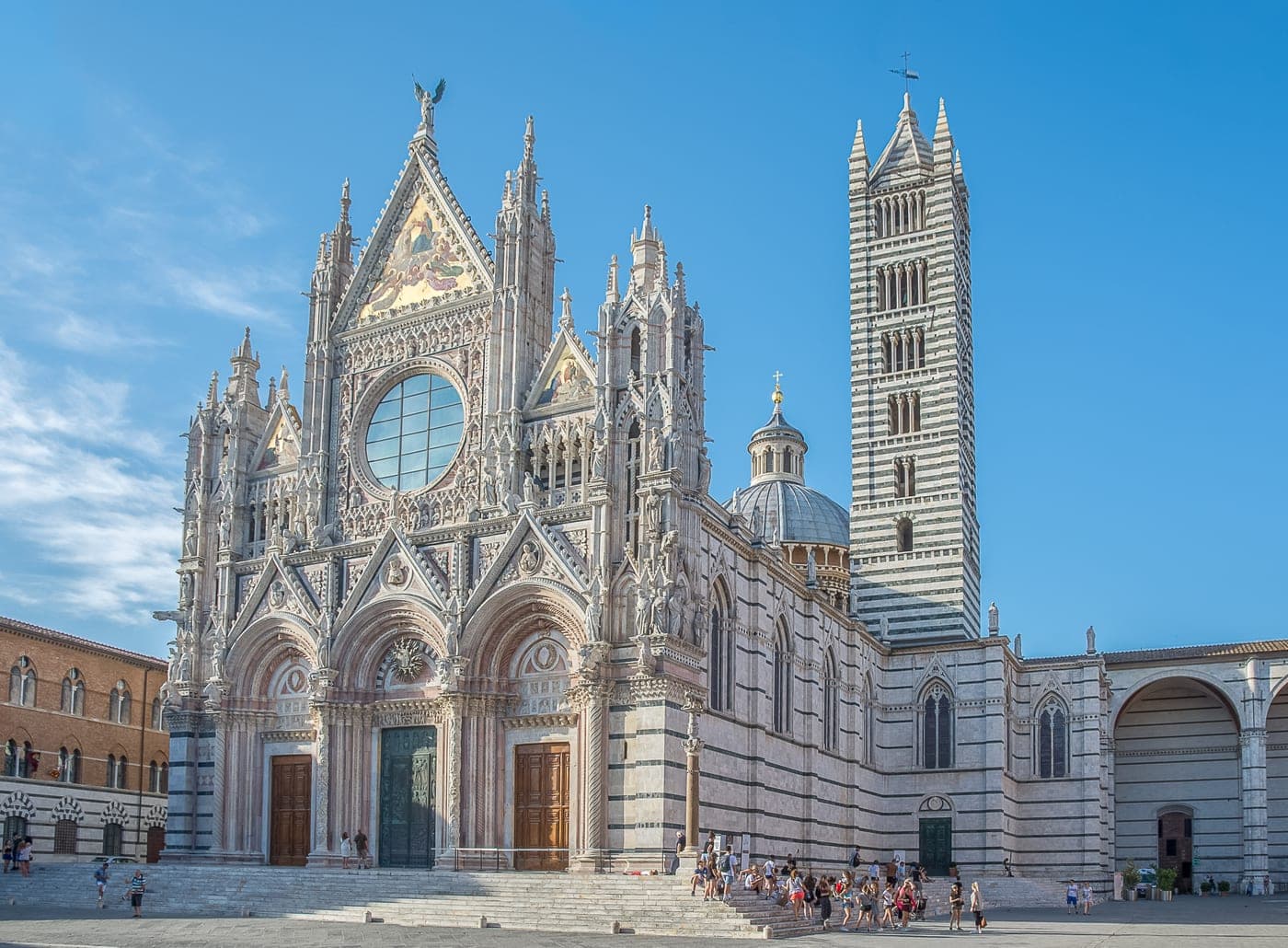 Wine Tasting
Siena
UNESCO medieval city in the heart of Tuscany's wine country with historic Palio horse race.
Wine TastingHiking
1 region
 Wine Tasting38 destinations
Tuscany
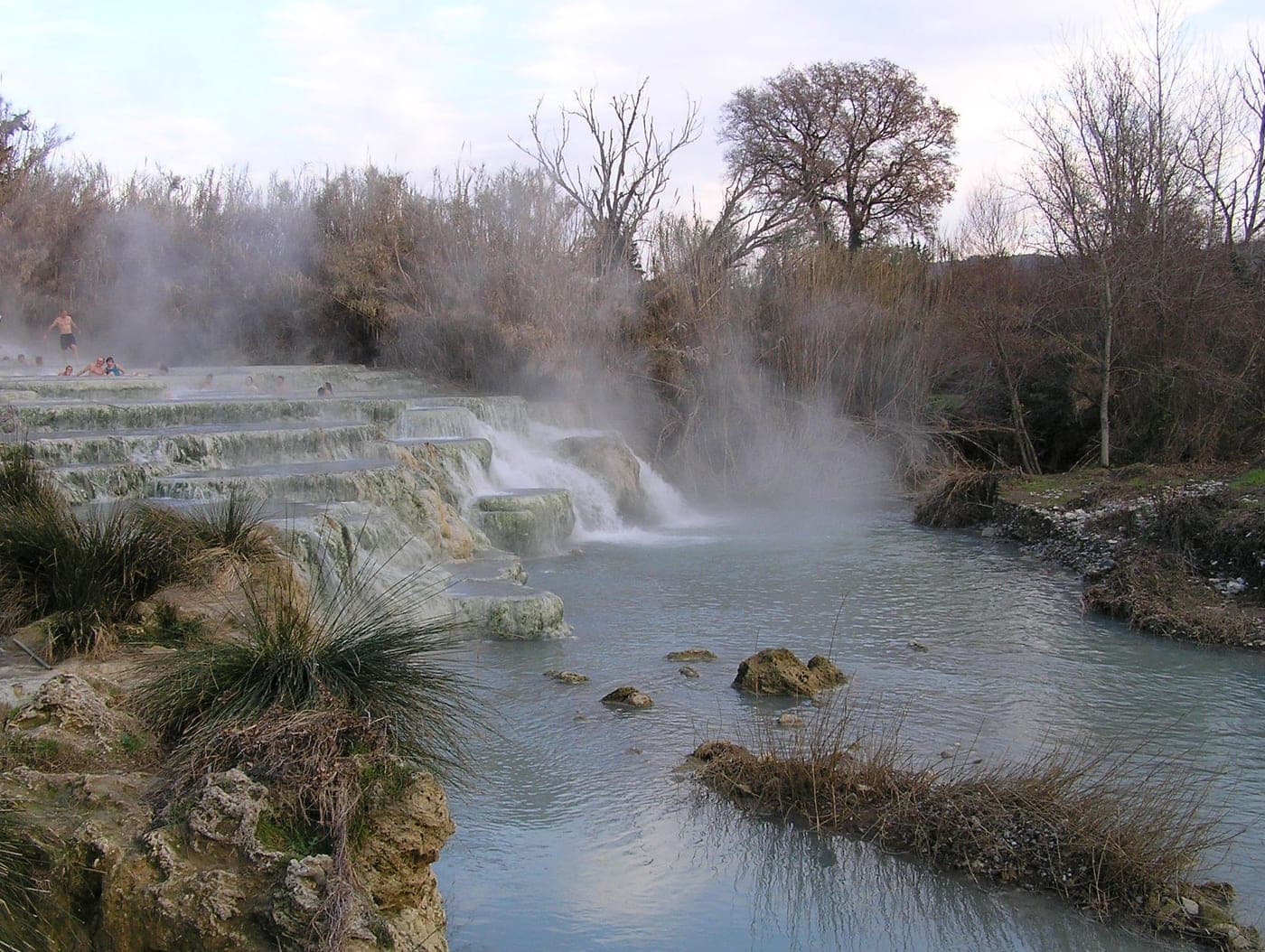
Tuscany, known for its rolling hills and rich history, is the second-largest region in Italy. Florence, its capital, is renowned for Renaissance art and architecture, but also worth exploring are smaller towns like Pienza, famous for pecorino cheese, and San Gimignano, known for its medieval towers. The region boasts diverse landscapes from the Chianti vineyards to the coastal Maremma. Tuscany is also celebrated for its local festivals, such as the Palio di Siena, and its traditional cuisine that emphasizes fresh, local ingredients. This area offers a glimpse into Italy's agrarian past with its rustic farms and olive groves, making it a unique place to slow down and connect with the local culture.
Wine TastingThermal SpasHikingAgritourism





