Panzerotti
Fried half-moon pockets of tomato and mozzarella from Puglia
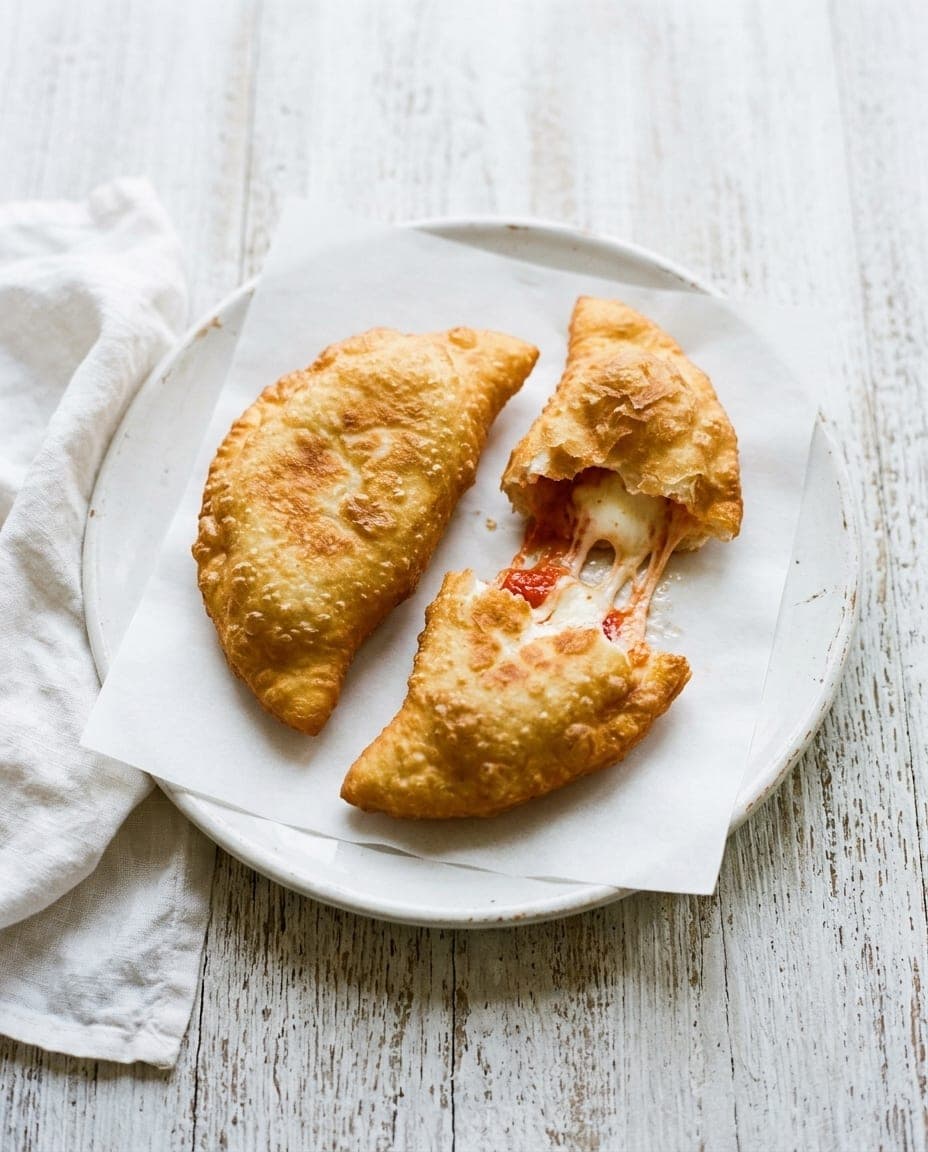
- Local name
- Panzerotti
- Best eaten at
- A Bari street friggitoria
- Pairs with
- A cold Puglian beer
What it is
Panzerotti are fried half-moon turnovers made from a yeasted bread dough, filled with tomato and mozzarella, and sealed before being deep-fried until the skin puffs and blisters. They belong to the region of Puglia in southern Italy, where they are a staple rather than a novelty. The dish is most closely associated with Bari, the regional capital, but it is found across the region.
The word panzerotto is a diminutive of panza, the southern Italian form of pancia, "belly", a reference to the swollen, pot-bellied shape the pocket takes on in the hot oil. The result is crisp and golden on the outside while the interior remains soft, steamy and molten. A single panzerotto is roughly the size of a hand, making it a substantial snack or a light meal.
There is a clear distinction between these fried pockets and their baked cousins. A calzone is a folded pizza baked in an oven; it is larger and generally served as a main course. A panzerotto is deep-fried, which gives the dough a lighter, airier texture and a different kind of crunch. The filling is usually tomato seasoned with salt and oil and a mozzarella that melts into a creamy centre.
The history of the fried pocket
The panzerotto is a dish of cucina povera. Its likely origin lies in home kitchens where leftover bread dough was rolled into a small round, filled with tomato and cheese and folded into a crescent before frying. No precise date of invention is known, but it has long been part of everyday eating in Bari and the surrounding towns.
In Puglia, frying is not limited to this one dish. The region has a long tradition of fried dough, from savoury bites to sweet treats, but the panzerotto stands out because it turned a humble ingredient list into a symbol of Puglian street food, now exported as far as Milan and beyond.
The dish is not merely a snack; it is a social ritual. In Bari, panzerotti are sold by pizzerias, bakeries and specialised panzerotterie, often eaten on the seafront promenade or by the walls of the old town. At home, a panzerottata with family and friends is a familiar way to mark birthdays and holiday eves.
Where they come from
Fried dough appears across Italy, and in Campania similar pockets go by the name of calzoni fritti or pizze fritte, but the panzerotto is a regional speciality of Puglia. The city of Bari is the heart of the tradition, while towns across the region have their own variations in the type of cheese, the thickness of the dough or the filling.
The places that sell them are rarely fancy; they are often simple counters with a large vat of oil and a few stools or standing room. The air smells of frying dough and tomato, and a line of customers is a constant feature of the evening.
What goes into it
The ingredients are few and simple, which is why the quality of each component matters so much.
- Dough: A yeasted bread dough, often made with a mix of soft wheat flour and durum wheat semolina, rolled thin enough to become crisp when fried but thick enough to hold the filling without breaking.
- Tomato: Peeled or puréed tomato, seasoned with salt and a little olive oil. It must be well drained, because excess moisture can tear the dough and burst the seal during frying.
- Cheese: Mozzarella that melts into a creamy texture without leaking too quickly.
- Oil: Seed oil or another oil suitable for deep frying, heated to the right temperature to puff the dough without burning it.
The classic filling is just tomato and cheese, with black pepper or grated cheese as optional extras. Popular variations include mortadella with provolone, onions with olives, or turnip greens, while baked sweet cousins called ficarelli are filled with fig jam.
How it is eaten
Panzerotti are best eaten standing up, straight from the fryer, while they are still scaldingly hot. They are a street food first and foremost, designed for quick consumption rather than long dining. In Bari, locals and visitors alike hold the hot pocket in one hand, wrapped in a piece of paper or a napkin to catch any oil.
The first bite requires care. The steam inside is intense and the cheese is molten, so it is common to take a small bite first to let the heat escape. The texture is a mix of the crisp, blistered exterior and the soft, chewy interior, with a burst of warm tomato and creamy cheese.
They are rarely served with cutlery. A cold beer is a common companion, though water or a simple red wine from the region also works well.
Curious facts
- The seal matters. If the dough is not sealed tightly enough or the filling is too wet, the steam will burst the pocket during frying, causing the oil to splash and the filling to leak out.
- A hand-sized portion. Unlike the larger calzone, a panzerotto is designed to be held in one hand and eaten quickly, making it ideal for street food.
- The name origin. The word panzerotto comes from panza, "belly", after its swollen, pot-bellied shape.
- Fried by definition. In Puglia the name belongs to the fried version; baked pockets of the same dough are usually called calzoni.
- The fryer's skill. The quality of the dish depends heavily on the temperature of the oil; too hot and the dough burns before the filling heats through, too cool and it becomes greasy and heavy.
Where to try it
The best place to eat a panzerotto is in Bari itself, where the tradition is strongest. These are not places for formal dining; they are counters where customers stand and eat while watching the oil bubble.
Outside Bari, the dish is easy to find in towns along the coast such as Monopoli and Polignano a Mare, where local friggitorie have their own reputations. A busy counter full of locals is usually the surest sign of quality. Whether in Bari or one of the nearby towns, the panzerotto captures the spirit of Puglian street food.
Where to try it
3 destinations
 Boat Rentals
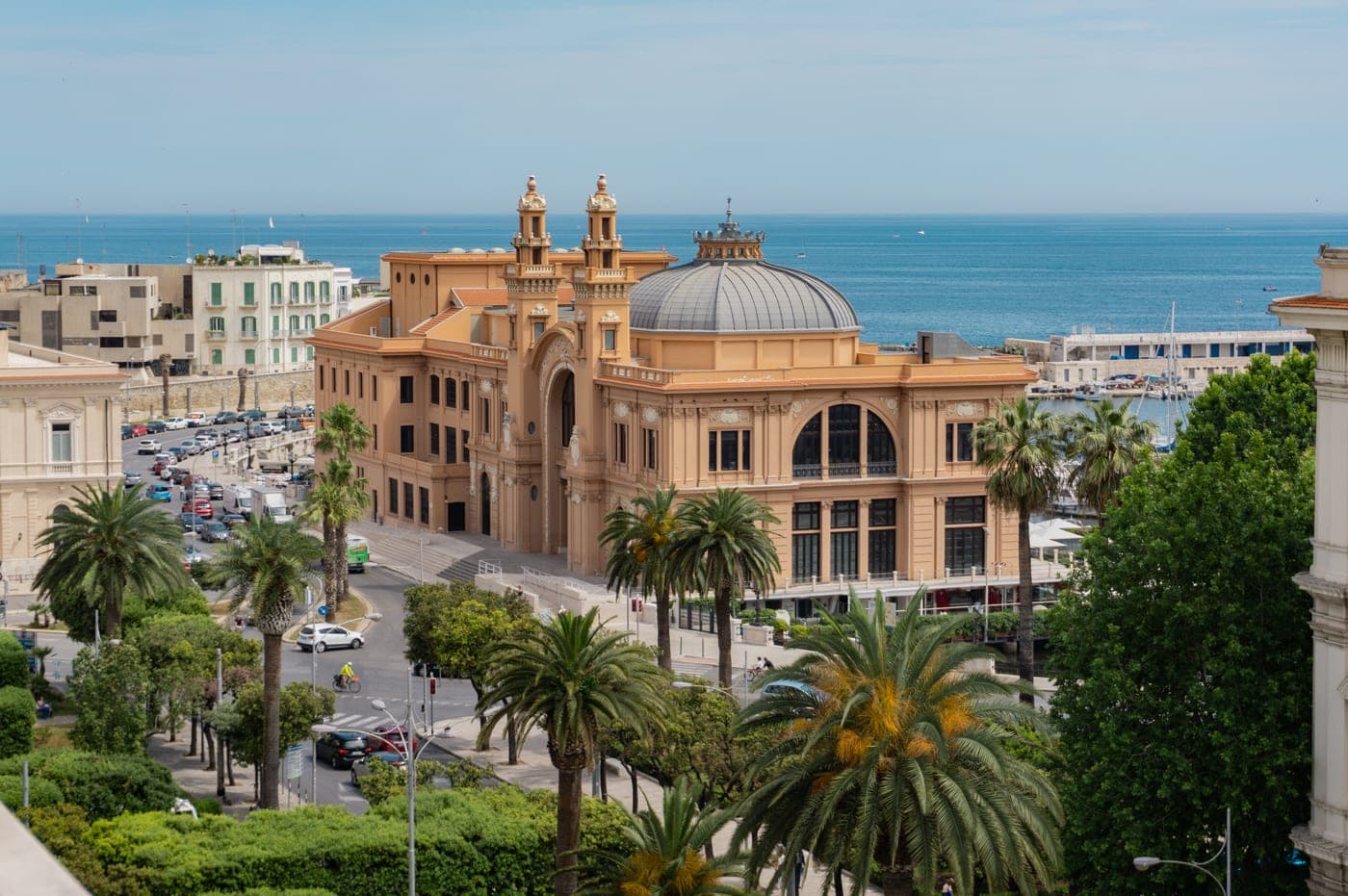
Bari
Historic port city featuring Romanesque architecture and bustling markets.
Boat RentalsHiking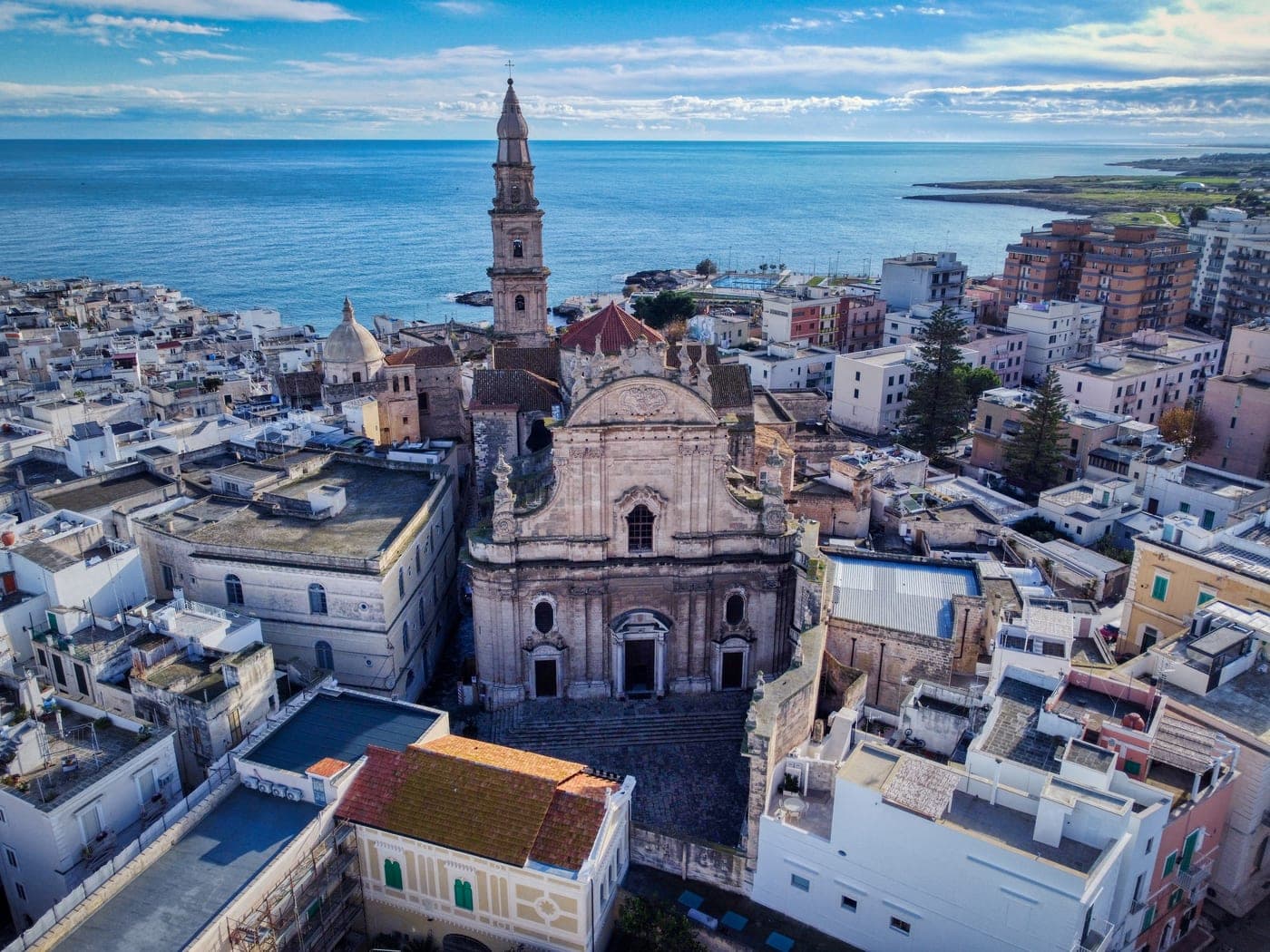 Boat Rentals
Monopoli
Charming coastal town known for its historic center and beautiful beaches.
Boat RentalsHiking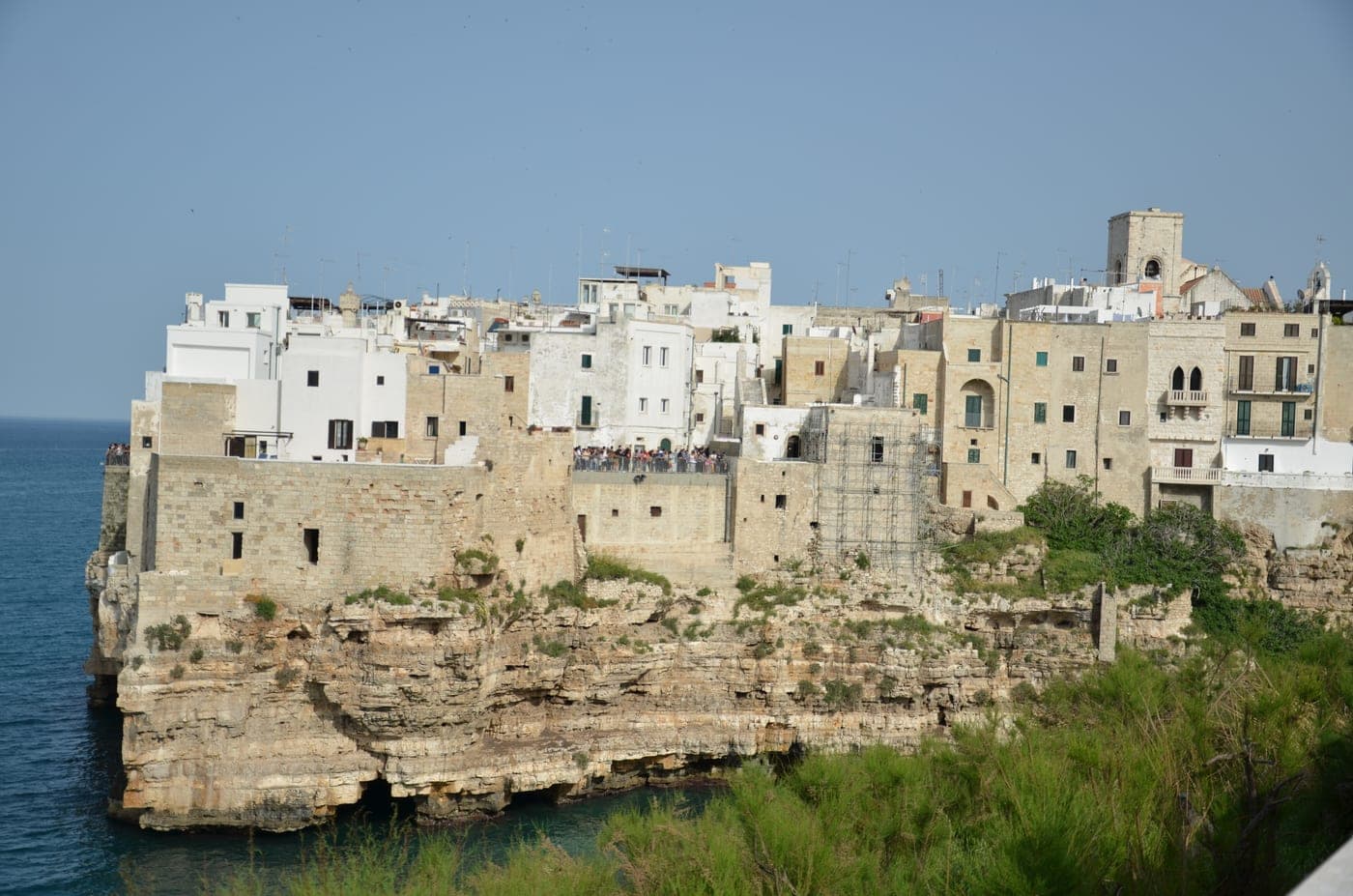 Boat Rentals
Polignano a Mare
Dramatic clifftop town with sea caves, beaches, and Adriatic views.
Boat RentalsHiking
1 region
 Boat Rentals20 destinations
Puglia
Apulia, the heel of Italy, is known for its unique trulli houses, especially in Alberobello, a UNESCO World Heritage site. The region features beautiful coastlines along the Adriatic and Ionian Seas, with picturesque towns like Polignano a Mare and Otranto offering stunning sea views and fresh seafood. Notably, Apulia is the largest wine-producing region in Italy, famous for robust Primitivo and fruity Negroamaro wines. History aficionados can explore ancient sites like the Romanesque cathedral in Bari and the medieval castles of Castel del Monte. With its rich culinary traditions, highlighted by orecchiette pasta and olive oil, Apulia offers a deep dive into Italy's cultural heritage.
Boat RentalsWine TastingHikingAgritourism





