Panettone
A tall Milanese Christmas bread made with natural sourdough and candied peel
- Vegetarian
- Local name
- Panettone
- Served with
- Mascarpone cream
- Best eaten at
- Milanese pasticcerie at Christmas
- Pairs with
- Moscato d'Asti
What it is
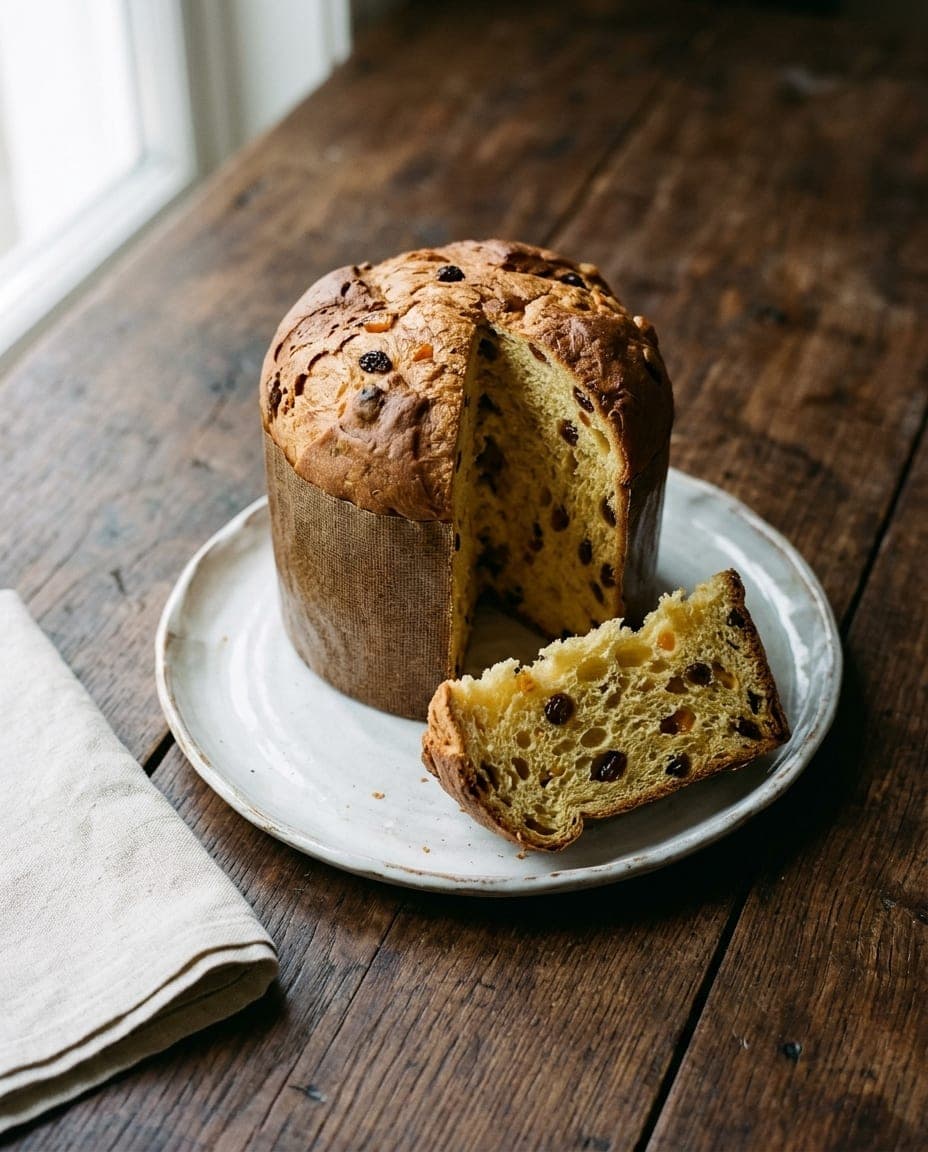
Panettone is a tall, domed loaf of sweet leavened cake that defines the Christmas table in Milan and much of northern Italy. It rises high above other pastries, its golden crust often glazed or dusted with sugar. The interior is soft and airy, filled with long strands of crumb that pull apart like threads, holding pockets of candied orange peel, citron and sultanas.
Unlike many cakes that rely on chemical leavening agents, the structure of panettone comes from a natural sourdough starter known as lievito madre, or mother yeast. This living culture is refreshed regularly with flour and water to keep it active and to build a complex taste before the dough is even mixed. The result is a bread that feels light despite its richness, with an elastic texture that holds up when sliced into wedges.
The shape is as important as the taste. To maintain its height while cooling, the baked loaves are cooled upside down for several hours, which prevents the soft crumb from collapsing before it sets.
The origins of the Milanese loaf
The birthplace of panettone is Milan. Large Christmas breads were part of Milanese festive ritual by the late 15th century: Giorgio Valagussa, a tutor at the Sforza court, described three large loaves marked with a cross for the Christmas Eve "ciocco" (yule log) ceremony around 1470. In 1599 the Collegio Borromeo in Pavia recorded Christmas breads made with butter, raisins and spices, and in 1606 a Milanese–Italian dictionary, the Varon milanes, listed "paneton de Danedaa". The origin of the name is uncertain: it may simply be an augmentative of pane or panetto, "a big bread", or derive from pan de ton, "bread of luxury", a wheat bread that ordinary bakers were allowed to make only at Christmas.
Two popular stories attempt to explain how the dish came to be, though neither is historically verified. The best known tells of Christmas dinner at the court of Ludovico il Moro, when the dessert was burnt and a kitchen boy named Toni saved the day with a sweet loaf improvised from leftover dough, butter, eggs, sugar and raisins – hence "pan del Toni". In the second, a young nobleman, Ughetto degli Atellani, fell in love with a baker's daughter named Adalgisa and, working in disguise in her father's bakery, enriched the bread with butter and sugar to win her heart. Both are folklore rather than fact, yet they persist in local memory as explanations for the dish's luxurious ingredients.
In reality the loaf evolved slowly. Cookbooks of the 1850s added yeast and candied citron to the recipe, and in the 1920s Milanese industrial bakers raised the proportion of butter and eggs and baked the dough in tall paper moulds, creating the high, domed shape known today.
How the dough is made
The process begins with the lievito madre, which bakers keep alive and refresh several times before the dough is made. It is mixed into a first dough that ferments slowly over many hours; the whole process, from first mixing to the finished loaf, typically spans a day and a half or more.
The long fermentation develops complex flavours and the distinctive elastic crumb. The dough is kneaded until it stretches without tearing, then enriched with more butter, egg yolks and sugar, folded with the fruit and left to rise again in its mould before baking.
A 2005 Italian decree sets rules for what may legally be sold as panettone. The loaf must be leavened with a natural sourdough starter, contain at least 16% butter, at least 4% egg yolk and at least 20% sultanas and candied citrus peel, and no fat other than butter (save a little cocoa butter) is allowed. The regulation was designed to protect traditional methods from industrial shortcuts.
Versions without candied peel are common in some bakeries, often featuring chocolate or other fillings instead. These variations exist alongside the classic form, though purists argue that the fruit is essential to the identity of the dish.
What goes into it
While every pasticceria in Milan guards its own recipe, the core ingredients remain consistent for a traditional panettone:
- Candied orange peel and citron, which provide a bright, citrusy contrast to the rich dough.
- Sultanas or raisins, sometimes soaked before being folded into the mixture.
- Butter and egg yolks, used in generous amounts to create a tender, moist crumb.
- Natural sourdough starter (lievito madre), which gives the bread its signature elasticity and depth of flavour.
- Sugar and flour, forming the base that supports the leavening process.
Some bakers add vanilla, honey or grated citrus zest to enhance the aroma.
How it is eaten
Panettone is traditionally eaten at Christmas, sliced into wedges and served as a dessert or as part of a festive breakfast. It is often accompanied by a spoonful of mascarpone cream, whose richness contrasts with the light crumb and the sweetness of the fruit.
A glass of sweet wine, such as Moscato d'Asti from Piedmont, is a classic companion; its light bubbles and floral notes balance the butter without overpowering the loaf. In many households, panettone is also served with hot coffee or espresso as a simple morning ritual.
Curious facts
- Legends, not history. The story of the kitchen boy Toni and the "pan del Toni" is the most popular explanation of the name, but no document supports it.
- An early dictionary entry. In 1606 the Varon milanes listed "paneton de Danedaa", the Christmas panettone, in Milanese dialect.
- A global reach. Today panettone is exported worldwide, and many countries produce their own versions, though the Milanese original remains the most celebrated.
Where to try it
The finest panettone can be found in Milanese pasticcerie during the Christmas season. Some of these traditional bakeries have histories stretching back over a century, and they take pride in maintaining the classic methods of their craft, often displaying their loaves in glass cases.
Outside Milan, the bread is available throughout Italy, though quality varies. The most traditional loaves come from bakeries that use a natural sourdough starter and follow the rules of the Italian decree, and many shops offer samples or small portions before buying a whole loaf.
December is the busiest and most atmospheric time, when the loaves are at their freshest.
Where to try it
1 destination
 Camper Van Rentals
Milan
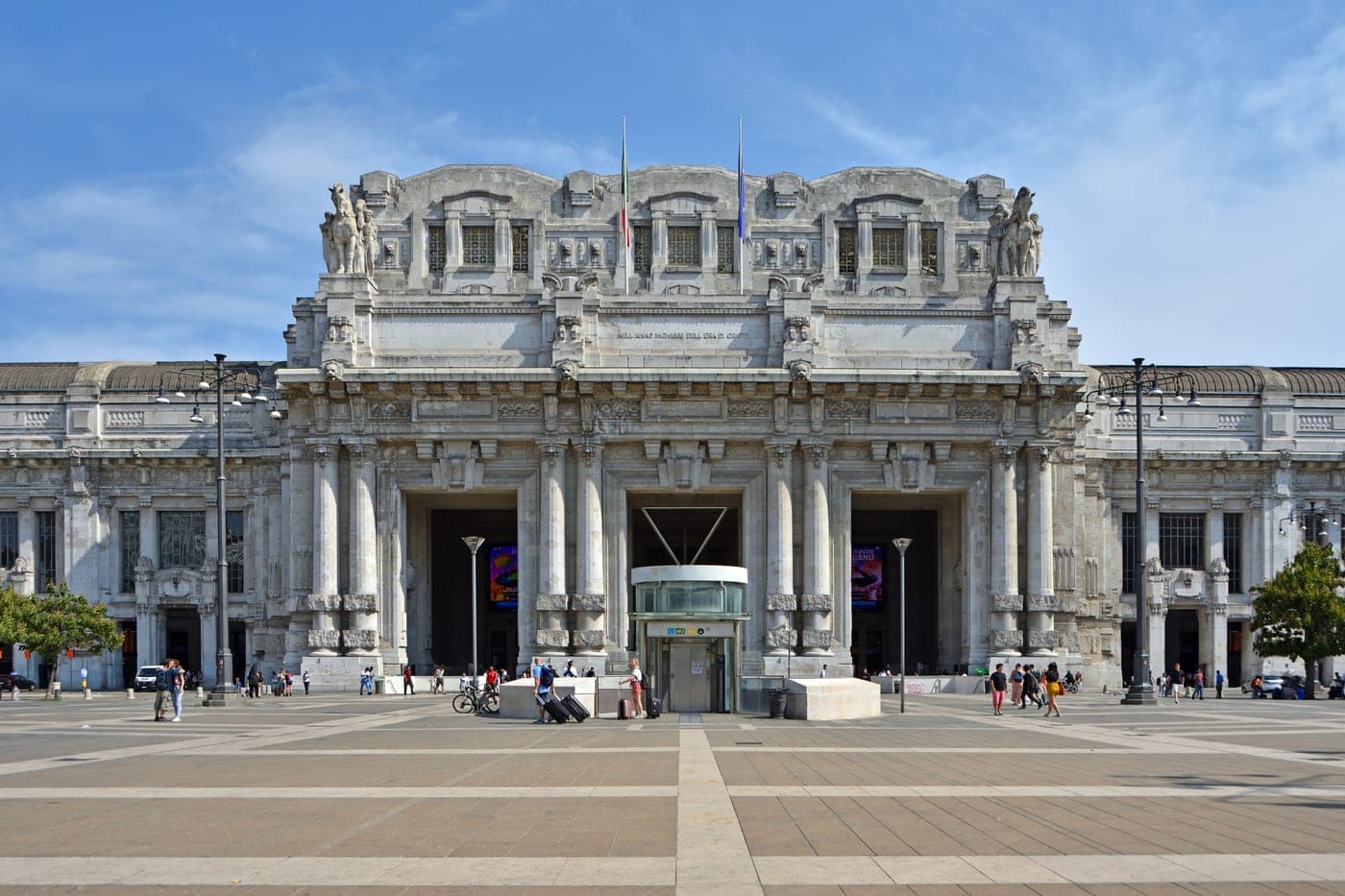
Italy's fashion and design capital with historic cathedral and opera house.
Camper Van RentalsHiking
1 region
 Boat Rentals12 destinations
Lombardy
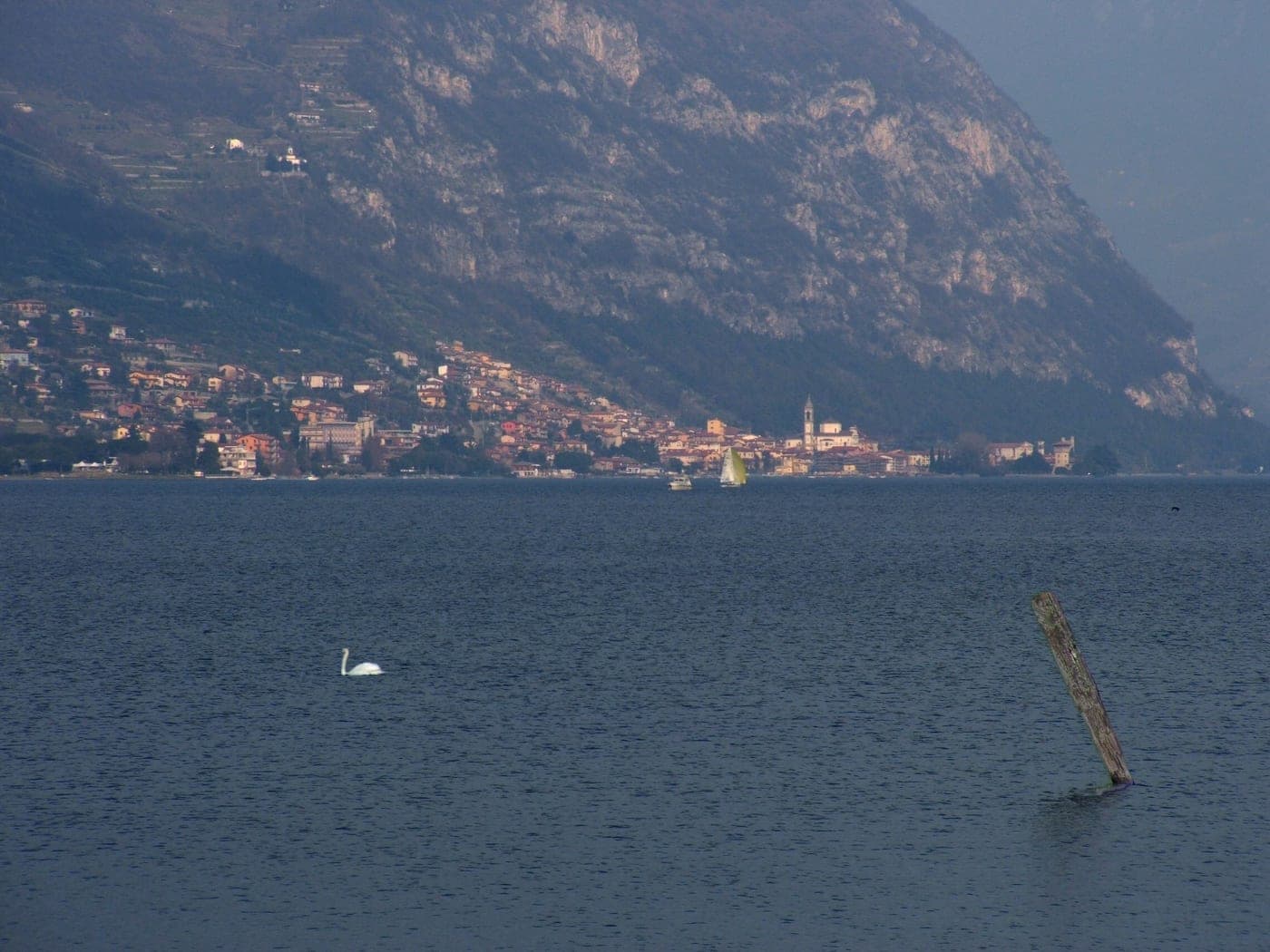
Lombardy runs from Alpine peaks in the north down to the flat rice fields of the Po valley in the south, and this range sits behind almost everything the region does well for slow travel. Milan anchors it as a capital of fashion and finance, but the quieter pace that draws travellers who like to slow down lives outside the city, spread across lake villages, hill towns, and wine roads that ring it on every side. Lombardy rewards a traveller who picks one valley, one lake shore, or one wine road and stays with it rather than trying to cover the whole region at once. Lake Como is one of Lombardy's most recognisable landscapes, its stone villages stacked against steep slopes and its old villas opening their gardens to the water. Bellagio, Varenna, and Menaggio each keep a small working harbour where boats still connect the shoreline settlements. Further east, the region also touches the western shore of Lake Garda, where towns like Sirmione sit on a narrow peninsula with Roman ruins at its tip, and Lake Iseo sits quieter still, ringed by Franciacorta's vineyards on one side and Monte Isola, the largest lake island in southern Europe, on the other. Between the lakes, the Brianza hills and the lower Alpine valleys hold smaller villages built around a single church square, a mill, or a market that still runs on its traditional day, largely untouched by the crowds that gather on the main lake shores in summer. Wine gives the region another rhythm, and Lombardy's wine roads are built for slow exploring rather than a single tasting stop. Franciacorta, in the hills east of Brescia, produces Italy's best-known sparkling wine made in the traditional method, and its cellars sit among vineyards that climb gently toward Lake Iseo, many open for visits by appointment. Further south, the Oltrepò Pavese hills near Pavia grow both still and sparkling wines on slopes that agriturismo farms have worked for generations, offering rooms and meals built around what the land produces that season. In the far north, the Valtellina valley grows Nebbiolo on narrow terraces held up by dry stone walls, alongside the mountain cheeses and cured meats the valley is known for; the Strada del Vino e dei Sapori della Valtellina links the terraced vineyards to the villages and cellars below them. The hill towns carry this same unhurried character. Bergamo's upper town, the Città Alta, sits behind a ring of stone walls built by Venice when the city belonged to its inland territories; inside them, narrow lanes lead to a Renaissance chapel and a quiet main square that empties out once the day-trippers head back down. Mantua, ringed by three artificial lakes, kept its Gonzaga-era palaces and squares largely intact and shares a joint UNESCO listing with the smaller fortress town of Sabbioneta, built from scratch as an ideal Renaissance city. Cremona, on the Po plain, has built violins since the Amati and Stradivari workshops opened there, and the craft continues in small workshops around its cathedral square. Pavia, a university town south of Milan, holds a Carthusian monastery on its outskirts whose carved marble façade is one of the region's finest. Smaller villages such as Clusone in the Val Seriana or Gromo, with its old ironworking streets, keep the same rhythm on a smaller scale, each built around a single square, a mill stream, or a covered market. Food ties all of this together, and it is where Lombardy's slow food traditions show clearest. The region cooks with butter and rice rather than the olive oil of the south: risotto alla milanese, coloured with saffron, is the signature dish, while polenta remains a staple in the mountain valleys, often served alongside stewed meat or local cheese. Grana Padano is made across much of the Po plain, and the mountain dairies of Valtellina produce their own aged cheeses, including Bitto and Casera. Markets in the smaller towns still run on a weekly schedule, selling produce grown within a short distance of the stall, and many agriturismo farms across Oltrepò Pavese and Franciacorta serve meals built entirely from what they grow or raise themselves. Landscape and table hold Lombardy together: a lake village built around its harbour, a wine road that climbs from valley floor to ridge line, a hill town that keeps its own pace once the tour groups leave. The towns and wine roads below each hold a different piece of this pattern, from the Renaissance squares of Mantua to the terraced vineyards of the Valtellina, and together they map out a version of Lombardy built for slow travel rather than a checklist of sights.
Boat RentalsWine TastingHikingCamper Van Rentals





