Pane e panelle
Sicily's chickpea fritter sandwich from Palermo's street stalls
- Vegetarian
- Local name
- Pane e panelle
- Served with
- Lemon, crocchè
- Best eaten at
- A Palermo street-food stall
- Pairs with
- Sicilian beer
What it is
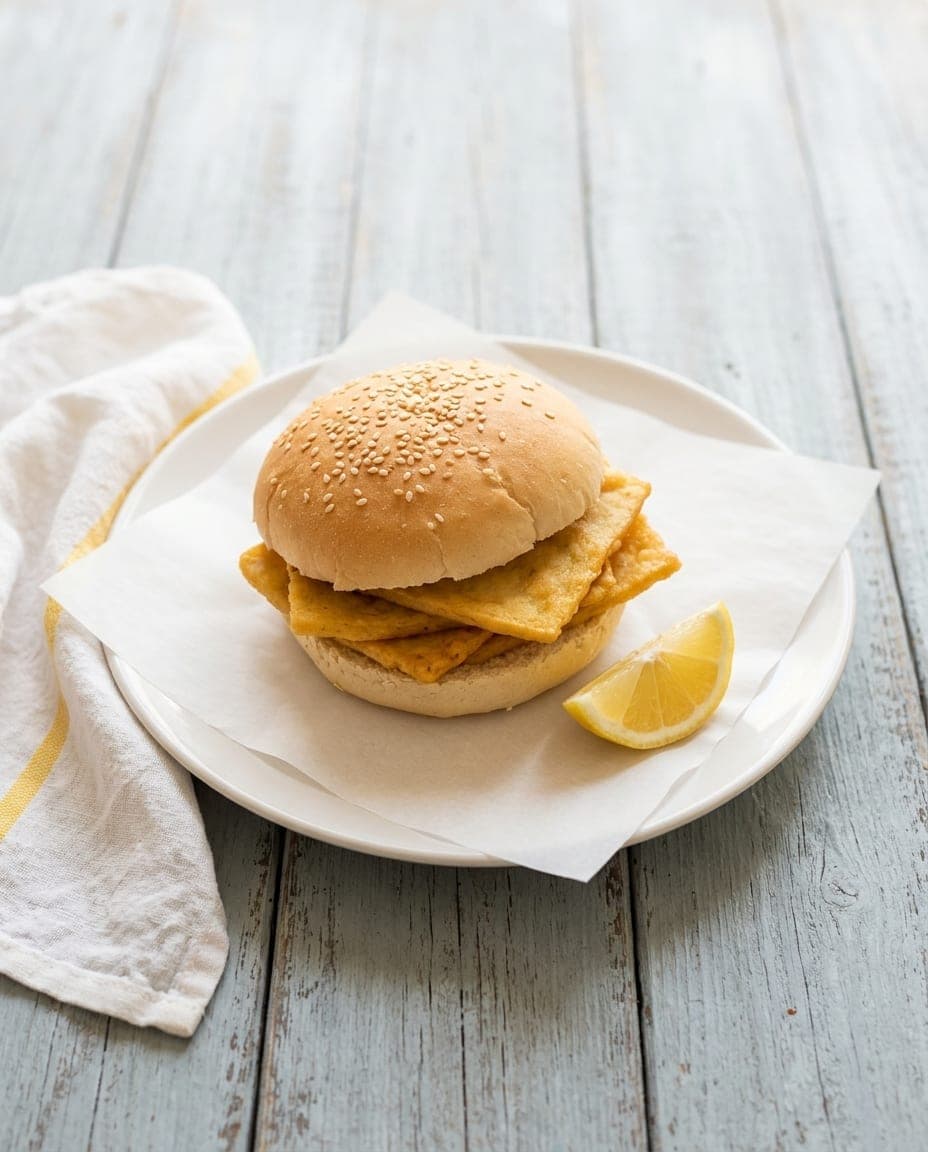
Pane e panelle is the most honest answer to hunger in Palermo, a sandwich built from some of the cheapest ingredients in the city. It consists of fried chickpea fritters, known locally as panelle, served inside a soft bread roll topped with sesame seeds, often a mafalda. The result is a warm, dense sandwich that costs very little and satisfies deeply.
There is nothing fancy about the appearance. The roll has a sesame-studded crust and a soft, airy interior. Inside sit several golden-brown slices of chickpea paste, cut from a block that was cooked and set earlier in the day. The fritters are crisp on the outside but remain soft and creamy within. A squeeze of fresh lemon juice is added just before eating, with a pinch of salt if needed.
The dish is a staple of the city's street food culture, shaped by the economics of a working-class port city. Chickpeas were cheap, filling and easy to store, and panelle are widely believed to date back to the period of Arab rule in Sicily. It is a dish that belongs to the street, not to the fine dining table.
The history of the chickpea paste
The story of panelle is commonly traced to the Arab presence in Sicily, which began in the 9th century, though the exact origins are not documented. In Palermo, chickpea flour became a cornerstone of the diet of the poor because it was affordable and filling. Over time, the simple paste of chickpea flour, water and salt evolved into the preparation known today.
The cooking method is straightforward but requires patience. Chickpea flour is whisked into water with salt and sometimes chopped parsley. The mixture is cooked over a low flame and stirred constantly until it becomes a dense, smooth paste that pulls away from the sides of the pot. It is then spread thinly to cool and set. Once firm, it is cut into squares or rectangles and deep-fried in oil until golden.
This creates a distinctive texture: the exterior becomes slightly blistered and crisp, while the interior remains soft and almost custard-like. The dish shows the ingenuity of Sicilian cooks, who turned a humble legume into a satisfying meal without meat or cheese.
How it is eaten in Palermo
The true experience of pane e panelle happens standing up at a street stall, a friggitoria or a small three-wheeled van known as a lapa. These vendors are a fixture of Palermo's streets, often parked near markets or busy intersections. Customers point to the number of fritters they want and watch as they are slipped into a warm roll.
The roll is soft enough to squeeze but strong enough to hold the filling without tearing. A wedge of lemon is squeezed over the hot fritters before the first bite; the acidity cuts through the richness of the chickpea and the oil.
Many locals order pane e panelle with crocchè, fried potato croquettes also known as cazzilli, added to the same roll. The combination turns the sandwich into a full meal for a very low price. It is common to see people eating it while walking down the street or standing at the stall, chatting with neighbours.
Where it comes from
Pane e panelle is a speciality of Sicily, and above all of Palermo. While chickpea-flour fritters and flatbreads exist elsewhere around the Mediterranean, panelle in a sesame roll are a Palermitan signature. The tradition is so deeply rooted that it is difficult to imagine the city without its stalls selling this warm, golden food.
The dish is particularly associated with the working-class districts and markets of Palermo, where the price of ingredients matters most. The lapa vendors are a symbol of this tradition, offering quick meals to workers, students and tourists alike. Panelle are also made in towns across western Sicily, where the roll or the cut of the fritters may vary slightly.
Curious facts
- A standing meal. It is traditionally eaten while standing at a stall or lapa, the experience tied to the street atmosphere.
- The lemon rule. A squeeze of fresh lemon is a near-universal finishing touch, balancing the chickpea and the oil.
- The potato addition. Many vendors serve crocchè alongside the panelle in the same roll, creating an even more filling double sandwich.
- Arab roots. The use of chickpea flour is widely attributed to Arab influence in medieval Sicily.
- No meat, no cheese. One of Palermo's most famous street foods is made from little more than chickpea flour, water, salt and bread.
Where to try it
The best place to eat pane e panelle is at a busy street stall, friggitoria or lapa in Palermo's historic centre and around its markets.
Similar stalls can be found in other towns of the Palermo area and western Sicily. The food is simple, the price is low, and the flavour is unmistakable.
Where to try it
3 destinations
 Wine Tasting
Casteldaccia
Wine town near Palermo with coastal vineyards and DOC production.
Wine Tasting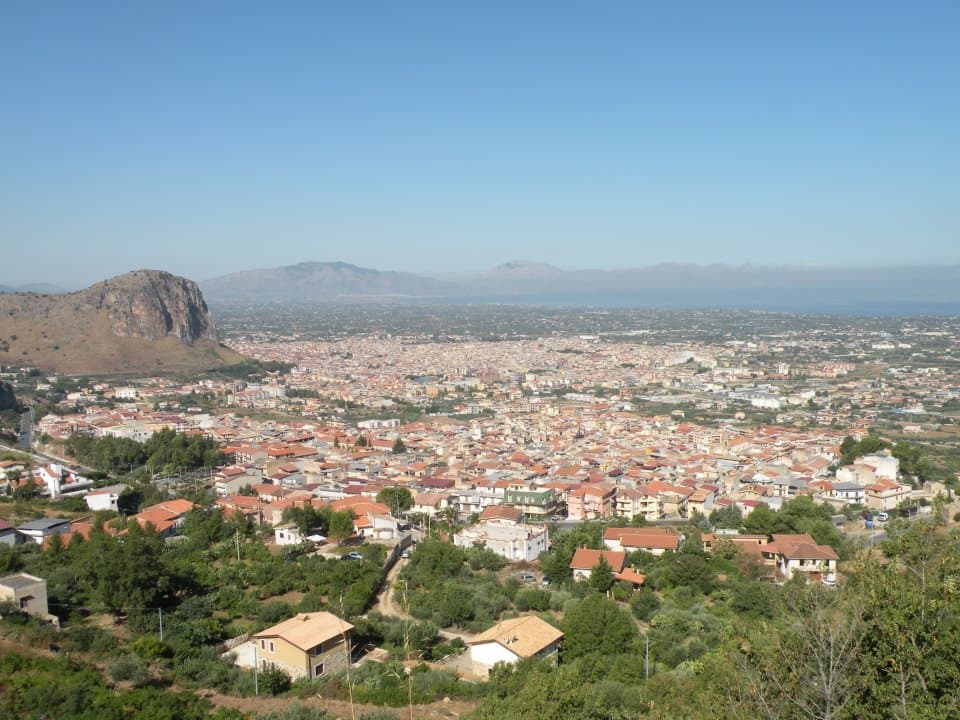 Wine Tasting
Partinico
Wine town in Palermo province with vineyards and citrus groves.
Wine TastingHiking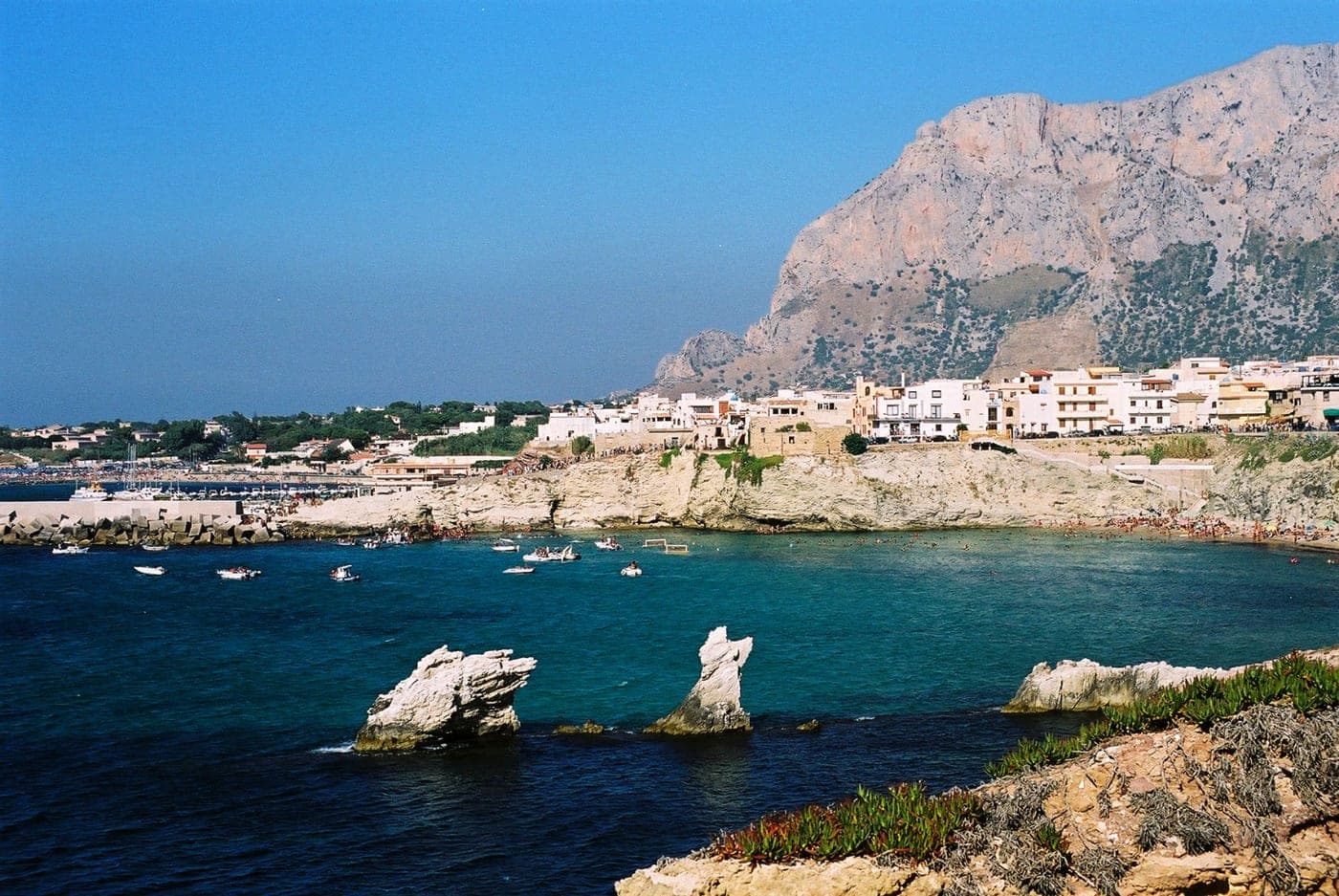 Boat Rentals
Terrasini
Fishing town near Palermo with marina and boat rentals on the Tyrrhenian coast.
Boat RentalsHiking





