Negroni Sbagliato
A Negroni made with sparkling wine instead of gin, born in Milan at Bar Basso
- Alcoholic

- Local name
- Negroni sbagliato
- Served
- On ice with orange slice
- Best eaten at
- A Milan cocktail bar
- Pairs with
- Aperitivo snacks
What it is
The Negroni sbagliato is a variation of the classic Italian cocktail that replaces gin with sparkling wine, typically prosecco or another dry spumante. The result is a drink that retains the deep bitter notes of Campari and the sweetness of vermouth but loses the heavy botanical weight of the spirit. It is lighter in alcohol, more effervescent and notably more refreshing than its famous ancestor. The name sbagliato means "mistaken" or "wrong" in Italian, a direct reference to the slip that created it.
This drink sits firmly within the tradition of the Milanese aperitivo. It is served over ice with a slice of orange and often accompanied by small snacks. While the classic Negroni is a serious sipping cocktail, the sbagliato functions as an invitation to unwind before dinner. Its bubbly texture and lower alcohol content make it suited to the early evening, when conversation matters more than strength.
The balance of bitter and sweet remains, yet the carbonation changes the mouthfeel entirely, making it feel less like a fortified wine drink and more like a lively spritz with depth.
The story of the mistake
The story behind the Negroni sbagliato is one of the best-known anecdotes in Italian mixology. It takes place at Bar Basso in Milan, a cocktail bar that Mirko Stocchetto, a barman who had previously worked in Cortina d'Ampezzo, took over in 1967. In 1972, the bar's own account goes, Stocchetto was preparing a classic Negroni, whose standard formula calls for equal parts gin, sweet vermouth and Campari.
Reaching for the gin, he picked up a bottle of sparkling wine instead and poured it into the drink. Rather than discarding the result, he served it as it was. The customer enjoyed it, and the accidental combination became a favourite among regulars and, eventually, the bar's signature drink. Some tellings suggest the "mistake" may have been at least partly playful.
Whatever the exact circumstances, the version involving Stocchetto at Bar Basso in 1972 is the one generally repeated. The name sbagliato stuck, a permanent reminder that sometimes good things come from doing things wrong. The drink's wider fame came much later, decades after its creation.
How it fits the Milanese aperitivo
The Negroni sbagliato is closely linked to the ritual of the aperitivo in Milan. This custom typically begins in the early evening and involves ordering a drink that comes with small snacks, known as stuzzichini, or in many bars access to a larger buffet. The practice is less about the food itself and more about the social space it creates before dinner.
In this context, the sbagliato serves a specific purpose. A full-strength Negroni might be too strong for the start of the evening, especially if one plans several stops. The sparkling wine version offers the same aromatic profile of bitter orange and herbs but with a lighter body that encourages conversation. It is a drink to be sipped slowly at a bar counter or on a small stool in a busy room.
The snacks vary by establishment: olives, crisps, cured meats, cheeses, fried vegetables or small pastries. In many bars the price of the drink covers the food, turning the early evening into a communal affair where strangers and friends gather to share space and sustenance.
What goes into it
The ingredients are straightforward, though the quality of each component matters:
- Campari: The bitter red liqueur that provides the drink's signature colour and sharp, herbal flavour. It is the anchor of the cocktail, ensuring the sweetness does not become cloying.
- Sweet vermouth: A fortified wine infused with herbs and spices that adds body and a touch of sugar to balance the bitterness.
- Sparkling wine: Usually prosecco or another dry spumante, replacing the gin entirely. It contributes bubbles, lower alcohol and a fresh acidity that lifts the heavier flavours.
The drink is built over ice, in a short tumbler or, at Bar Basso itself, an oversized goblet with a large ice cube. An orange slice is added as a garnish.
How it is served
The liquid is a deep ruby red, with bubbles rising to the surface, and an orange slice rests on the rim or floats in the glass. It is intended to be drunk slowly: the effervescence makes it refreshing, but the bitterness of the Campari demands attention.
The pairing with aperitivo snacks is part of the appeal. The saltiness of cured meats or the oil of fried vegetables offsets the sweetness of the vermouth and the bubbles of the wine. The goal is not to consume a large volume of alcohol but to extend the social moment into the evening.
Curious facts
- A name for an error. Sbagliato literally translates to "mistaken" or "wrong", honouring the substitution of sparkling wine for gin.
- Born in Milan. While the classic Negroni is traditionally traced to Florence, the sbagliato is a product of Milanese bar culture and of Bar Basso in particular.
- Lower alcohol content. Replacing gin with sparkling wine noticeably reduces the strength of the drink, making it well suited to the early evening.
- A bubble in the glass. The carbonation creates a lighter mouthfeel that distinguishes it from the spirit-forward classic.
- A local favourite. Now known internationally, it remains a fixture of Milan's aperitivo scene.
Where to try it
The Negroni sbagliato is best experienced in Milan, the city where it was invented and where aperitivo culture thrives. Bar Basso still serves it, but the drink now appears on menus across the city and well beyond, often with slight variations in the sparkling wine used.
At aperitivo time, a Negroni sbagliato usually arrives with a few snacks, and in many bars with access to a buffet. Drinkers stand near the counter, chatting with locals or fellow travellers, enjoying the bubbles and the bittersweet flavour while the city outside darkens.
Where to try it
1 destination
 Camper Van Rentals
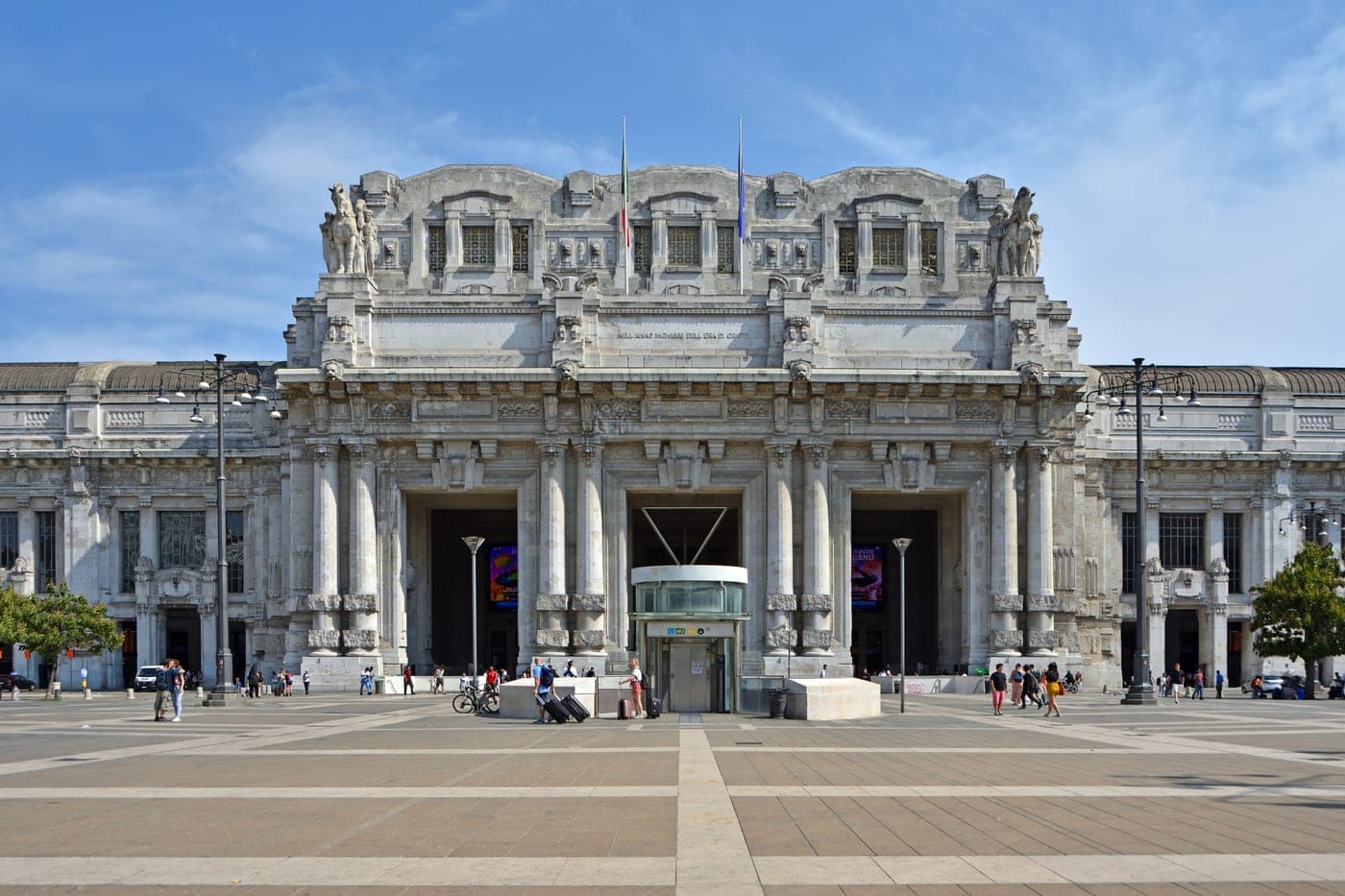
Milan
Italy's fashion and design capital with historic cathedral and opera house.
Camper Van RentalsHiking
1 region
 Boat Rentals12 destinations
Lombardy
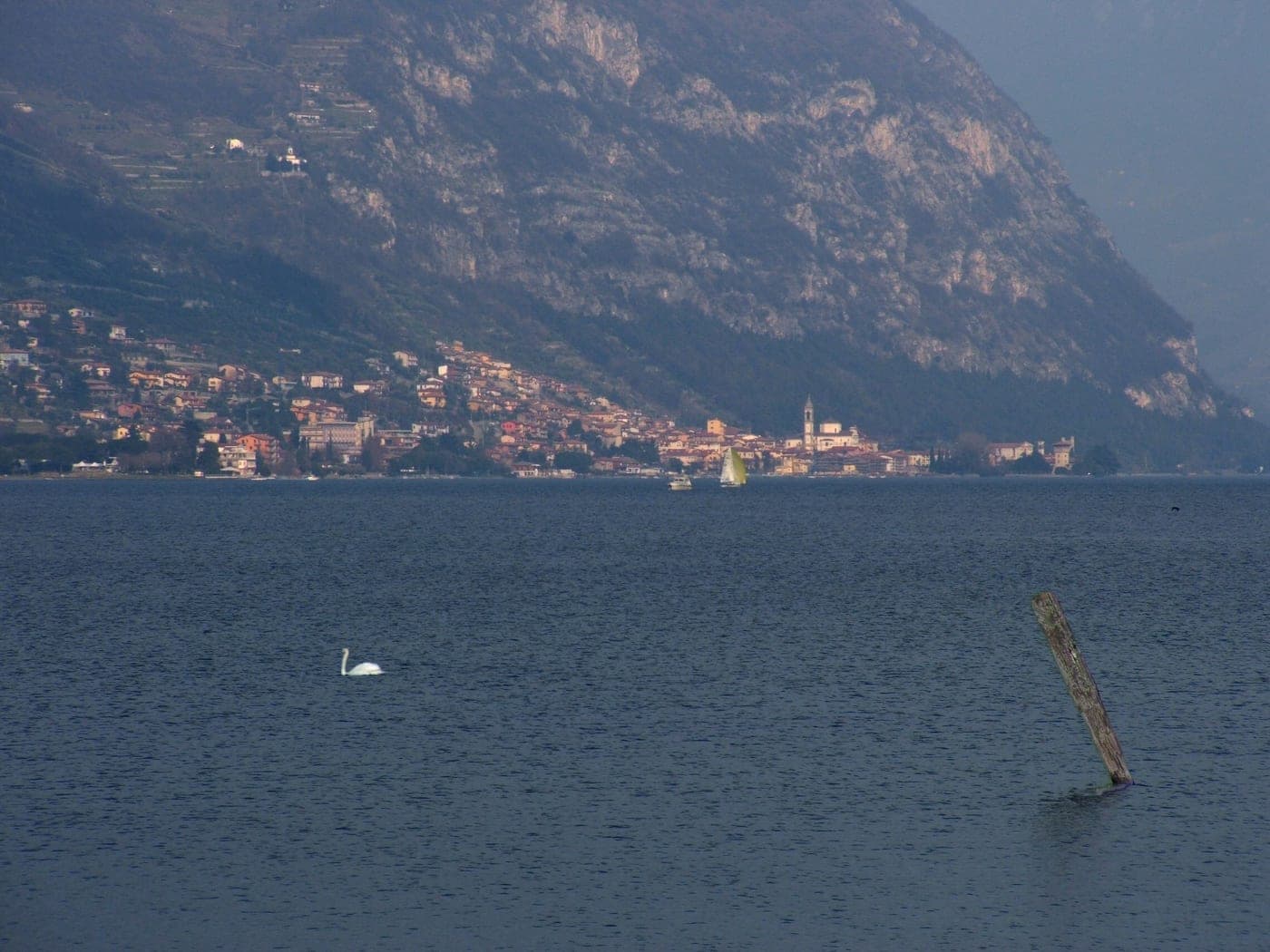
Lombardy runs from Alpine peaks in the north down to the flat rice fields of the Po valley in the south, and this range sits behind almost everything the region does well for slow travel. Milan anchors it as a capital of fashion and finance, but the quieter pace that draws travellers who like to slow down lives outside the city, spread across lake villages, hill towns, and wine roads that ring it on every side. Lombardy rewards a traveller who picks one valley, one lake shore, or one wine road and stays with it rather than trying to cover the whole region at once. Lake Como is one of Lombardy's most recognisable landscapes, its stone villages stacked against steep slopes and its old villas opening their gardens to the water. Bellagio, Varenna, and Menaggio each keep a small working harbour where boats still connect the shoreline settlements. Further east, the region also touches the western shore of Lake Garda, where towns like Sirmione sit on a narrow peninsula with Roman ruins at its tip, and Lake Iseo sits quieter still, ringed by Franciacorta's vineyards on one side and Monte Isola, the largest lake island in southern Europe, on the other. Between the lakes, the Brianza hills and the lower Alpine valleys hold smaller villages built around a single church square, a mill, or a market that still runs on its traditional day, largely untouched by the crowds that gather on the main lake shores in summer. Wine gives the region another rhythm, and Lombardy's wine roads are built for slow exploring rather than a single tasting stop. Franciacorta, in the hills east of Brescia, produces Italy's best-known sparkling wine made in the traditional method, and its cellars sit among vineyards that climb gently toward Lake Iseo, many open for visits by appointment. Further south, the Oltrepò Pavese hills near Pavia grow both still and sparkling wines on slopes that agriturismo farms have worked for generations, offering rooms and meals built around what the land produces that season. In the far north, the Valtellina valley grows Nebbiolo on narrow terraces held up by dry stone walls, alongside the mountain cheeses and cured meats the valley is known for; the Strada del Vino e dei Sapori della Valtellina links the terraced vineyards to the villages and cellars below them. The hill towns carry this same unhurried character. Bergamo's upper town, the Città Alta, sits behind a ring of stone walls built by Venice when the city belonged to its inland territories; inside them, narrow lanes lead to a Renaissance chapel and a quiet main square that empties out once the day-trippers head back down. Mantua, ringed by three artificial lakes, kept its Gonzaga-era palaces and squares largely intact and shares a joint UNESCO listing with the smaller fortress town of Sabbioneta, built from scratch as an ideal Renaissance city. Cremona, on the Po plain, has built violins since the Amati and Stradivari workshops opened there, and the craft continues in small workshops around its cathedral square. Pavia, a university town south of Milan, holds a Carthusian monastery on its outskirts whose carved marble façade is one of the region's finest. Smaller villages such as Clusone in the Val Seriana or Gromo, with its old ironworking streets, keep the same rhythm on a smaller scale, each built around a single square, a mill stream, or a covered market. Food ties all of this together, and it is where Lombardy's slow food traditions show clearest. The region cooks with butter and rice rather than the olive oil of the south: risotto alla milanese, coloured with saffron, is the signature dish, while polenta remains a staple in the mountain valleys, often served alongside stewed meat or local cheese. Grana Padano is made across much of the Po plain, and the mountain dairies of Valtellina produce their own aged cheeses, including Bitto and Casera. Markets in the smaller towns still run on a weekly schedule, selling produce grown within a short distance of the stall, and many agriturismo farms across Oltrepò Pavese and Franciacorta serve meals built entirely from what they grow or raise themselves. Landscape and table hold Lombardy together: a lake village built around its harbour, a wine road that climbs from valley floor to ridge line, a hill town that keeps its own pace once the tour groups leave. The towns and wine roads below each hold a different piece of this pattern, from the Renaissance squares of Mantua to the terraced vineyards of the Valtellina, and together they map out a version of Lombardy built for slow travel rather than a checklist of sights.
Boat RentalsWine TastingHikingCamper Van Rentals





