Granita con brioche
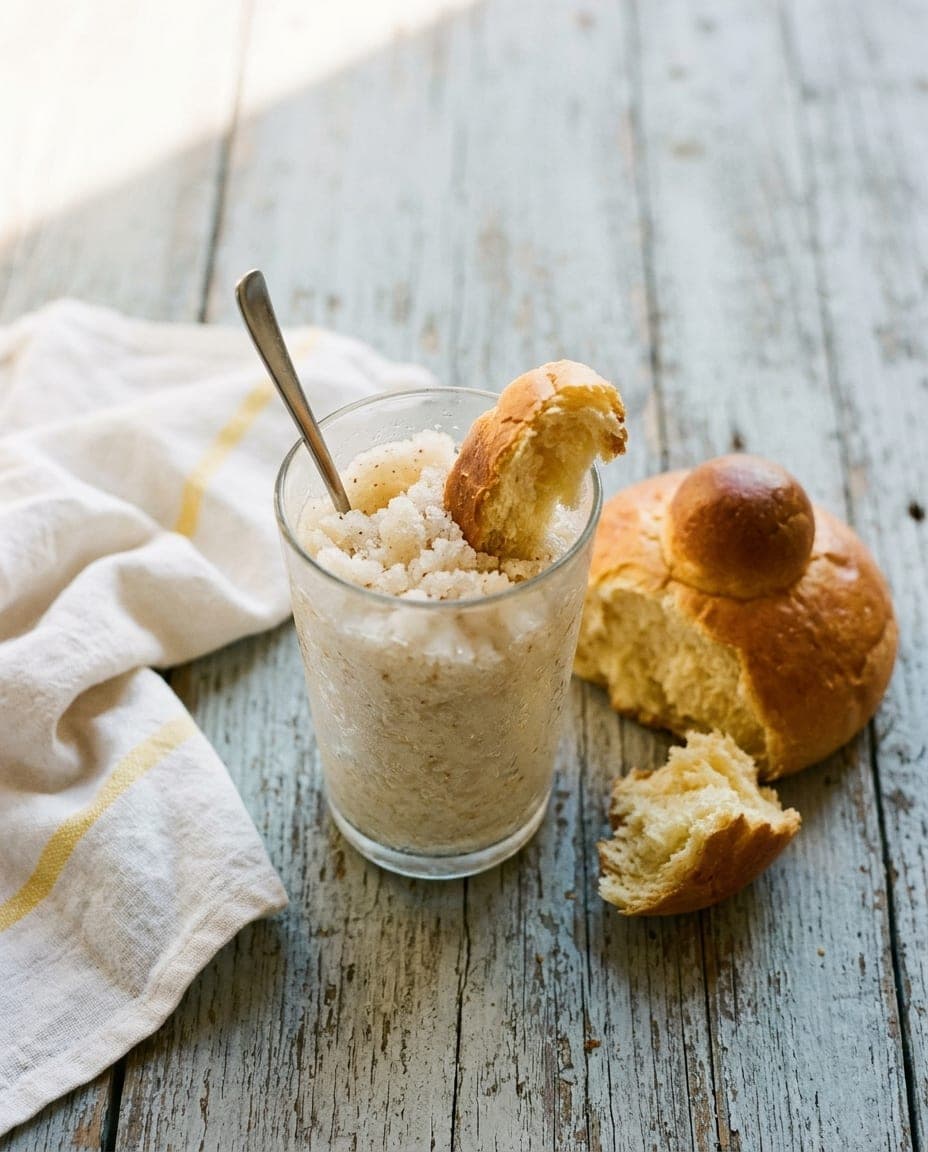
Sicilian summer breakfast of almond granita and brioche col tuppo
- Vegetarian
- Local name
- Granita con brioche
- Best eaten at
- A Sicilian bar, for breakfast
What it is
Granita con brioche is the classic summer breakfast of Sicily. It is built on two simple elements: a semi-frozen ice of water, sugar and a flavouring, and a soft, sweet bun known as the brioche col tuppo. The pairing belongs to the island, with its strongest traditions in the east, in cities such as Messina, Catania and Noto.
The granita itself has a texture distinct from smooth sorbet or coarse crushed ice. It is made by freezing a liquid mixture while it is constantly stirred, so that the crystals remain fine and separate rather than fusing into a solid block. The result is a grainy, spoonable consistency that feels cool on the tongue without being icy hard.
The bread is equally specific. The brioche col tuppo is a soft, sweet, slightly eggy roll with a small ball of dough on its crown, the tuppo, a Sicilian word for a hair bun. It is designed to be torn into pieces rather than sliced.
The combination is a study in contrasts: soft, ideally still warm bread against cold, sharp ice. The usual method is to tear off the tuppo first, dip it into the granita, and carry on with the rest of the bun.
How the Sicilians invented it
The origins of granita are rooted in the island's geography and history. The Arabs, who ruled Sicily from the 9th century, brought sharbat, cold drinks flavoured with fruit and flowers. From at least the Middle Ages, nivaroli (snow gatherers) collected winter snow on Etna, the Iblei mountains and other Sicilian peaks and stored it in neviere, pits and caves where it was pressed into ice and covered to keep it through the summer.
That ice was sold to cool food and drink, and shaved ice seasoned with honey or lemon became an early ancestor of granita. Around the 16th century a new technique spread: a container set in a mixture of snow and salt, which lowered the temperature enough to freeze a flavoured liquid while it was stirred. This is what gave granita its characteristic grain. In the 19th century water replaced snow, sugar replaced honey, and later machines replaced hand stirring.
The brioche has French roots but was adapted by Sicilian bakers into the softer, sweeter bun known today. When exactly it became the standard partner for granita is not documented; an older companion was the sesame-coated ring biscuit.
What goes into it
There is no single official recipe, as every bar guards its own version, but the core flavours are consistent across the island.
- Almond granita: Made from ground almonds, water and sugar. It has a creamy, nutty flavour and a milky white colour, and is particularly associated with Noto and the south-east.
- Lemon granita: A bright, sharp mix of lemon juice, water and sugar.
- Coffee granita: Strong coffee frozen to a dark, bitter-sweet ice, often topped with whipped cream; in Messina, coffee granita with cream (mezza con panna) is a local institution.
- Other flavours: Pistachio, mulberry, jasmine, peach and strawberry are also common, following the season.
The brioche should be fresh that morning; once it has dried out, it no longer soaks up the granita properly.
How it is eaten
A Sicilian summer breakfast is a social moment, often eaten standing at the counter of a busy bar or sitting at a small table on the pavement. The granita arrives in a glass or a small bowl with a spoon.
The brioche is torn and dipped so that the bread soaks up just enough of the melting ice without falling apart. Some people eat the granita with a spoon first and finish with the brioche, while others alternate between the two. Coffee granita is often joined by a straightforward espresso.
The breakfast is not meant to be rushed; it is a pause in the day, a moment of refreshment before the heat sets in.
Regional variations and claims
While the custom is found across Sicily, cities have their own styles and loyalties. Messina and Catania each claim their version as superior. Messina is particularly known for coffee granita with whipped cream.
Noto, in the south-east, is famous for its almond granita, made with almonds from the surrounding countryside of the Val di Noto. Even within one city, one bar's granita can feel noticeably different from the next, since each has its own method of freezing and stirring.
Curious facts
- A hairstyle on a bun. Tuppo is the Sicilian word for a hair bun, which the small dough ball on top of the brioche resembles.
- Almonds, not syrup. Good almond granita is made from ground almonds rather than artificial syrup or extract, which gives it a natural nutty flavour and pale colour.
- Not a sorbet. Unlike sorbet, which is churned to a smooth consistency, granita keeps a grainy texture. The crystals are meant to be felt on the tongue.
- Snow from the mountains. Before modern freezing, granita relied on snow gathered on Etna and other Sicilian mountains and stored in neviere for summer use.
Where to try it
The best place to eat granita con brioche is a traditional Sicilian bar in the morning. In Messina, bars in the historic centre are known for coffee granita with cream. In Noto, almond granita is the local signature.
In Catania, the city's lively street life offers many opportunities to find a bar serving excellent versions. Arriving early, before the heat of the day sets in, is part of the ritual, and at popular bars a line of people often stands at the counter waiting for their granita and brioche.
The true experience comes from a bar where the granita is made fresh that day and the brioche is still warm.
Where to try it
3 destinations
 Wine Tasting
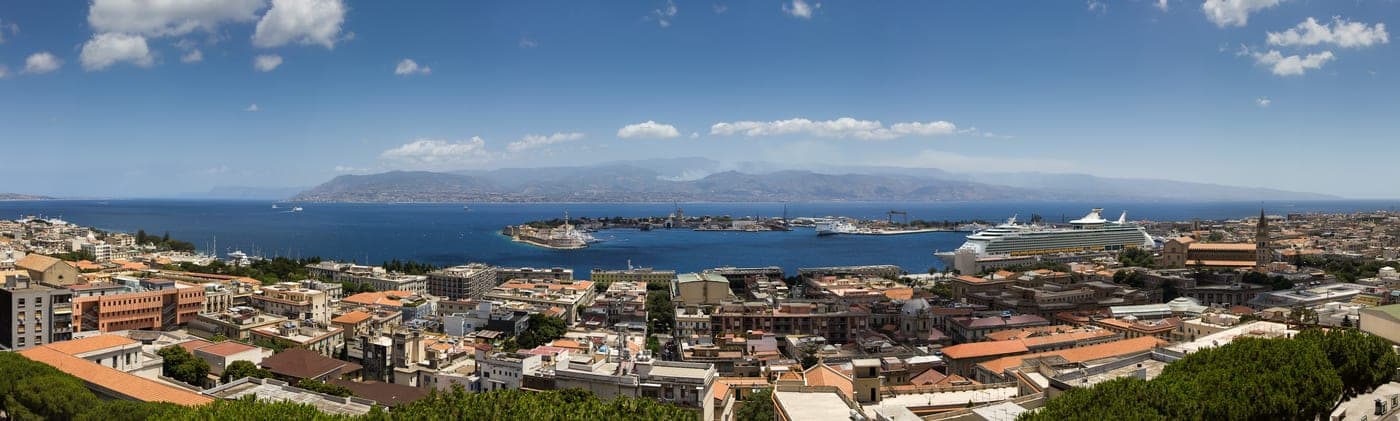
Messina
Strait city in northeastern Sicily with access to Faro DOC wine region.
Wine TastingHiking Agritourism
Milici
Sicilian countryside with citrus grove agriturismo offering lemon production and Mediterranean cuisine.
Agritourism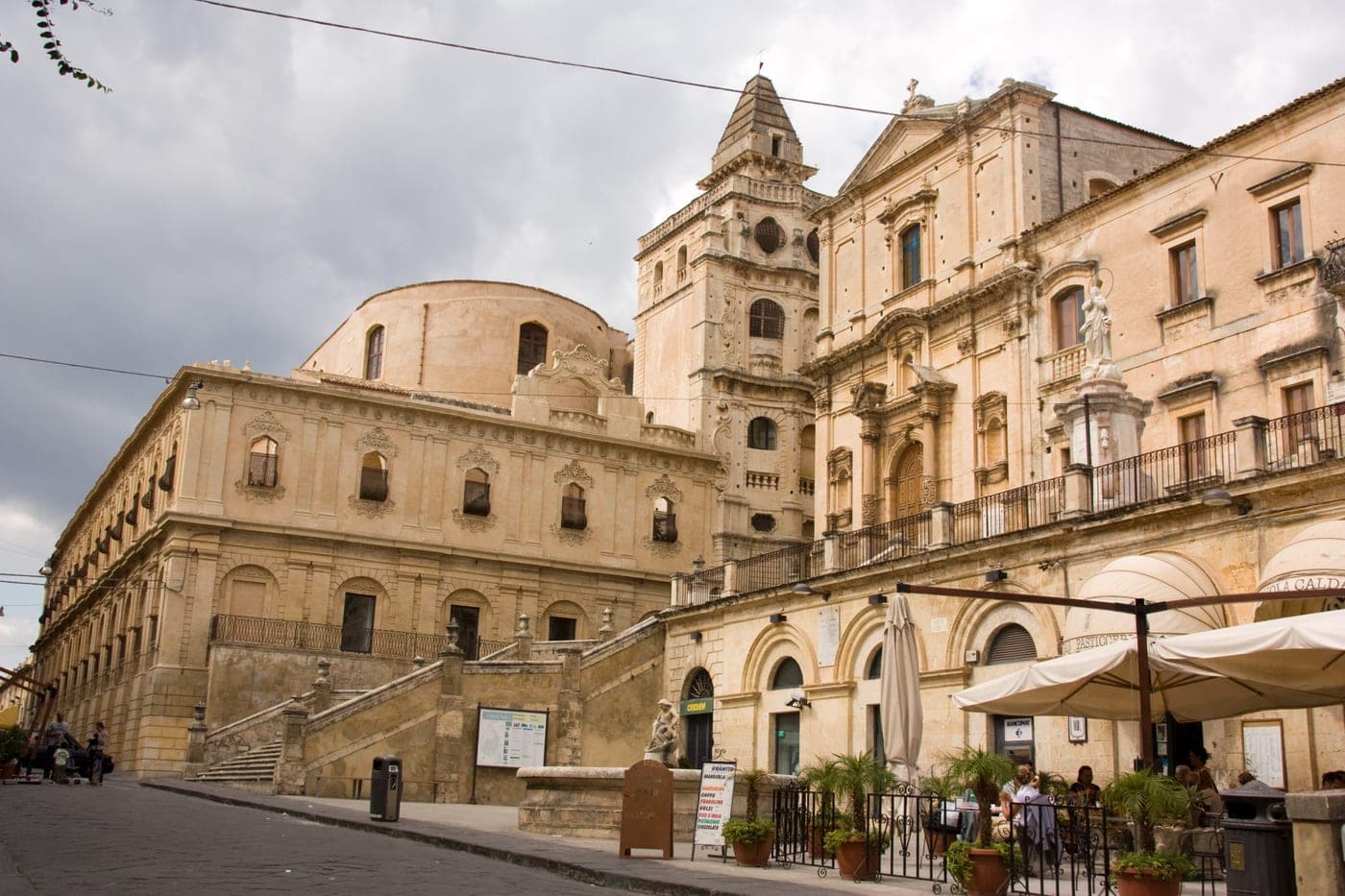 Wine Tasting
Noto
UNESCO baroque city in southeastern Sicily with Nero d'Avola wine estates.
Wine TastingHiking
1 region
 Wine Tasting21 destinations
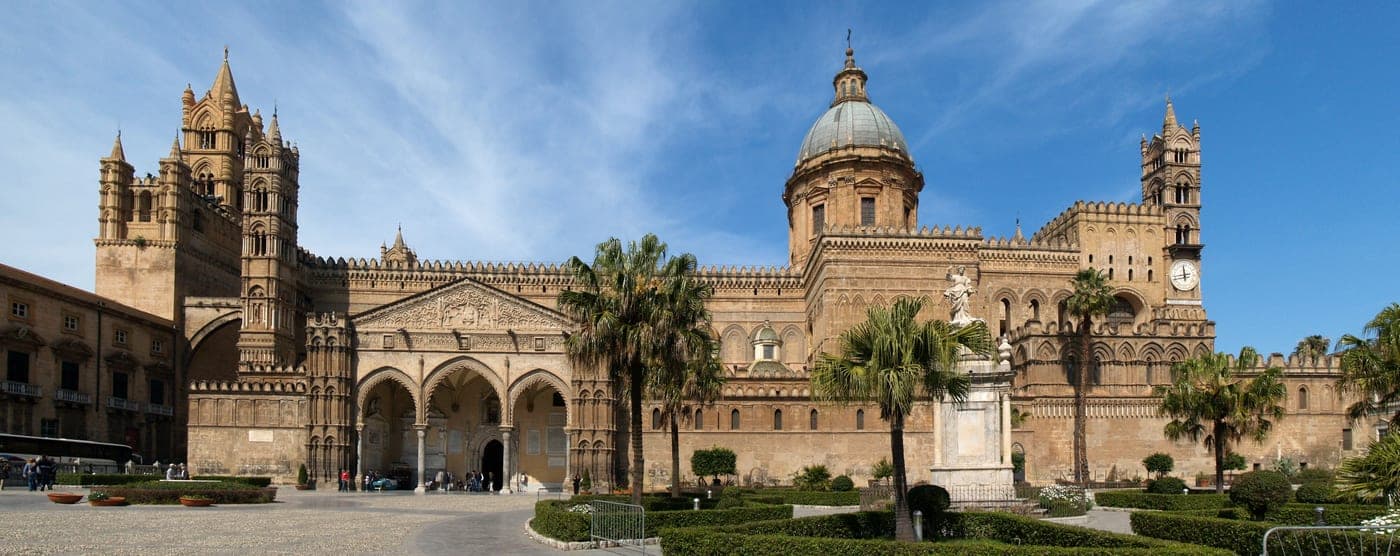
Sicily
Sicily, the largest island in the Mediterranean, boasts a rich tapestry of history and culture. Its unique position has made it a crossroads of civilizations, evident in the remnants of Greek temples in Agrigento and the Arab-Norman architecture in Palermo. The island features a diverse landscape, from the volcanic Mount Etna to the picturesque coastal towns of Taormina and Cefalù. Sicilian cuisine stands out for its use of fresh ingredients, with specialties like arancini and cannoli. The region is also famous for its local wines, particularly Nero d'Avola. Off the beaten path, discover the ancient ruins of Selinunte or the quaint streets of Erice. With charming villages and vibrant markets, Sicily offers a deep dive into authentic Italian culture and history.
Wine TastingHikingBoat RentalsAgritourism





