Focaccia
Genoa's oil-dimpled bread, Recco's cheese sandwich and Bari's tomato crown
- Local name
- Fugassa (Genoese)
- Served with
- Dunked in morning cappuccino (Genoa)
- Best eaten at
- A Genoese focacceria
- Pairs with
- Ligurian Vermentino
What it is
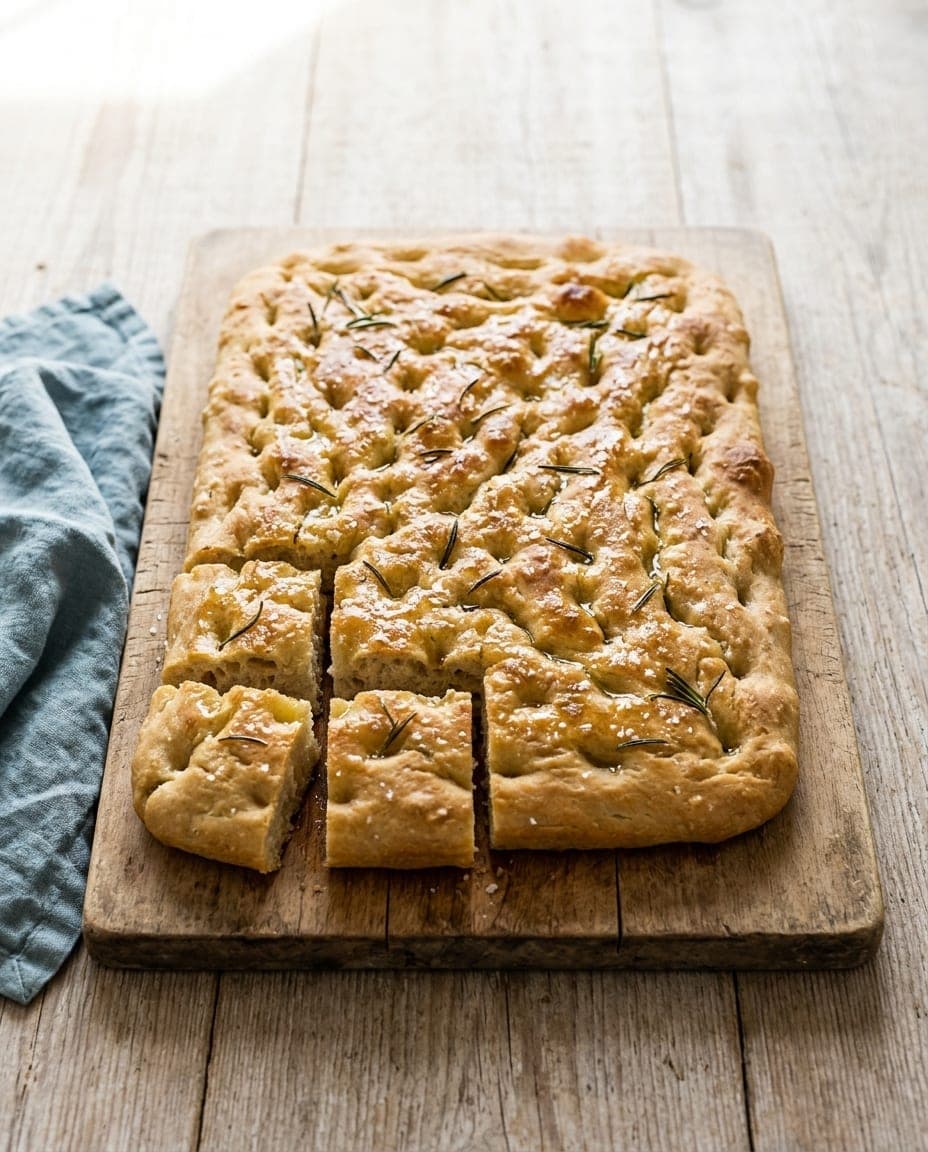
Focaccia is a flat oven-baked bread found across Italy, though its character shifts dramatically from one region to another. The term describes a family of flatbreads rather than a single uniform item. In the north-western coastal region of Liguria, the focaccia genovese (fugassa in Genoese) is a low, soft bread only a couple of centimetres thick, dimpled deeply with the fingers and brushed generously with olive oil before baking. The surface emerges from the oven glossy and salty, holding a brine-and-oil emulsion that keeps the crumb tender.
Further south in Puglia, the same name applies to a thicker, softer bread, often made with potato in the dough and topped with ripe tomatoes and black olives. Between these two lies focaccia di Recco, a distinct entity of two paper-thin sheets of unleavened dough enclosing a layer of soft, melted cheese. While the Genoese version is a breakfast item or a snack, the Puglian focaccia often accompanies meals or serves as a sandwich base. The name derives from the Latin panis focacius, from focus, meaning hearth, reflecting its origins as bread baked on or under the embers of an open fire.
How it is made and why it looks this way
The defining visual feature of the classic Genoese focaccia is the pattern of deep indentations covering its surface. These dimples are not merely decorative. The baker presses fingertips into the risen dough to create pockets that hold the coating of olive oil and salted water, and they stop the bread rising into a dome.
The liquid poured over the dough before it goes into the oven is a brine of water, oil and salt rather than plain water. This emulsion keeps the top moist and slightly salty throughout the bake, creating a contrast between the golden crust and the soft, oily interior. The bread is baked until the edges are golden brown and the centre is springy to the touch, and every baker judges the dough and the oven by feel.
The Genoese breakfast habit
In Genoa, where focaccia genovese originates, the bread is eaten at any hour of the day. It is a common sight to see locals buying a warm slice from a bakery in the morning and dipping it into their cappuccino. The habit surprises many visitors, but the oil-soaked bread absorbs the milk and coffee and makes a quick breakfast before work or school.
A focacceria or neighbourhood bakery is the standard place to buy it fresh, its counter filled with trays of golden focaccia. It is cut into rectangular pieces, rarely served on a plate, and usually wrapped in paper and eaten standing or walking.
Recco and the cheese-filled sheet
Focaccia di Recco, from the small coastal town of Recco east of Genoa, is fundamentally different from its Genoese cousin. It is not a leavened bread but two very thin sheets of unleavened dough, stretched by hand, with a soft, fresh cow's milk cheese of the crescenza or stracchino type dotted between them. The result resembles a giant, crisp-edged cheese sandwich more than a loaf of bread.
The cheese melts and bubbles through tears in the top sheet, which turns golden and blistered in a very hot oven. The texture is crisp on the outside and creamy within, with no rise to speak of. Since 2015, Focaccia di Recco col formaggio has been a Protected Geographical Indication (PGI), made in Recco and the neighbouring municipalities of Sori, Camogli and Avegno. It is served hot, straight from the round copper pan, and is best eaten immediately.
The Puglian variation
In Puglia, the heel of Italy's boot, focaccia takes on a heartier form, best known as focaccia barese. The dough often includes boiled potato, giving it a soft, moist crumb. It is baked in round or rectangular tins and rises noticeably higher than its Ligurian counterparts.
The topping is distinctive: ripe cherry tomatoes and black olives pressed into the surface before baking, with oregano and plenty of local extra virgin olive oil, which crisps the base. It is eaten as a snack or sliced and filled to make a substantial sandwich, and it is a staple of street food in bakeries across Bari and the surrounding towns.
Curious facts
- The name comes from the hearth. Focaccia derives from the Latin focus, hearth, where such breads were originally baked.
- Dimples hold the oil. The deep indentations trap the olive oil and brine, keeping the bread moist.
- Breakfast is a common time. In Genoa, dipping focaccia in cappuccino in the morning is a well-loved local habit.
- Recco uses no yeast. Focaccia di Recco is made with unleavened dough, stretched into two thin sheets rather than a risen loaf.
- Potato changes the texture. The Barese version often incorporates potato into the dough, giving a softer crumb than the Genoese style.
- A regional speciality. Focaccia varies so much by region that it is better seen as a family of local breads than a single national dish.
Where to try it
The best place to eat focaccia genovese is in a bakery or focacceria in Genoa itself, particularly in the historic centre and near the port, where it is sold warm from the oven throughout the morning.
For the cheese-filled version, Recco and its neighbouring towns are the places to find the authentic focaccia di Recco, baked to order and best enjoyed hot. In Puglia, the tomato-topped focaccia barese is sold in bakeries across Bari and towns such as Monopoli. Ligurian focaccia goes well with a glass of Vermentino, the Barese one with a local Puglian white or rosé.
Where to try it
2 destinations
 Boat Rentals
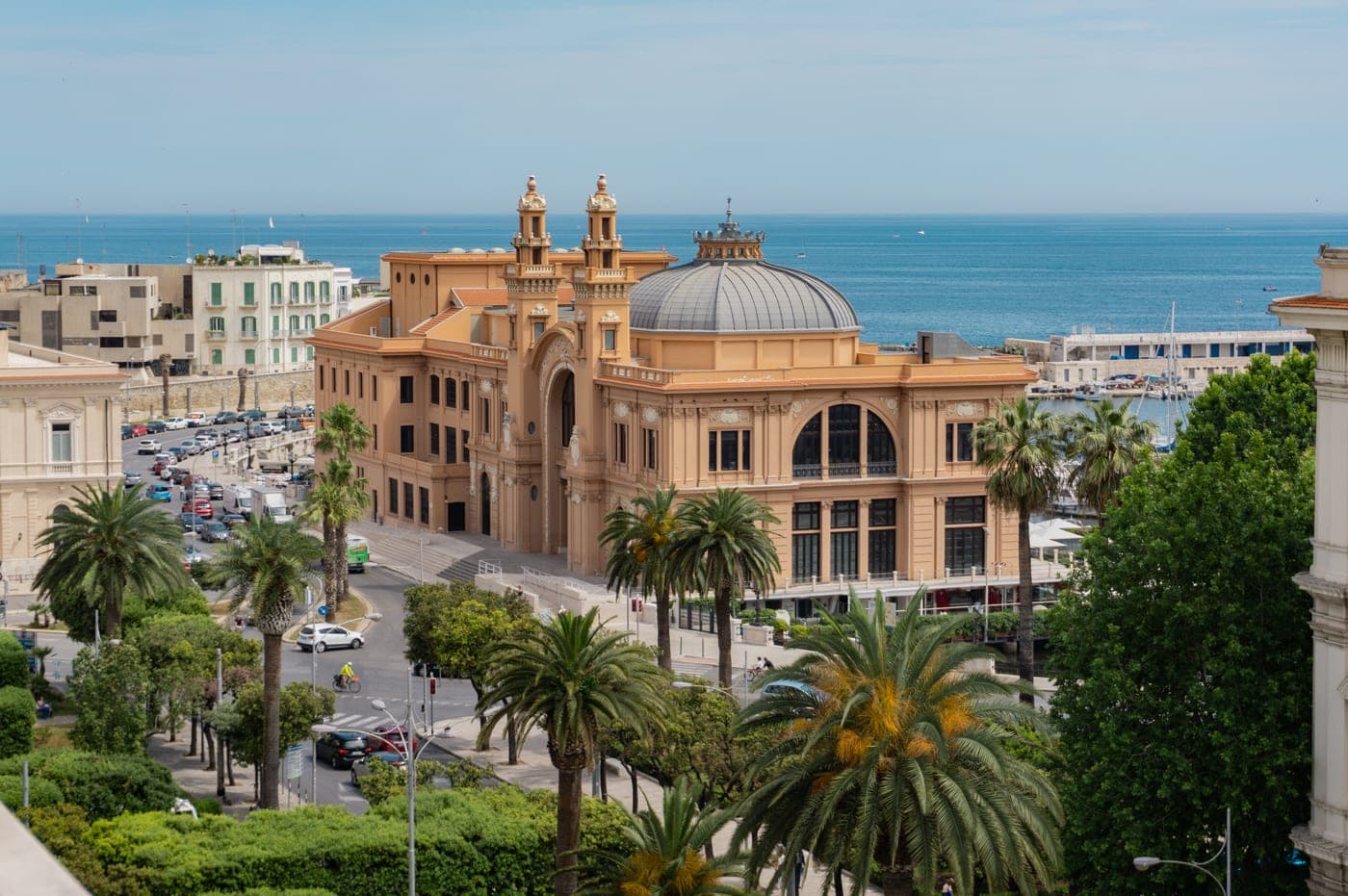
Bari
Historic port city featuring Romanesque architecture and bustling markets.
Boat RentalsHiking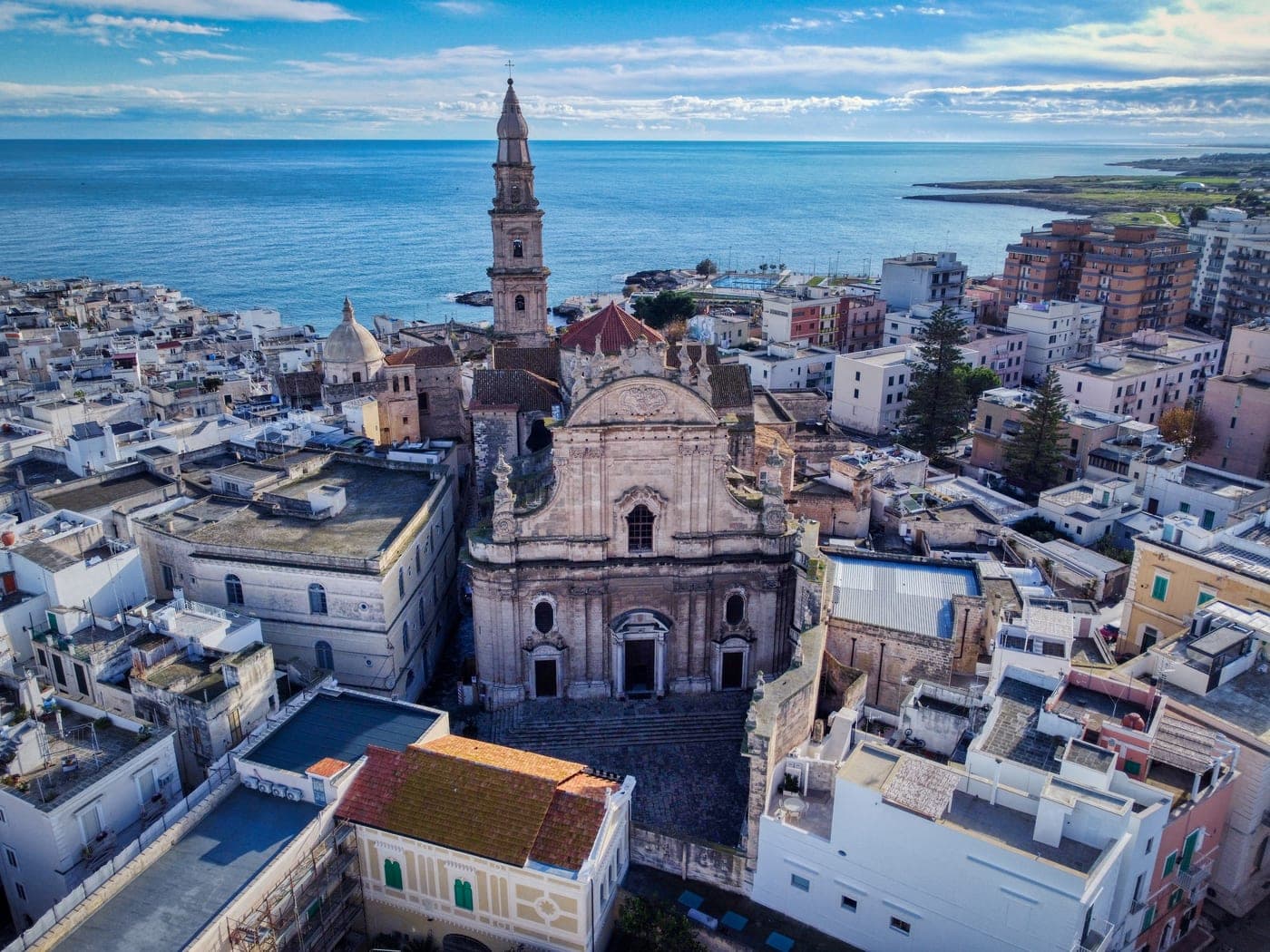 Boat Rentals
Monopoli
Charming coastal town known for its historic center and beautiful beaches.
Boat RentalsHiking
2 regions
 Wine Tasting4 destinations
Liguria
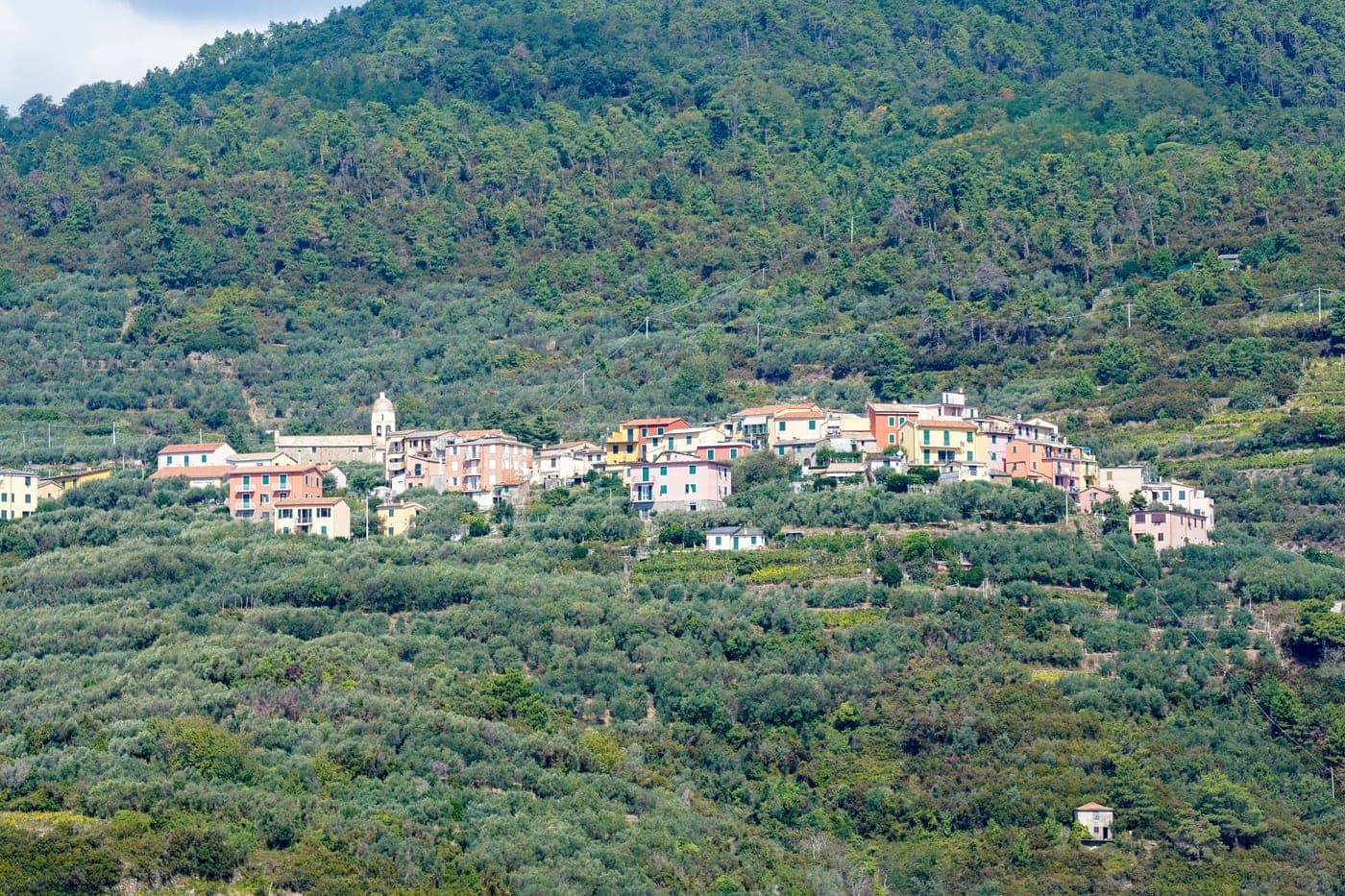
Nestled between the Ligurian Sea and the Apennine Mountains, this region is the smallest in Italy, yet it boasts a rich tapestry of landscapes and cultures. Known for its picturesque coastline, it is home to the UNESCO World Heritage Site of Cinque Terre, where five colorful villages cling to steep cliffs. Beyond the coast, towns like Portofino offer a glimpse into the luxurious Mediterranean lifestyle, while inland, the olive groves and vineyards of the hinterland produce exquisite olive oil and Vermentino wine. Historical sites abound, such as the ancient maritime republic of Genoa, with its impressive palaces and rich maritime history. The region is also famous for its pesto, a culinary delight made from locally grown basil. With a mild climate year-round, Liguria offers a wealth of walking trails, scenic drives, and local festivals, providing an authentic experience of Italian coastal life.
Wine TastingBoat RentalsHiking Boat Rentals20 destinations
Puglia
Apulia, the heel of Italy, is known for its unique trulli houses, especially in Alberobello, a UNESCO World Heritage site. The region features beautiful coastlines along the Adriatic and Ionian Seas, with picturesque towns like Polignano a Mare and Otranto offering stunning sea views and fresh seafood. Notably, Apulia is the largest wine-producing region in Italy, famous for robust Primitivo and fruity Negroamaro wines. History aficionados can explore ancient sites like the Romanesque cathedral in Bari and the medieval castles of Castel del Monte. With its rich culinary traditions, highlighted by orecchiette pasta and olive oil, Apulia offers a deep dive into Italy's cultural heritage.
Boat RentalsWine TastingHikingAgritourism





