Campari
The bright red bitter at the heart of Milan's aperitivo since the 1860s
- Alcoholic
- Local name
- Campari
- Served
- As Campari soda, chilled
- Best eaten at
- Camparino in Galleria, Milan
- Pairs with
- Olives and salted nuts
What it is
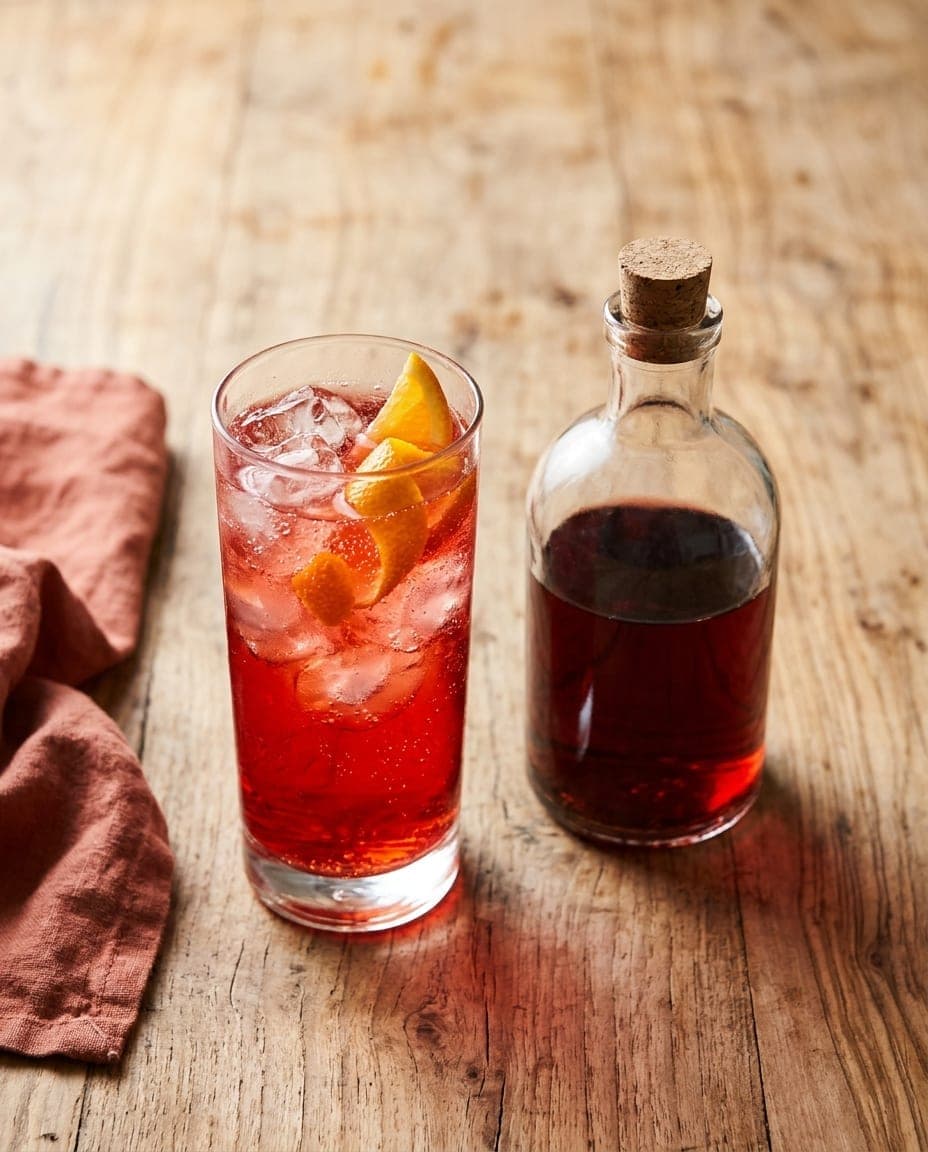
Campari is a bright red, intensely bitter apéritif that has become a visual and cultural signature of Milan since the second half of the nineteenth century. It belongs to the broad family of Italian bitters, but stands apart for its specific balance of sharpness and fruitiness, which makes it both challenging and essential for anyone following the Italian rhythm of life before a meal. It is an infusion of herbs, roots and fruit in alcohol and water, producing a deep, ruby-red liquid that can be drunk on ice but is most often lengthened with soda water or mixed.
The most common way to order it is as a Campari soda, either mixed at the bar over ice or as the small pre-mixed bottle that has been sold in Italy since the 1930s. It is the starting point for some of Italy's most famous cocktails, including the Negroni, where equal parts gin, Campari and sweet vermouth are stirred together, and the Americano, which mixes it with sweet vermouth and soda. The bitterness is a deliberate invitation to eat: in Italian tradition, the aperitivo is not merely a drink but a pause before the evening meal, and Campari is one of its classic tools.
The history of a red liquid
The story begins in Novara, a city in Piedmont just west of the border with Lombardy, where Gaspare Campari, born in 1828 in nearby Cassolnovo, created the recipe in 1860. He moved to Milan in the 1860s, and in 1867 opened the Caffè Campari on the corner of the newly completed Galleria Vittorio Emanuele II and Piazza del Duomo. His son Davide, born there that same year, later expanded the business, and in 1915 he opened the Camparino next door, a bar famous for its Art Nouveau interior and for a system that piped chilled soda water up from the cellars.
The recipe has always remained a closely guarded secret. Production moved to a dedicated plant in Sesto San Giovanni, just outside Milan, in 1904, and the site is still home to the group's headquarters. The brand has since become a global presence, yet its identity remains tied to Milan.
In the twentieth century, Campari also became a canvas for Italian art and design. Leonetto Cappiello drew its famous orange-peel sprite in the 1920s, the futurist Fortunato Depero created celebrated advertising and the conical Campari Soda bottle in 1932, Bruno Munari designed a poster for the opening of Milan's first metro line, and Federico Fellini directed a television commercial for the brand in 1984. The bright red became an icon of Italian modernity.
Why it is so bitter
The defining characteristic of Campari is its bitterness, which places it firmly within the Italian tradition of bitter drinks taken before meals to whet the appetite. The bitterness is sharp and immediate, and with soda water it becomes both refreshing and bracing.
Unlike many Italian amari, which are sipped as digestifs after a meal, Campari is above all an apéritif. It is drunk in the late afternoon or early evening, when the city slows down for the aperitivo. The drink serves as a bridge between the workday and the dinner hour, and its intensity means it pairs naturally with small plates of food.
How it is drunk in Milan
In Milan, drinking Campari is a social ritual that happens in specific places at specific times. The most famous location is the Camparino itself, at the entrance to the Galleria Vittorio Emanuele II, where Milanese and visitors alike stand at the historic counter for a Campari soda, often as a prelude to dinner in the surrounding streets.
Beyond the historic bar, the custom spreads through the city's cafés and bars. A Campari soda or Campari with soda is served cold, often with a slice of orange, and it rarely arrives alone. It comes with a plate of stuzzichini, small bites meant to accompany the alcohol. The simplest pairing is green olives and salted nuts, such as almonds or peanuts, whose salt and crunch balance the sharpness of the drink.
What goes into the mix
The exact recipe remains a secret. No public document lists the specific herbs, roots or fruits used, nor the number of ingredients or the method of infusion, so precise counts should be treated with suspicion. What is known is that the base is a blend of botanicals and fruit in alcohol and water, sweetened and coloured.
The colour has changed over time. Until 2006, the deep red hue came from carmine, a natural dye derived from cochineal insects. That year the company switched to other colourings, so the drink is no longer coloured with an insect-derived ingredient. The result is still the same bright red.
The flavour is dominated by bitterness, balanced by notes of orange peel, fruit and herbs. In the Negroni, Campari provides the bitter backbone that holds the gin and vermouth together; in the Americano, it adds a sharp edge to the sweet vermouth and soda water.
Curious facts
- Born in Piedmont. Although Campari is a Milanese icon, it was created in Novara, in Piedmont, before Gaspare Campari moved to Milan.
- Born in the Galleria. Davide Campari, who turned the drink into a brand, was born in 1867 at the family's café in the Galleria Vittorio Emanuele II.
- The colour change. Until 2006, the red came from cochineal insects; since then, other colourings have kept the same visual identity.
Where to try it
Campari is best experienced in its historical context in Milan, at the Camparino in the Galleria Vittorio Emanuele II, which has been serving it since 1915 on the site linked to the Campari family since 1867.
Beyond the historic bar, any Milanese establishment that serves an aperitivo will have Campari on the menu, usually as a Campari soda with a slice of orange, in the late afternoon and early evening. The custom has long since spread throughout Italy, but the Galleria remains its most evocative setting.
Where to try it
1 destination
 Camper Van Rentals
Milan
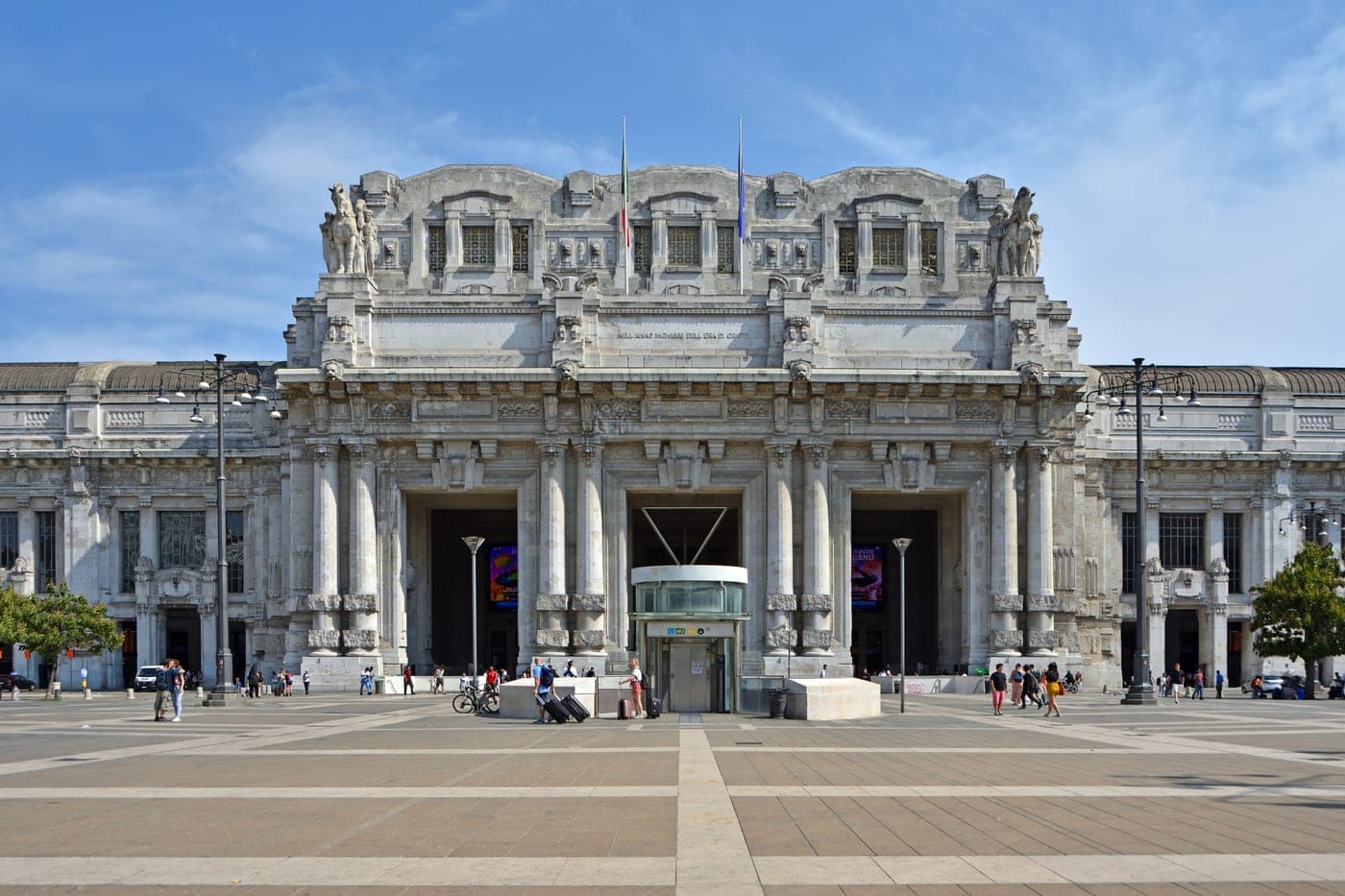
Italy's fashion and design capital with historic cathedral and opera house.
Camper Van RentalsHiking
2 regions
 Boat Rentals12 destinations
Lombardy
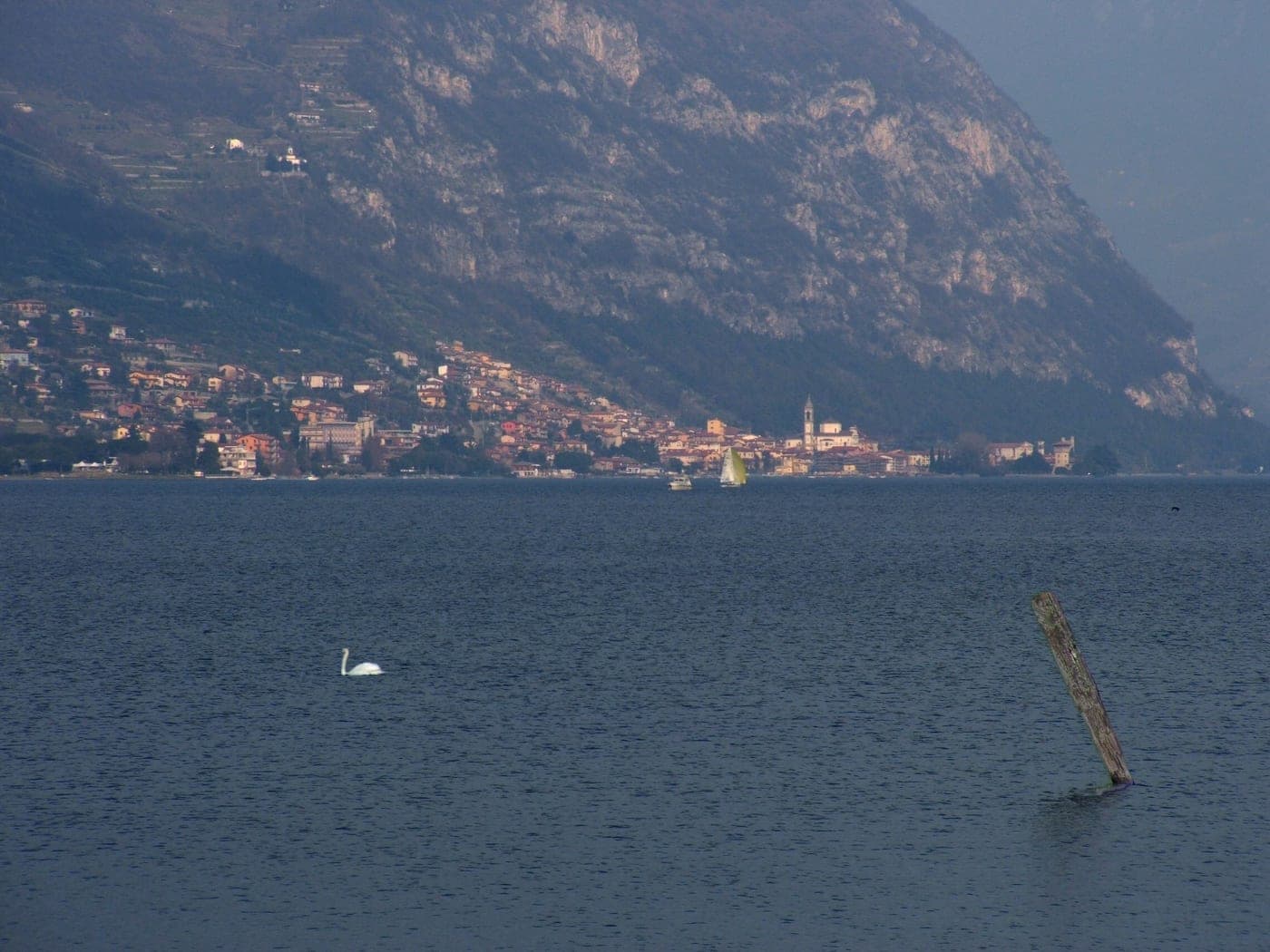
Lombardy runs from Alpine peaks in the north down to the flat rice fields of the Po valley in the south, and this range sits behind almost everything the region does well for slow travel. Milan anchors it as a capital of fashion and finance, but the quieter pace that draws travellers who like to slow down lives outside the city, spread across lake villages, hill towns, and wine roads that ring it on every side. Lombardy rewards a traveller who picks one valley, one lake shore, or one wine road and stays with it rather than trying to cover the whole region at once. Lake Como is one of Lombardy's most recognisable landscapes, its stone villages stacked against steep slopes and its old villas opening their gardens to the water. Bellagio, Varenna, and Menaggio each keep a small working harbour where boats still connect the shoreline settlements. Further east, the region also touches the western shore of Lake Garda, where towns like Sirmione sit on a narrow peninsula with Roman ruins at its tip, and Lake Iseo sits quieter still, ringed by Franciacorta's vineyards on one side and Monte Isola, the largest lake island in southern Europe, on the other. Between the lakes, the Brianza hills and the lower Alpine valleys hold smaller villages built around a single church square, a mill, or a market that still runs on its traditional day, largely untouched by the crowds that gather on the main lake shores in summer. Wine gives the region another rhythm, and Lombardy's wine roads are built for slow exploring rather than a single tasting stop. Franciacorta, in the hills east of Brescia, produces Italy's best-known sparkling wine made in the traditional method, and its cellars sit among vineyards that climb gently toward Lake Iseo, many open for visits by appointment. Further south, the Oltrepò Pavese hills near Pavia grow both still and sparkling wines on slopes that agriturismo farms have worked for generations, offering rooms and meals built around what the land produces that season. In the far north, the Valtellina valley grows Nebbiolo on narrow terraces held up by dry stone walls, alongside the mountain cheeses and cured meats the valley is known for; the Strada del Vino e dei Sapori della Valtellina links the terraced vineyards to the villages and cellars below them. The hill towns carry this same unhurried character. Bergamo's upper town, the Città Alta, sits behind a ring of stone walls built by Venice when the city belonged to its inland territories; inside them, narrow lanes lead to a Renaissance chapel and a quiet main square that empties out once the day-trippers head back down. Mantua, ringed by three artificial lakes, kept its Gonzaga-era palaces and squares largely intact and shares a joint UNESCO listing with the smaller fortress town of Sabbioneta, built from scratch as an ideal Renaissance city. Cremona, on the Po plain, has built violins since the Amati and Stradivari workshops opened there, and the craft continues in small workshops around its cathedral square. Pavia, a university town south of Milan, holds a Carthusian monastery on its outskirts whose carved marble façade is one of the region's finest. Smaller villages such as Clusone in the Val Seriana or Gromo, with its old ironworking streets, keep the same rhythm on a smaller scale, each built around a single square, a mill stream, or a covered market. Food ties all of this together, and it is where Lombardy's slow food traditions show clearest. The region cooks with butter and rice rather than the olive oil of the south: risotto alla milanese, coloured with saffron, is the signature dish, while polenta remains a staple in the mountain valleys, often served alongside stewed meat or local cheese. Grana Padano is made across much of the Po plain, and the mountain dairies of Valtellina produce their own aged cheeses, including Bitto and Casera. Markets in the smaller towns still run on a weekly schedule, selling produce grown within a short distance of the stall, and many agriturismo farms across Oltrepò Pavese and Franciacorta serve meals built entirely from what they grow or raise themselves. Landscape and table hold Lombardy together: a lake village built around its harbour, a wine road that climbs from valley floor to ridge line, a hill town that keeps its own pace once the tour groups leave. The towns and wine roads below each hold a different piece of this pattern, from the Renaissance squares of Mantua to the terraced vineyards of the Valtellina, and together they map out a version of Lombardy built for slow travel rather than a checklist of sights.
Boat RentalsWine TastingHikingCamper Van Rentals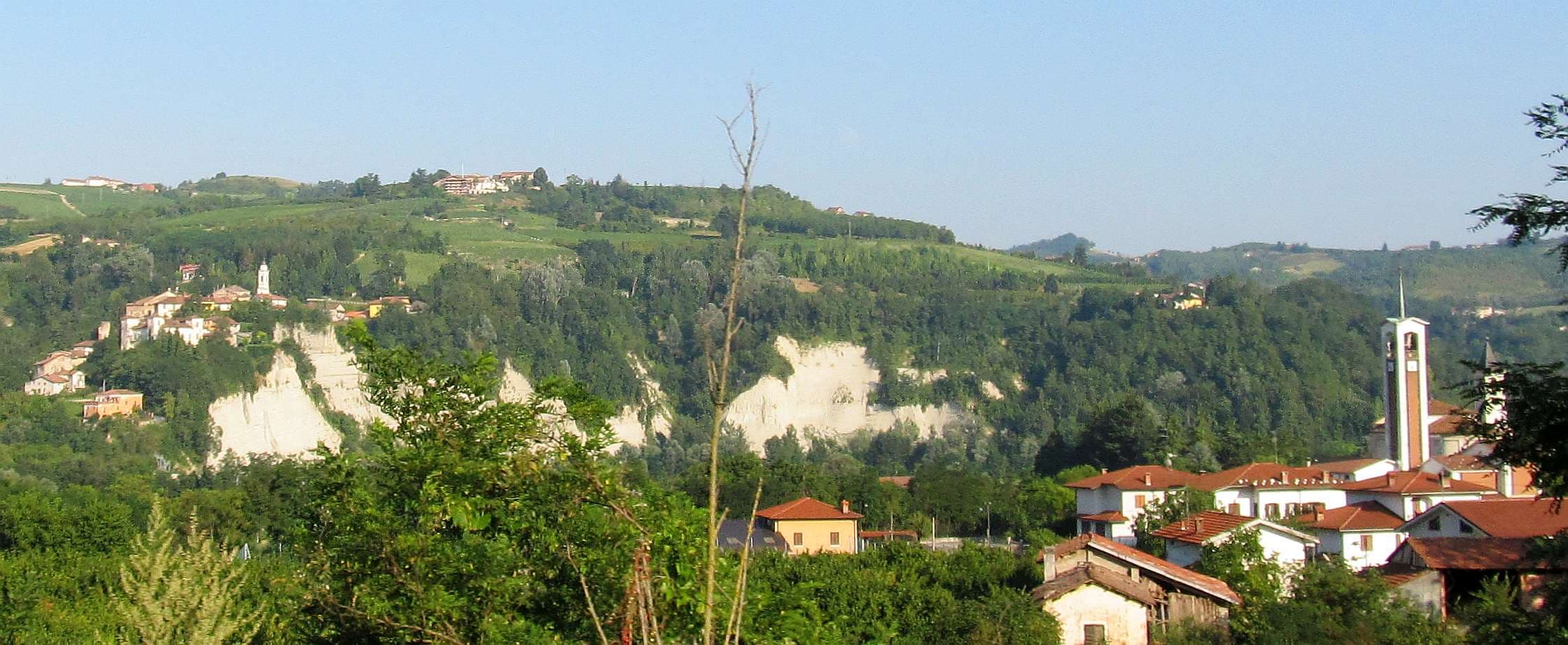 Agritourism31 destinations
Piedmont
Piedmont is the second-largest region in Italy, bordered by the Alps to the north and characterized by its rich culinary and viticultural heritage. The region is famous for Barolo and Barbaresco wines, produced in the rolling hills of Langhe, a UNESCO World Heritage site. Turin, the capital, is known for its elegant architecture and historical cafes, while smaller towns like Alba and Asti offer vibrant local markets and truffle festivals. The region also boasts stunning landscapes, from the serene lakes of Orta and Maggiore to the majestic mountains. Its historical significance includes being the birthplace of the Italian unification. Authentic experiences can be found in local agriturismos and family-run osterias, away from typical tourist paths.
AgritourismWine TastingCastlesHiking





