Caldo freddo
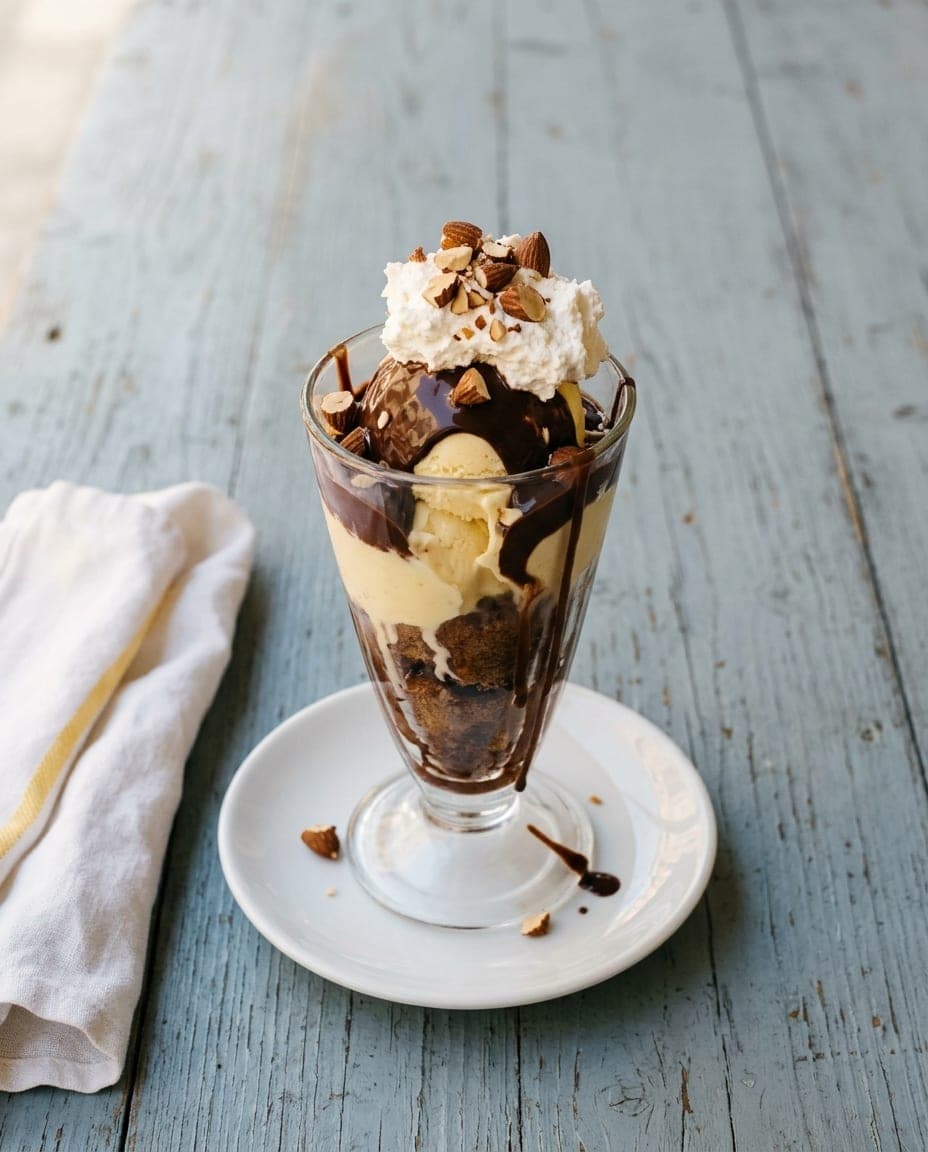
Hot chocolate poured over cold gelato, the summer sweet of San Vito Lo Capo
- Vegetarian
- Local name
- Caldo freddo
- Best eaten at
- A San Vito Lo Capo gelateria
What it is
The Caldo freddo, literally "hot cold", is a simple yet striking dessert from the Trapani coast of western Sicily. It is a layered treat served in a bowl or cup, built around the contrast between warm, dark chocolate sauce and cold gelato and whipped cream. Today it is above all associated with the seaside town of San Vito Lo Capo, where it is a summer staple at the gelaterie and bars near the beach and harbour.
The entire point of the dessert is the temperature clash. A spoonful delivers the shock of hot liquid against the chill of the frozen dairy in the same bite. Because the heat melts the cold elements quickly, the dish must be assembled just before serving and eaten immediately. It does not travel well; it is a moment best experienced where it is made.
Where the idea began
The origins are disputed. One account holds that the dessert was first made in the city of Trapani in the first half of the twentieth century, reportedly at a pastry shop beside the Teatro Garibaldi that was destroyed during the Second World War, and that San Vito Lo Capo later revived and popularised it. Other sources say it was invented in San Vito Lo Capo itself, around the 1970s, for the growing number of summer visitors. Either way, San Vito Lo Capo is now the town most closely identified with it.
Its success is easy to understand. San Vito Lo Capo is a beach resort with long, hot summers, and a dessert that combines gelato with a warm sauce suits evenings spent strolling near the sea. Locals and visitors gather at the gelaterie after dinner, ordering a Caldo freddo as the air cools.
How it is built
There is no single official recipe, but the structure remains broadly consistent. The base is a layer of pan di Spagna (sponge cake), soft biscuits or half a brioche, often lightly soaked in a sweet liqueur such as rum or Marsala. On top go scoops of gelato (hazelnut, coffee, bacio, stracciatella or pistachio are common choices) and a generous layer of whipped cream. Some versions repeat the layers, and some add chopped hazelnuts or pistachios.
The final touch is a pour of hot dark chocolate sauce over the top, creating a visual contrast between the dark liquid and the white cream. The heat from the sauce meets the cold layers beneath, so that every spoonful carries both temperatures. It is not a dessert meant to be eaten slowly; the temperature balance shifts within minutes.
How it is eaten
The Caldo freddo is a gelateria and bar dessert rather than a home dish. It is found most reliably in the gelaterie and bars of San Vito Lo Capo and around Trapani, particularly during the summer months. The evening, after dinner, is the classic time to order one.
It is eaten with a spoon, and quickly. The warmth of the chocolate melts the gelato, changing the texture from firm to soft and then to a liquid mixture. Left too long, the distinct layers disappear.
Curious facts
- A temperature trick. The name describes the physical sensation: hot chocolate and cold ice cream in one dish. The contrast is the whole reason the dessert exists.
- No travel option. Unlike many Italian sweets, this dessert cannot be prepared in advance or taken away. It must be eaten where it is made.
- An adopted symbol. Although San Vito Lo Capo is now synonymous with the Caldo freddo, one popular account credits nearby Trapani with inventing it.
- Bar culture. The dish is rarely made in a home kitchen. It belongs to the atmosphere of the seaside gelaterie.
- Summer ritual. The dessert is most popular during the warm months, when visitors and locals stroll through town in the evening air.
Where to try it
The best place to eat Caldo freddo is a gelateria in San Vito Lo Capo, particularly those near the seafront, where the dish was popularised. In Trapani and the surrounding area, similar versions are served in gelaterie and pastry shops.
Where to try it
1 destination
 Boat Rentals
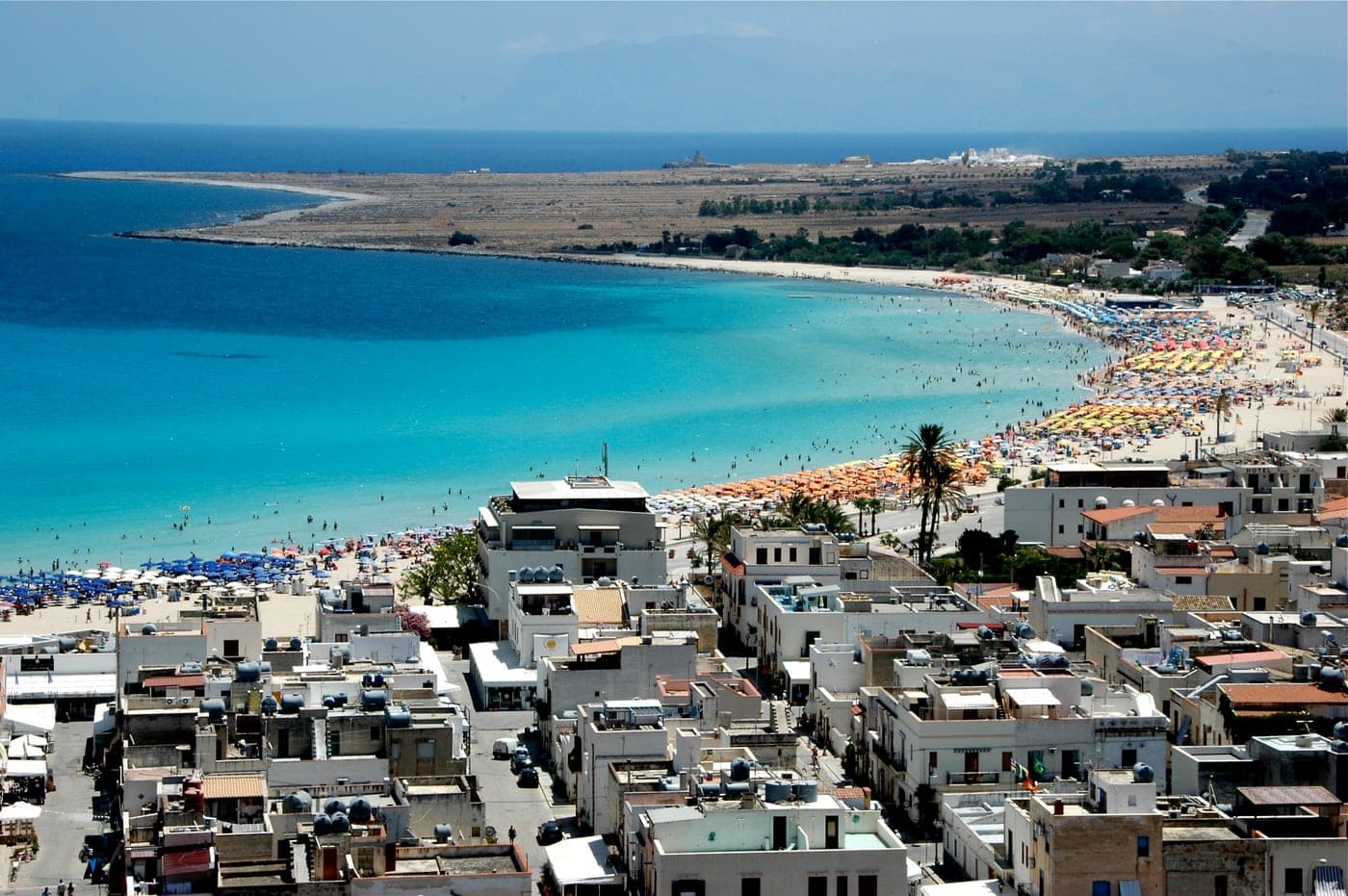
San Vito Lo Capo
Sicilian beach paradise with marina and boat rentals for exploring the Zingaro Nature Reserve.
Boat RentalsHiking
1 region
 Wine Tasting21 destinations
Sicily
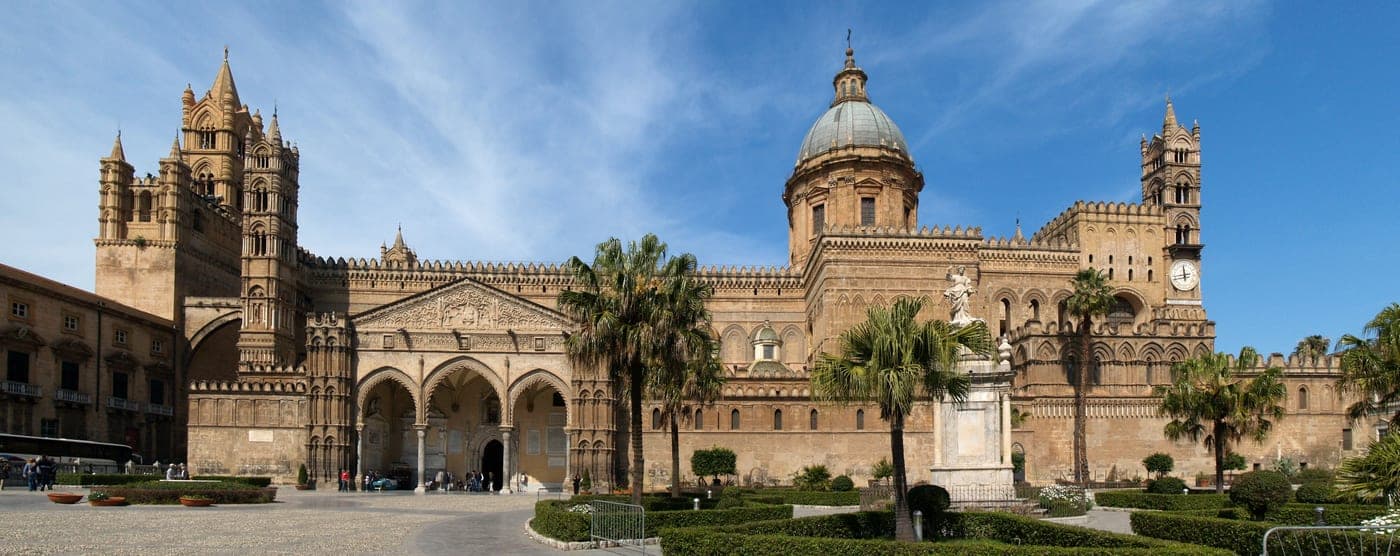
Sicily, the largest island in the Mediterranean, boasts a rich tapestry of history and culture. Its unique position has made it a crossroads of civilizations, evident in the remnants of Greek temples in Agrigento and the Arab-Norman architecture in Palermo. The island features a diverse landscape, from the volcanic Mount Etna to the picturesque coastal towns of Taormina and Cefalù. Sicilian cuisine stands out for its use of fresh ingredients, with specialties like arancini and cannoli. The region is also famous for its local wines, particularly Nero d'Avola. Off the beaten path, discover the ancient ruins of Selinunte or the quaint streets of Erice. With charming villages and vibrant markets, Sicily offers a deep dive into authentic Italian culture and history.
Wine TastingHikingBoat RentalsAgritourism





