Grünkohl mit Pinkel
Stewed curly kale with smoky grain-and-bacon Pinkel sausage from Lower Saxony and Bremen
- Local name
- Grünkohl mit Pinkel (Kohl und Pinkel)
- Served with
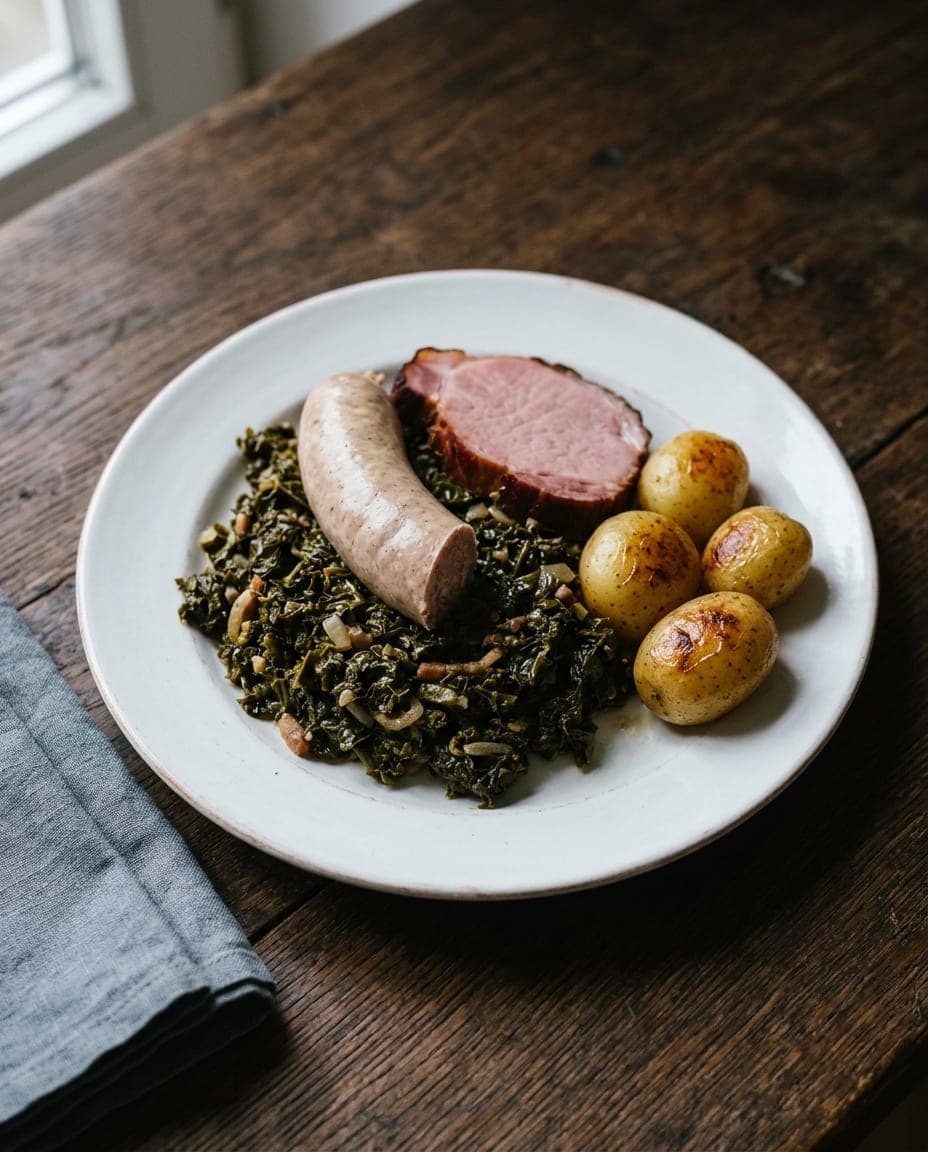
- Boiled potatoes, Kassler
- Best eaten at
- A Kohlfahrt winter outing
- Pairs with
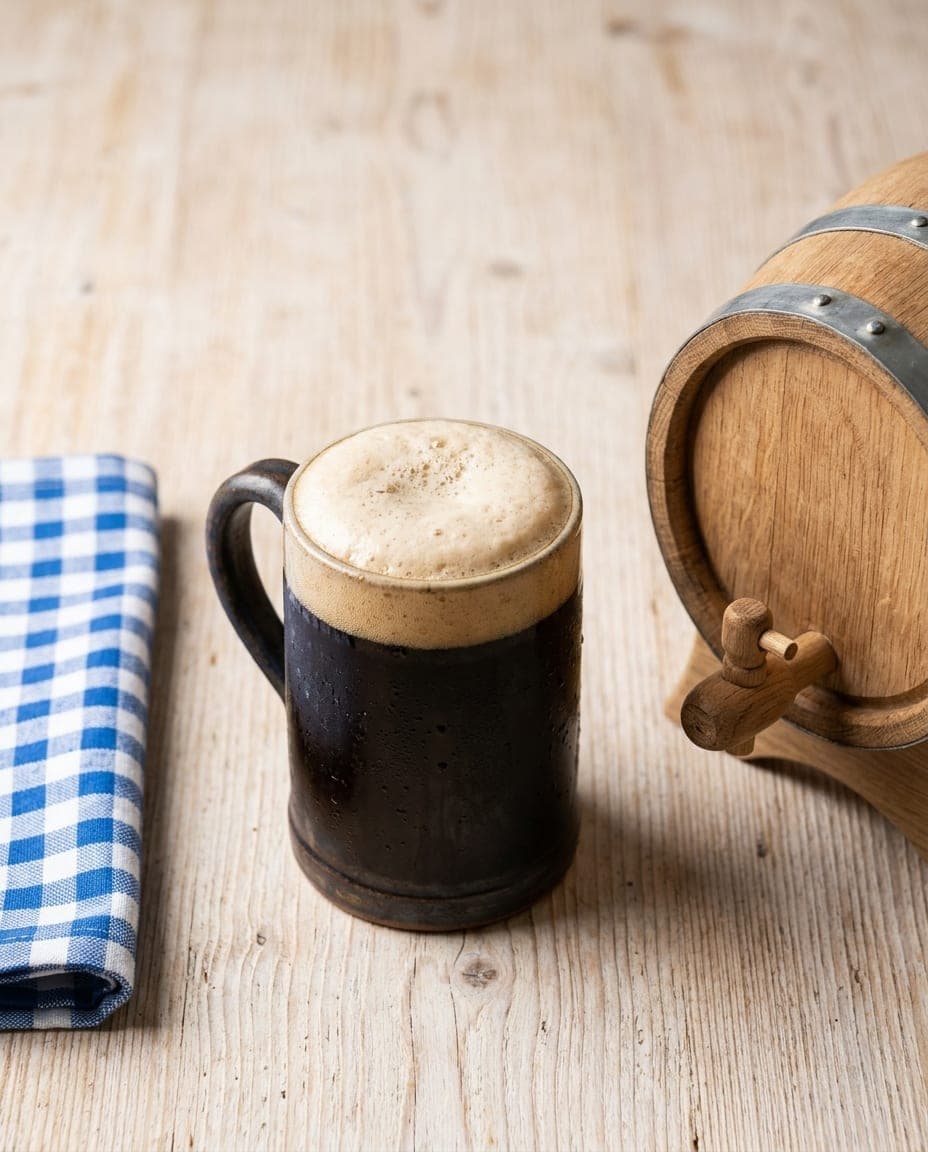
- Lager and Korn schnapps
What it is
Grünkohl mit Pinkel is the definitive winter dish of north-west Germany, particularly in Bremen, the Oldenburg area and East Frisia. It is a substantial dish of curly kale cooked until soft and sweet, combined with Pinkel, a coarse smoked sausage made from oat or barley groats, bacon and onion. The result is a thick, dark plate that feels less like a meal and more like a warm embrace against the cold.
The dish does not rely on fresh, crisp leaves. Instead, the kale is traditionally picked after the first frost has passed through the fields. This exposure to cold weather is said to make the leaves sweeter and less bitter, giving the dish a mellow sweetness that balances the deep smokiness of the sausage and cured meats; modern varieties are milder and can be harvested earlier. The cooking process is long and slow; the leaves are braised for hours until they lose their bright green colour and turn a deep, dark green that signals readiness.
The winter ritual of the Kohlfahrt
The true context for Grünkohl mit Pinkel is not merely the kitchen, but the Kohlfahrt, a traditional winter outing that has defined the region's social calendar for generations. This is a group walk taken across the winter countryside, most popularly on Saturdays in January and February. Participants gather at a meeting point, often pulling a handcart (Bollerwagen) loaded with bottles of schnapps and supplies.
The walk itself is a social event filled with games such as Boßeln, singing and good humour as the group moves through the fields. The destination is an inn in a nearby village, where the kale awaits. Here, the Kohlkönig, or kale king, is crowned. Depending on the group, the title goes to the person who eats the most portions or who scores best in the games, and the winner is traditionally responsible for organising the next year's outing. The tradition turns a simple meal into a communal celebration of endurance and friendship in the depths of winter.
What goes into it
While every cook in the region has their own variation, the core components remain consistent. The dish is built on three pillars: the kale, the sausage, and the cured meats that enrich it.
- Curly kale, traditionally picked after the first frost and cooked until soft and dark.
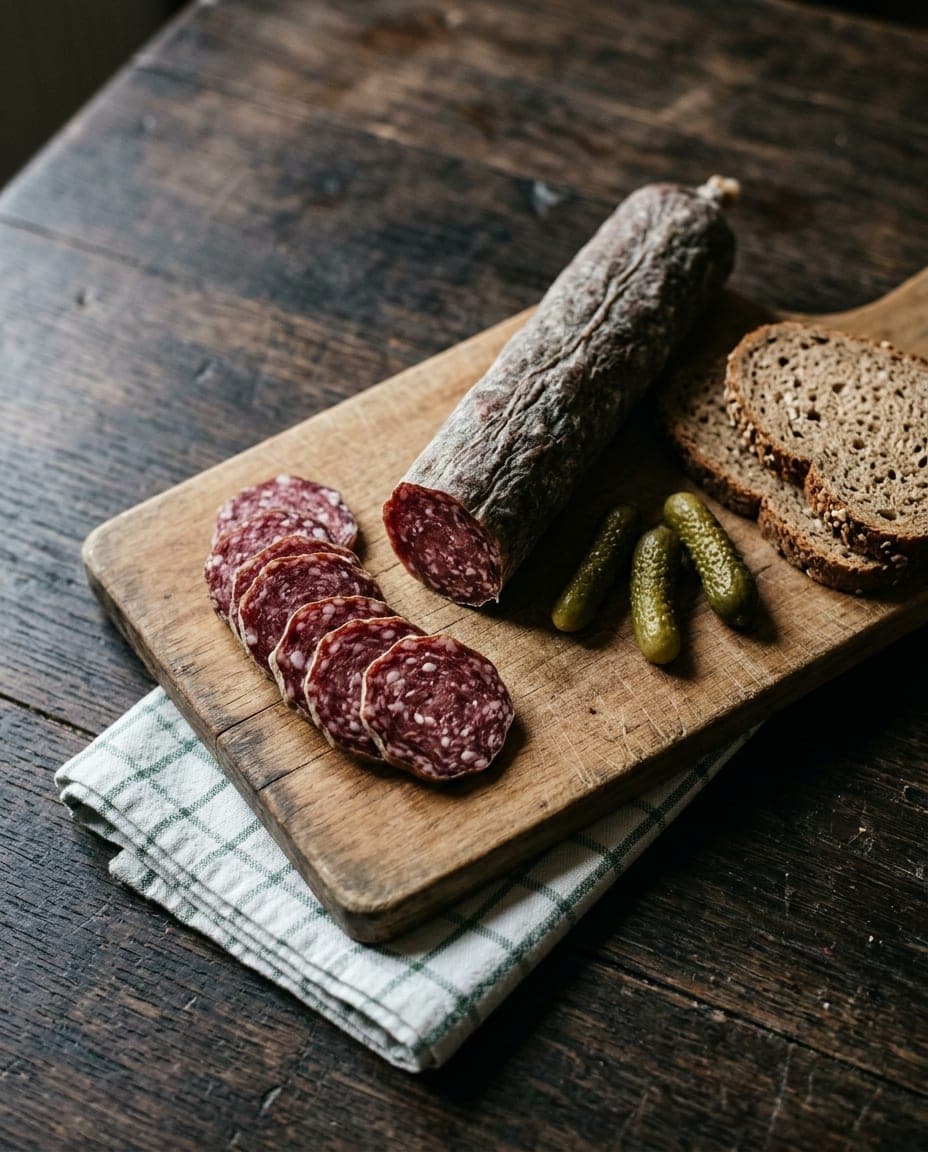
- Pinkel, a coarse smoked sausage containing oat or barley groats, bacon and onion, which provides the smoky backbone of the dish.
- Smoked pork cuts, typically Kassler (cured, smoked pork) and often pork belly or a boiled sausage such as Kochwurst, which add texture and depth.
- Potatoes, served boiled or, especially around Bremen and Oldenburg, fried or caramelised.
The combination creates a dish that is hearty and filling, designed for the coldest months. It is not a light starter but a main course meant to be shared in large quantities.
How it is eaten
Grünkohl mit Pinkel is traditionally served as a winter lunch or dinner, often at the end of a Kohlfahrt gathering. The kale arrives in large bowls or communal pots, with the sausages and meat laid on top, accompanied by a generous portion of potatoes.
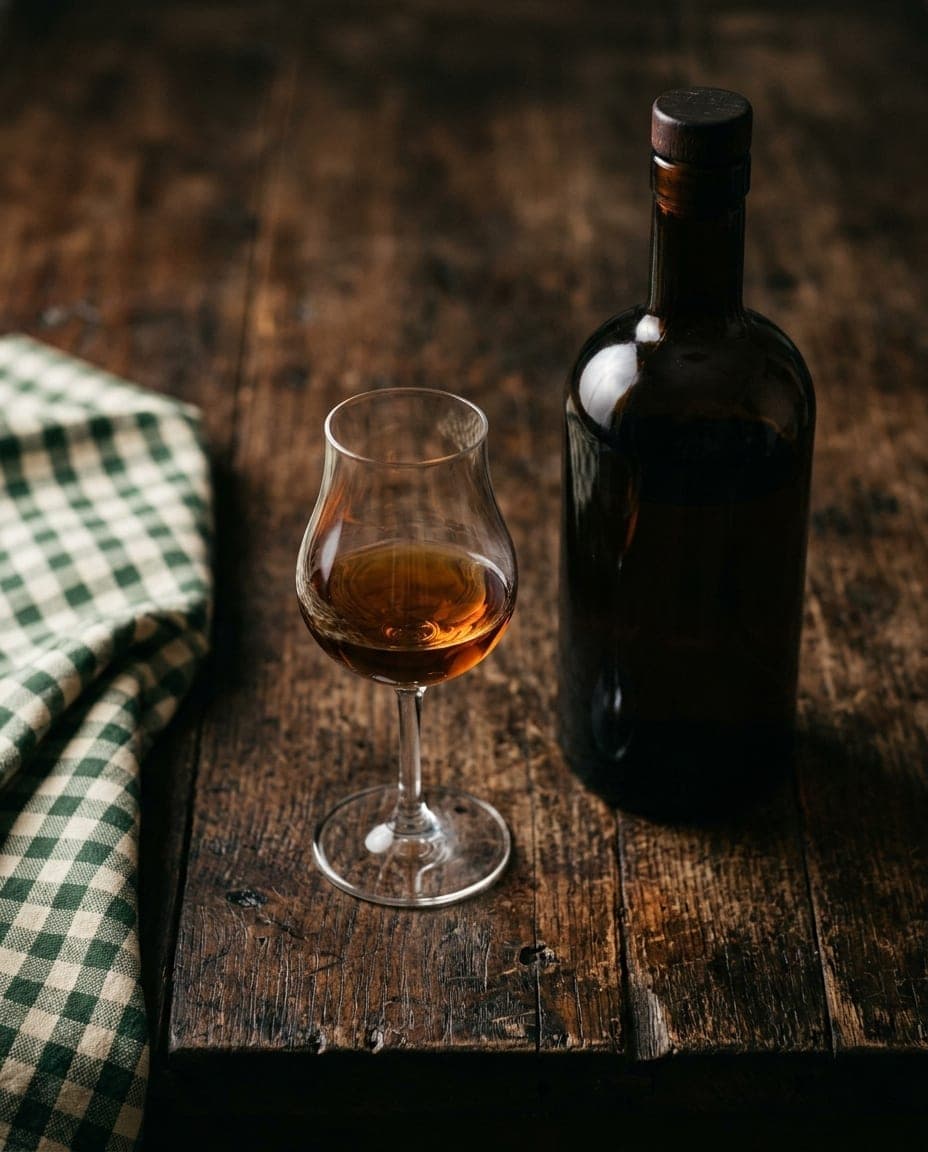
The dish is traditionally enjoyed with a glass of cold lager or a shot of Korn, a clear German spirit distilled from grain. The sharpness of the spirit cuts the fat of the dish, cleansing the palate between bites.
At the table, the kale should be tender and almost melting in the mouth, with no trace of bitterness. The Pinkel sausage is soft and crumbly, releasing its smoky fat into the kale. The Kassler adds a salty, cured note that complements the sweetness of the cooked greens. It is a dish that is not eaten quickly but savoured slowly, often while seated in a warm room after the cold walk.
Curious facts
- The frost makes it sweet. The belief that freezing temperatures sweeten the kale is widely held in the north, explaining why the dish is traditionally a winter offering.
- A crown for the eater. The Kohlkönig often receives a chain or an engraved pig's jawbone as insignia, and organises the next year's event.
- The sausage contains grain. Unlike many meat sausages, Pinkel includes oat or barley groats, giving it a unique texture and a distinct nutty flavour that pairs well with the kale.
- A regional focus. While known across northern Germany, Grünkohl mit Pinkel is most strongly associated with Bremen, Oldenburg and East Frisia, where it remains a seasonal staple.
- The drink pairing. Korn is the traditional accompaniment, chosen for its ability to cut the fat of the dish rather than complement its flavour directly.
Where to try it
The best time to experience Grünkohl mit Pinkel is during the winter months, roughly between November and February, when the kale is at its peak. Bremen and the surrounding countryside of Lower Saxony, particularly the Oldenburg area and the villages on the edge of Bremen, offer numerous inns that serve the dish as part of the Kohlfahrt tradition.
Many country inns announce their Kohlfahrt season and take bookings from groups who walk there and enjoy the meal afterwards; popular Saturdays can be booked out weeks ahead.
Visitors can ask locally about the Kohlfahrt season. Many groups walk only on weekends, and even without joining the walk itself, most inns serve the dish to visitors who arrive at the right time of year. The key is to be there when the kale is sweet and the air is cold.
Where to try it
2 destinations
 Castles
Aerzen
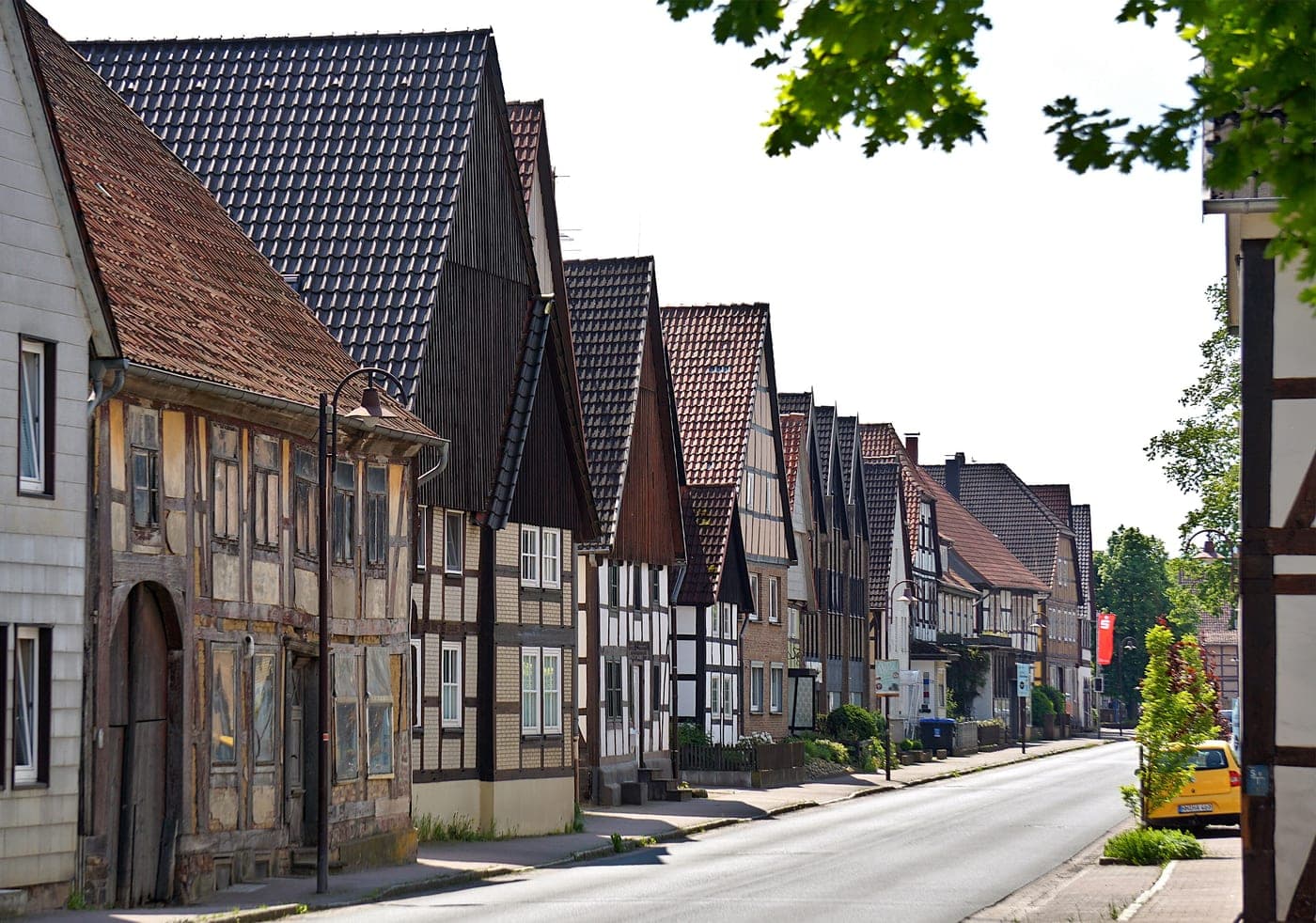
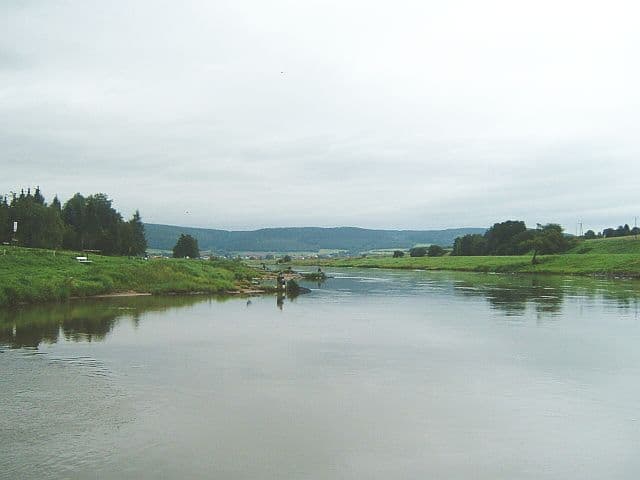
Small Lower Saxon community in the Weser Uplands, home to Schlosshotel Münchhausen — a five-star Weser Renaissance castle hotel in a parkland setting south of Hameln.
CastlesHikingLocal Cuisine
1 region
 Cabins5 destinations
Lower Saxony
Lower Saxony is Germany's second-largest state, featuring a mix of landscapes from the North Sea coast to the Harz mountains. The historic city of Hanover offers a vibrant arts scene and beautiful gardens, while Göttingen is renowned for its university atmosphere and literary history. The coastal region features the Wadden Sea, a UNESCO World Heritage site known for its unique tidal flats and diverse wildlife. Off the beaten path, towns like Celle showcase well-preserved half-timbered houses. The region is also famous for its traditional horse breeding and local specialties like Braunschweiger sausage and East Frisian tea culture, inviting exploration beyond typical tourist routes.
CabinsCamper Van RentalsHikingCastles