Flensburger Rum
The historic rum blended in Germany's northernmost port town
- Alcoholic
- Local name
- Flensburger Rum
- Served
- As hot Grog
- Best eaten at
- A Flensburg harbour pub
What it is
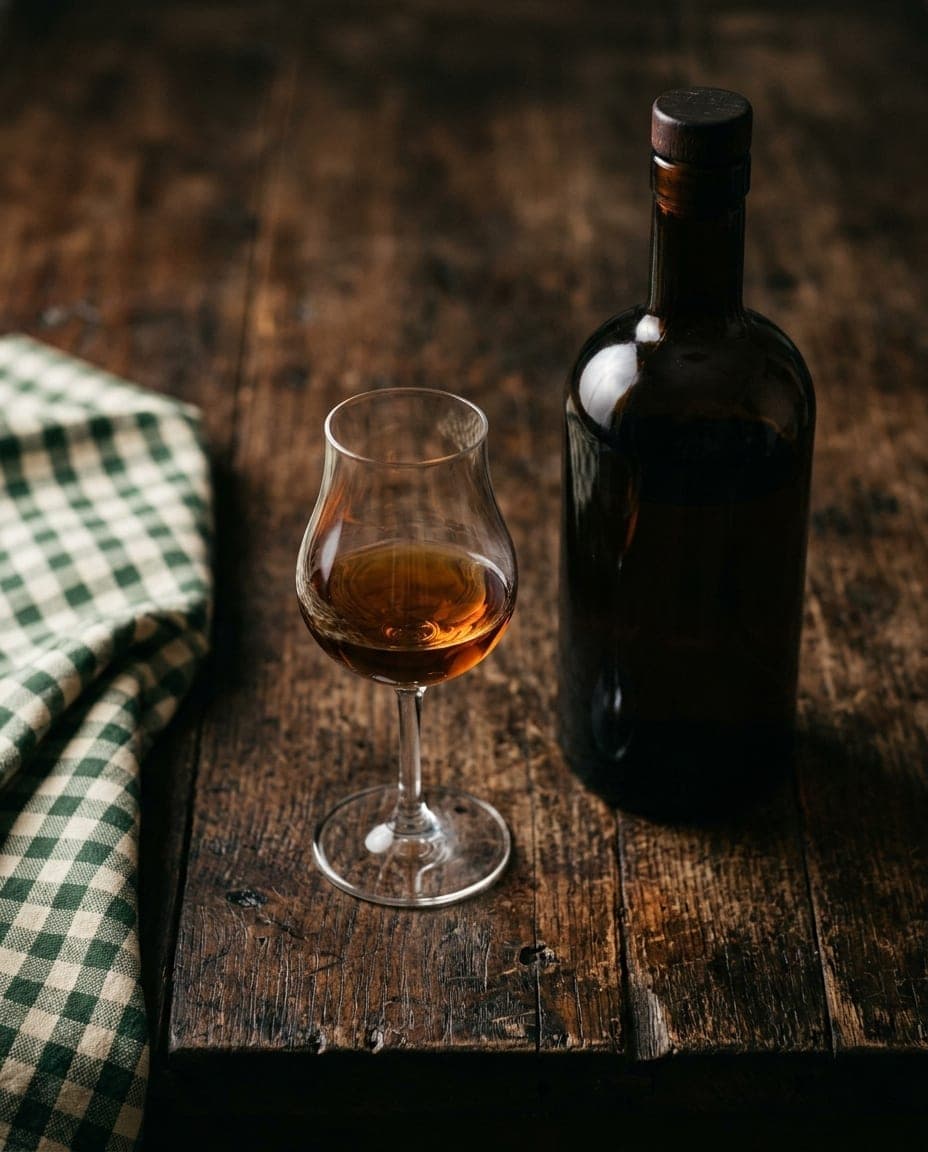
Flensburger Rum is a spirit with a specific address: the town of Flensburg on the Flensburg Fjord, close to Germany's border with Denmark. For well over a century, this port was a centre of the rum trade in northern Europe, receiving sugar and rum from the Danish West Indies, now the US Virgin Islands. The town did not grow the cane; its merchants bought the raw spirit and turned it into a finished product through blending, ageing and bottling.
The style most associated with the town today is the Rum-Verschnitt. This term describes a type of blend rather than a single recipe: a proportion of strongly flavoured, high-strength real rum, traditionally from Jamaica, combined with neutral spirit and water. Under German rules, at least 5 per cent of the alcohol in a Rum-Verschnitt must come from genuine rum, and the finished drink must be at least 37.5 per cent alcohol. The method was a response to import duties on foreign spirits, which made it cheaper to import concentrated rum and stretch it at home.
Today, the drink is closely associated with hot Grog, a warming preparation suited to the cold winds of the Baltic coast and to winter evenings and harbour-side gatherings. The town's identity remains tied to this liquid history, even though only a couple of the old rum houses remain.
The trade route to Flensburg
The story begins in the 18th century, when Flensburg belonged to the Duchy of Schleswig under the Danish crown. Flensburg ships sailed to the Danish islands in the Caribbean, St Croix, St Thomas and St John, and returned with sugar and rum, which were stored, refined and blended in the town's warehouses and merchant houses.
Many rum houses operated at the height of this trade. They were not merely storage facilities but active blending centres where the raw spirit was mixed, aged and prepared for sale. Flensburg became known as a rum town long before the modern era of tourism, with merchants building their fortunes on the flow of goods between the Caribbean and northern Europe.
The decisive break came in 1864, when the Second Schleswig War took Flensburg out of the Danish realm and, soon after, into Prussia. Cut off from the Danish colonies, the rum houses turned mainly to Jamaican rum, whose intense flavour made it well suited to blending. The blending tradition continued, and the town kept its reputation as Germany's rum town.
How it is served
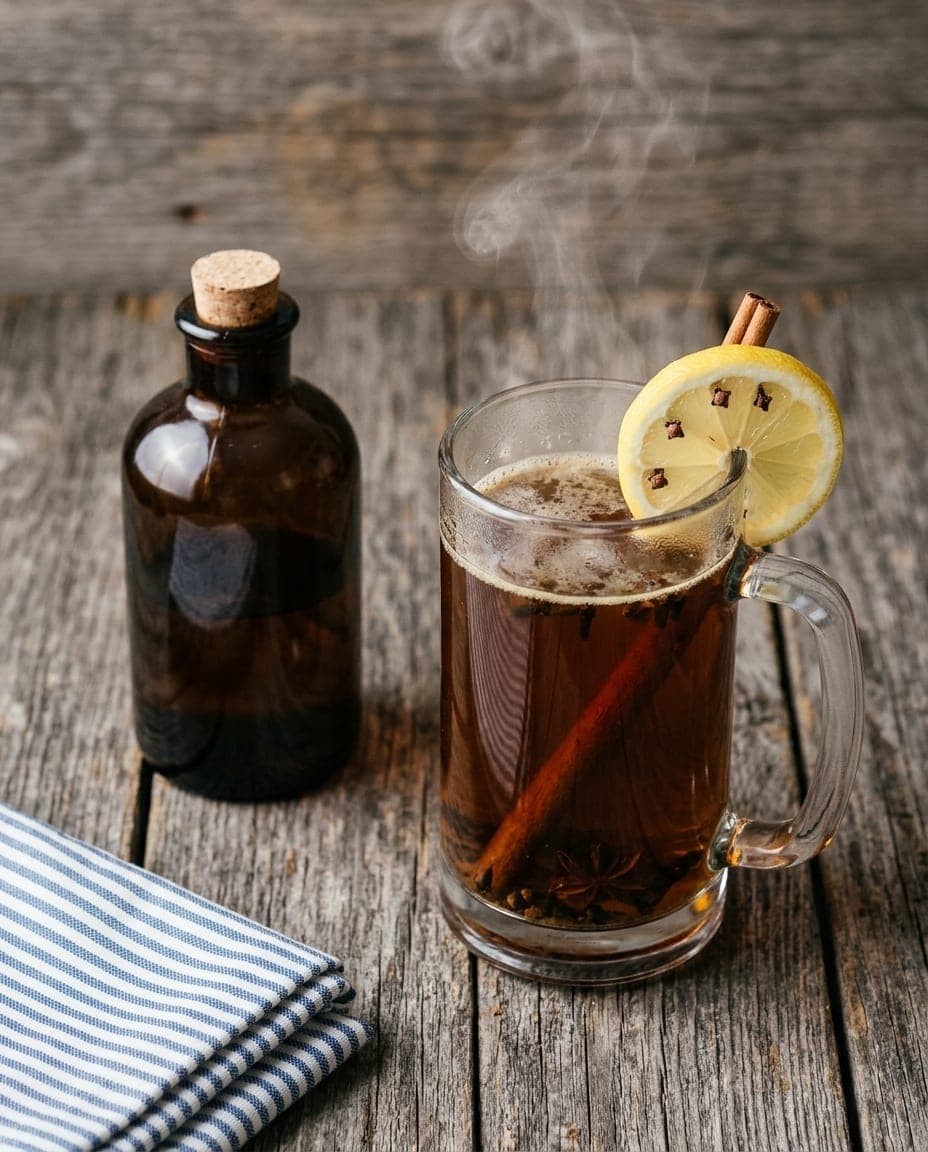
The classic way to drink Flensburger Rum is as hot Grog, which follows a rule of thumb known locally as "Rum muss, Zucker kann, Wasser braucht nicht": rum must, sugar may, water need not. The phrase sums up the balance of the drink: the rum is essential, the sugar adjusts the sweetness, and the water is very much secondary.
To make it, hot water is poured over a measure of rum and sweetened with sugar to taste. The drink is stirred until the sugar dissolves and served while still steaming. The heat softens the sharpness of the spirit, making it accessible even to those who find stronger spirits too intense.
Grog has long been a sailors' drink along the northern coasts, where cold winds made warm drinks welcome. Today, the tradition survives in the harbour pubs that still serve it as a standard option for locals and visitors alike.
What goes into it
The composition of Flensburger Rum is defined by its blend rather than a single ingredient list. A Rum-Verschnitt starts with high-strength real rum, which provides the characteristic aroma and depth. This is mixed with neutral spirit, and water is added to bring the blend to drinking strength before bottling. Flensburg houses also bottle pure, unblended rums.
The exact proportions vary by producer and over time, but the principle remains: the real rum is the backbone, while the neutral spirit stretches it to the desired volume and price point. The result is a drink with notes of caramel and dried fruit but less intensity than an unblended rum. It is a spirit made for everyday use rather than special occasions.
Curious facts
- Germany's rum town. Flensburg's rum heritage dates from its time as a Danish port trading with the Danish West Indies, and it is still known as the Rumstadt.
- The tax rule. The Rum-Verschnitt style developed largely because duties on imported spirits encouraged blending concentrated rum with neutral alcohol and water.
- A turning point in 1864. When Flensburg passed out of Danish rule, the rum houses lost their colonial supply and turned to Jamaican rum.
- A warming drink. The local tradition favours hot Grog, a practical choice for the cold, windy climate of the Baltic coast.
- No single recipe. There is no official blend ratio beyond the legal minimum; each producer maintains its own version.
Where to try it
The best place to drink Flensburger Rum is in a harbour pub in Flensburg itself. These establishments, often located near the old warehouses or the waterfront, serve it as hot Grog with the same simplicity used for generations. The town's maritime museum by the harbour also tells the story of the rum trade.
There are no elaborate garnishes or fancy presentations; the focus remains on the warmth of the glass and the history it carries.
Where to try it
1 destination
 Camper Van Rentals
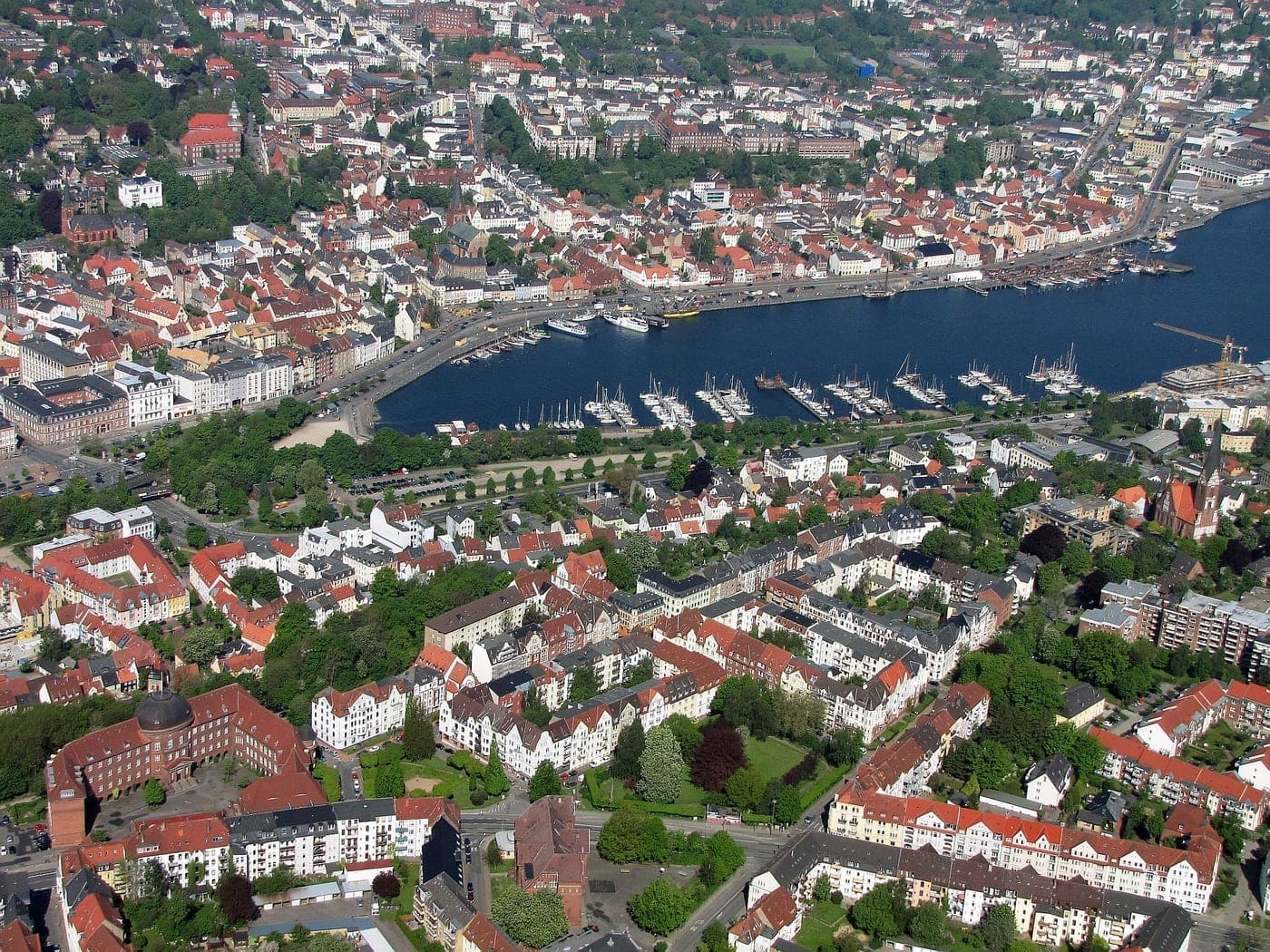
Flensburg
Historic Danish-German port city on fjord with maritime heritage
Camper Van RentalsHiking