Tarte Tatin
Upside-down caramelised apple tart from Lamotte-Beuvron in the Sologne
- Vegetarian
- Local name
- Tarte Tatin
- Served with
- Crème fraîche
- Best eaten at
- Hôtel Tatin, Lamotte-Beuvron
- Pairs with
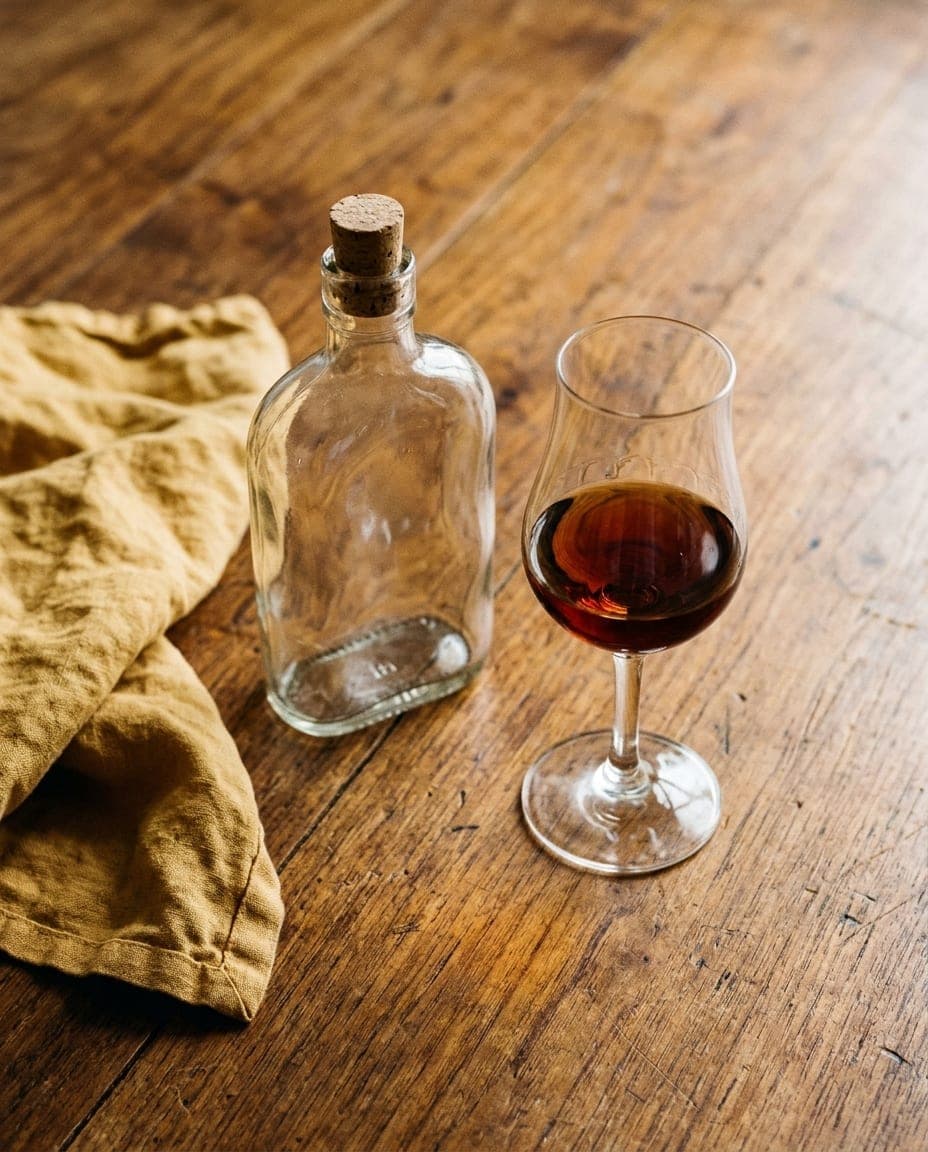
- Sweet Loire Chenin (Vouvray moelleux)
What it is
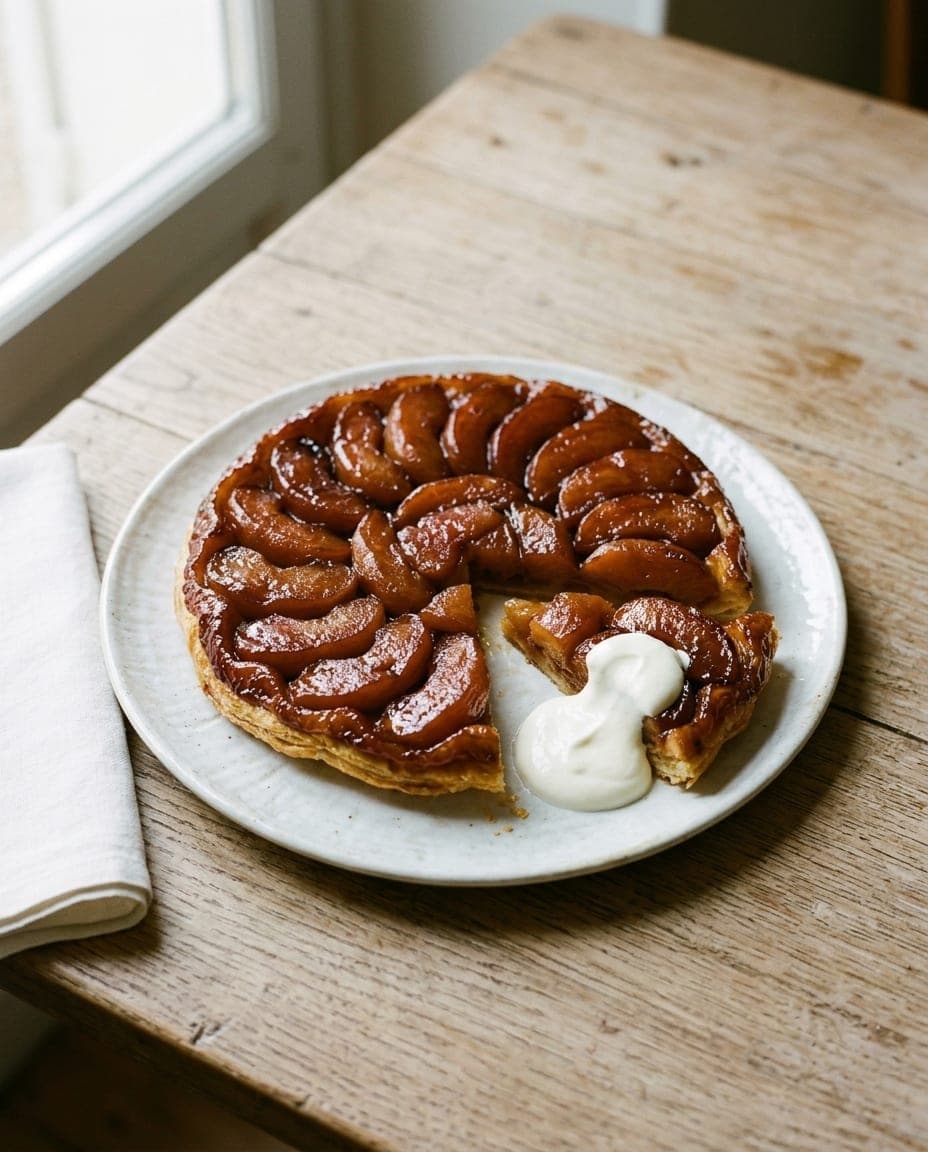
Tarte Tatin is an upside-down tart of caramelised apples and buttery pastry, associated with the small town of Lamotte-Beuvron in the Sologne, in France's Centre-Val de Loire. It has achieved global fame through the story of its creation and is now made all over France and beyond, but its home remains the Sologne. The apples are cooked in butter and sugar under a lid of pastry, and the tart is then turned out so that the fruit, glazed in a deep amber caramel, sits on top of a golden crust.
The visual appeal is immediate: the apples are arranged in tight concentric circles, their caramelised edges glistening. The texture is a study in contrasts. The fruit is soft and sticky, balanced by the slight resistance of the apple, while the pastry provides a crisp, buttery counterpoint. It is a dish that bridges the gap between a rustic country tart and a refined patisserie creation.
The name refers to the Tatin sisters, whose hotel in Lamotte-Beuvron made it famous. Similar upside-down fruit tarts existed elsewhere, and historians still debate whether the sisters invented the dish or simply perfected and lent their name to an older local tart, the tarte solognote.
The legend of the accident
The best-known story, which should be read as legend rather than documented history, is set in the 1880s. Stéphanie and Caroline Tatin ran the Hôtel Tatin in Lamotte-Beuvron, with Stéphanie doing most of the cooking. One busy day, overworked, she is said to have left apples cooking in butter and sugar for too long. To rescue them, she laid a sheet of pastry over the pan, finished the tart in the oven and turned it out upside down. A variant says she simply put the tart in the oven the wrong way up.
Whether this sequence of events actually occurred cannot be verified, and another account credits the recipe to the cook of a local count. The sisters never published the recipe or called it "tarte Tatin". They retired in 1906 and died in 1911 and 1917. The tart's wider fame came in the decades after their deaths, when the food writer Curnonsky and the Parisian restaurant Maxim's helped make it a classic of French cuisine. The story nonetheless explains why the tart is served upside down rather than right-side up like most tarts.
How the Sologne shaped the tart
The Sologne is a vast area of forests, lakes and marshes south of the Loire, long known for hunting and game. The tart reflects a simple country larder: apples, butter and sugar, ingredients that were within reach of a provincial inn kitchen. The traditional varieties were firm, tart apples such as Reine des Reinettes and Calville, which hold their shape in the pan.
A dessert built on apples, butter and caramel suited a hearty meal after a day of hunting or travel, and an inn in Lamotte-Beuvron was well placed to serve travellers passing through the Sologne.
What goes into it
The ingredients for a proper Tarte Tatin are few, but their quality determines the success of the dish:
- Apples: Firm varieties that do not disintegrate when cooked are essential. They are peeled, halved or quartered, then packed tightly in the pan.
- Butter: A generous amount, used to cook the apples and form the base of the caramel.
- Sugar: Cooked with the butter until it turns a deep amber, before or together with the apples.
- Pastry: Puff pastry or shortcrust is laid over the fruit, with the edges tucked down into the pan.
- Optional additions: Some cooks add a touch of vanilla or a splash of Calvados, though these are not universal.
The apples must be packed tightly so that they soften into a cohesive mass while the sugar turns to caramel. The pastry, baked on top, becomes the base once the tart is inverted.
How it is eaten
Tarte Tatin is usually served warm, turned out shortly before serving so the caramel stays glossy and the apples fragrant.
The traditional accompaniment is crème fraîche, a thick, lightly sour cream that cuts through the sweetness of the caramel. The contrast between the warm, sticky fruit and the cool cream is a defining feature. Vanilla ice cream is a common alternative.
It is often presented whole for sharing and eaten with a fork, perhaps alongside a sweet wine such as Vouvray moelleux from the Loire valley, whose acidity and fruit complement the caramelised apples.
Curious facts
- The sisters were real. Stéphanie and Caroline Tatin ran the Hôtel Tatin in Lamotte-Beuvron in the late 19th century, though they never wrote down the recipe.
- Paris made it famous. The tart owes much of its reputation to Curnonsky and to Maxim's in Paris, which put it on the menu after the sisters' deaths.
- The caramel happens in the pan. The apples are cooked in butter and sugar before or under the pastry, rather than baked raw.
- The pastry starts on top. It is baked over the fruit and only becomes the base when the tart is turned out.
- Not only apples. Cooks today make "tatins" with pears, quinces, peaches and even tomatoes or onions.
Where to try it
Lamotte-Beuvron is the natural pilgrimage: the town keeps the Tatin connection alive, and restaurants there and across the Sologne offer their own versions. The ideal is a tart served warm with crème fraîche and a glass of sweet Loire wine. Autumn, when the apples are freshly harvested and the forests turn, is a fine time to visit, though the tart is available year-round.
Where to try it
1 region
 Wine Tasting7 destinations
Centre-Val de Loire
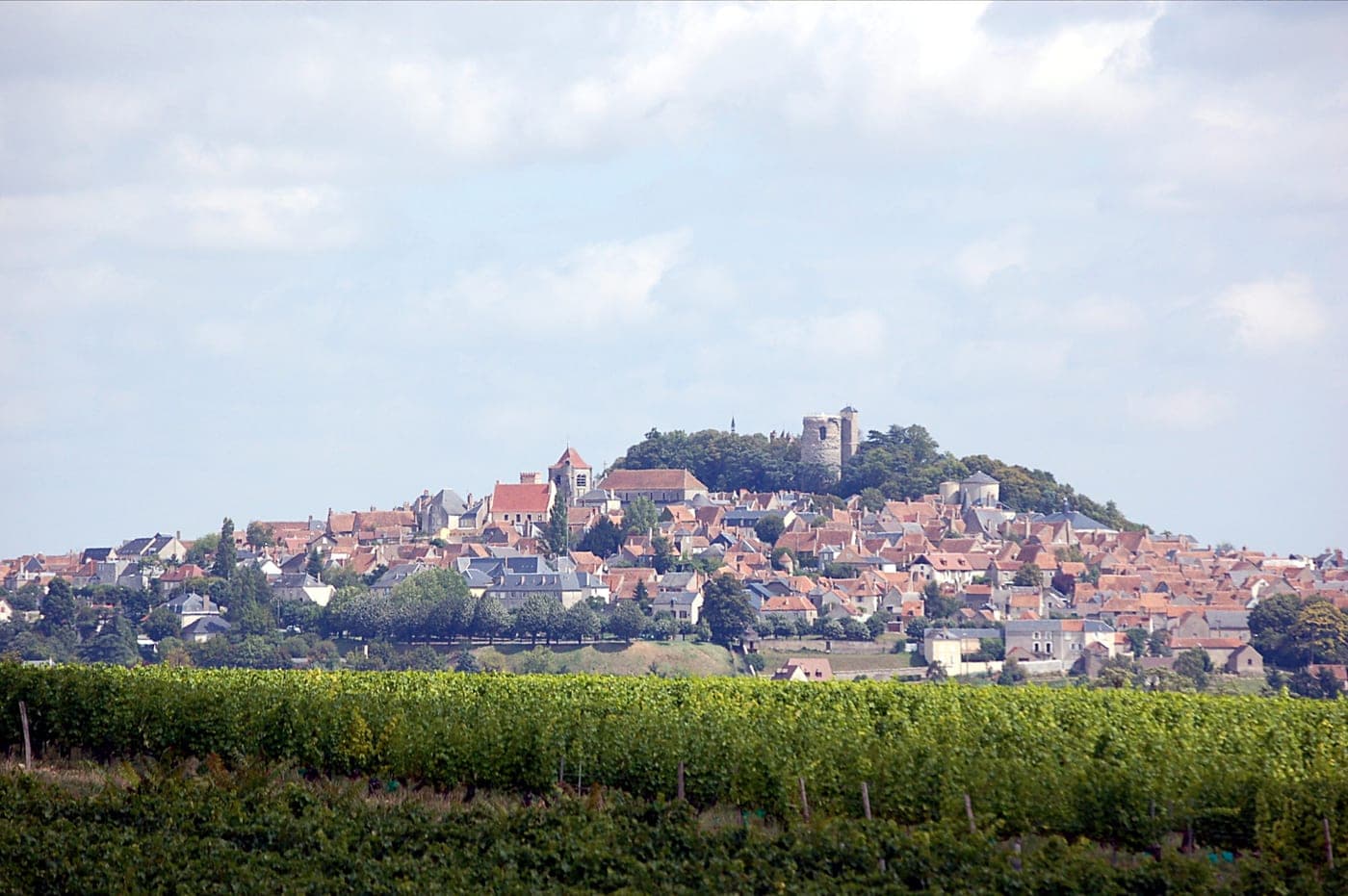
This central region of France is renowned for its stunning châteaux, particularly the majestic Château de Chambord and the historic Château de Chenonceau, which spans the River Cher. The Centre-Val de Loire is not the largest region in France, but it is rich in history, with towns like Amboise, known for its Renaissance architecture and ties to Leonardo da Vinci. The area is also famous for its vineyards producing exquisite wines, including Vouvray and Sancerre. The Loire River, a UNESCO World Heritage site, offers picturesque landscapes ideal for cycling and walking. Unique local festivals celebrate regional cuisine and heritage, providing a glimpse into traditional French life away from the tourist crowds.
Wine TastingHiking