Sainte-Maure-de-Touraine
A Loire goat cheese with a straw through its heart
- Local name
- Sainte-Maure-de-Touraine
- Served with
- Bread, green salad
- Pairs with
- Touraine Sauvignon or Chinon
The shape and the straw
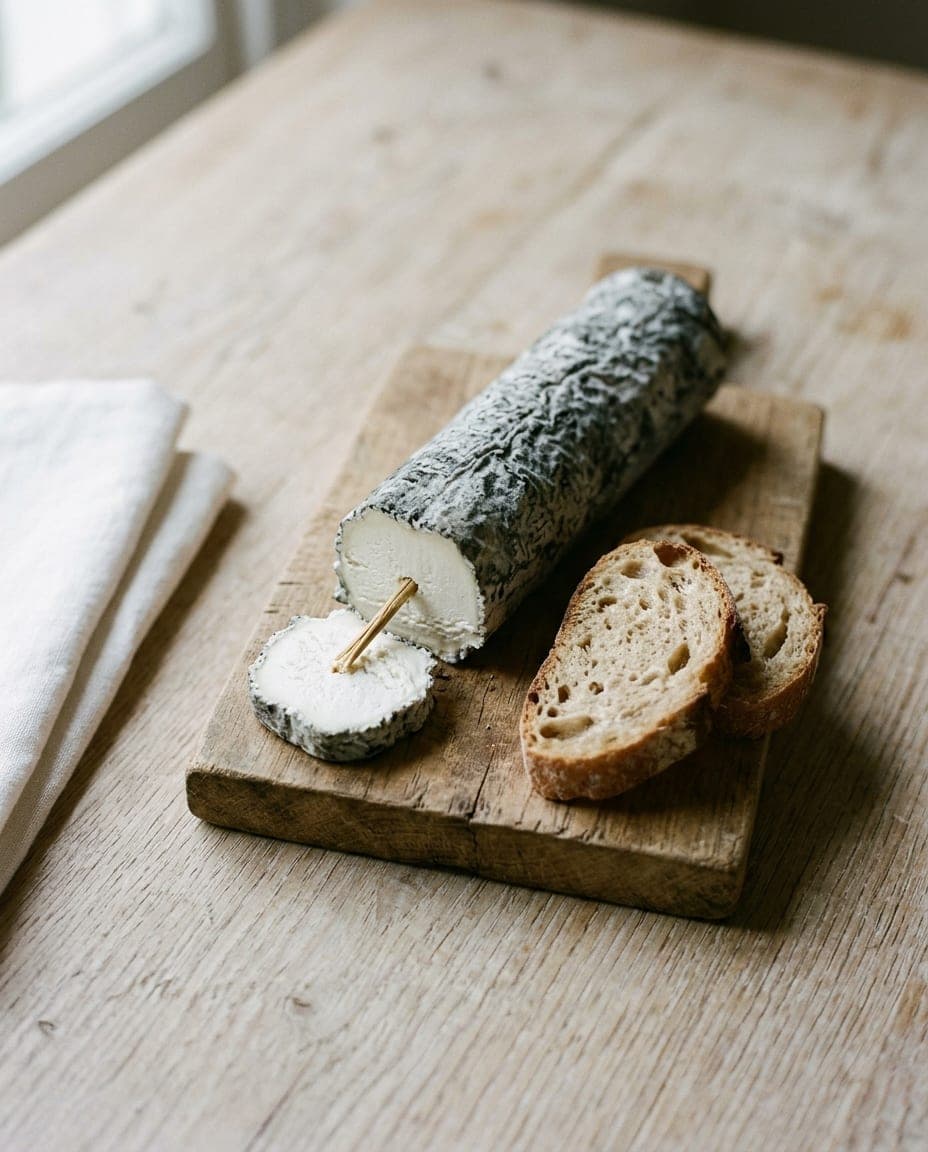
Sainte-Maure-de-Touraine is one of the most recognisable cheeses in France, a long log from the Centre-Val de Loire region that looks like it was pulled straight from a storybook. It is made from raw goat's milk and shaped into a slender, slightly tapered cylinder, a little wider at one end than the other. The surface is salted with a mixture of salt and charcoal ash, giving it a grey rind on which natural moulds develop, but the detail that defines the cheese is the straw running through its centre.
This straw is not merely decorative. The long, fragile logs were difficult to handle without breaking, so a length of rye straw was threaded through the curd to hold it together. What began as a practical aid became a mark of identity. The tradition persists today as a requirement of the appellation: the straw is engraved with the name of the appellation and an identification code for the dairy or farm that made it, so every log can be traced back to its maker.
The cheese has held an Appellation d'Origine Contrôlée (AOC) since 1990 and is now protected as an AOP across the EU. The rules define the area of production, centred on Touraine, and cover the milk, the shaping and a minimum ripening period. It is a regional speciality rather than a dish found everywhere in France, rooted deeply in the agricultural history of the Loire Valley.
The land of the Loire
Touraine lies along the middle reaches of the Loire River, around the city of Tours. The landscape is defined by river valleys, rolling hills and vineyards that stretch between the river and the forested plateaux. This area has long been known as the garden of France, a place where the soil is rich enough to support both grazing animals and vines.
Goat farming in Touraine dates back centuries, with goats kept by smallholders for their milk. The cheese reflects this terroir: it is fresh and bright when young, becoming more complex as it matures.
The small town of Sainte-Maure-de-Touraine, from which the cheese takes its name, lies south of Tours. While the cheese is produced across a wider area, covering all of Indre-et-Loire and parts of the neighbouring departments, the name remains tied to this locality. Exact dates for the first use of the straw are not recorded. What is certain is that the method has survived changes in farming and technology, remaining a symbol of local identity.
What goes into it
The ingredients are simple and few, reflecting the tradition of farmhouse production. The milk comes from goats of the Alpine, Saanen and Poitevine breeds raised in the designated zone.
- Goat's milk, whole and raw as required by the appellation, provides the base for the curd.
- A small amount of rennet is added, though the curd sets mainly through slow lactic fermentation.
- Salt mixed with charcoal ash is dusted over the surface, helping to dry it and encouraging the growth of the rind.
- A rye straw, inserted lengthwise, acts as a structural support and a label for the producer.
The result is a cheese that changes character with time. When young, it is moist, creamy and pale white, with a mild lemony tang. As it ages, the moisture evaporates, the log shrinks slightly, and the texture becomes firmer. The flavour deepens, developing notes of hazelnut and a sharper finish that can border on piquant.
How to eat it
Sainte-Maure-de-Touraine is usually part of a meal, served on the cheese board towards the end of dinner. The cheese is cut into thick discs, keeping the ash rind intact. The rind is edible and adds a subtle earthiness to the creamy interior.
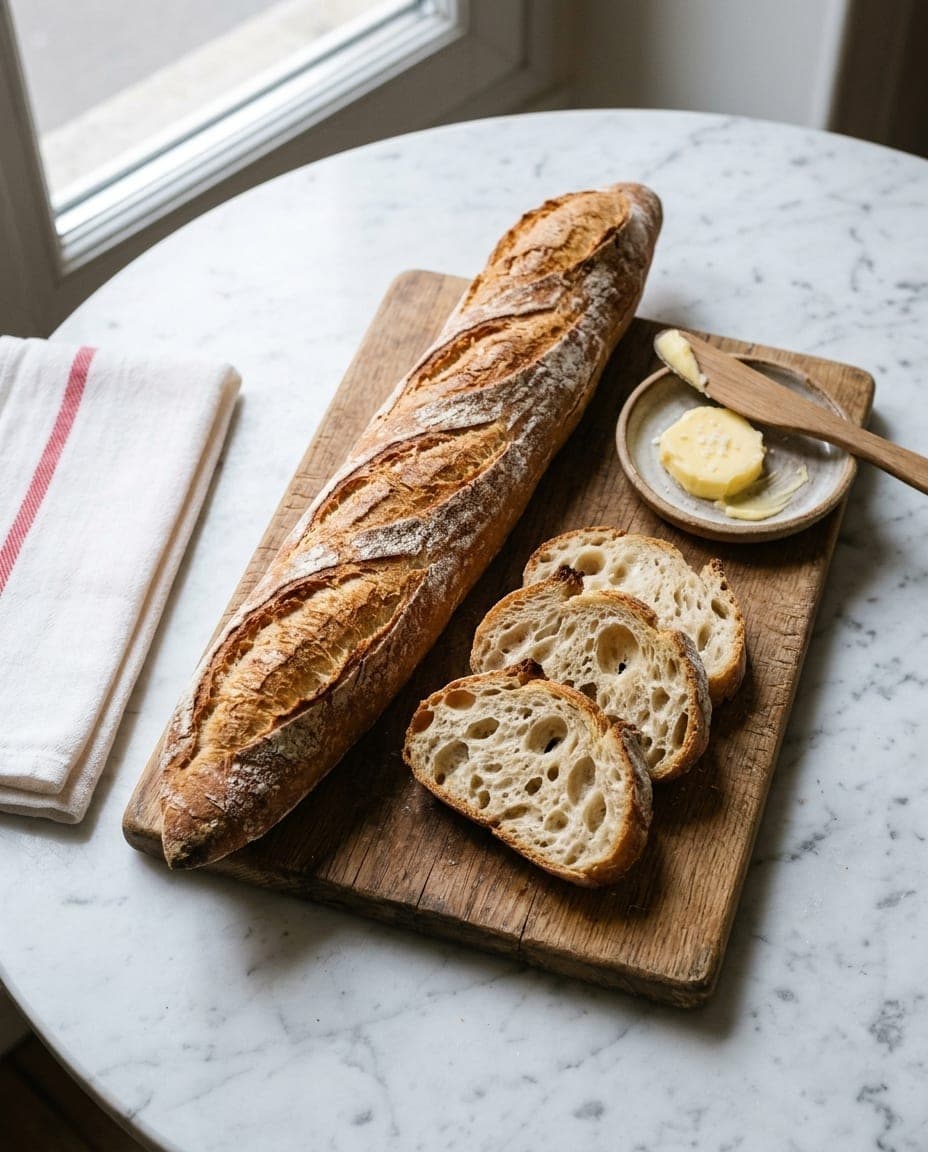
It pairs naturally with bread, such as a crusty baguette or a rustic sourdough. A green salad dressed with a light vinaigrette often accompanies it, providing a fresh contrast to the richness of the cheese. The classic drink pairing is a dry white wine from the Loire Valley, such as Touraine Sauvignon, or a light Chinon. The acidity of the wine cuts through the creaminess of the goat's milk and complements the earthy notes of the ash.
Around Sainte-Maure, it may be served alongside walnuts or seasonal local produce. The straw is pulled out before eating, though some visitors keep it as a souvenir.
Curious facts
- The straw carries an ID. The straw is engraved with the appellation name and a code identifying the producer, making every cheese traceable under the AOP rules.
- Ash without smoke. The grey coating comes from charcoal ash mixed with salt, used to dry the surface and help the rind form; it does not add a smoky flavour to the cheese.
- A shrinking log. As the cheese ages, it loses moisture and shrinks slightly, becoming harder and more intense in flavour.
- The straw is essential. Without the straw running through the centre, the young log would be too fragile to handle.
- Regional pride. The cheese is a symbol of Touraine's identity and a fixture of menus across the region.
Where to try it
The best place to eat Sainte-Maure-de-Touraine is in the villages and farms of the Touraine region itself. Many traditional restaurants in these towns serve it as part of a cheese board, often with a selection of other Loire Valley cheeses.
It is available year-round, though the texture and flavour shift with the seasons. In spring, the young cheese is particularly delicate and fresh, while the autumn versions offer more depth.
Where to try it
1 region
 Wine Tasting7 destinations
Centre-Val de Loire
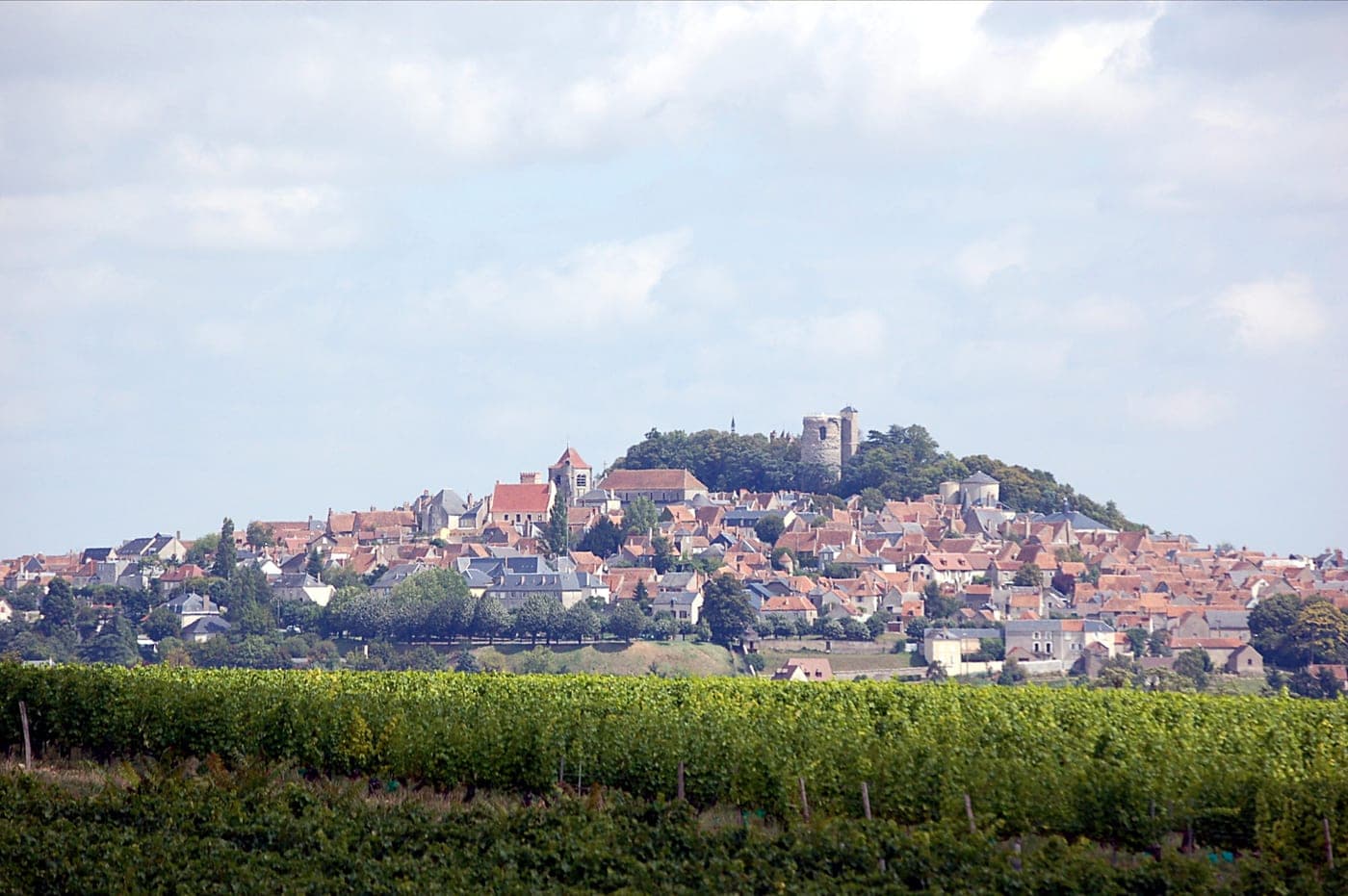
This central region of France is renowned for its stunning châteaux, particularly the majestic Château de Chambord and the historic Château de Chenonceau, which spans the River Cher. The Centre-Val de Loire is not the largest region in France, but it is rich in history, with towns like Amboise, known for its Renaissance architecture and ties to Leonardo da Vinci. The area is also famous for its vineyards producing exquisite wines, including Vouvray and Sancerre. The Loire River, a UNESCO World Heritage site, offers picturesque landscapes ideal for cycling and walking. Unique local festivals celebrate regional cuisine and heritage, providing a glimpse into traditional French life away from the tourist crowds.
Wine TastingHiking