Roquefort
Roquefort: the blue cheese ripened in limestone caves
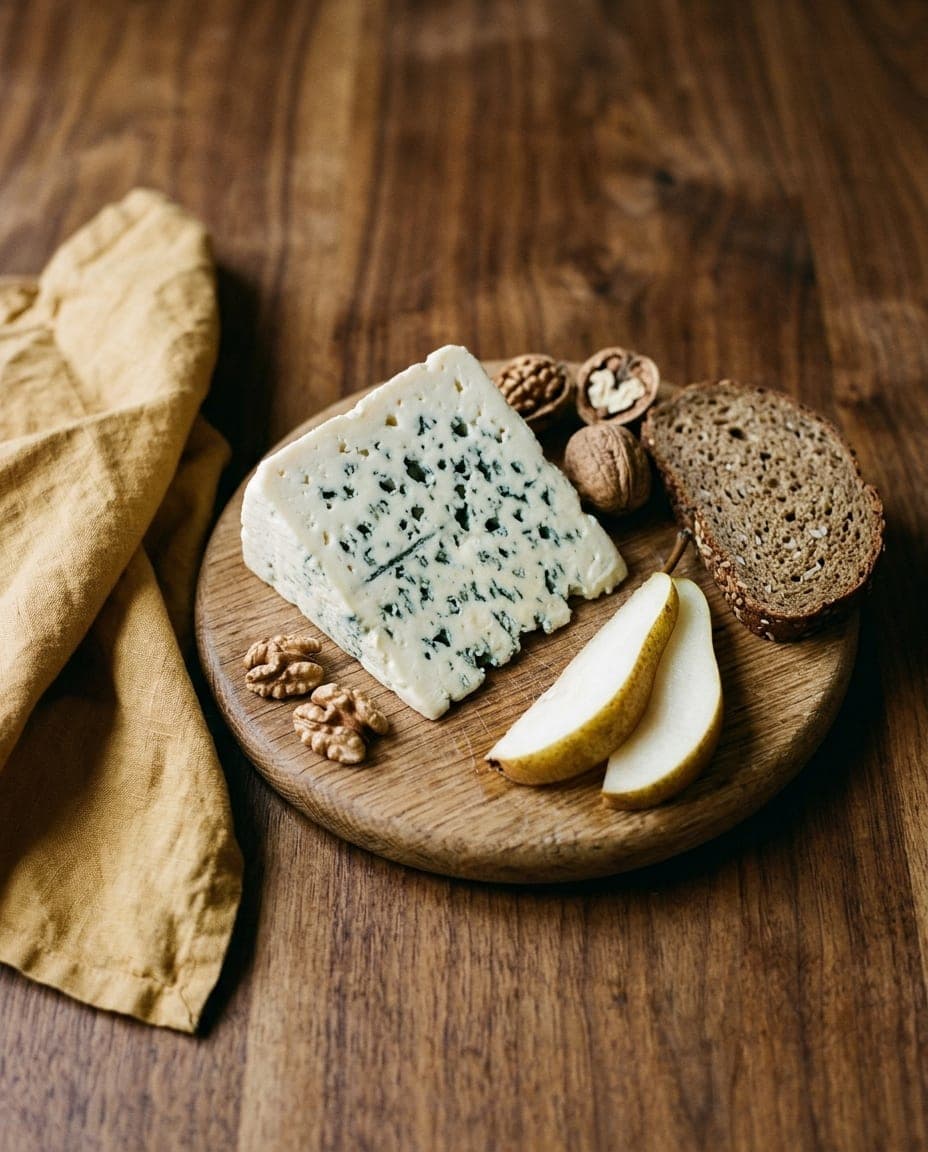
- Local name
- Roquefort
- Served with
- Walnuts, pear, rye bread
- Best eaten at
- The Combalou caves, Roquefort
- Pairs with
- Sauternes
What it is
Roquefort is a blue cheese made from the milk of Lacaune ewes, ripened in the natural limestone caves of Roquefort-sur-Soulzon in the Aveyron department of southern France. It is not a cheese produced across the nation, but a regional speciality of Occitanie that in 1925 became the first cheese to receive a French appellation of origin. The cheese is white, moist and crumbly, shot through with veins of blue-green mould that give it a sharp, salty and deeply savoury flavour.
The defining feature of Roquefort is not the milk, but the place where it matures. By law, the cheese must be ripened in these specific caves, known as the Combalou network. The limestone rock acts as a natural refrigerator and humidor, maintaining a constant cool temperature and high humidity year-round. This environment allows the mould Penicillium roqueforti to grow within the paste, creating the characteristic blue marbling.
The history of the caves
The story of Roquefort begins with the geology of the region. In prehistoric times part of the Combalou plateau above the village collapsed, leaving behind a network of natural chimneys and fissures in the rock. These openings, known as fleurines (from the Occitan for "to blow"), draw cool, damp air from the surrounding hills into the deep caves.
The first authenticated mention of the cheese dates to 1070, when cheeses from Roquefort were recorded as a gift to the abbey of Conques. In 1666 the parliament of Toulouse ruled that only cheese ripened in the Combalou cellars could be sold as genuine Roquefort. In 1925, Roquefort became the first French cheese to receive an Appellation d'Origine Contrôlée (AOC), a designation that strictly regulates its production and ensures it is ripened only in the designated caves using specific methods.
The mould itself was once a mystery. For centuries, cheesemakers relied on tradition: loaves of rye bread were left in the caves until they turned blue with mould, then dried and crumbled into the fresh curds to introduce the spores. Only in the modern era was the mould identified scientifically as Penicillium roqueforti. Today, the spores are still grown on rye and wheat bread and added to the milk under strict supervision, so the principle remains rooted in that ancient observation of the caves.
The legend of the shepherd
A popular tale suggests that Roquefort was discovered by accident. The story goes that a young shepherd left his lunch of bread and fresh ewes' milk cheese in a cave, distracted by a passing shepherdess. When he returned days later, the bread was mouldy and the cheese was streaked with blue veins. Curious, he tasted it and found it delicious.
While this story is a favourite in local folklore and often told to visitors, there is no documentary evidence to support it.
How Roquefort is made
The production of Roquefort begins with raw milk from Lacaune ewes, a breed of the southern Massif Central selected since the 19th century and known for milk rich in fat and protein. The milk is not pasteurised. It is curdled with rennet, and the curds are cut, drained in moulds for several days and salted; the young cheeses are then pierced with needles to create channels for air to enter. This allows the mould to grow throughout the paste rather than just on the surface.
The young wheels of cheese are then transported to the Combalou caves in Roquefort-sur-Soulzon. Here they rest on wooden shelves for at least two weeks before being wrapped and left to mature slowly at low temperature, for around three months in total before sale. The humidity in the caves stops the cheese from drying out, while the steady air circulation helps the mould develop evenly.
What goes into it
The ingredients of Roquefort are few and strictly defined by the appellation rules:
- Raw ewes' milk: Sourced exclusively from Lacaune sheep raised within the Roquefort area, which spans parts of six departments around Roquefort-sur-Soulzon.
- Penicillium roqueforti: The mould that creates the blue veins, still grown on bread and added in controlled form.
- Rennet and salt: Rennet curdles the milk, and dry salt rubbed onto the cheeses draws out moisture and preserves them during ripening.
There are no colourings or preservatives, and the cheese is never smoked or washed in brine.
How to eat it
Its strong, salty and sharp flavour demands companionship, and Roquefort is traditionally served with walnuts. Slices of ripe pear are another classic pairing, offering a juicy contrast to the dense paste.
Rye bread is the standard vessel for Roquefort. The cheese is also melted into a sauce for steak or used in salads with bitter greens like frisée or arugula.
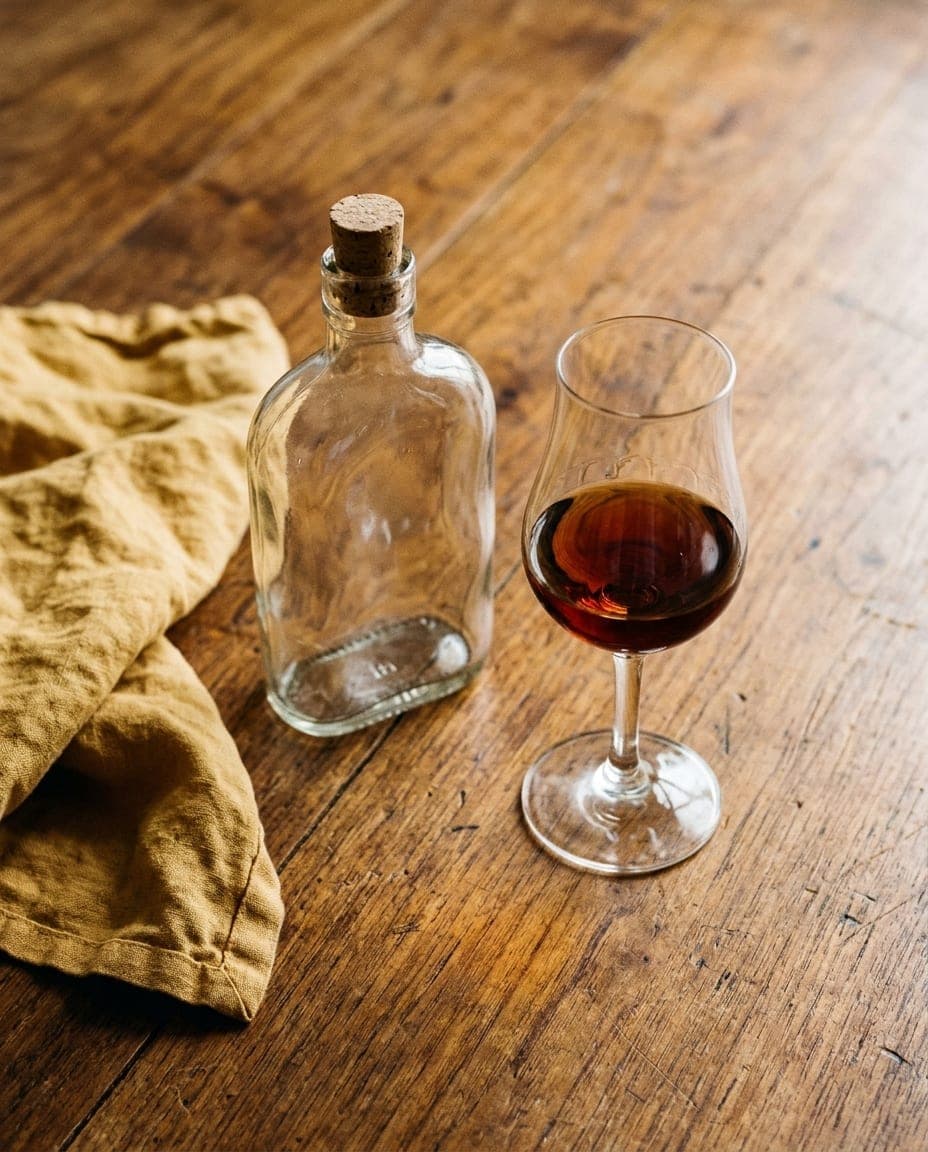
The most celebrated pairing for Roquefort is a sweet wine, particularly Sauternes from the Bordeaux region. Its honeyed notes balance the salt and sharpness of the cheese. A glass of dry white wine or a light red can work, but sweet wine is the classic companion.
Curious facts
- A natural climate. The Combalou caves maintain a constant temperature and humidity without artificial refrigeration, relying on the limestone rock and fleurines for air circulation.
- Mould from bread. The blue mould was traditionally introduced by crumbling rye bread that had been left to go mouldy in the caves, and its spores are still grown on bread today.
- A seasonal milk supply. Production follows the ewes' lactation, and by the end of July the caves are empty of fresh cheeses.
- Wind from the rock. The name fleurines for the cave chimneys comes from an Occitan word meaning "to blow".
Where to try it
The best place to taste Roquefort is in the Combalou caves in Roquefort-sur-Soulzon itself. Visitors can tour the network of tunnels, walk through the historic cellars where the cheese ages, and learn about the fleurines that keep the climate stable. The cave visits often include a tasting session where the cheese is served with walnuts and rye bread.
The village of Roquefort-sur-Soulzon, east-north-east of Saint-Affrique, is small but rich in history. It is backed by the northern flank of the Combalou, into whose rock the ripening caves are cut. Other parts of the region produce blue cheeses, but only cheeses ripened in the caves of Roquefort-sur-Soulzon may use the name.
Where to try it
1 region
 Wine Tasting56 destinations
Occitanie
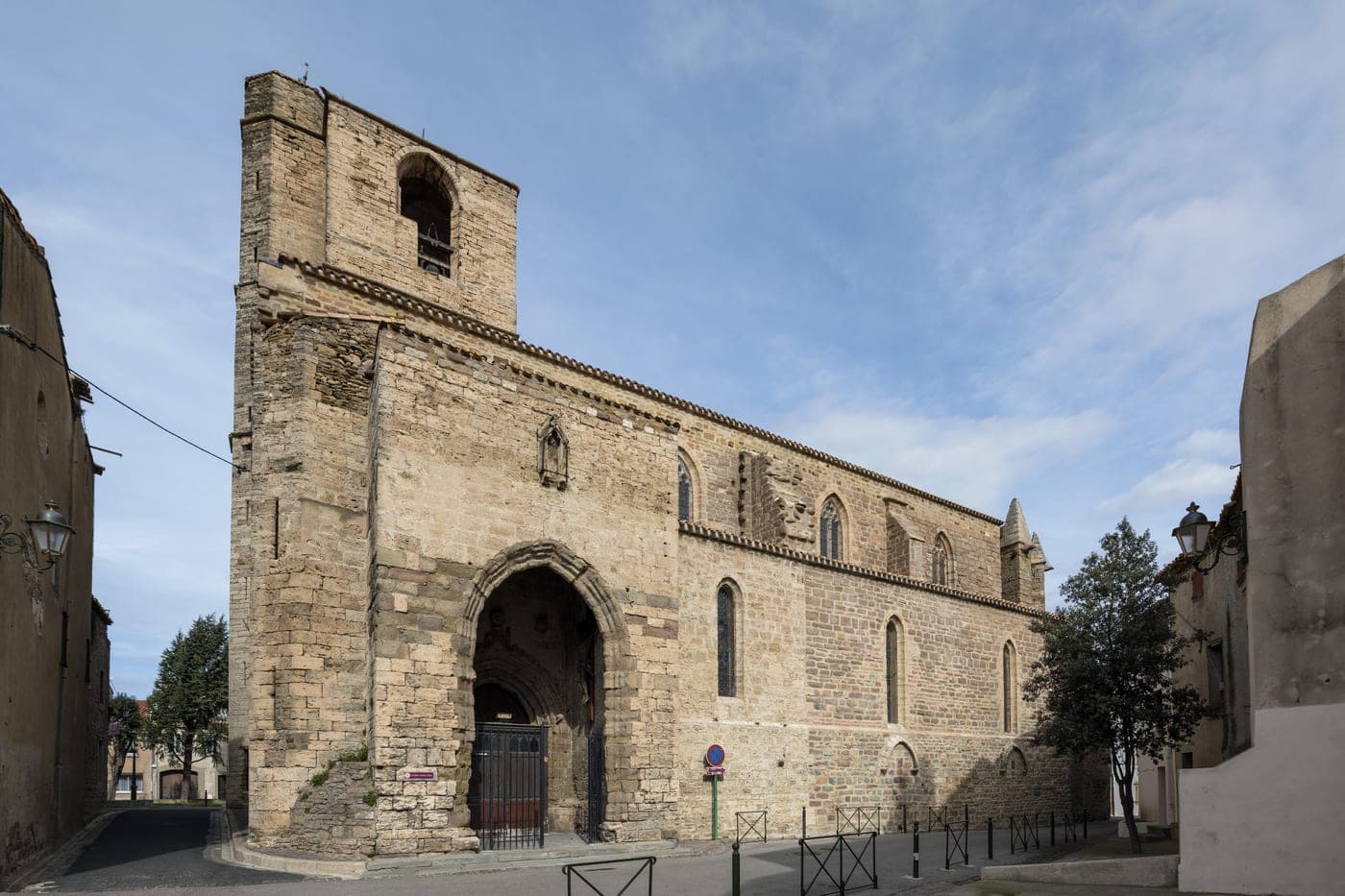
This region is the largest in France and boasts a diverse landscape, including the picturesque Pyrenees mountains and a stunning Mediterranean coastline. Historic cities like Toulouse, known for its pink terracotta buildings, and Montpellier, with its vibrant student life, offer rich cultural experiences. The region is also famous for its wine production, particularly in areas like Languedoc, where unique varietals thrive. Beyond the cities, explore the medieval charm of Carcassonne, a fortified town with a remarkable castle. Occitanie hosts vibrant local festivals celebrating its heritage, and its traditional cuisine features dishes like cassoulet and regional cheeses. With beautiful hiking trails and quaint villages, this region invites leisurely exploration.
Wine TastingHikingCastlesLocal Cuisine