Reblochon
Reblochon: a soft washed-rind cheese from the Aravis valleys of Haute-Savoie
- Local name
- Reblochon
- Served with
- Bread, potatoes, charcuterie
- Best eaten at
- A Savoyard mountain chalet
- Pairs with
- Savoie white (Apremont)
What it is
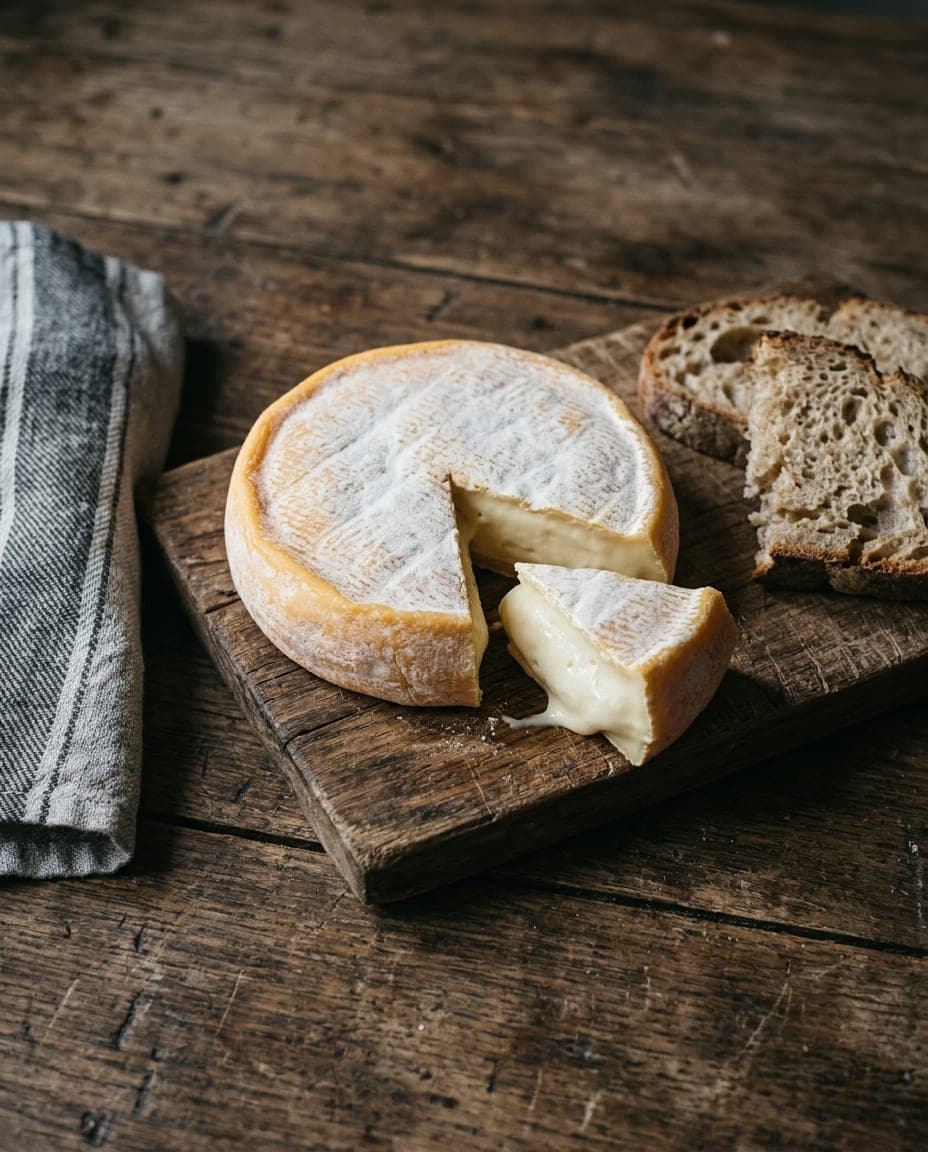
Reblochon is a soft, washed-rind cheese made from raw cow's milk in the mountains of Haute-Savoie, with a small extension into the Val d'Arly in neighbouring Savoie, both in the Auvergne-Rhône-Alpes region. Its heartland is the Aravis range, where high pastures and cool air give the milk its distinct character. The cheese is small and round, a standard wheel weighing around 500 grams, with a thin rind that ranges from pale yellow to orange under a delicate white bloom. Inside, the paste is supple and creamy, often spreading slightly when cut, with a flavour that is mild, nutty and faintly earthy.
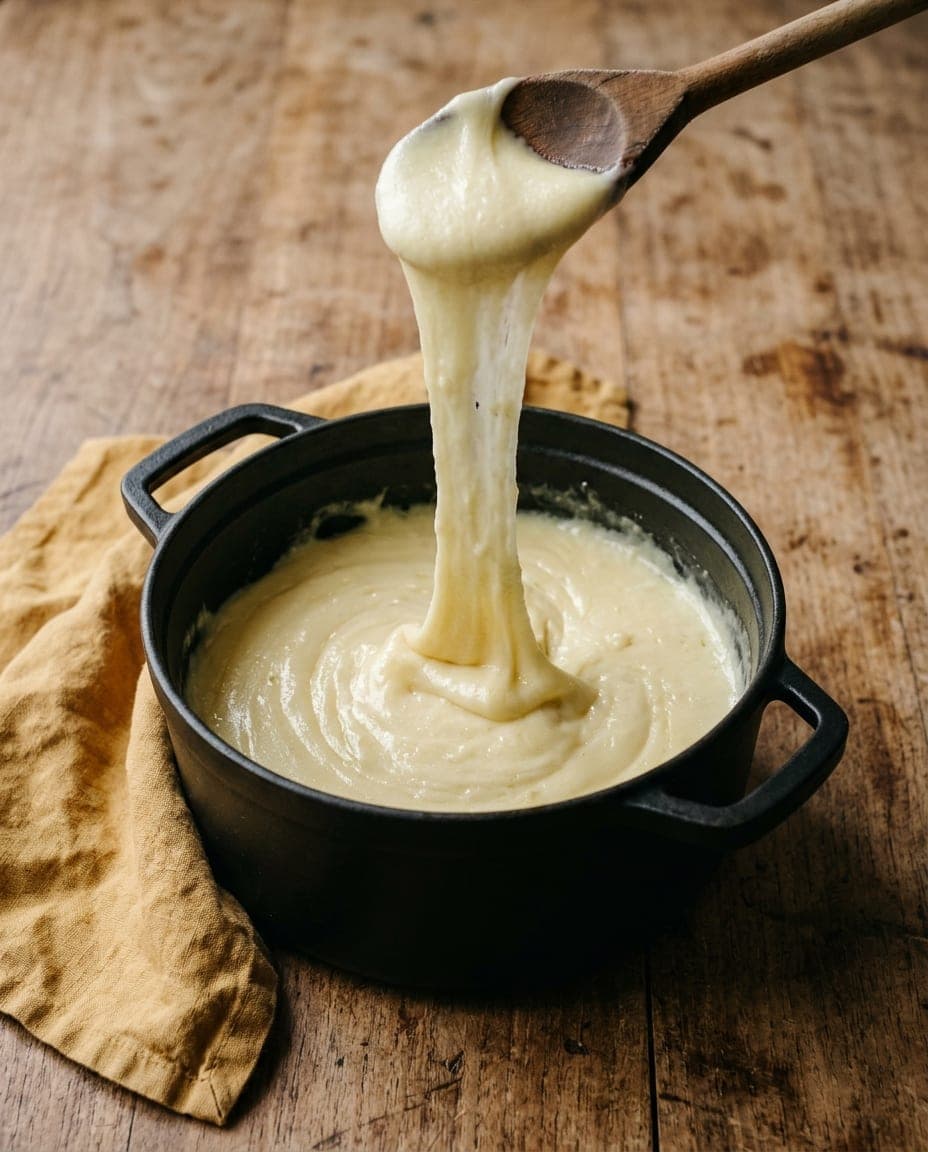
The texture changes as it warms. At room temperature, it is soft but holds its shape. When heated, it melts into a smooth, golden mass. This quality makes it the essential cheese for tartiflette, a dish of potatoes, lardons and onions baked until bubbling.
The name itself tells the story of its origin. In the local Savoyard dialect, reblocher means to pinch the udder again, that is, to milk a second time. The cheese made from this second milking became known as Reblochon, "the one that is re-milked".
The story of the second milking
The story most often told about Reblochon goes back to the Middle Ages, when much of the land in these valleys was held by landowners. Tenant farmers paid part of their dues in milk, measured on the day of the landlord's inspection. To keep more for themselves, farmers are said to have milked their cows only partially while the inspector was present. Once he had left, they returned to the barn and milked again.
This second milking was smaller but richer in cream than the first. Instead of selling it, the farmer used it to make a small cheese for the household. The syndicate of producers describes Reblochon as a "clandestine" cheese in the 14th century, and the name appears in records by the end of the 17th century.
The dues system has long since disappeared, and today Reblochon is made from whole milk from a normal milking. The name and the tradition remained, however. Reblochon received its appellation d'origine contrôlée in 1958 and has been a protected designation of origin (AOP) at European level since 1996, meaning it must be made within the defined area according to strict rules.
Where it comes from
The Aravis range rises in western Haute-Savoie, between Lake Annecy and the Mont Blanc massif. The valleys here are deep and steep, with limestone peaks rising to around 2,750 metres. The production area defined by the AOP covers the higher parts of Haute-Savoie together with the Val d'Arly in Savoie.
The town of Thônes and the villages of the Aravis valleys, such as Le Grand-Bornand and La Clusaz, are the traditional centre of production. The region is known for its transhumance, with herds moving to higher pastures in summer and returning to the valleys in winter.
The mountain pastures, rich in wild flowers and herbs, give the milk subtle aromas that carry through into the paste.
What goes into it
The base ingredient is always raw, whole cow's milk from the production area. It must come from the three mountain breeds named in the rules: Abondance, Montbéliarde and Tarentaise (also called Tarine). The cows' diet is based on grass and hay, most of it sourced from within the zone.
The cheese is washed during its ripening. The young cheeses are rubbed with whey or salted water and turned regularly, which encourages the growth of the bacteria and moulds that create the characteristic rind and its fine white bloom. The interior remains pale and creamy, developing a mild, nutty flavour over time.
There are two main types of Reblochon. Farm-made Reblochon fermier, made on the farm with milk from the farm's own herd, carries a green casein disc on the rind. Dairy-made Reblochon laitier, produced from milk collected from several farms, carries a red one. Both are made from raw milk and follow the same method of washing and ripening; many cheese lovers prefer the fermier for its fuller flavour.
The cheese is never aged for long. It reaches its peak when the paste is still supple and the rind is soft to the touch. If left too long, it becomes runny and develops a stronger smell.
How it is eaten
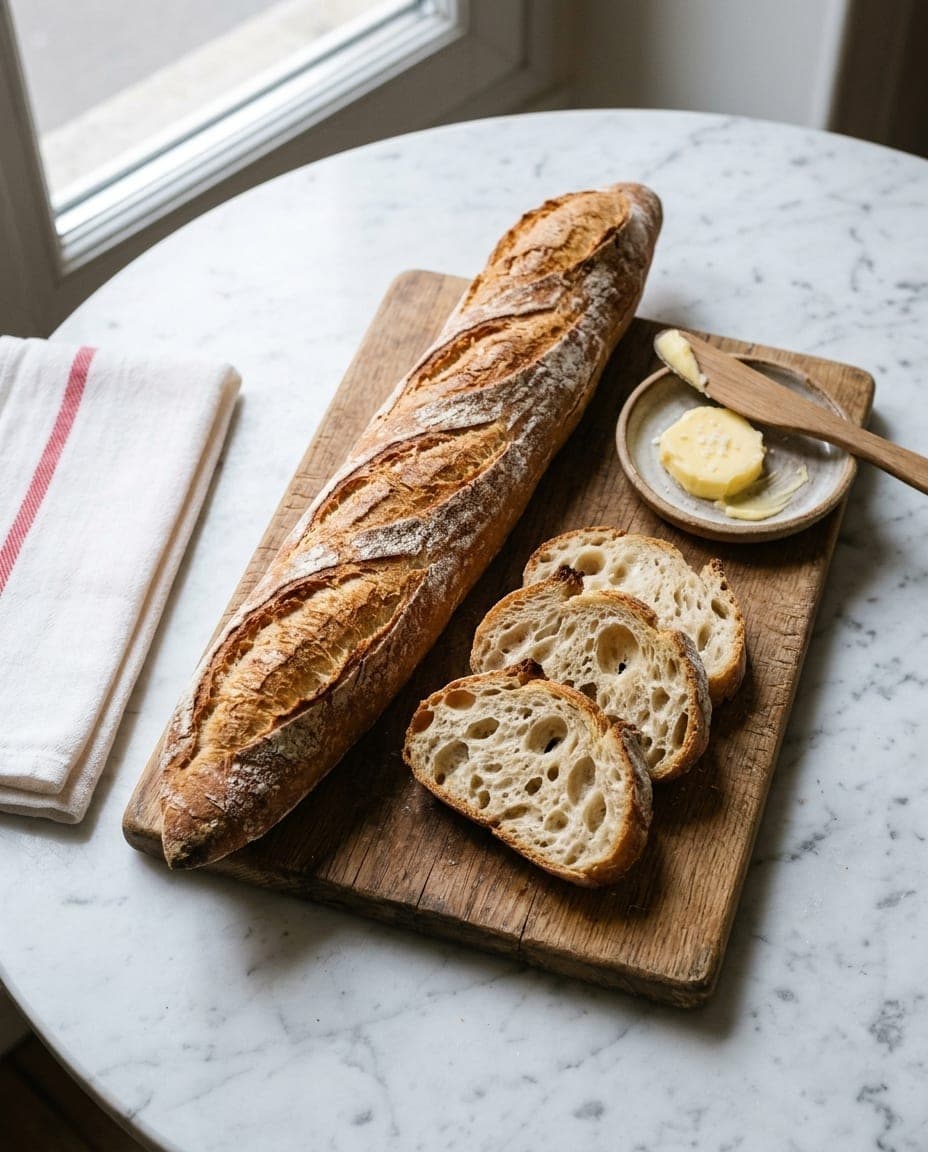
Reblochon is often eaten as part of a cheese course, accompanied by slices of rustic bread and local charcuterie.
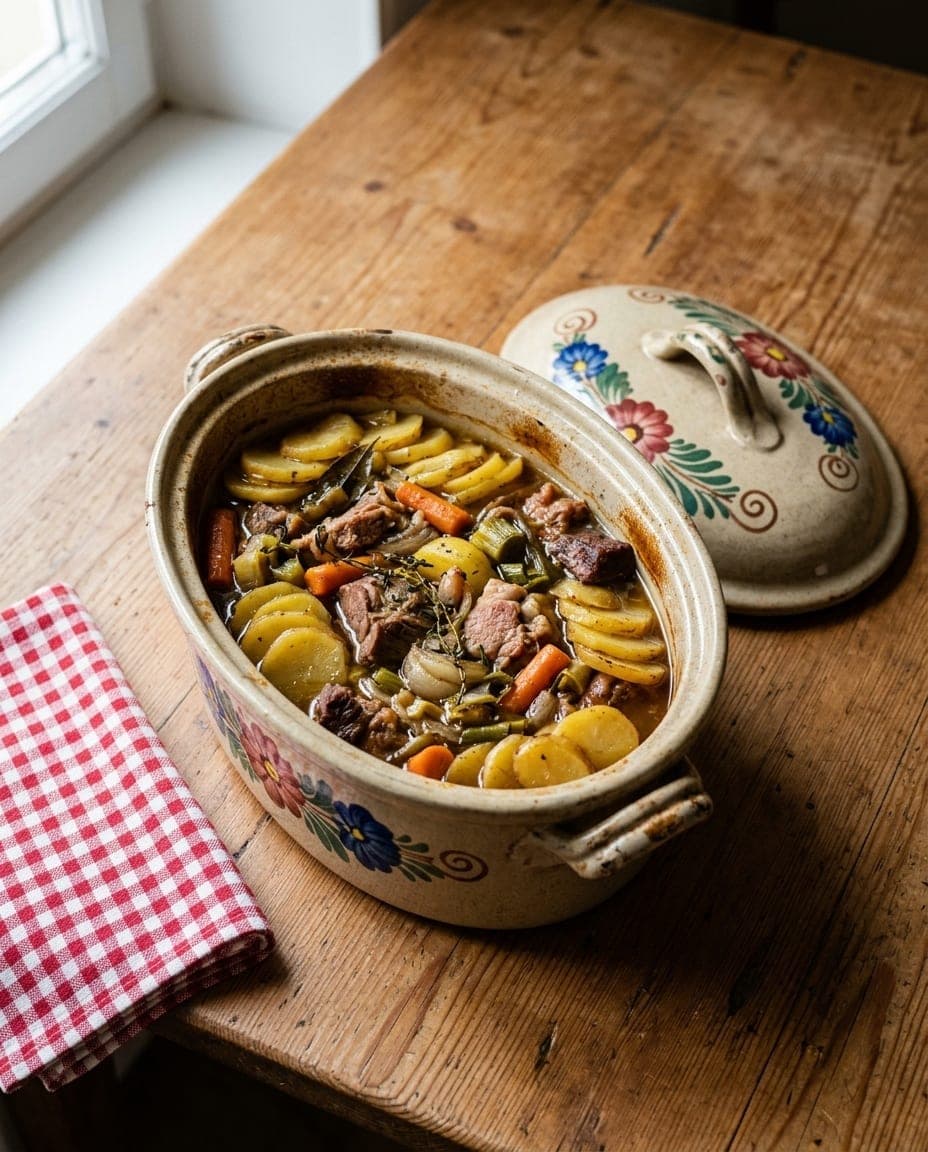
The most famous application is tartiflette. This dish combines sliced potatoes, onions, lardons and Reblochon in a baking dish. The cheese melts over the hot ingredients, forming a golden, bubbling crust while remaining soft underneath, a hearty meal for cold mountain evenings.
Another way to serve it is baked whole. A Reblochon is placed in a small earthenware dish, sometimes with garlic or a splash of white wine, and baked until the paste becomes a creamy dip that is scooped up with bread or potatoes.
Eaten uncooked, Reblochon is at its best at room temperature, so it is usually taken out of the fridge an hour before serving. It pairs well with Savoie white wines, particularly Apremont, whose crisp acidity cuts the richness of the paste.
Curious facts
- Two coloured discs. Farm-made cheeses carry a green casein disc, while dairy-made cheeses carry a red one; both use raw milk.
- A protected zone. The cheese has been an AOC since 1958 and must be made in the defined area of Haute-Savoie and the Val d'Arly to bear the name.
- Three breeds only. The milk must come from Abondance, Montbéliarde or Tarentaise cows.
- Two sizes. Besides the standard wheel of around 500 grams, there is a petit Reblochon of about 240 grams.
Where to try it
The most authentic experience of Reblochon takes place in a Savoyard mountain chalet or a village restaurant in the Aravis valleys. Thônes and the surrounding villages offer cheeses from local farms and dairies, often served at their peak ripeness.
In winter, tartiflette is a staple in mountain restaurants that cater to skiers, and a farm shop selling Reblochon fermier offers the best chance to taste the cheese in its purest form.
Where to try it
1 destination
 Castles
Cruseilles
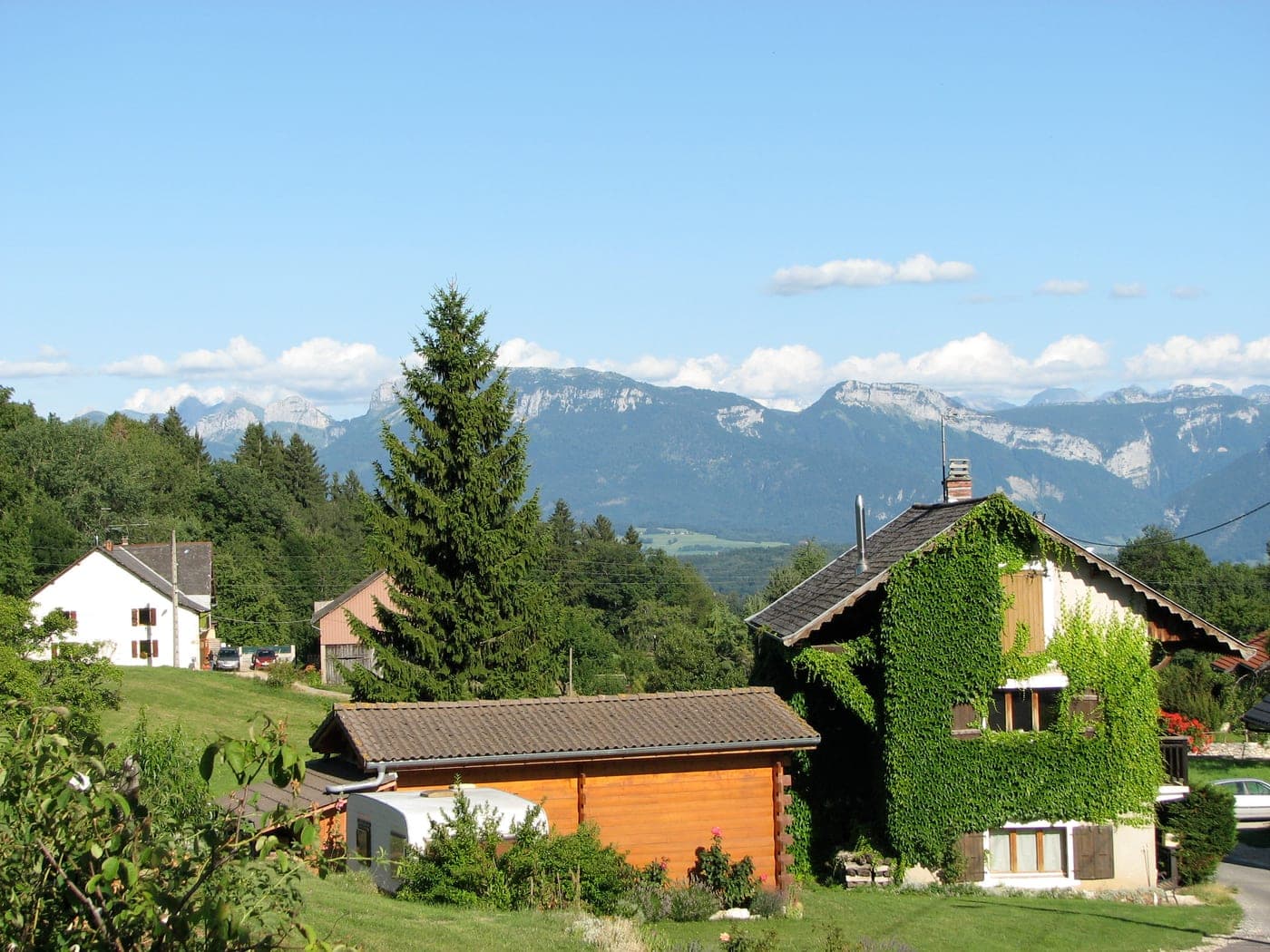
Small Haute-Savoie market town between Annecy and Geneva with castle ruins and a striking 19th-century viaduct.
CastlesHiking
1 region
 Wine Tasting25 destinations
Auvergne-Rhône-Alpes
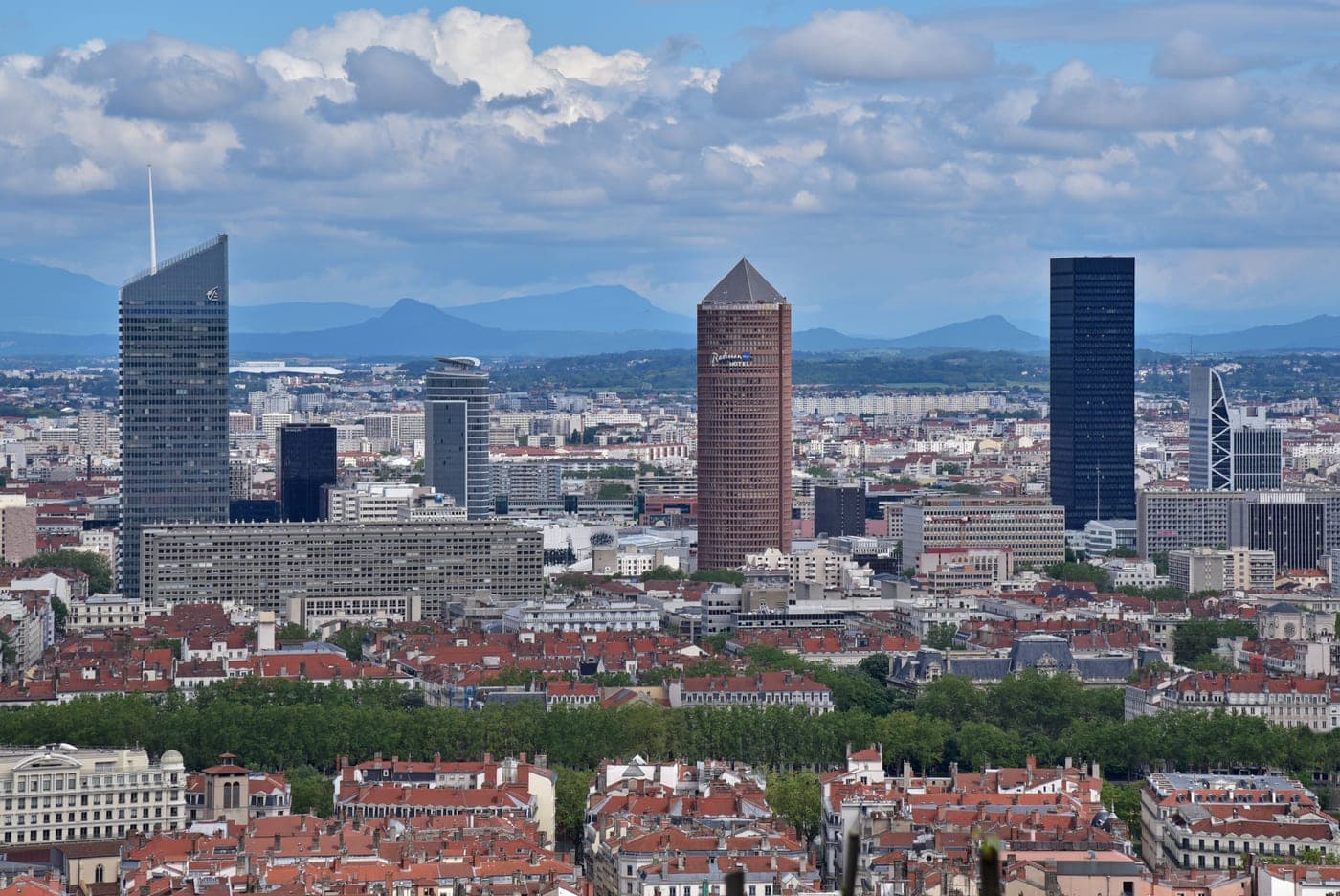
Nestled in the heart of France, this region is the second-largest, known for its diverse landscapes from the rugged mountains of the Alps to the volcanic terrain of the Massif Central. Lyon serves as a vibrant urban center, celebrated for its gastronomy and silk heritage. Off the beaten path, explore the historic villages of Le Puy-en-Velay, famed for its unique lentils and pilgrimage routes, or the picturesque landscapes of the Ardèche, with its stunning gorges. The region is also home to the picturesque vineyards of Beaujolais, producing renowned wines, and the stunning Lac d'Aiguebelette, one of the cleanest lakes in France. Seasonal festivals, like the Fête de la Gastronomie, showcase the local culinary delights, making this area rich in culture and history, ideal for a deep exploration of French traditions.
Wine TastingCamper Van RentalsHikingCastles