Curé nantais
A washed-rind cheese from the Pays Nantais named for a local priest
- Local name
- Curé nantais
- Served with
- Crusty bread
- Pairs with
- Muscadet
What it is
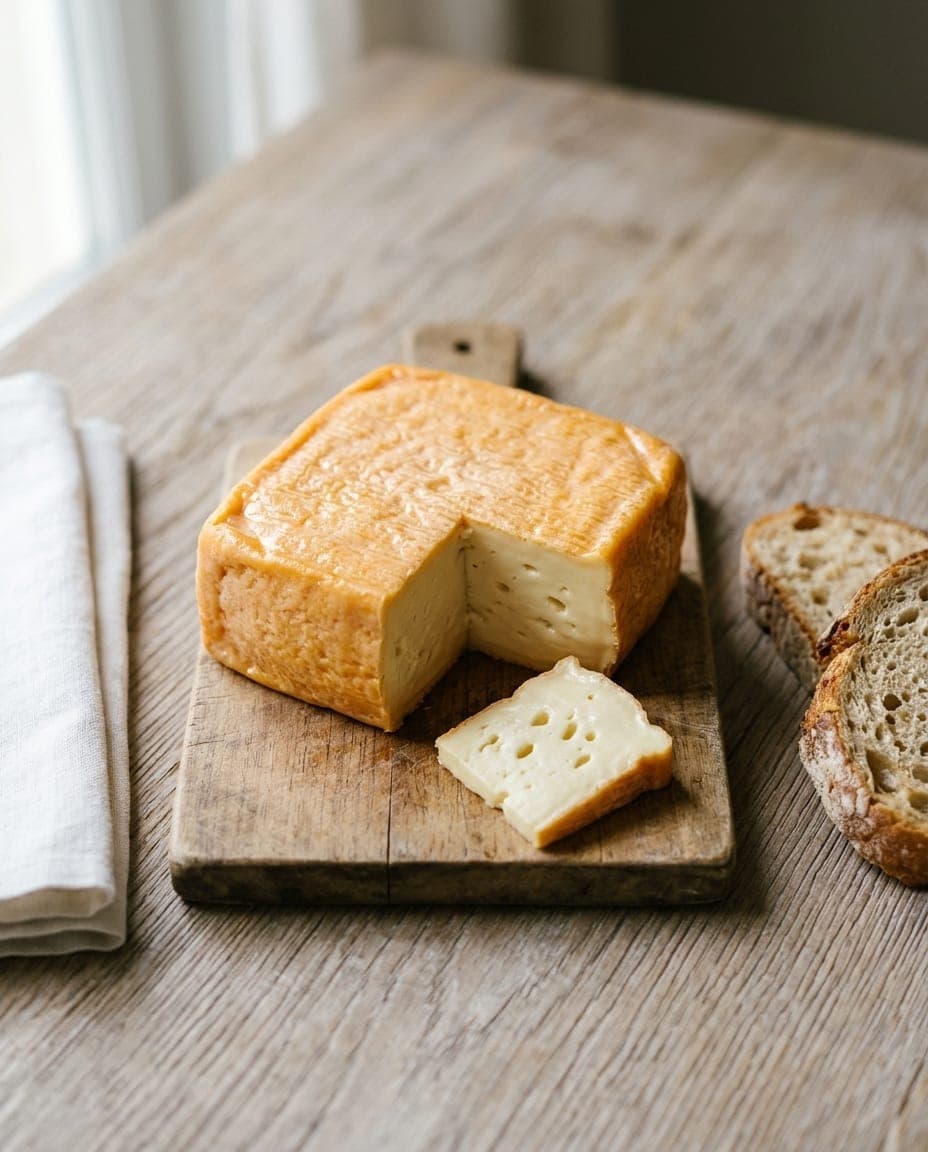
Curé nantais is a small cheese made from raw cow's milk in the Pays Nantais, the area surrounding Nantes near the mouth of the Loire. It belongs to the family of washed-rind cheeses, where the surface is treated with liquid during ripening to encourage specific bacteria and develop a distinct aroma. The result is a compact cheese with an orange, slightly sticky rind and a pale, supple paste inside.
The name translates as "the Nantes priest", and a priest does sit at the heart of its story. The cheese dates from around 1880 and remains a regional speciality of the Pays de la Loire rather than a product found across France, made in limited quantities today.
How the name came about
The story of Curé nantais is tied to the commune of Saint-Julien-de-Concelles, on the banks of the Loire just east of Nantes. Accounts differ on the details: some name Pierre Hivert as the priest who devised the cheese around 1880, while the regional tourist board describes Hivert as a local farmer who developed it together with a churchman. Either way, the cheese was first sold as Régal des Gourmets before taking the name Curé nantais.
The dairy stayed in Saint-Julien-de-Concelles for several generations before production moved to Pornic, on the coast south-west of Nantes, where the cheese is still made today. It is a typical example of how local food names grow out of personal stories rather than grand events. For many years the cheese remained a quiet product of the area, its reputation growing slowly among those who knew where to look.
What goes into it
This cheese relies on three main elements: milk, washing and time. The raw milk comes from farms in the Pays de Retz, south of the Loire estuary, and is curdled with rennet in copper vats before the curd is cut, moulded, salted and brined. The cheeses are then ripened for several weeks in a cellar on spruce boards.
During ripening the rind is washed regularly. The liquid used is a mixture of water and Muscadet, the dry white wine produced in the same region, which links the cheese closely to its home ground. The washing brings out the orange colour of the rind and encourages the bacteria that create its pronounced, earthy smell. Inside, the paste stays pale and soft, offering a contrast to the intense aroma on the outside. The flavour is savoury and slightly salty.
How it is eaten
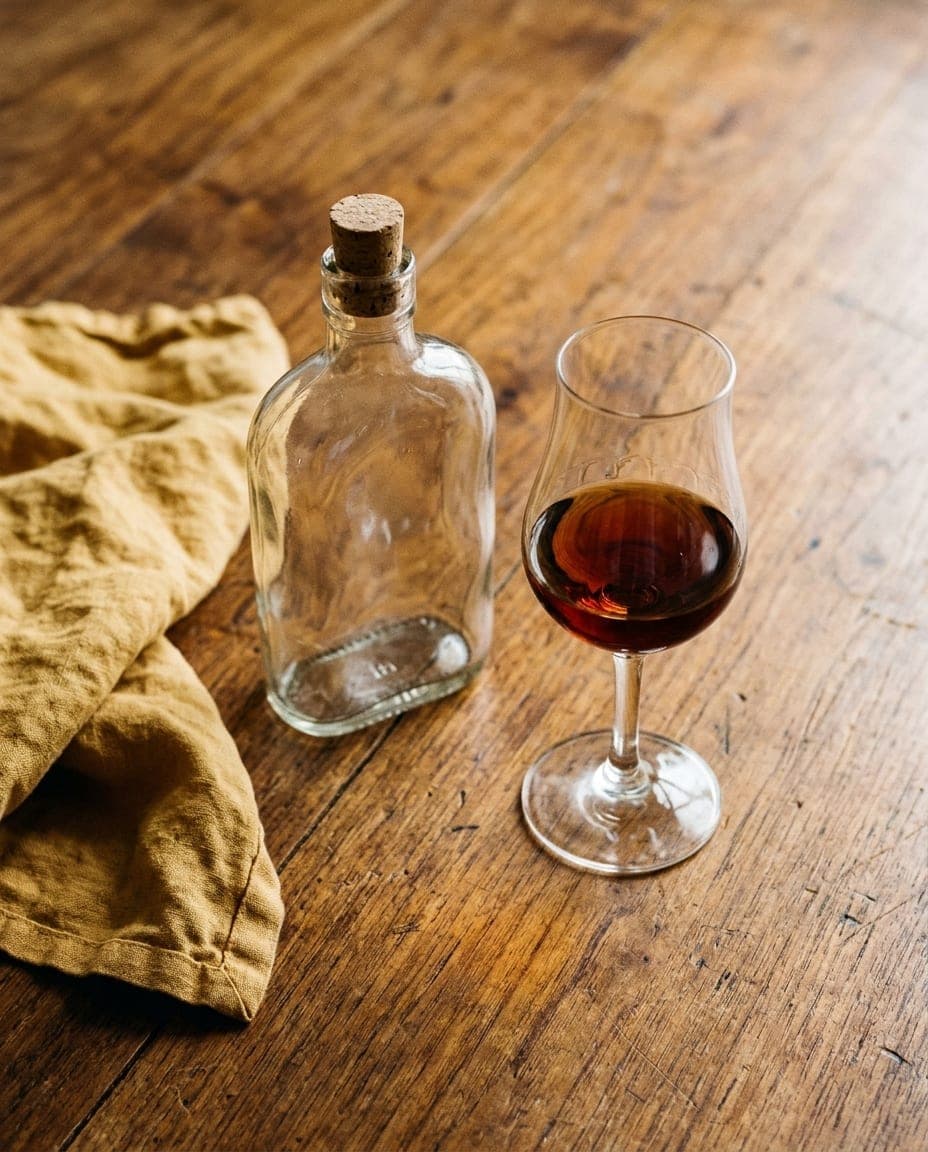
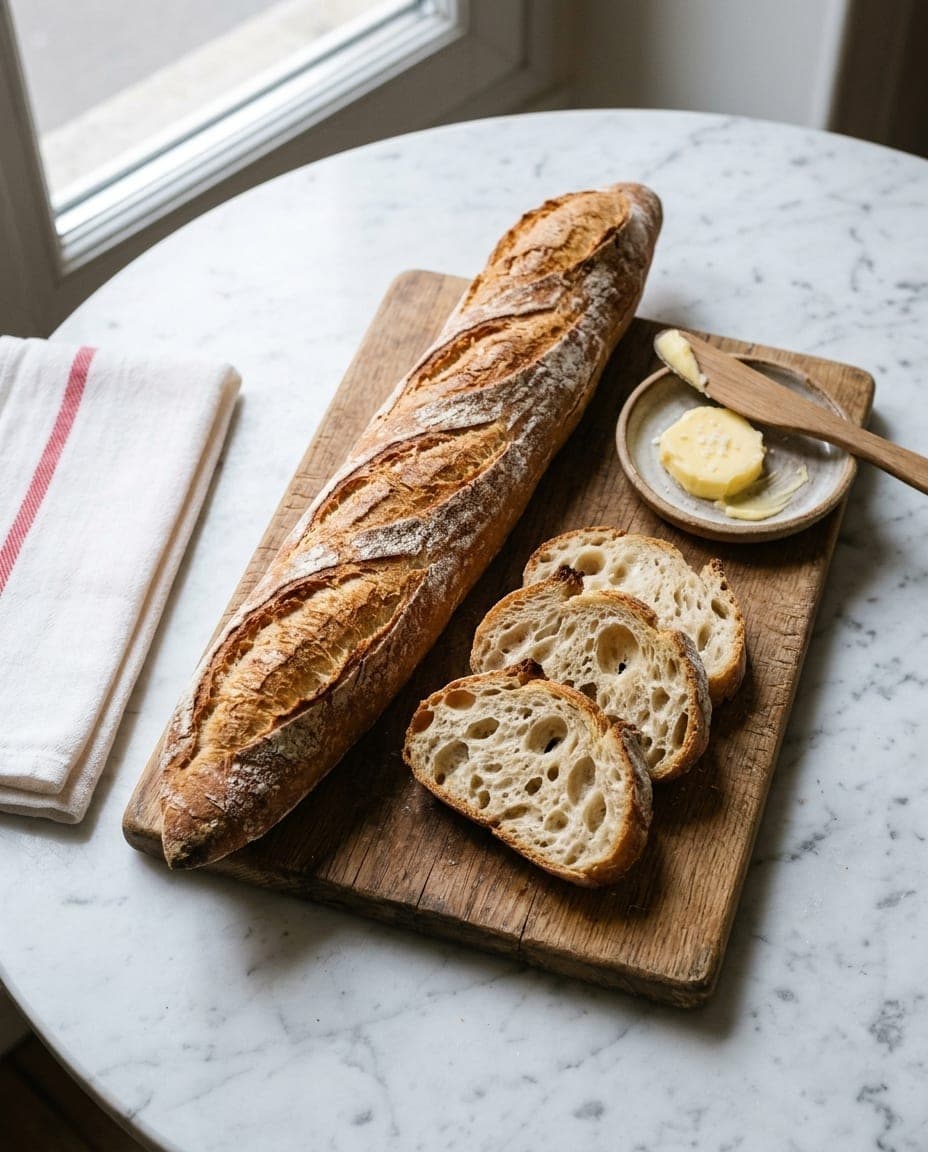
Curé nantais is best served at room temperature, allowing the paste to soften and the aroma to rise from the rind. It is typically eaten with crusty bread, such as a baguette or a rustic country loaf, which provides a neutral base for the strong flavours. It pairs naturally with Muscadet, the dry white wine from the same region, whose acidity cuts the richness of the cheese, making it one of the neatest regional pairings in French gastronomy.
The combination appears in cheese shops and markets across the Pays de la Loire, as well as in traditional bistros in Nantes that focus on local produce. The cheese is usually sold whole. Because it is made by a single dairy, availability can be limited outside the region.
Curious facts
- A first name for gourmets. Before it became the Curé nantais, the cheese was sold as Régal des Gourmets.
- Wine as a wash. Muscadet in the washing liquid links the cheese closely to the local wine, making the pairing feel natural rather than forced.
- Single dairy production. Today the cheese is made by one dairy, in Pornic, keeping output small and the style consistent.
- Raw milk. The cheese is still made from raw cow's milk, with much of the work done by hand.
Where to try it
1 region
 Camper Van Rentals1 destination
Pays de la Loire
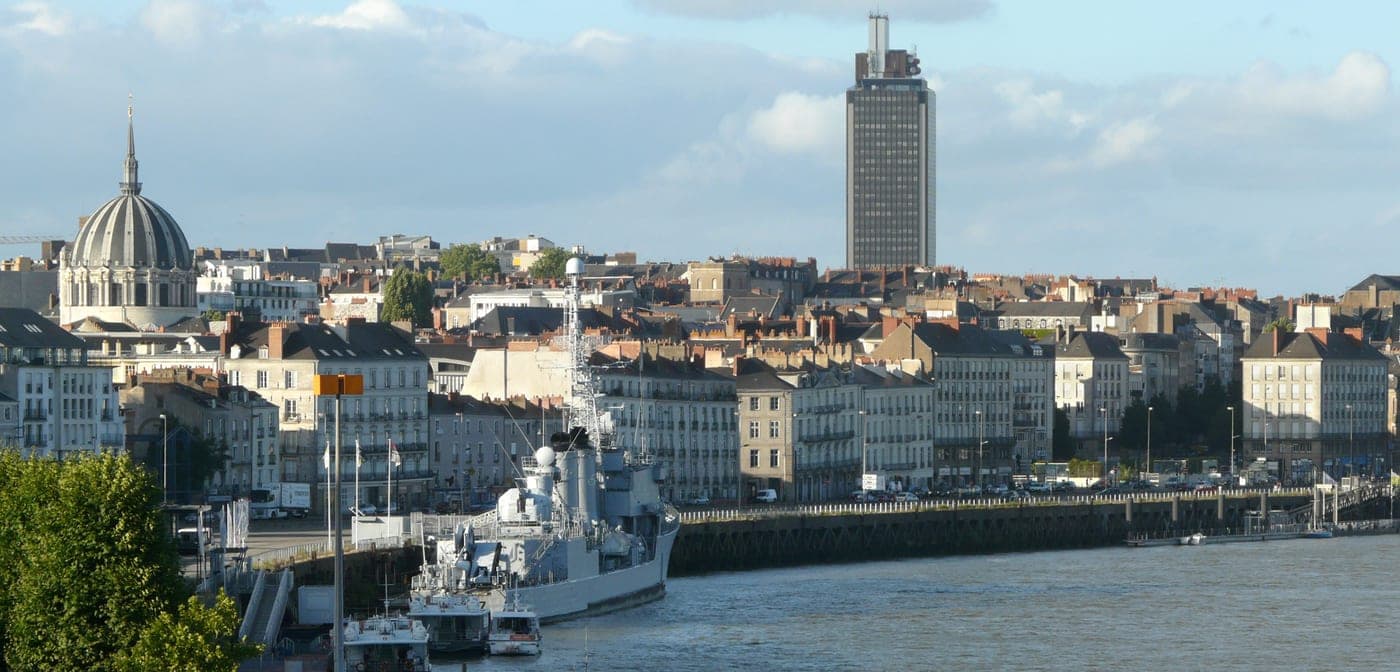
This region is known for its diverse landscapes, from the coastal shores of the Atlantic to the lush vineyards of the Loire Valley. Nantes, the largest city, is famous for its historical sites, including the Château des Ducs de Bretagne, while Angers boasts a rich tapestry of medieval architecture. The region is also recognized for its unique wines, such as Anjou and Muscadet, and offers various local markets showcasing artisanal products. The coastal town of Les Sables-d'Olonne is a hub for maritime activities, while the picturesque village of Clisson reflects Italian influence in its architecture. Notably, this region is the only one in France with both a coastline and extensive vineyards, making it a distinctive area to explore slowly.
Camper Van RentalsHikingLocal Cuisine