Comté
A nutty Jura cheese aged in mountain cellars, made from raw milk and graded by band colour
- Local name
- Comté
- Served with
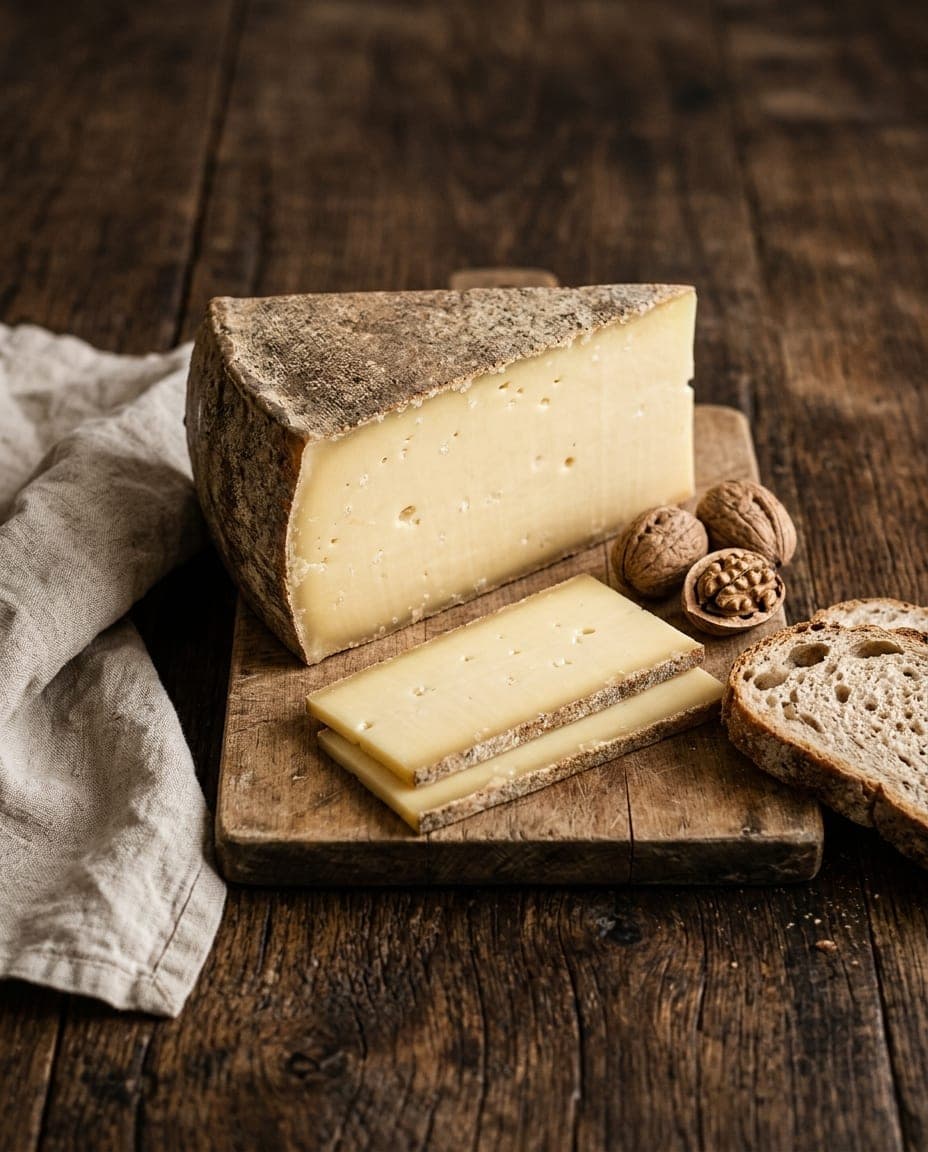
- Bread, walnuts
- Best eaten at
- A Jura fromagerie
- Pairs with
- Vin jaune
What it is
Comté is a hard, cooked-curd cheese made from the raw milk of Montbéliarde and French Simmental cows, produced across the Jura massif in eastern France. It is not a single uniform product but a family of cheeses that changes with the season, the altitude, and the specific cellar where it matures. The wheels are large, heavy discs with a pale yellow interior that darkens to amber as the cheese ages, developing a texture that ranges from creamy and pliable to hard and crystalline.
Comté is made in small village cooperatives known as fruitières, a system that dates back centuries and ensures that the milk comes from local herds grazing on the pastures of the Jura mountains. The result is a cheese with a deep savoury flavour, often described as nutty, fruity or caramel-like, depending on how long it has been aged. It is the most produced AOP cheese in France by volume, yet it remains tied to specific mountain communities rather than a single brand.
How the fruitière system works
The story of Comté begins in the valleys where herds of mostly Montbéliarde cows graze on rich grasses, clover and wildflowers. The milk is taken to the local fruitière, a cooperative dairy that typically belongs to the farmers themselves and draws its milk from within a small area, roughly 25 kilometres across.
At the fruitière, the milk must be used raw, never pasteurised, and processed within 24 hours of milking. The curd is cut, cooked gently in large copper vats, then drained and pressed into heavy moulds. Each wheel weighs around forty kilograms and carries a green casein plate recording the fruitière and the date of production. This level of traceability allows the affineur to know exactly which village dairy, and therefore which meadows, contributed to each wheel.
Once formed, the wheels are moved to ageing cellars, where an affineur rubs the rind with brine and turns each wheel regularly for a minimum of four months, and often well over a year. The temperature and humidity must remain stable, allowing the enzymes in the milk to break down proteins and fats slowly. Before sale, each wheel is scored out of 20, chiefly on taste, and given a coloured band.
A taste shaped by the seasons
The flavour of Comté changes as the year progresses, reflecting the diet of the cows and the conditions of the cellars. In spring and summer, when the pastures are lush with wild flowers and fresh grass, the milk is rich and the cheese tends to be fruity, delicate and slightly sweet.
Winter wheels, made from the milk of cows fed on hay indoors, tend towards deeper notes of roasted nuts and dried fruit. Age adds further intensity: by the time the wheels have matured for twelve months or more, they develop a hard, crumbly texture and a sharp, savoury finish. Some aged wheels even form small white crystals of tyrosine, an amino acid, which provide a satisfying crunch when eaten.
The altitude of the pastures also plays a role, with higher meadows producing milk that yields a more mineral and complex cheese.
What goes into it
The primary component is raw cow's milk, overwhelmingly from Montbéliarde cows, a breed native to the Franche-Comté region known for its hardiness, with a small share from French Simmental. The cheese contains no additives beyond salt, cultures and calf rennet, which helps coagulate the milk into curds.
No colours or preservatives are added; the pale yellow hue comes naturally from the beta-carotene in the grass-fed cows' diet. The rind is rubbed with brine, which encourages the growth of specific bacteria that contribute to the aroma and flavour of the final product.
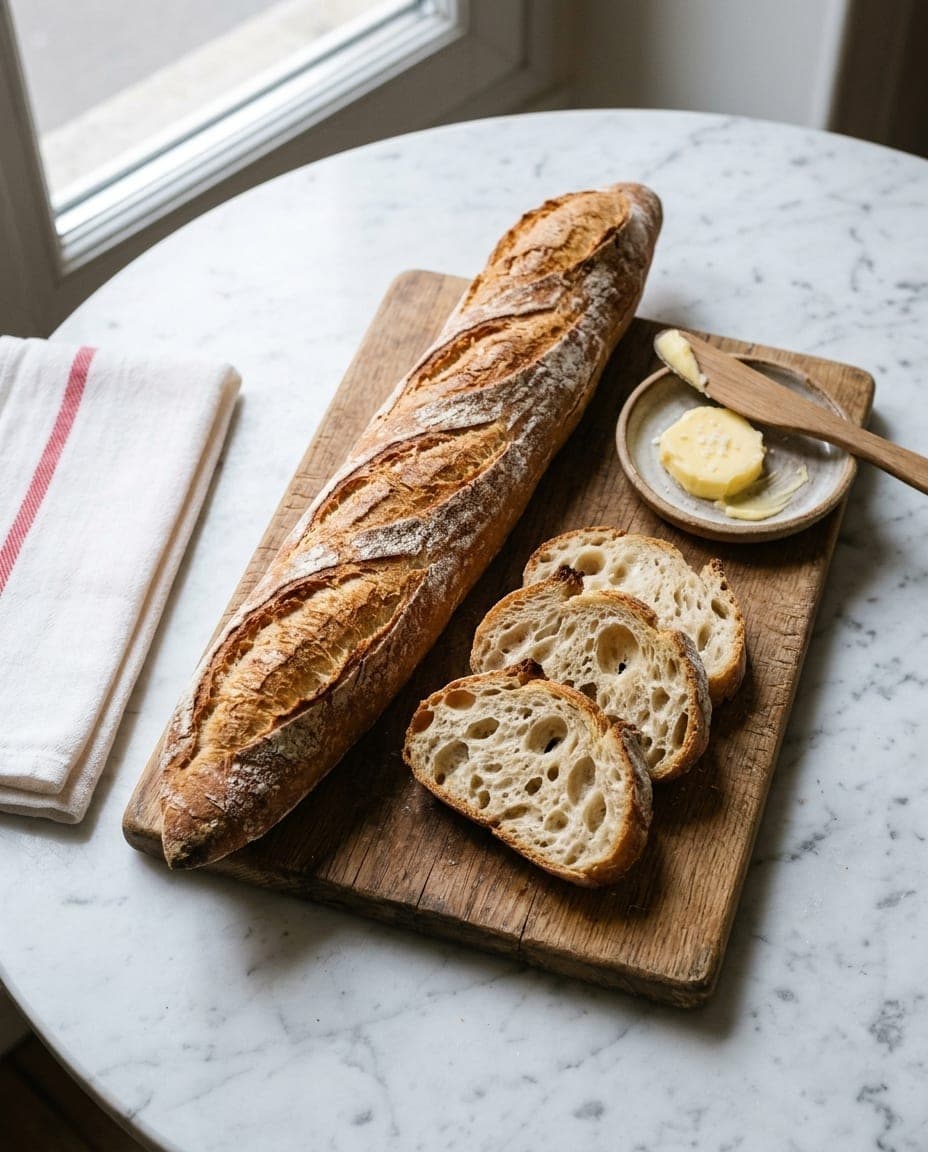
When served, Comté is often accompanied by local bread, such as a rustic country loaf or a slice of baguette, and sometimes walnuts from the region.
How to eat it
Comté serves equally well as a table cheese and a cooking ingredient. As a standalone item, it is served at room temperature in slices or cubes, allowing the aromas to release fully.
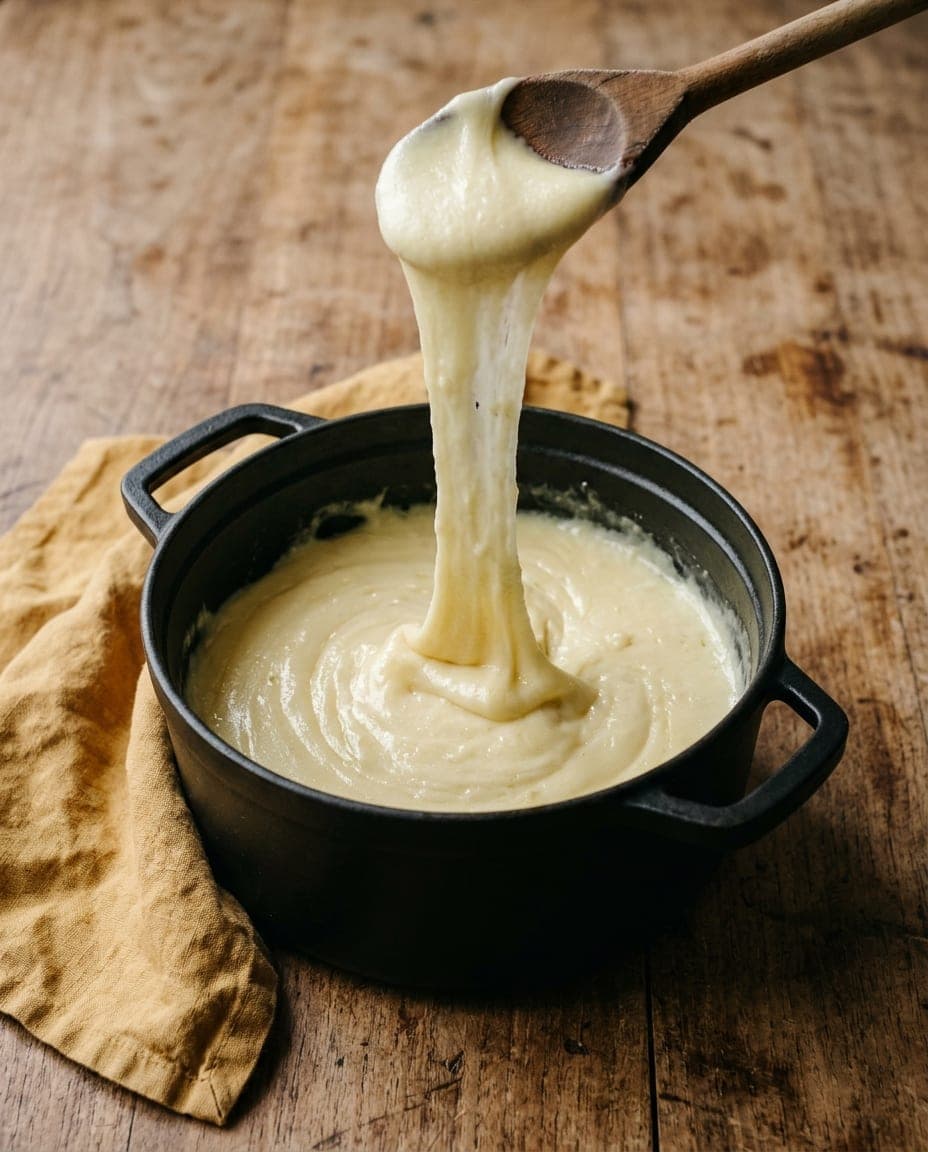
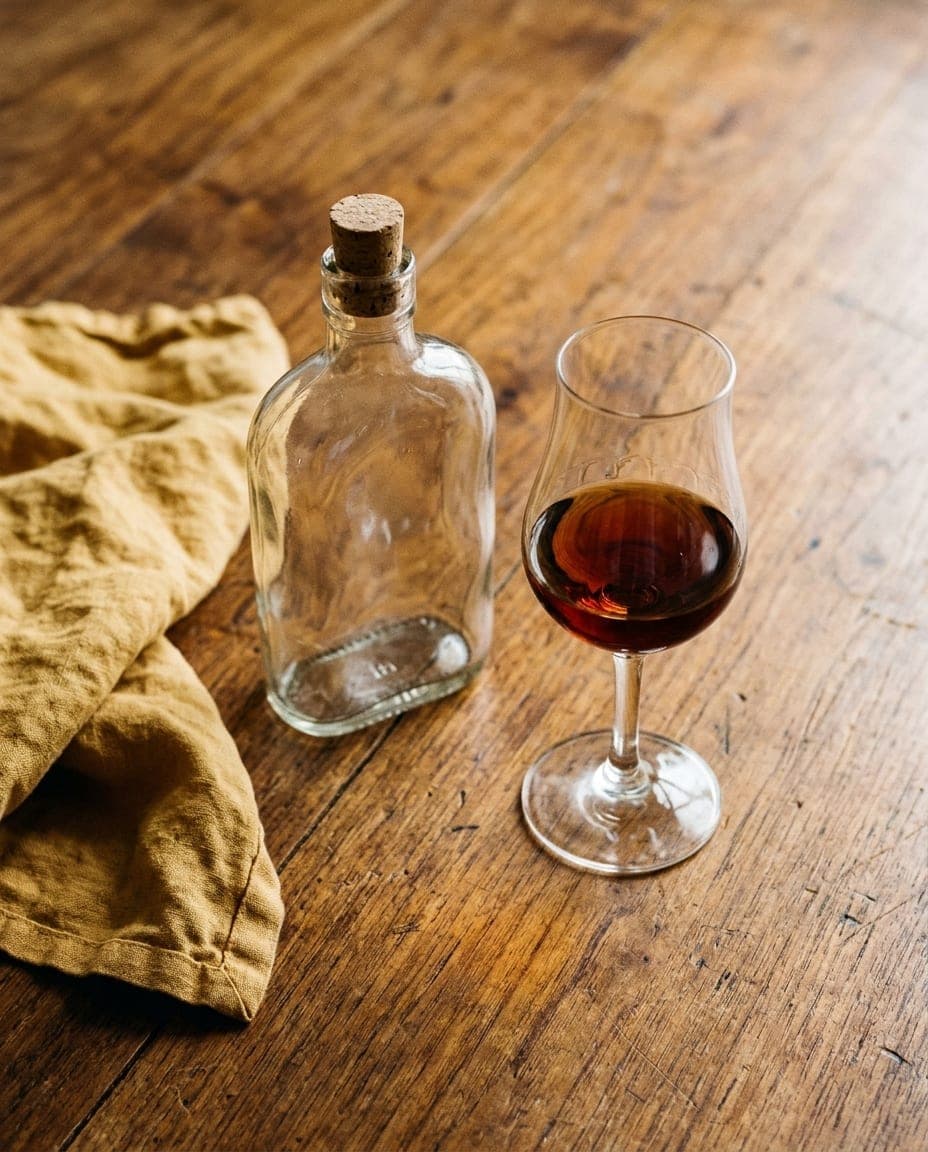
In the kitchen, Comté is prized for its melting properties. It is a classic ingredient in fondue, where it blends smoothly with other cheeses, and it is often used in gratins and quiches to add depth of flavour. The nutty notes pair particularly well with Jura wines, especially Vin jaune, a dry yellow wine made from the Savagnin grape and aged under a film of yeast for years. This combination is considered a local classic, balancing the fat of the cheese with the acidity and complexity of the wine.
For those who enjoy the experience of tasting, visiting a Jura fromagerie is the best way to understand the range of Comté. Here, one can taste samples from different ages and seasons, comparing the subtle differences between a six-month-old wheel and one aged for eighteen months.
Curious facts
- The colour bands matter. Wheels are scored out of 20. Those scoring above 14 receive a green band, those scoring 12 to 14 a brown band, and anything lower cannot be sold as Comté. The band shows the grade, not the age.
- Twenty cows per wheel. A single forty-kilogram wheel takes roughly the daily milk of around twenty cows.
- The fruitière is a cooperative. The dairy is usually owned by the local farmers, who share the profits and maintain control over the quality of the milk used in production.
- A protected name since 1958. Comté became an AOC in 1958 and an EU PDO in 1996.
Where to try it
The most authentic experience of Comté is found in the Jura mountains themselves, where a local fromagerie or fruitière shop offers the widest selection, often from nearby cellars.
Beyond the Jura, Comté is available in specialist cheese shops across France and in many countries worldwide. The coloured bands on the rind show how each wheel was graded: green for the higher scores, brown for the lower. The age of the cheese, from a minimum of four months to two years or more, is usually given separately by the seller.
For a complete culinary journey, one might visit a village fruitière in the Jura where Comté is still made each morning. Some welcome visitors to watch the cheesemaking and taste the cheese at different ages.
Where to try it
1 region
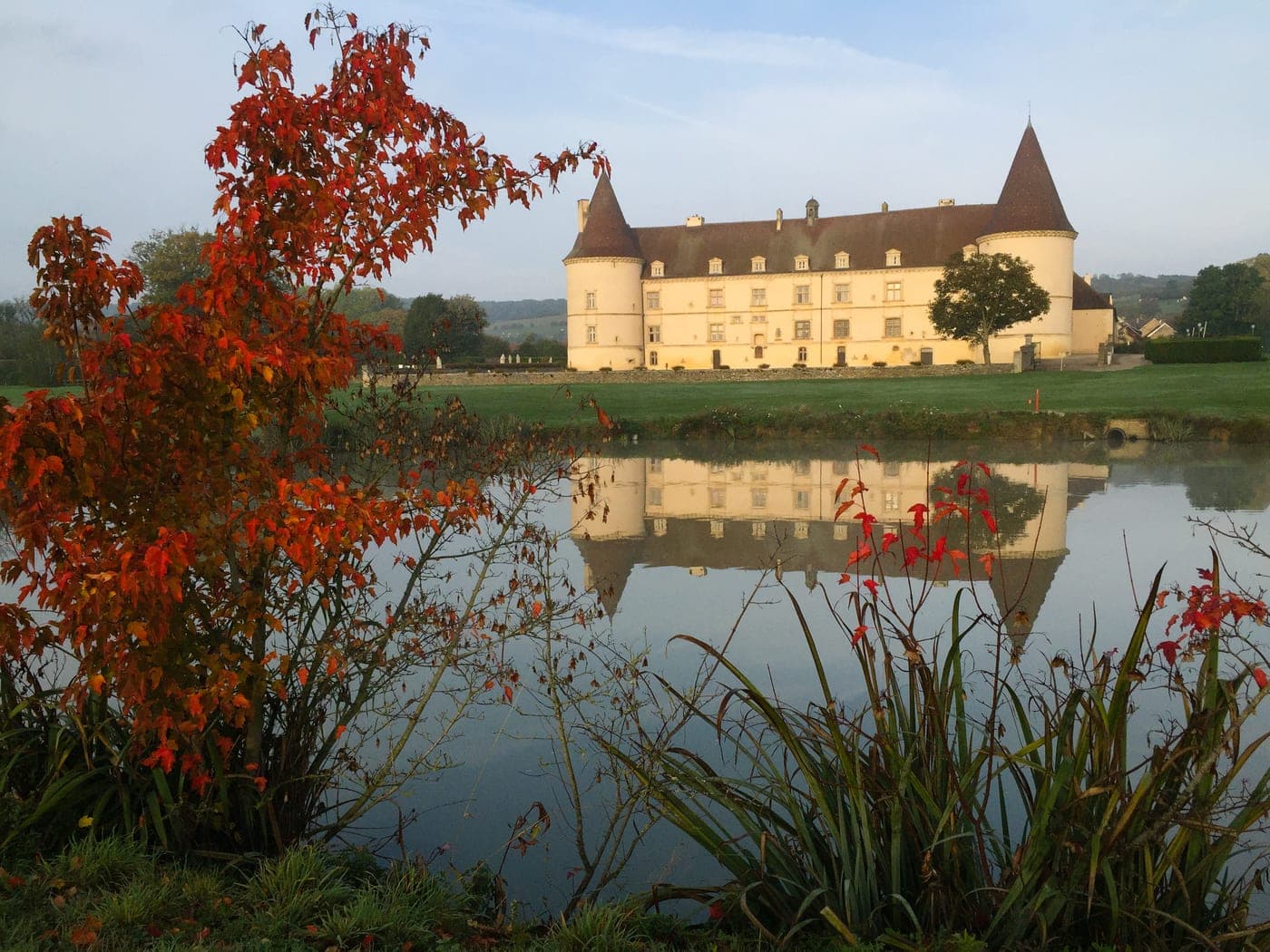 Castles5 destinations
Bourgogne-Franche-Comté
Bourgogne-Franche-Comté is France's largest region, rich in history and culture. It's renowned for its exceptional wines, particularly those from the Burgundy area, which produce some of the world's finest Pinot Noir and Chardonnay. The region features historic cities like Dijon, known for its mustard and vibrant markets, and Besançon, famous for its citadel and watchmaking heritage. Natural landscapes include the Jura mountains and the picturesque Doubs River, perfect for hiking and cycling. The region is dotted with charming villages such as Arbois and Nans-sous-Sainte-Anne, offering a taste of local crafts and cuisine. Festivals celebrating wine and regional traditions add to its cultural depth, attracting those looking to experience France beyond the usual tourist paths.
CastlesWine TastingHiking