Chaource
A creamy, chalky cow's milk cheese from the Champagne border
- Local name
- Chaource
- Served with
- Crusty bread
- Pairs with
- Champagne
What it is
Chaource is a soft cheese made from cow's milk in the Aube department, part of the Grand Est region, close to where the historical borders of Champagne and Burgundy meet. It takes its name from the small town of Chaource, south of Troyes. The cheese has been a protected appellation of origin since 1970 and is now an EU PDO, meaning it must be produced within a defined area of the Aube and the neighbouring Yonne using traditional methods to bear the name.
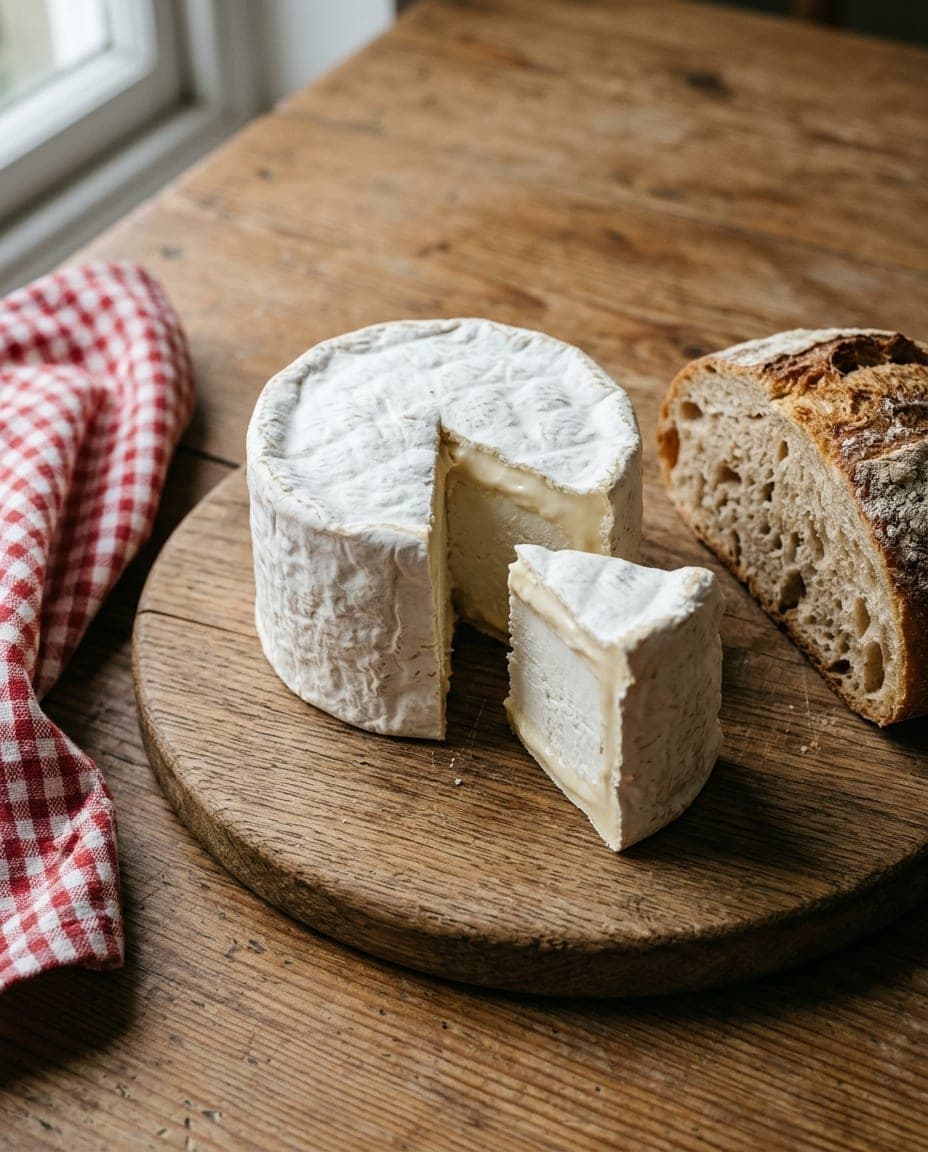
Visually, the cheese is a squat cylinder, about ten centimetres across and six centimetres high, sold in two sizes of roughly 250 g and 450 g. It is wrapped in a delicate white rind formed by a bloom of mould, which gives it a soft, matte appearance. Inside, the paste is pale ivory and can feel chalky and crumbly when the cheese is young. As it ages, the texture transforms from the outside inwards; the area beneath the rind softens until it becomes smooth, creamy and almost runny, while the centre may stay firmer for longer.
The taste is defined by its richness – at least 50 per cent fat in dry matter – and a gentle, milky flavour that develops notes of cream, fresh mushroom and sometimes hazelnut as it matures. It is not a sharp or aggressive cheese. Instead, it offers a calm, lingering presence on the palate, often described as buttery without being heavy.
The lactic secret behind its texture
What distinguishes Chaource from many other soft cheeses is the way it is made. It belongs to the family of lactic cheeses: the milk is set with only a little rennet and coagulates mainly through its natural acidity. The process is slow, with coagulation and moulding lasting at least 12 hours, and the curd drains slowly and spontaneously. This gentle setting creates a fine, delicate structure, resulting in the characteristic crumbly texture of the young cheese.
Because the protein network remains loose and open, the paste of a fresh cheese feels dry and slightly granular, almost like soft chalk. This chalky phase is not a defect but a specific stage of the cheese's life, when the taste is clean, mild and close to that of the milk itself.
As the weeks pass, the white mould on the rind begins to break down the proteins from the outside inwards. Ripening lasts at least two weeks, and the cheese is usually eaten young, at two to four weeks. The chalky dryness gradually gives way to a luxurious creaminess that spreads from the rind towards the centre. This transition from crumbly to creamy is what makes Chaource a study in texture, offering two distinct experiences depending on when it is eaten.
The landscape of the Aube
Chaource comes from the Champagne humide, a band of damp, clay-rich country with many streams, woods and springs. Its grassland has long supported dairy cattle, and the cheese's production area straddles the border between the Aube and the Yonne.
Cheesemaking here goes back a long way: written references date from the 15th century, and in 1513 the town is recorded as offering more than a hundred cheeses as a gift. The cheese was long made on farms, its demanding but slow routine fitted around the other chores of the farm women who made it. In the 19th century, demand from the nearby city of Troyes helped it gain a wider reputation.
Today production includes both farms and larger dairies, and ripening takes place in cellars or controlled rooms within the protected area. The cheese is available year-round.
How it is eaten
Chaource is typically served at room temperature, which allows the creamy texture to develop fully and the aromas to rise. It is cut into wedges that include the soft white rind, which is edible and adds a slight earthy note, though some prefer to remove it.
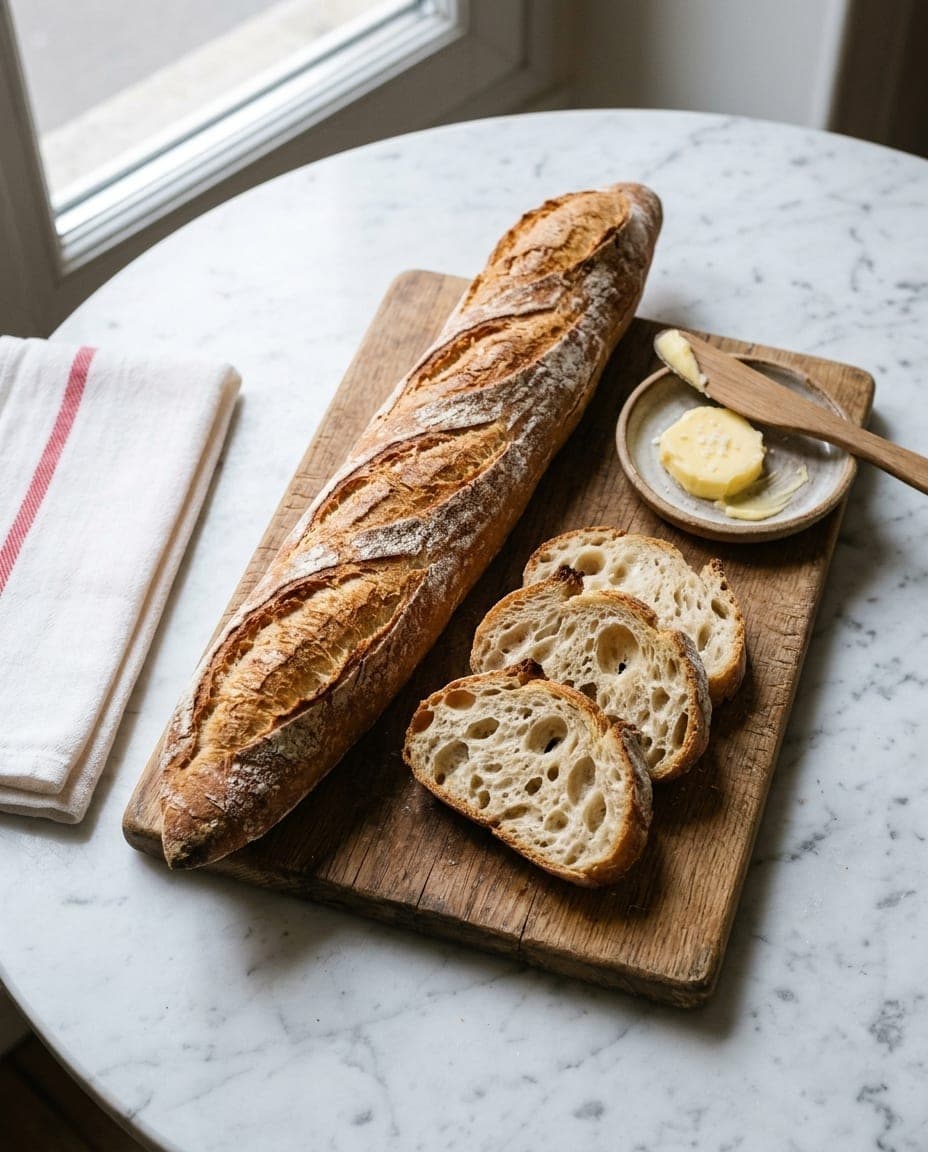
The cheese pairs naturally with crusty bread, such as a rustic baguette or a dense country loaf that can hold the creamy interior. The crunch of the bread contrasts with the softness of the cheese. In the Aube and the surrounding area, Chaource is commonly served with a glass of Champagne, some of which is produced in the south of the Aube itself.
The acidity and bubbles of the wine cut through the richness of the cheese, cleansing the palate between bites. A dry white wine such as Chablis, from the neighbouring Yonne, offers a similar effect with its mineral notes.
Curious facts
- A name from a town. The cheese is named after Chaource in the Aube, where it has been made since at least the Middle Ages.
- The lactic method. It uses only a little rennet, relying mainly on natural acidity to set the curd over many hours.
- Two textures in one. Young versions are dry and chalky, while riper ones become soft and creamy from the rind inwards.
- An early appellation. Chaource gained its appellation d'origine in 1970.
- Perfect for sharing. Its mild flavour makes it suitable for a cheese board that includes stronger cheeses.
Where to try it
The most authentic experience of Chaource is found in the Aube itself, in the town of Chaource and the surrounding villages, where some producers sell their cheese directly. Cheese counters and markets in Troyes stock Chaource from various local dairies, making it easy to compare styles, and fromagers can advise on how ripe a particular cheese is.
It is a simple pleasure that reflects the quiet rhythm of the Aube countryside, best enjoyed with a crusty loaf and a glass of the region's sparkling wine.
Where to try it
2 destinations
 Wine Tasting
Avirey-Lingey
Champagne Côte des Bar village with family growers producing authentic champagne.
Wine Tasting Wine Tasting
Bar-sur-Seine
Historic town in Champagne's Côte des Bar with vibrant wine culture and market.
Wine TastingHiking
1 region
 Wine Tasting19 destinations
Grand Est
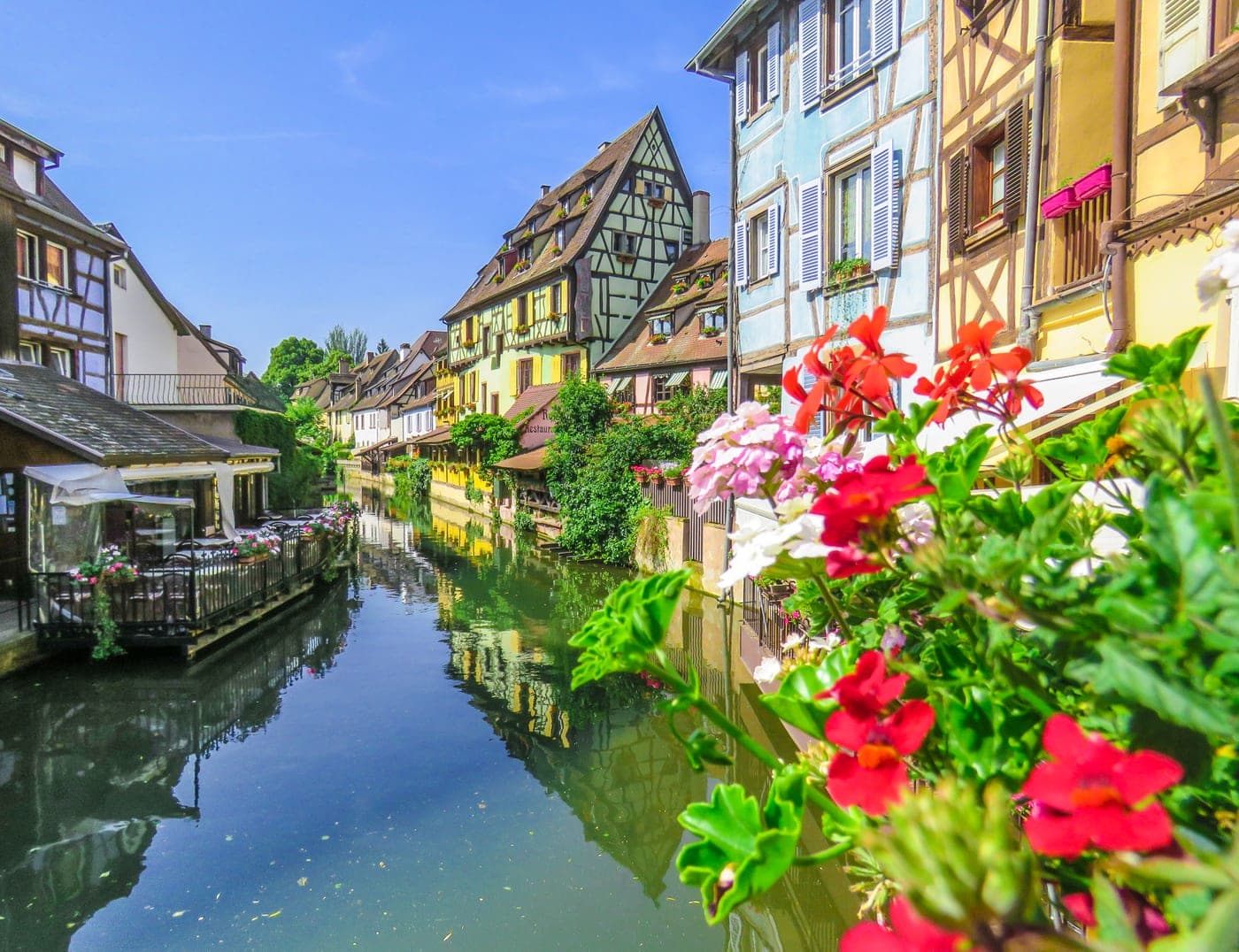
Nestled in northeastern France, this region is the second largest, blending rich history with diverse landscapes. It boasts Strasbourg, known for its Gothic cathedral and unique blend of French and German cultures. The vineyards of Alsace produce exquisite white wines, particularly Riesling, while the Vosges Mountains offer scenic hiking trails. Visitors can explore the historic town of Colmar, famous for its well-preserved medieval architecture. The region is dotted with charming villages like Riquewihr, known for its half-timbered houses. Grand Est is also home to the Champagne region, celebrated for its sparkling wines. Festivals throughout the year highlight local traditions, making it a vibrant area to experience local culture.
Wine TastingHikingLocal CuisineCamper Van Rentals