Cassoulet
A slow-baked white bean dish from Languedoc with confit and pork
- Local name
- Cassoulet
- Served with
- Green salad, crusty bread
- Best eaten at
- A Castelnaudary family restaurant
- Pairs with
- Languedoc red (Minervois, Corbières)
What it is
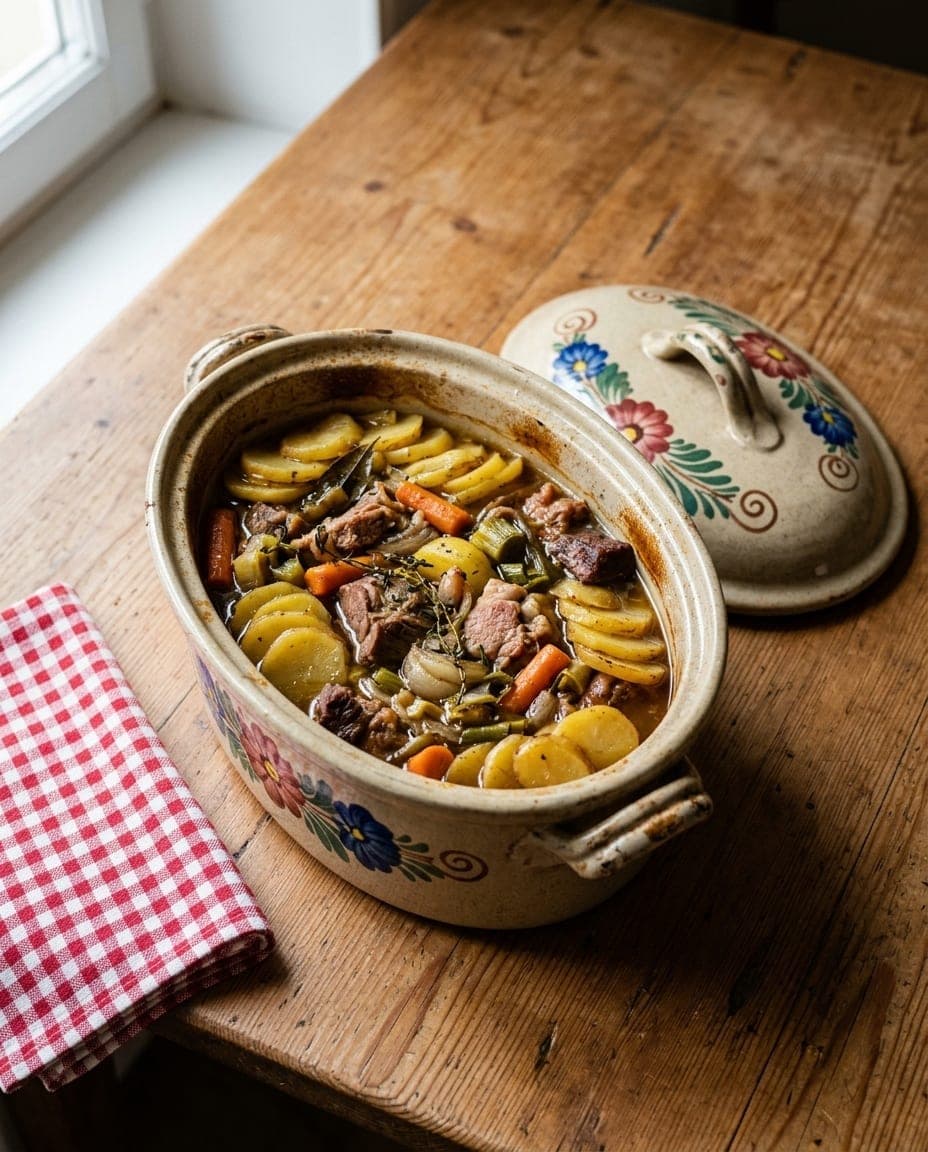
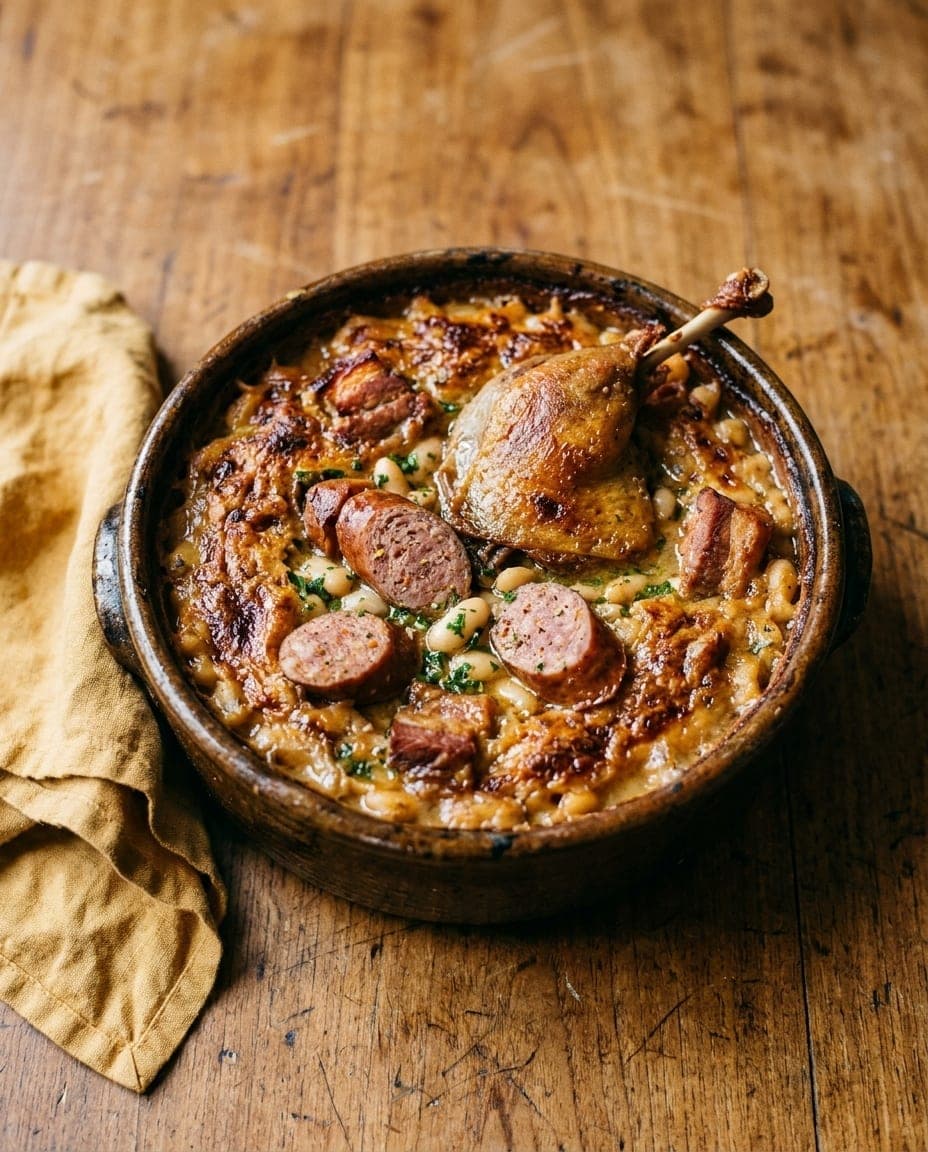
Cassoulet is one of the most substantial dishes of southern France, a slow-baked stew of white beans, pork, sausage and preserved meats that defines the winter table of Languedoc. It is not a light starter or a simple soup but a heavy, deeply savoury meal. The dish takes its name from the cassole, a deep, rounded earthenware pot traditionally associated with the village of Issel near Castelnaudary, still used by traditional cooks today.
The texture is distinct: the beans are soft and creamy, absorbing the fat from the meats, while the top forms a golden crust that is broken and pushed back into the pot repeatedly during cooking. This creates a deep, cohesive body where the ingredients soften but keep their character. A single portion is filling enough to last for hours, making it a dish for a long lunch on a cold day or a Sunday family gathering.
The three towns and their rivalries
Cassoulet is not a single recipe but a subject of lively local debate between three towns in Occitanie: Castelnaudary, Carcassonne and Toulouse. The chef Prosper Montagné famously cast them as a culinary trinity: Castelnaudary as God the Father, Carcassonne as the Son and Toulouse as the Holy Spirit. The rivalry is good-humoured but deeply felt, and it shapes how the dish appears on menus across the area.
Castelnaudary, often called the capital of cassoulet, makes a version built on pork – loin, ham, knuckle, sausage and fresh pork rind – sometimes with preserved goose or duck. Carcassonne adds leg of mutton and, in the hunting season, partridge. Toulouse uses the pork meats in smaller amounts, adding Toulouse sausage, mutton and confit of duck or goose.
The beans are a point of contention as well. The lingot, ideally grown in the Lauragais around Castelnaudary, is the classic choice: a white bean with a creamy texture that holds its shape during long cooking. Many cooks favour local beans, and the debate rarely ends in agreement, so visitors are often encouraged to try all three versions and form their own opinion.
How it is made
The preparation of cassoulet is a test of patience rather than skill. The white beans are soaked overnight, part-cooked with aromatics and then slow-baked for hours in the cassole at a low temperature together with the meats. The key technique involves the crust that forms on the surface. As the liquid evaporates, a golden skin develops on top; this is broken with a spoon and pushed back into the pot, a process repeated several times until the dish reaches its final consistency.
The number of times the crust is broken is a matter of local lore rather than strict rule. Some say it must be done seven times, while others break it whenever the skin looks right. Breadcrumbs are sometimes sprinkled on top to help form the crust, but many traditionalists reject this shortcut, preferring the skin that forms from the beans and fat alone. The result is a dish where the meats are tender and the beans soft but not mushy, all bound together by a deeply savoury sauce.
What goes into it
The ingredients vary depending on the town, but the core elements remain consistent across the region:
- White beans, typically the lingot, which provides the creamy base and absorb the flavours of the meats.
- Pork in several forms: belly, loin, ham or knuckle, and often pork rind for texture.
- Sausage, notably Toulouse sausage.
- Confit of duck or goose, a staple of the south-west, where the legs are slow-cooked and preserved in their own fat.
- Mutton, added in the Carcassonne and Toulouse versions, which gives the dish a deeper note.
- Herbs and aromatics, such as bay leaves, thyme and garlic, which infuse the beans without overpowering them.
The final dish is rich, fatty and deeply satisfying, and it is most at home in the cooler months.
How it is eaten
Cassoulet is traditionally served as a main course, often at Sunday lunch or during the winter. It arrives in the deep earthenware pot it was cooked in, with each diner taking a portion from the communal dish.
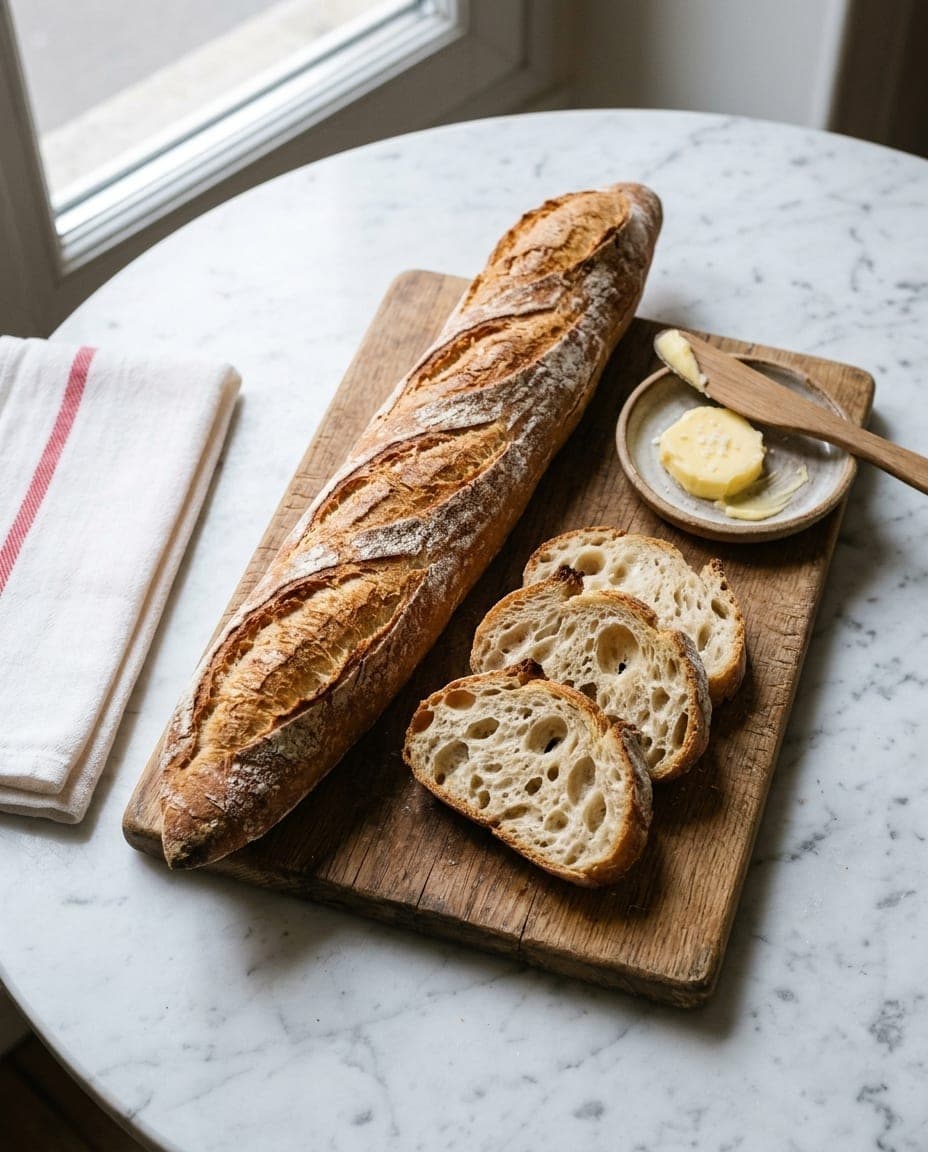
It is usually served with a green salad to cut the richness, and crusty bread is essential for mopping up the last of the sauce from the bottom of the pot. A red wine from Languedoc, such as Minervois or Corbières, pairs well with the dish. Portions are generous, and it is common for diners to share a single pot between two people.
Curious facts
- The name comes from the pot. The word cassoulet derives from the cassole, the deep earthenware dish in which it is baked.
- A holy trinity. Prosper Montagné's comparison of the three towns to the Father, the Son and the Holy Spirit is still quoted across the region.
- The seven breaks. The crust is often said to be broken and pushed back in exactly seven times, though this is a local saying rather than a strict rule.
- A brotherhood and a festival. The Grande Confrérie du Cassoulet de Castelnaudary was founded in 1970 to defend the dish, and the town has held an annual three-day Fête du Cassoulet since 2000.
Where to try it
The best place to eat cassoulet is in the towns that claim its origin, particularly Castelnaudary, where the rivalry is most fierce and the versions are most traditional. Family-run restaurants there often serve the dish as it has been made for generations. Carcassonne offers a version with mutton, while Toulouse is known for its sausage-rich interpretation.
Outside these towns, cassoulet appears on menus across Occitanie, though the quality varies. A small restaurant in the countryside of the Aude or the Tarn may serve a more traditional version than a tourist-focused establishment in a major city. The dish is not something to rush.
Where to try it
2 destinations
 Wine Tasting
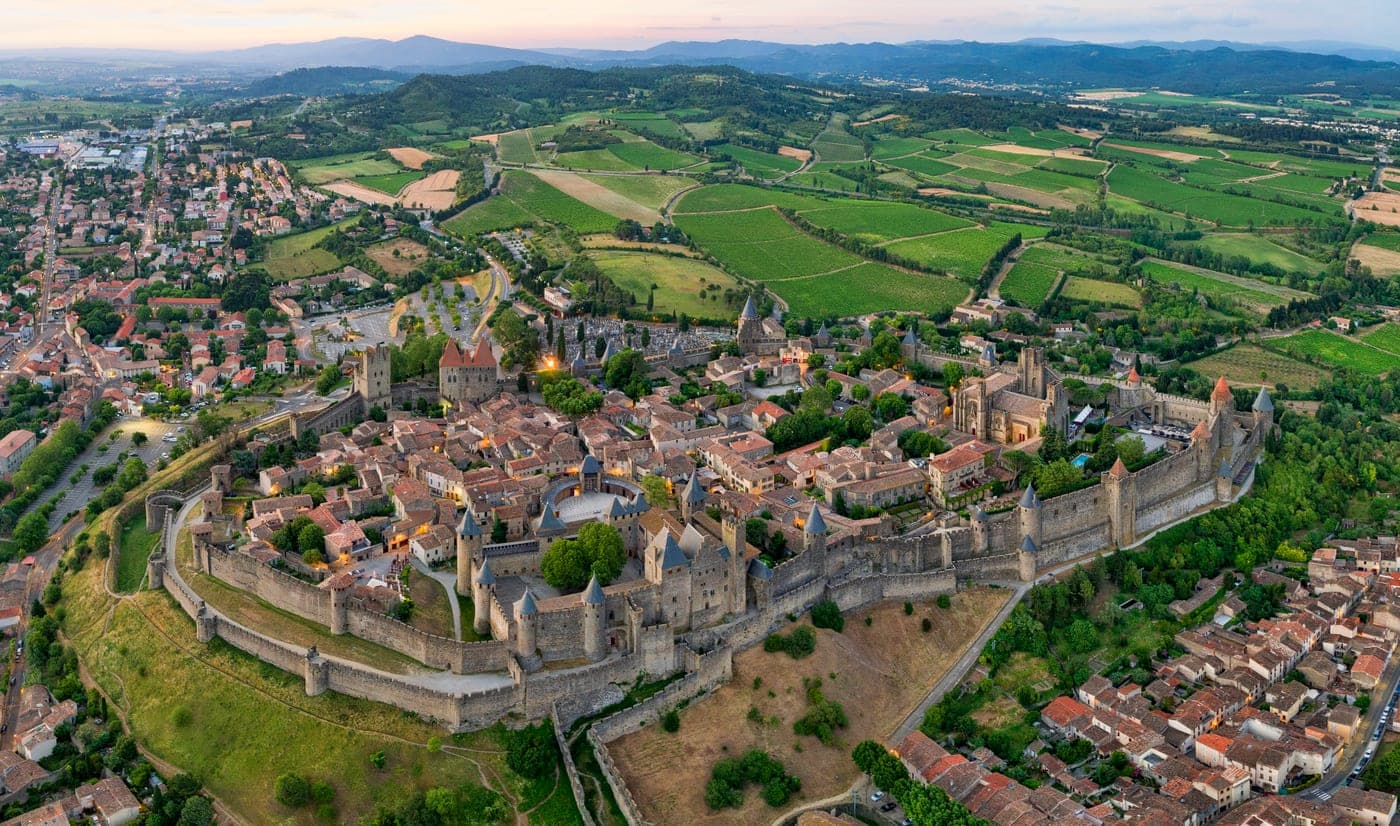
Carcassonne
UNESCO medieval citadel surrounded by Cabardès and Malepère wine regions.
Wine TastingHiking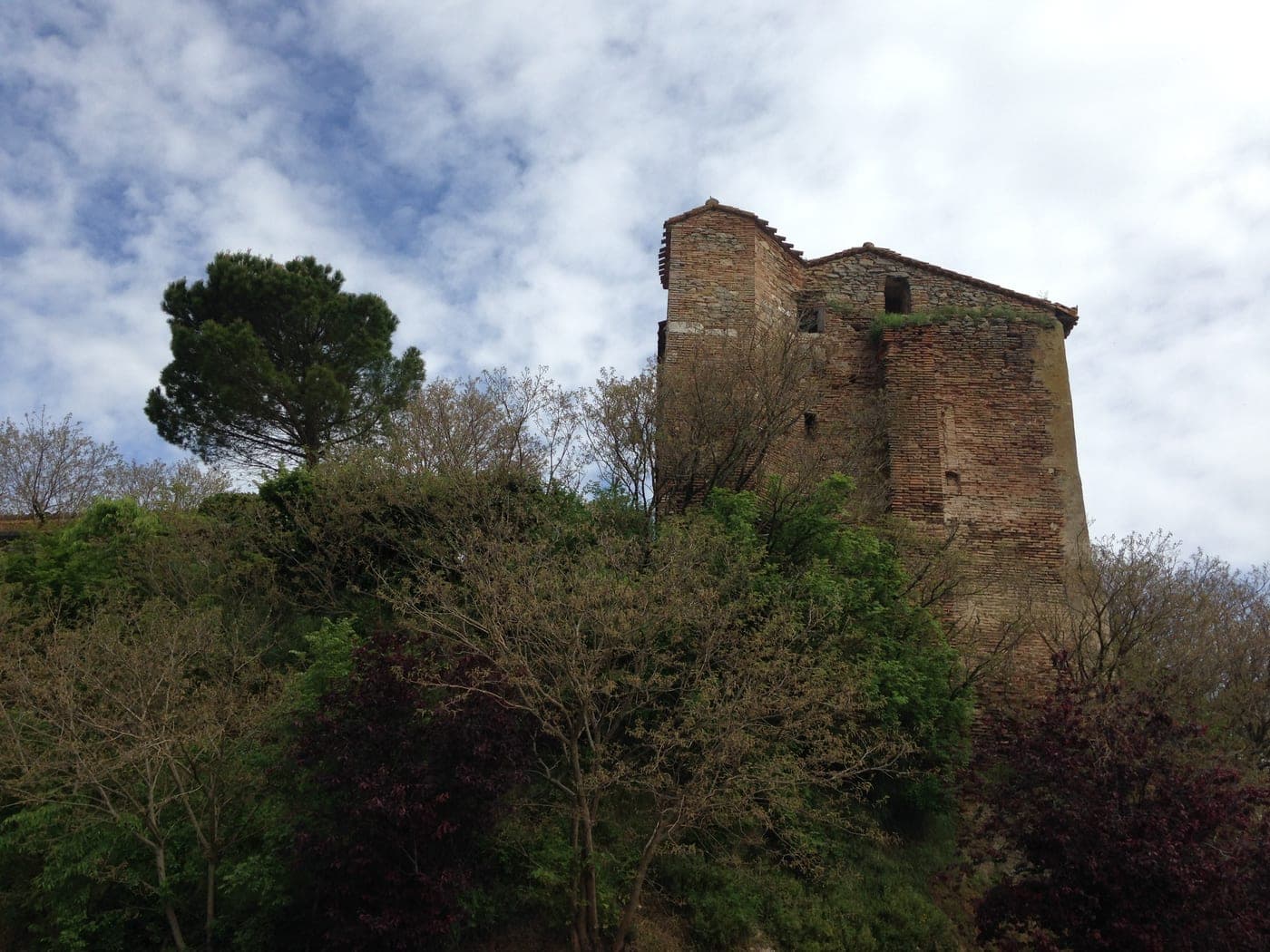 Castles
Puylaurens
Remote Cathar stronghold perched on a rocky peak above the Boulzane valley in the Pyrenean foothills.
CastlesHiking
1 region
 Wine Tasting56 destinations
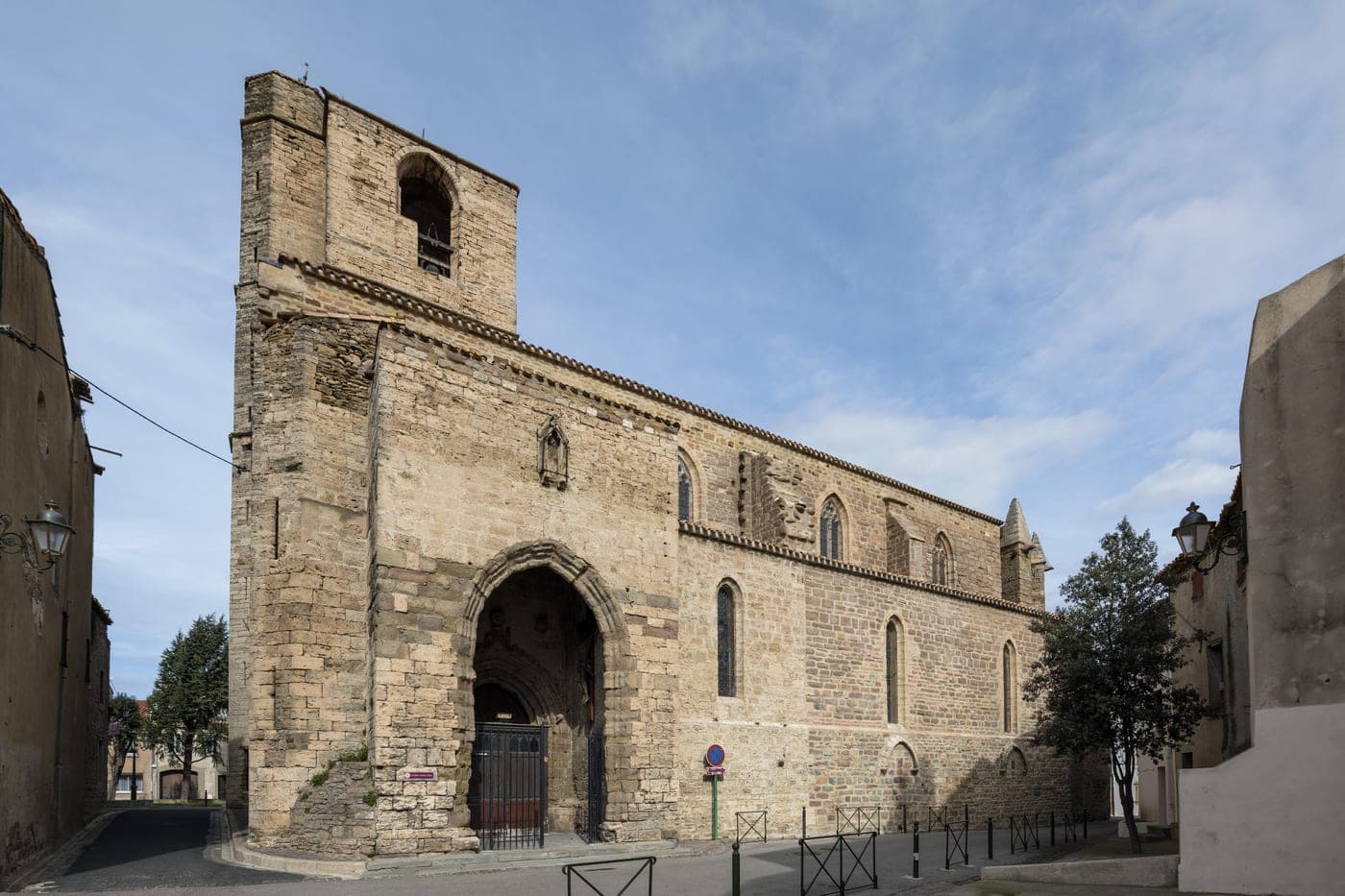
Occitanie
This region is the largest in France and boasts a diverse landscape, including the picturesque Pyrenees mountains and a stunning Mediterranean coastline. Historic cities like Toulouse, known for its pink terracotta buildings, and Montpellier, with its vibrant student life, offer rich cultural experiences. The region is also famous for its wine production, particularly in areas like Languedoc, where unique varietals thrive. Beyond the cities, explore the medieval charm of Carcassonne, a fortified town with a remarkable castle. Occitanie hosts vibrant local festivals celebrating its heritage, and its traditional cuisine features dishes like cassoulet and regional cheeses. With beautiful hiking trails and quaint villages, this region invites leisurely exploration.
Wine TastingHikingCastlesLocal Cuisine