Paški sir (Pag cheese)
Paški sir, the salty, herbal sheep cheese from Pag island
- Local name
- Paški sir
- Served with
- Dalmatian pršut, olives
- Best eaten at
- A Pag island konoba
- Pairs with
- Dalmatian white wine
What it is
Paški sir is a hard sheep's-milk cheese produced exclusively on the island of Pag, off the coast of Croatia, which is split between Lika-Senj and Zadar counties. It is not a national staple like cheddar or mozzarella, but a regional speciality tied to a specific landscape where the sea meets the stone. The cheese has a protected designation of origin status, meaning only cheese made on Pag from the milk of the native Pag sheep raised on the island can bear its name.
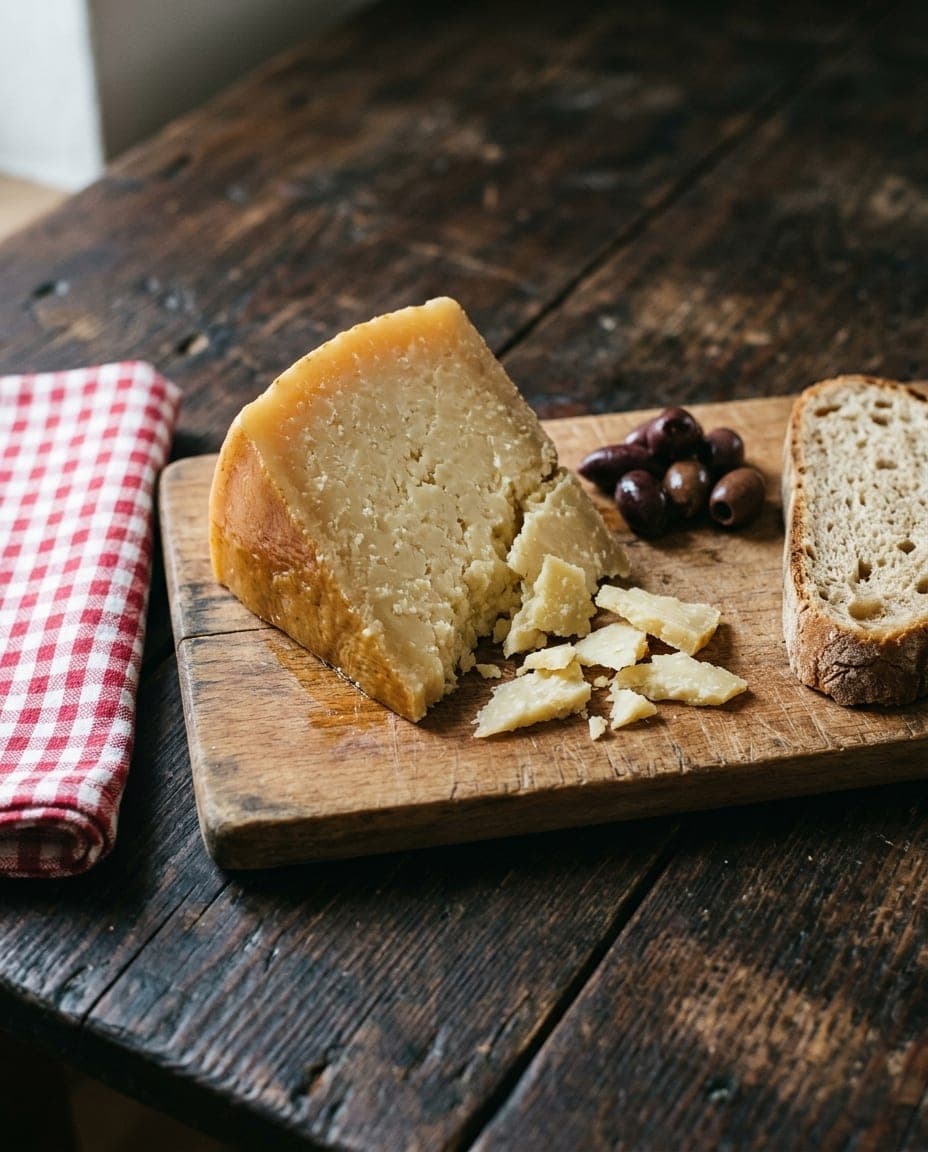
The result is a pale, firm wheel that becomes harder and more crystalline as it ages. It is not soft or spreadable; instead, it breaks into sharp shards or crumbles under the knife. The flavour is distinctive: intensely salty, with a clear herbal note of wild thyme, sage and immortelle, followed by a lingering warmth that feels like the sea breeze itself. This character comes directly from the island's unique environment rather than any added ingredient.
How the island makes the cheese
The taste of Paški sir is defined by the geography of Pag. The island is long, narrow and stony, exposed to the strong northeasterly wind known as the bura. This wind carries sea spray and salt across the dry soil, where low-growing aromatic plants thrive in the salt-laden earth. The sheep graze almost entirely on these herbs, which imbue the milk with a sharp, herbal intensity that cannot be replicated elsewhere.
The sheep themselves are a small native breed adapted to the harsh conditions of the island. They produce relatively little milk compared to mainland breeds, which limits the output and keeps the price higher than standard cheeses. The milk is curdled soon after milking, pressed into wheels of a few kilos and salted in brine made with sea salt from the Pag salt pans. The wheels are then aged in cool rooms on the island for at least two months, and often a year or more.
During the aging process, the wheels are regularly turned and rubbed with olive oil or another vegetable oil to prevent cracking and encourage the development of a natural rind. As time passes, the paste hardens further, developing visible tyrosine crystals that add a subtle crunch to the texture. The longer it ages, the sharper and more complex the flavour becomes, losing its initial mildness for a bold, salty bite.
What goes into it
Cheese from this island needs almost nothing added:
- Sheep's milk from the native Pag breed, fed exclusively on island pastures rich in aromatic herbs and salt-laden soil.
- Salt, sea salt from Pag's own salt pans, used in the brine the young wheels are soaked in.
- Olive oil (or another vegetable oil), applied to the surface of the wheels during aging to protect the rind and aid development.
- Rennet, to set the milk.
- Time, as the cheese matures from a semi-hard texture in its first few months to a hard, crystalline block after a year or more.
There is no artificial colouring or preservative added. The pale yellow hue comes naturally from the milk, and the sharpness is a result of the aging process and the specific flora consumed by the sheep. A young Paški sir is milder and creamier, while an aged version is hard, crumbly and intensely flavoured.
How it is eaten
Paški sir is rarely served as a standalone item on a plate. It belongs to the tradition of meze, small plates meant for sharing alongside wine or rakija. The most common way to enjoy it is in thin shards or slivers, often arranged on a wooden board with slices of pršut, the Dalmatian dry-cured ham.
Olives are another essential companion, their brine cutting through the saltiness of the cheese and the fat of the ham. A glass of Dalmatian white wine is the traditional pairing; the crisp acidity of varieties like Pag's own Gegić or Pošip from further south balances the fat of the aged cheese and the salt of the sea breeze.
In a Pag konoba it sometimes comes with honey to soften the edge, though the usual plate is ham, olives and wine. The texture invites slow chewing; the crystals in an aged wheel provide a satisfying contrast to the smooth fat of the pršut.
A taste of the bura wind
The connection between the cheese and the island's weather is so strong that locals often say the cheese tastes like the wind itself. The salt carried by the bura does not just coat the grass; it alters the chemistry of the plants, which in turn changes the composition of the milk. This environmental imprint is why the protected name cannot be used off the island, even if the same breed of sheep and the same methods are used elsewhere.
The cheese has long been a source of pride for the islanders, who have made it for centuries. Today much of it comes from a few larger island dairies alongside small family producers, ensuring that the link between the pasture and the plate remains intact. The cheese is often sold at local markets in Pag town and Novalja or directly from the farm, where the wheels are displayed in rows, their rinds dusted with salt and oil.
Curious facts
- The wind is an ingredient. The bura wind blows sea salt onto the pastures, which the sheep eat, giving the milk its unique saline character.
- Small yields. The native Pag sheep produce relatively little milk, making Paški sir one of the more expensive cheeses in Croatia due to limited supply.
- Crystalline texture. An aged wheel develops tyrosine crystals, small white specks that add a crunchy texture and intensify the flavour.
- Protected status. It has held EU protected designation of origin status since 2019, meaning it must be made on Pag from the milk of Pag sheep raised on the island.
- A shared tradition. The cheese is traditionally eaten with Dalmatian pršut, the classic pairing on any coastal cheese-and-ham board.
Where to try it
The only place to find authentic Paški sir is on the island of Pag itself. In Pag town and Novalja, the island's two towns, and in villages such as Kolan, it sits in the windows of the small dairies and konobas. Domaći sir on a sign means the farm made it, and the island breed is what gives the cheese its character.
The protected name covers only cheese made on the island from island milk. The farms around Kolan and Novalja keep their sheep on the stony, salt-blown ground the cheese is said to come from.
Where to try it
1 destination
 Boat Rentals
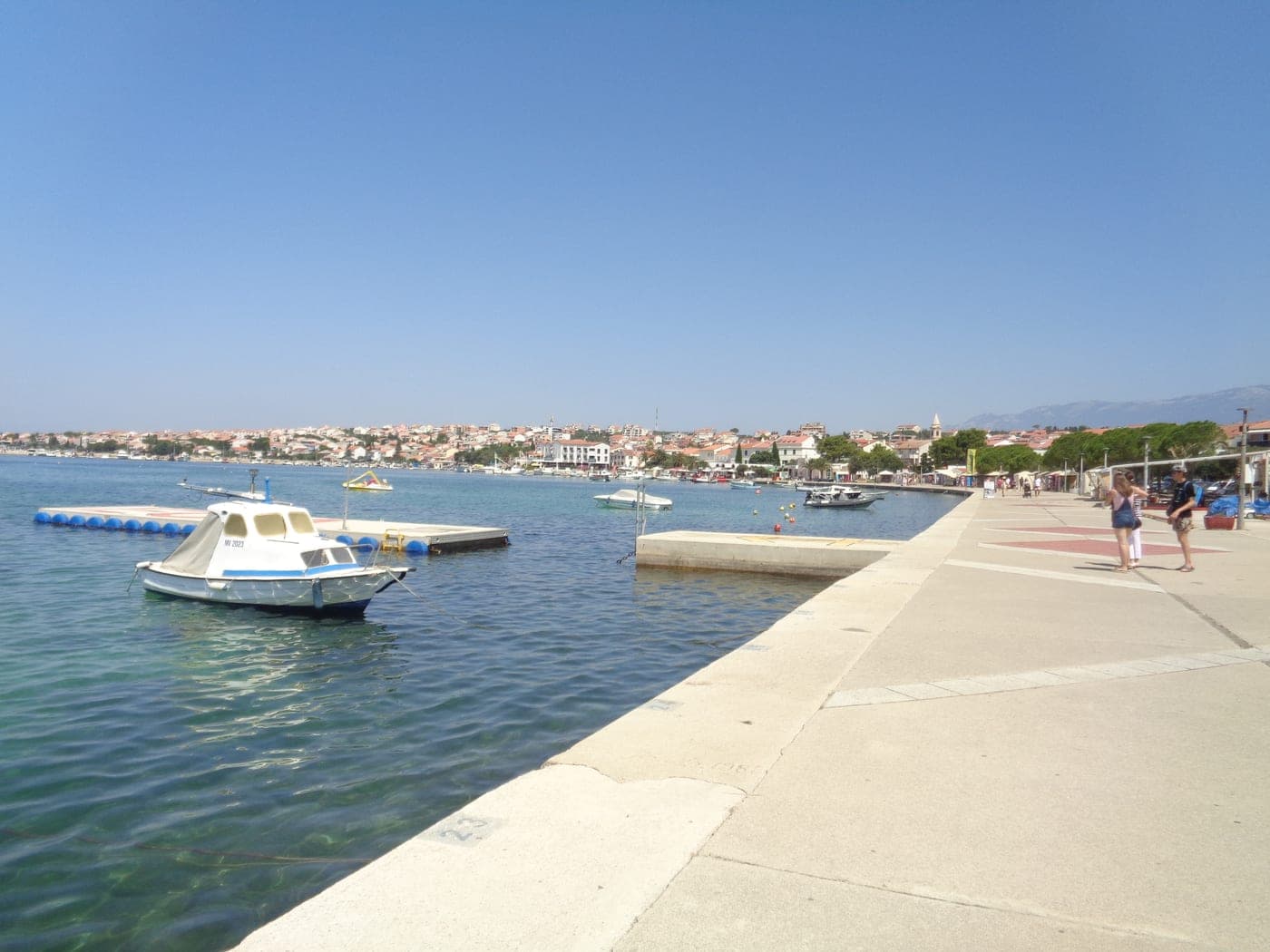
Novalja
Pag island town known for Zrce beach parties and traditional cheese.
Boat RentalsHiking
2 regions
- Boat Rentals1 destination
Lika-Senj
Lika-Senj is Croatia's largest region, known for its stunning natural landscapes, including the Velebit mountains and the Plitvice Lakes National Park, a UNESCO World Heritage site famous for its cascading lakes and waterfalls. The region has access to the Adriatic coastline, offering unique opportunities for both mountain and sea experiences. Towns like Gospić showcase local culture through traditional cuisine and folklore, while Senj is known for its historical fortresses and the ancient Nehaj Castle. Rich in biodiversity, Lika-Senj is also a haven for outdoor activities such as hiking, cycling, and wildlife observation, making it ideal for those who appreciate untamed nature and local heritage.
Boat RentalsHiking  Boat Rentals2 destinations
Zadar
Zadar is a coastal city in Croatia, known for its rich history and stunning architecture. It features Roman ruins, medieval churches, and vibrant street life. The region encompasses several islands, including Ugljan and Pašman, offering secluded beaches and hiking trails. Zadar is home to the unique Sea Organ, an architectural marvel that plays music through the sea waves. The city is the oldest continuously inhabited city on the Croatian mainland, with roots dating back to the Roman Empire. Beyond the city, the nearby National Parks of Krka and Paklenica showcase diverse landscapes, perfect for nature lovers. Zadar's local cuisine highlights fresh seafood and traditional pastries, making it a culinary gem in the region.
Boat RentalsHiking