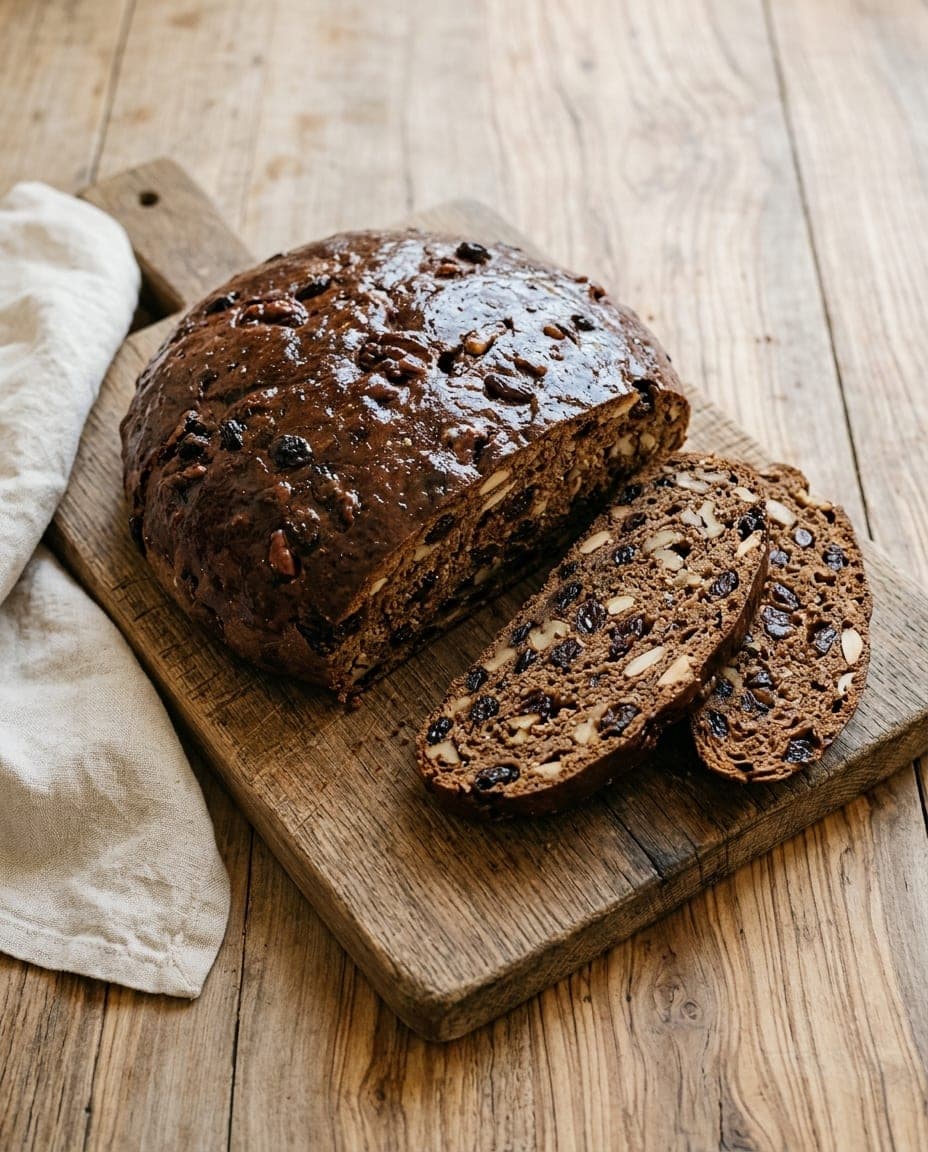
Crni rižot (black risotto)
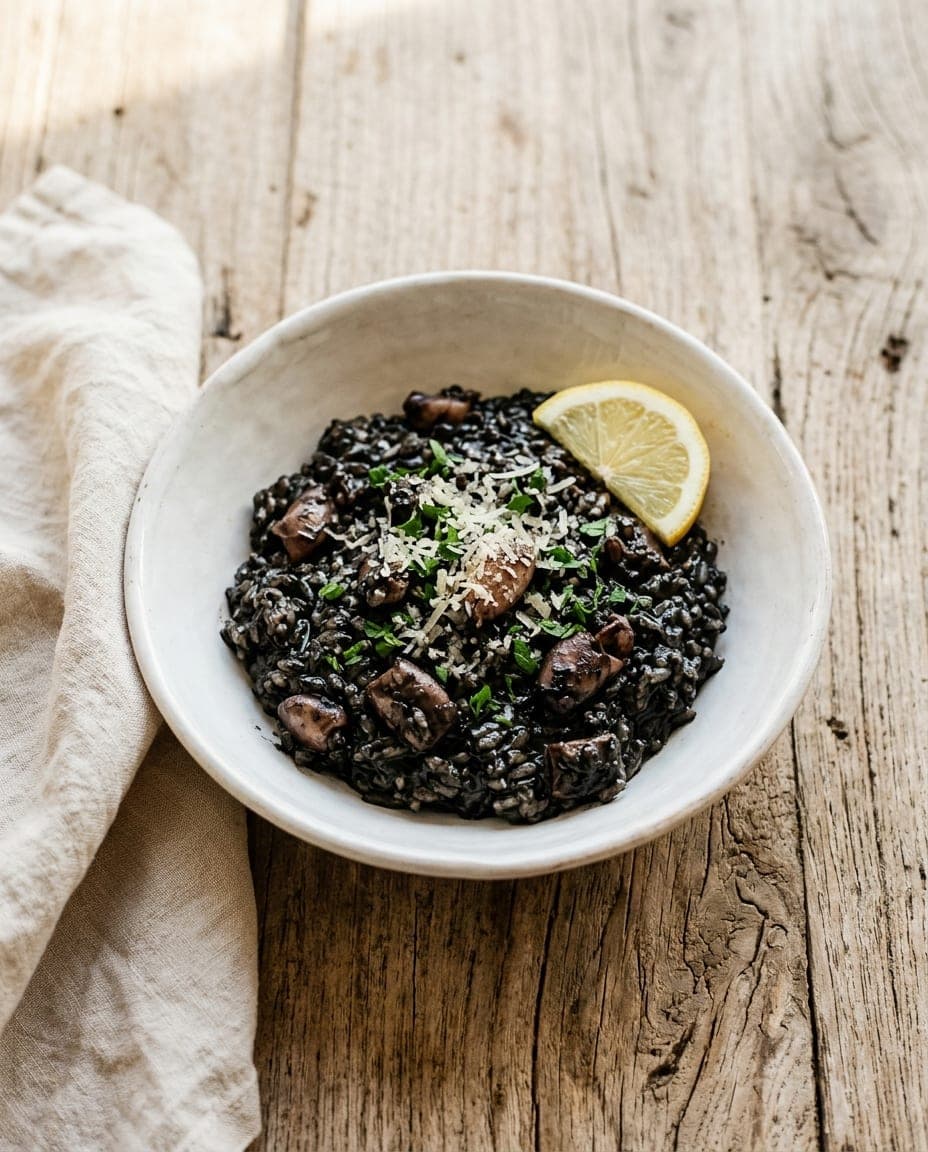
Cuttlefish risotto dyed black with its ink
- Local name
- Crni rižot
- Best eaten at
- A Dalmatian konoba
- Pairs with
- Pošip white
What it is
Crni rižot, or black risotto, is one of the most striking dishes of the Croatian coast. It is a creamy rice preparation where the grains are dyed a deep, uniform jet-black by the ink of cuttlefish. It is a speciality of the Dalmatian coast, around Split and the islands in particular, though today it appears on menus all along the Adriatic and in seafood restaurants across Croatia.
Crni rižot derives its dark hue from the ink sac of the cuttlefish (or, in some kitchens, squid) used in the cooking process. It comes out almost black, and tastes briny and faintly sweet. It is often described as having a clean ocean taste rather than the heavy fishiness associated with some seafood dishes.
The appearance of the dish is its most memorable feature. The rice grains absorb the ink so thoroughly that they stain the lips and teeth for some time after eating. This staining is not considered a flaw but part of the experience.
The origin of the black colour
The tradition of using cuttlefish ink in cooking is long-standing along the Adriatic coast, where fishermen have long used every part of their catch. In the case of crni rižot, the ink is not an added flavouring but a natural component of the fish itself. A proper version is made with whole fresh cuttlefish, whose ink sacs are removed during cleaning and stirred into the pan while the rice cooks.
This method dates back to a time when waste was rare in coastal kitchens. The practice of cooking rice with the ink of the catch became a way to turn a humble ingredient into a feast. Similar black rice dishes exist across the Mediterranean, from the Venetian risotto al nero di seppia to the Spanish arròs negre.
The dish reflects the broader philosophy of the region's cuisine, where rice serves as a vehicle for whatever the boats bring in. In Dalmatia, the availability of fresh cuttlefish determines the quality of the risotto; when it is scarce, many kitchens fall back on squid or bought ink.
What goes into it
The list is short and the balance is the hard part. The base is usually Arborio or a similar short-grain rice that can absorb liquid without losing its texture. The cuttlefish provides both the meat and the ink, along with garlic, olive oil, white wine and a touch of tomato for acidity. Fresh parsley is often added at the end.
- Fresh cuttlefish, cleaned and crushed to release the ink sac into the pan.
- Short-grain rice, such as Arborio, which absorbs the ink and stock evenly.
- Garlic and olive oil, forming the aromatic foundation of the dish.
- White wine, usually a local variety, to deglaze the pan and add acidity.
- Fresh parsley, stirred in or scattered over at the end.
The final touch is where Dalmatian cooks disagree. Some finish the risotto with a spoonful of grated cheese, often Parmesan or a hard local sheep's cheese, while others insist that cheese has no place on seafood. This division is one of the few points of contention in a dish otherwise defined by its unity of flavour.
How it is eaten
Crni rižot is almost always served as a main course in a konoba, a traditional Dalmatian tavern often characterised by stone walls, wooden tables and a family-run atmosphere. It is also a fixture on the menus of seafood restaurants all along the coast.
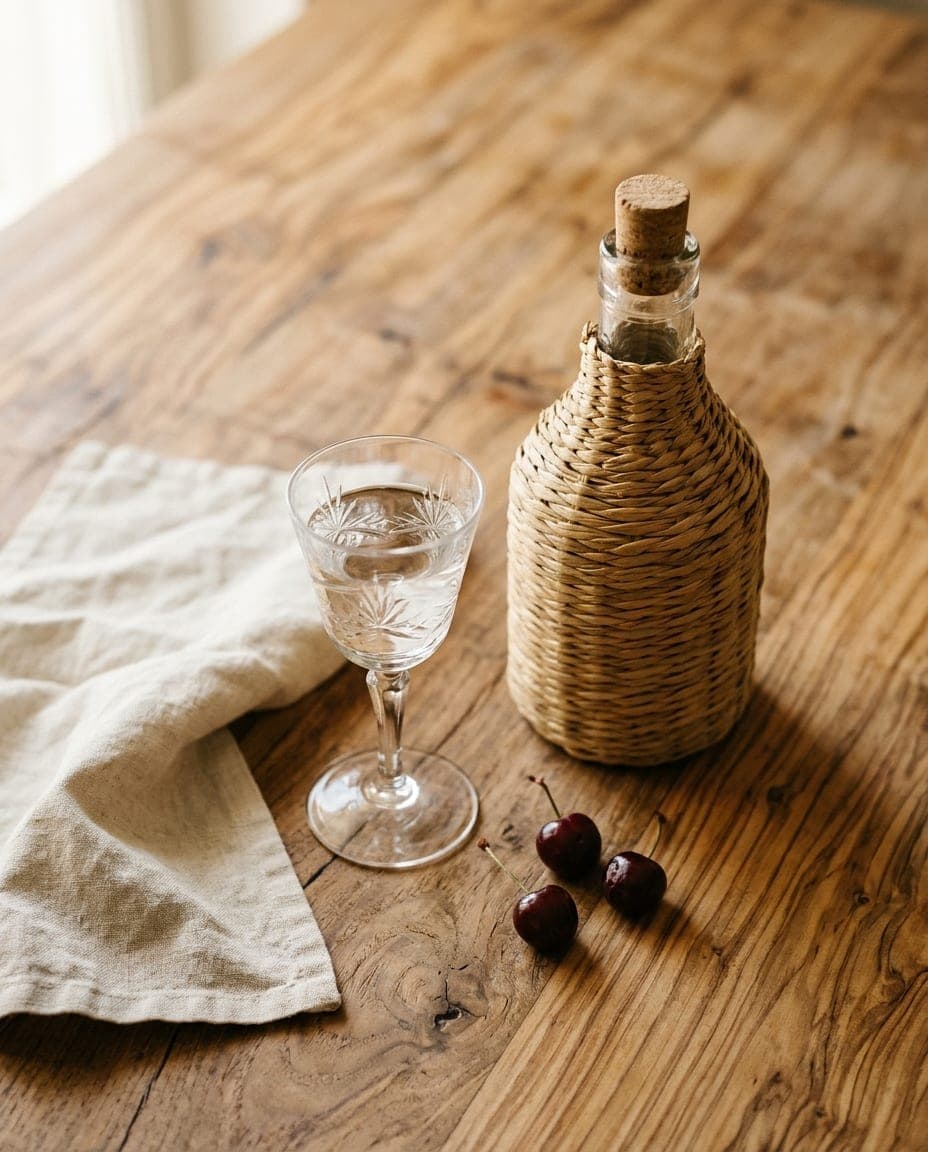
The risotto is plated in shallow bowls or wide plates to showcase the deep black colour, often against a white plate. A glass of Pošip, a dry white wine from the island of Korčula, is a popular companion, its crisp acidity balancing the richness of the dish.
Diners eat it with a fork or spoon, and stained lips are inevitable. Many locals eat the dish with a slice of bread to mop up the remaining sauce, though the rice itself is substantial enough to stand alone. The texture should be creamy but not soupy, with each grain holding its shape while absorbing the ink.
Curious facts
- The stain is part of it. The ink colours teeth, tongue and lips, and nobody at the table minds.
- Cheese divides the coast. While some kitchens finish the risotto with grated cheese, others refuse to serve it on seafood, viewing the combination as a clash of traditions.
- Fresh catch is best. Purists insist the ink come from freshly caught cuttlefish; packaged ink is a common shortcut but is held to lack the same depth of flavour.
- A coastal speciality. Crni rižot is rooted in Dalmatia but has spread along the whole Croatian coast and onto menus inland.
- The wine match. Pošip from Korčula is a popular pairing, its floral notes cutting through the briny richness of the cuttlefish ink.
Where to try it
The best place to eat crni rižot is a traditional konoba in the Split-Dalmatia region, particularly around the city of Split and on the nearby islands. These establishments are often family-run, with stone walls and a focus on local produce. Bottled ink and no fresh cuttlefish is the shortcut to watch out for.
The menus worth trusting name the cuttlefish. The dish is available year-round, though it is at its peak when the local catch is abundant. A glass of Pošip goes beside it, and the ink stains teeth and lips for a while afterwards.
Where to try it
1 region
 Boat Rentals4 destinations
Split-Dalmatia
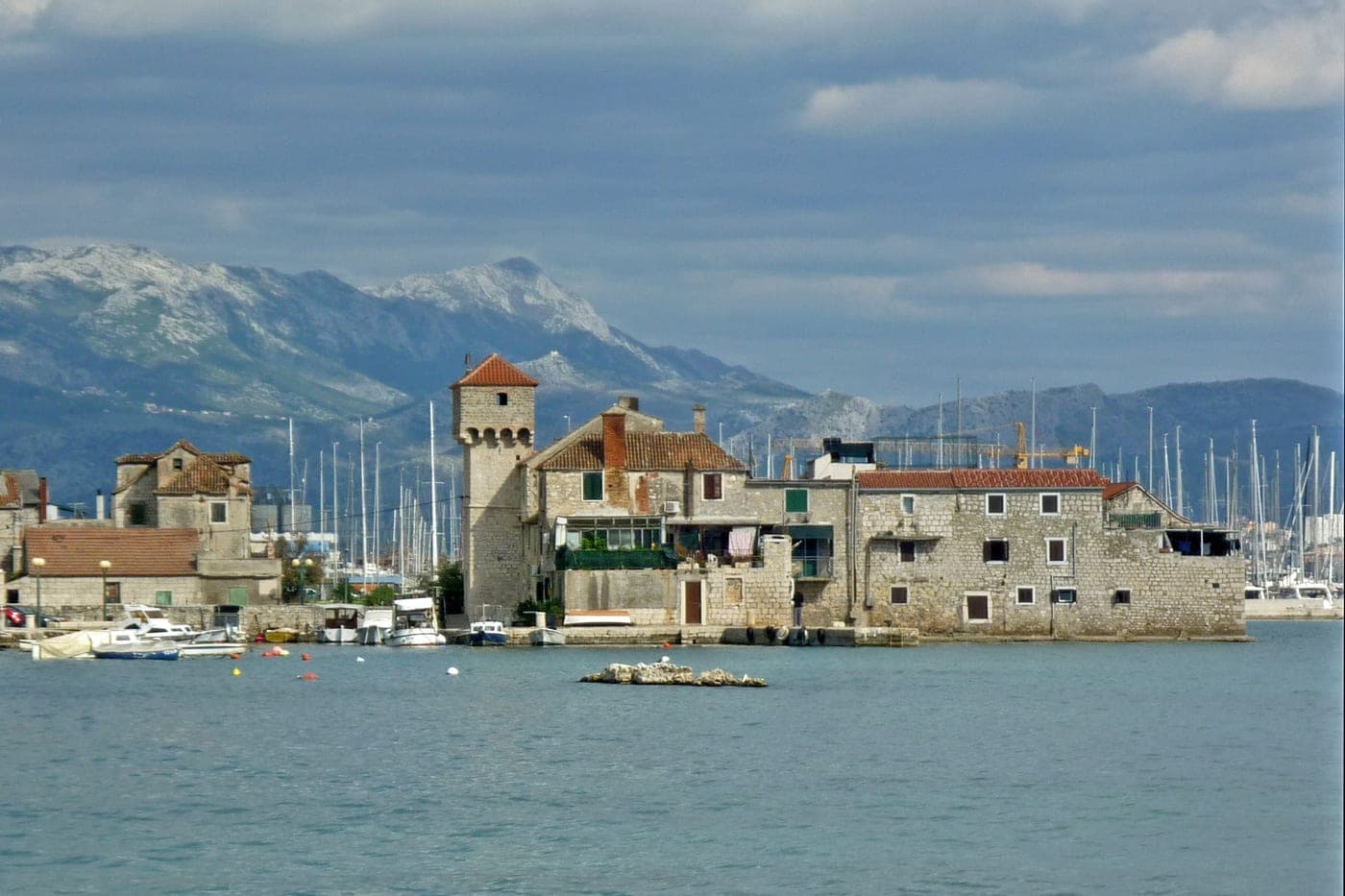
Split-Dalmatia is the largest county in Croatia, known for its stunning coastline along the Adriatic Sea. The city of Split, with its UNESCO-listed Diocletian's Palace, serves as the region's cultural heart. Beyond the city, the county boasts lesser-known gems like the historic town of Trogir, famous for its medieval architecture, and the serene islands of Hvar and Brač, known for their local wines and olive oil. Nature lovers can explore the rugged beauty of the Biokovo Mountain range or the hidden coves along the coast. This region is rich in traditional gastronomy, featuring fresh seafood, local cheeses, and the unique wines of the Dalmatian hinterland. Festivals such as the Split Summer Festival showcase local arts and culture, providing an authentic glimpse into life here.
Boat RentalsHiking