Maraschino
A clear cherry liqueur from Zadar
- Alcoholic
- Local name
- Maraskino
- Served
- Neat, small glass, as digestif
- Best eaten at
- A Zadar café
- Pairs with
- Dark chocolate or fruit desserts
What it is
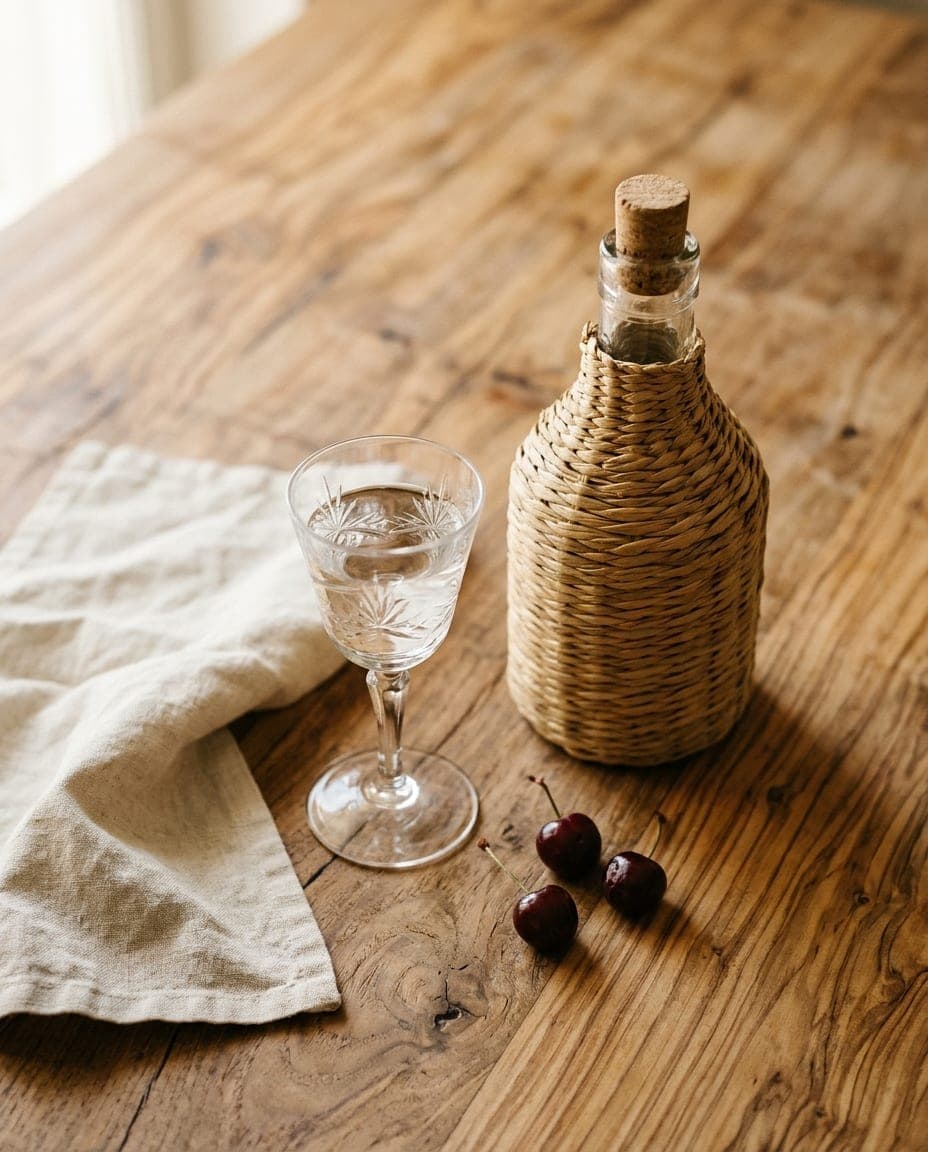
Maraschino is a clear cherry liqueur made in the Croatian city of Zadar, on the Dalmatian coast. It is not the sweet, bright-red syrup often found in bars elsewhere; that is a different product entirely. This liqueur is colourless, only moderately sweet and intensely aromatic, carrying the sharp scent of the Marasca cherry alongside a distinct note of bitter almond. The drink comes from the fruit itself, its leaves and the crushed stones, which are essential to the process and provide the characteristic nutty undertone.
Tradition traces the recipe to Zadar's Dominican monastery in the 16th century, and industrial production began in 1759, when the Venetian merchant Francesco Drioli opened a factory in the city. From the early 19th century it was shipped across Europe in straw-covered bottles, a detail that helped preserve its quality during long sea voyages. By the 19th century, the spirit had become a staple in cocktail books and taverns from Vienna to London, known to bartenders around the world even as the name of its home city remained less familiar to many outsiders.
The Marasca cherry and the stones
The soul of this drink is the Marasca cherry, a small, sour variety that grows wild along the Dalmatian coast. Unlike the large, sweet cherries used for jams or desserts, these fruits are tart and dark-skinned. The production method uses every part of the harvest: the flesh, the leaves and the crushed pits. It is the crushed stones that separate this liqueur from others, infusing it with a subtle almond flavour that lingers on the palate after the initial fruit sweetness fades.
The fruit, leaves and stones are first steeped in alcohol, then distilled; the distillate is rested in wooden vats and finally sweetened with sugar syrup, which brings it down to around 32% alcohol. No colour is added. The result is a liquid that looks like water but carries a complex, sharp perfume, and the combination of fruit, leaves and stones creates a specific aromatic profile that cannot be replicated without them.
How it was made through the centuries
Before it became an industry, Maraschino was made on a small scale in Zadar, by tradition first by the Dominican friars, who are said to have valued it as a remedy. The small cherries ripen in early summer, and distilling them into a liqueur kept the harvest for years. The drink became a local staple, often consumed after meals or as a cold refreshment during the hot Dalmatian summers.
By the 18th century, production had moved into commercial distilleries in Zadar: Drioli in 1759, Luxardo in 1821 and Vlahov in 1861. These distillers shipped their wares in straw-covered bottles to protect the glass from breakage and to insulate the liquid from temperature changes during transport. The straw wrapping became a visual signature of the drink, marking it as a product of Dalmatia even when it arrived in distant cities.
The spirit found its way into European cocktail culture long before modern tourism brought attention to Zadar. Bartenders in the 19th century used it in classic drinks, valuing its aromatic depth. It was a key ingredient in recipes that wanted a cherry-and-almond perfume rather than the cloying sweetness of red cherry cordials.
How to drink it
Maraschino is traditionally served neat in a small glass, chilled until the liquid is cold but not frozen. This presentation highlights its clarity and allows the aroma to rise directly to the nose. It is most often drunk as a digestif, in a small glass after a meal. The drink is not meant to be sipped quickly; the cool temperature and the balance of fruit and almond notes invite slow tasting.
It pairs well with dark chocolate, where the bitterness of the cocoa complements the fruit of the liqueur. It also sits comfortably alongside fruit desserts, particularly those featuring cherries or berries, as the spirit cuts through the sweetness of the dish. Some people enjoy it over ice cream, though the traditional preference is neat and cold.
Where it comes from
Zadar has been the home of Maraschino for centuries. After the Second World War the city's distilleries were nationalised and merged, and one of the old houses moved to Italy, so the name is now used on both sides of the Adriatic, but the method and the cherry belong to the city, and "Zadarski maraschino" is now a protected geographical indication for spirit drinks. While other regions may produce cherry spirits, none use the specific combination of Marasca cherries, their leaves and the crushed stones in the same way. The climate of the Dalmatian coast, with its hot summers and mild winters, is ideal for growing the small sour cherries that define the drink.
Marasca orchards are still worked in the Zadar hinterland and elsewhere in Dalmatia, supplying the cherries for the liqueur, which today is distilled in Zadar on a factory scale rather than in small home batches.
Curious facts
- The straw bottle tradition. Since the early 19th century, the drink was shipped in bottles wrapped in straw to protect them from breakage and temperature shifts during sea travel across Europe.
- Clear, not red. Unlike many cherry liqueurs that are red and syrupy, Maraschino is clear and aromatic; it is sweetened, but its distilled base gives it a finish closer to a fruit brandy than a dessert drink.
- The almond note comes from the pits. The crushed stones of the Marasca cherry release oils that give the spirit its characteristic bitter-almond flavour, a note missing from the red, syrupy cherry liqueurs.
- A 19th-century cocktail staple. By the 1800s, Maraschino was a common ingredient in European cocktail books, used for its perfume and depth rather than its sweetness.
- A local secret. While known to bartenders worldwide, the city of Zadar remains less familiar to many visitors who encounter the drink in bars far from the Dalmatian coast.
Where to try it
Zadar. The liqueur was first made and exported from the city, and the bars and cafés of the old town inside the Venetian walls still pour it — neat in a small glass, or over ice with a slice of lemon. Shops along Kalelarga, the main street, sell the straw-wrapped bottles.
It is stocked across Croatia and in bars abroad that keep a classic cocktail list, where it turns up in drinks that have called for it since the 19th century rather than as a local curiosity.
Where to try it
1 destination
 Boat Rentals
Biograd na Moru
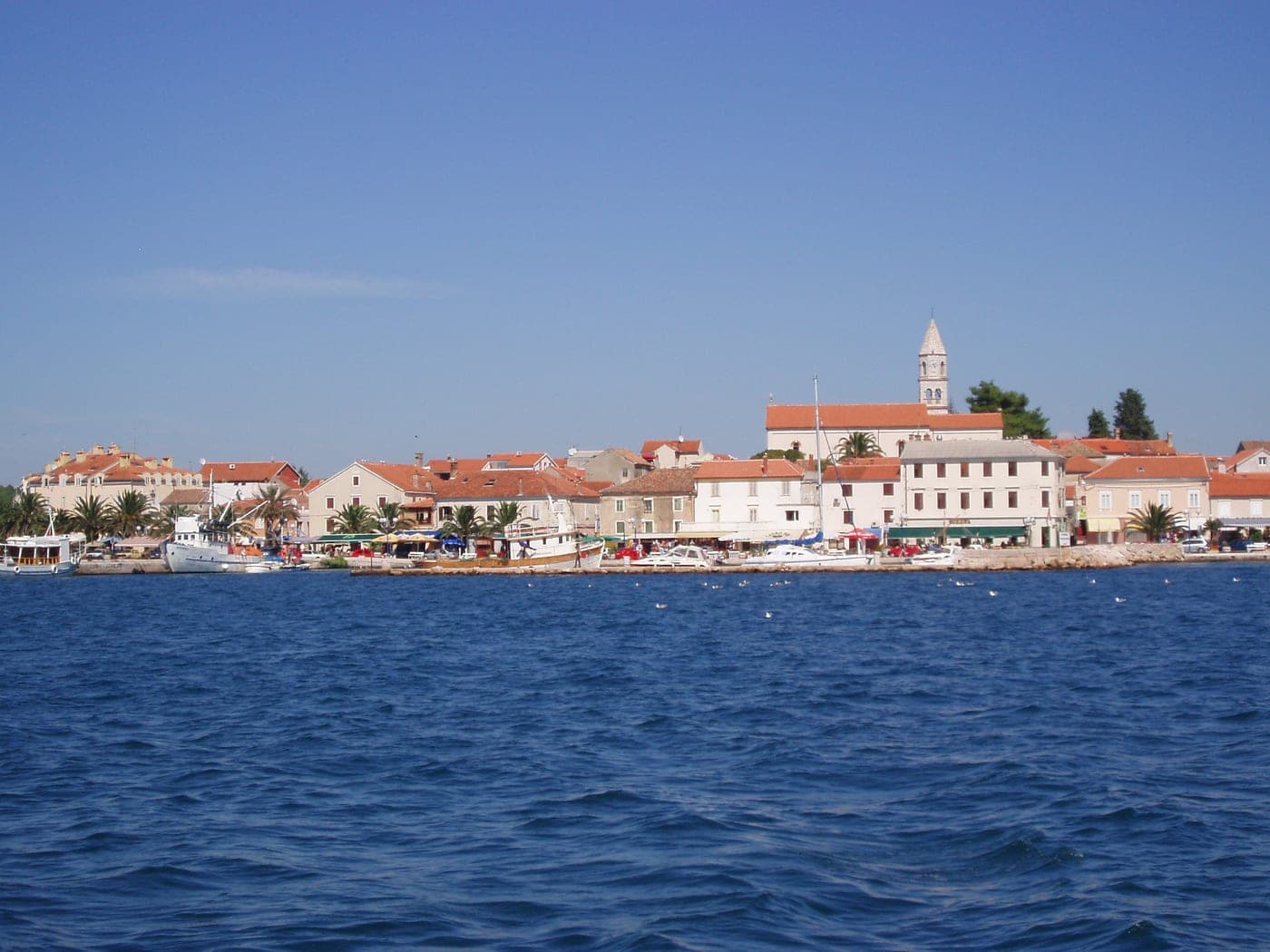
Coastal town with large marina and excellent boat rental facilities for exploring the Adriatic.
Boat RentalsHiking
1 region
- Boat Rentals2 destinations
Zadar
Zadar is a coastal city in Croatia, known for its rich history and stunning architecture. It features Roman ruins, medieval churches, and vibrant street life. The region encompasses several islands, including Ugljan and Pašman, offering secluded beaches and hiking trails. Zadar is home to the unique Sea Organ, an architectural marvel that plays music through the sea waves. The city is the oldest continuously inhabited city on the Croatian mainland, with roots dating back to the Roman Empire. Beyond the city, the nearby National Parks of Krka and Paklenica showcase diverse landscapes, perfect for nature lovers. Zadar's local cuisine highlights fresh seafood and traditional pastries, making it a culinary gem in the region.
Boat RentalsHiking