Dubrovačka rozata (custard pudding)
A rose-scented caramel custard from Dalmatia
- Vegetarian
- Local name
- Dubrovačka rozata
- Best eaten at
- A Dubrovnik konoba
- Pairs with
- Prošek dessert wine
What it is
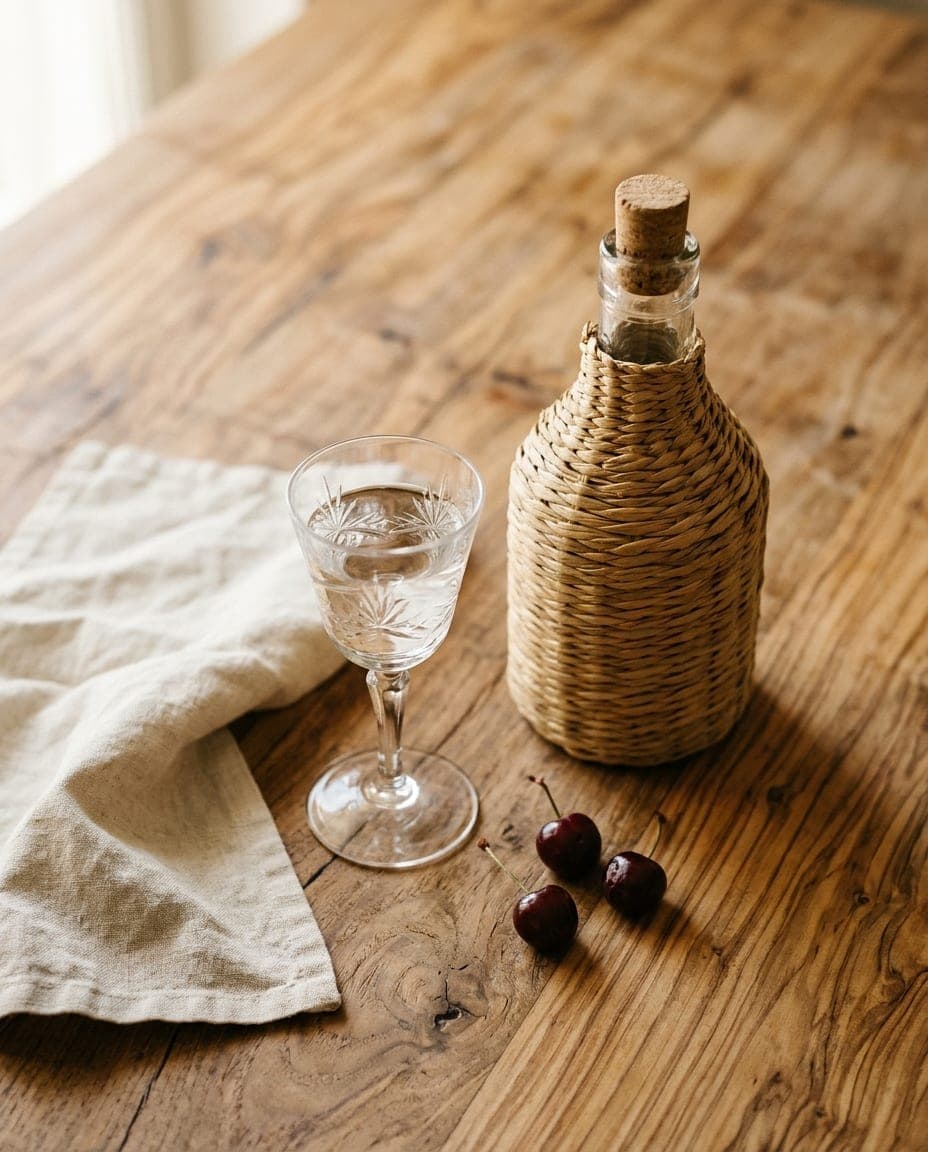
Dubrovačka rozata is the definitive sweet of Dubrovnik, a baked caramel custard that combines the simplicity of eggs and milk with the delicate aroma of roses. It belongs to the same family as the Spanish flan or French crème caramel, yet it carries a distinct identity through its use of rozalin, a liqueur made from rose petals, sugar and grape brandy. This local spirit is the defining element that separates the dish from any other version of custard found across Europe.
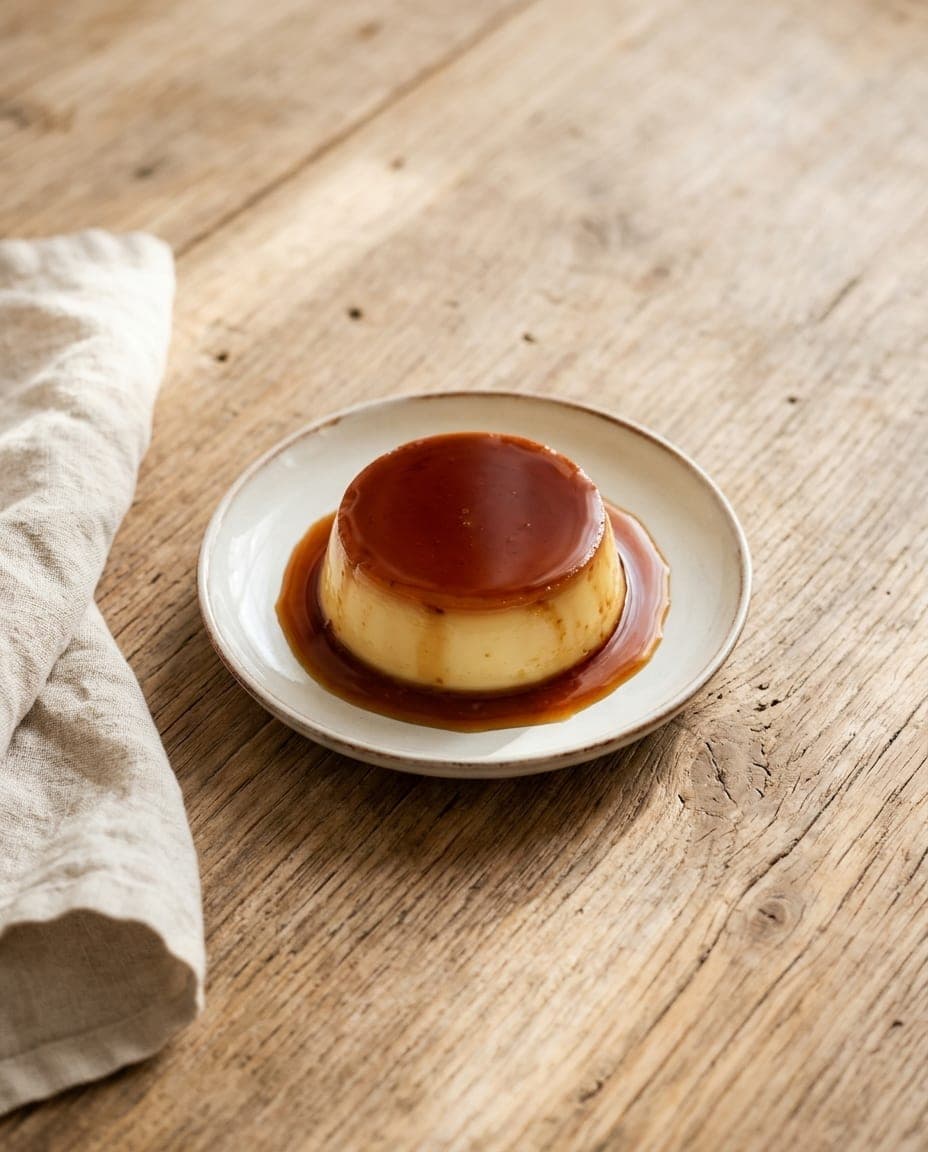
The pudding is baked in individual moulds or one large mould lined with caramel. Once set, it is turned out onto a plate so that the golden syrup flows down the sides and pools around the base. The texture is firm enough to hold its shape when sliced, yet soft and creamy within. It is served chilled, especially welcome in the summer heat where the cool custard and sweet sauce provide relief from the Dalmatian sun.
The history of rose and custard
The dish has deep roots in the culinary traditions of Dubrovnik, where it is said to have been made since the Middle Ages. While the exact moment of its invention is lost to time, the sugar and spices it relies on reflect the city's long history as a maritime trading republic connected with the wider Mediterranean.
Rose liqueurs of this kind were long made at home in Dalmatia and drunk as a cordial. Over time, this local spirit was incorporated into the custard, transforming a simple baked egg dish into a regional speciality. The recipe likely evolved alongside the city's other sweet treats, such as fritule and prženice, though it remains most closely tied to the Dubrovnik area, even if versions are now served across Dalmatia.
In the surrounding villages of the Dubrovnik-Neretva region, particularly in Cavtat, the tradition persists with little variation. The custard is considered a marker of local identity, something that should be eaten where it was made. Outside these areas, and in cheaper tourist kitchens, versions often appear without the rose liqueur, relying on vanilla alone, losing the specific character that defines the original.
What goes into it
The ingredients are straightforward, relying on the quality of each component rather than complex techniques. A proper version contains:
- Eggs, which provide the structure and richness of the custard.
- Milk, usually full-fat, often infused with lemon peel and sometimes vanilla.
- Sugar, used both in the caramel lining and mixed into the custard base.
- Rozalin, the rose liqueur from Dubrovnik, which imparts a floral aroma and a subtle sweetness.
- Caramel, created by melting sugar until it turns amber, then poured into the moulds before the custard is added.
The mixture is poured into the caramel-lined moulds and baked in a water bath to ensure even cooking without curdling. The result is a firm set that releases easily from the mould when inverted. Lemon peel and vanilla are common supporting flavours, but they remain secondary to the rose note.
How it is eaten
Dubrovačka rozata is almost always served as the final course of a meal, after savoury dishes have been cleared. It is presented cold, often in a shallow bowl or on a small plate where the caramel sauce spreads around the base of the custard. The texture should be firm enough to cut with a spoon yet soft enough to yield easily under pressure.
It pairs naturally with Prošek, a sweet dessert wine from Dalmatia made from dried grapes. The wine's dried-fruit sweetness complements the floral notes of the rose liqueur. In a traditional setting, such as a konoba in the old city or a tavern in Cavtat, the pairing is standard practice.
When made in one large mould, it is sliced and shared at the table, each portion getting its share of the caramel that pools on the plate. It is common to sip the wine alongside the custard, allowing the floral and sweet notes to linger on the palate after the meal ends.
Curious facts
- A local spirit defines it. Without rozalin, the dish loses its Dubrovnik character and becomes a generic caramel custard found elsewhere in Europe.
- The caramel is part of the experience. The sauce is not just a topping; it is integral to the dish, pooling around the base as the custard is turned out.
- A Dubrovnik signature. While rožata is served across Dalmatia, the rose-flavoured version is most closely associated with Dubrovnik and its surroundings.
- A cold treat for summer. The dish is particularly popular in the warm months, where the cool custard offers relief from the heat of the Adriatic coast.
- Many spellings. The name also appears as rožata, rožada or rozada, depending on the cook and the dialect.
Where to try it
The best place to eat Dubrovačka rozata is within the walls of Dubrovnik or in the nearby village of Cavtat, where the tradition remains strongest. A konoba — the small family tavern — is the usual setting rather than a restaurant on the main street. These establishments often serve the dessert as a daily special or as part of a fixed menu, prepared by cooks who have learned the recipe from older generations.
Cavtat, down the coast south of Dubrovnik, has the same version in its family taverns. A small glass of Prošek beside it rounds off the meal.
Where to try it
1 destination
 Boat Rentals
Cavtat
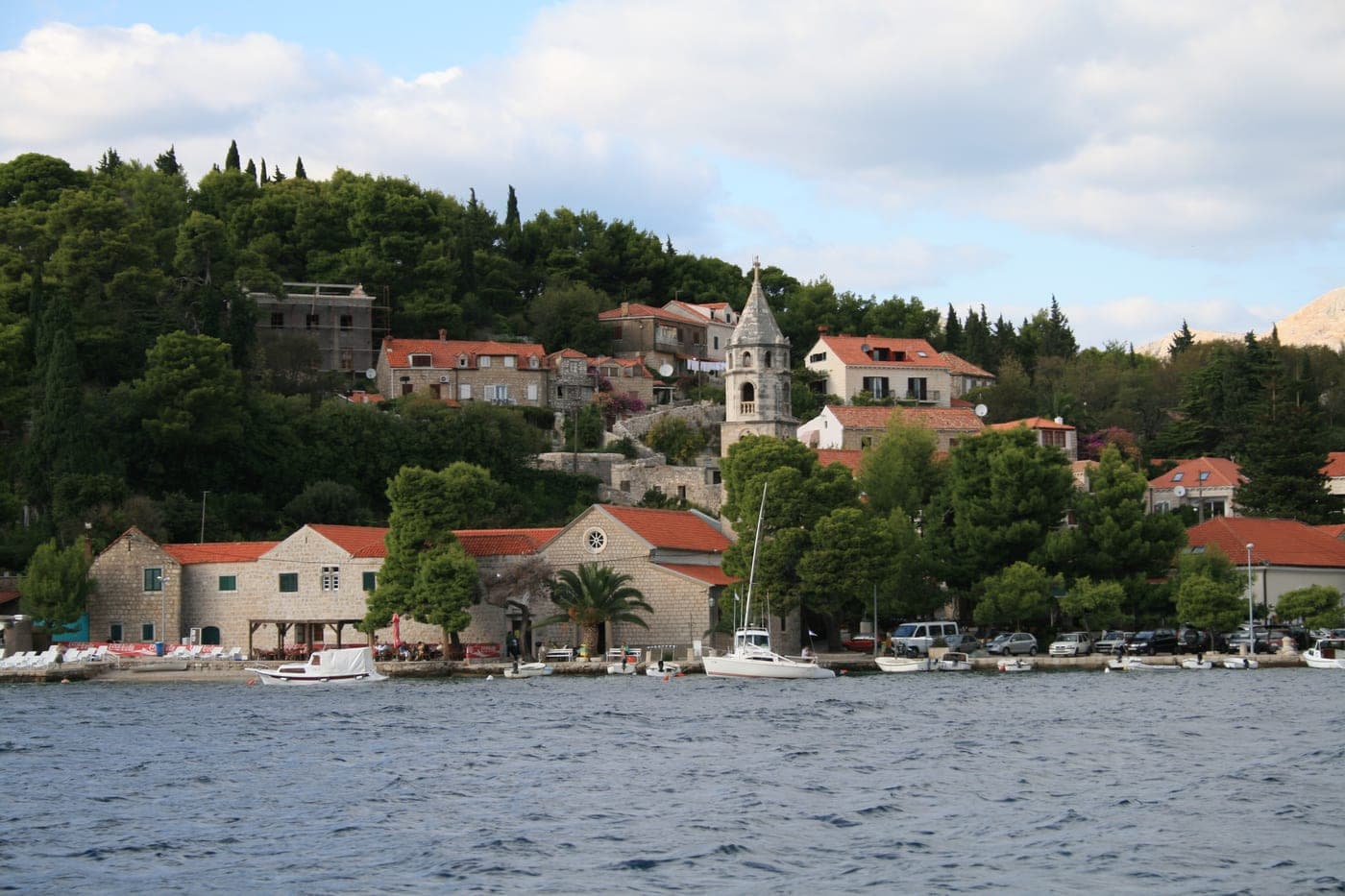
Charming coastal town near Dubrovnik with pine-fringed harbor and beaches.
Boat Rentals
1 region
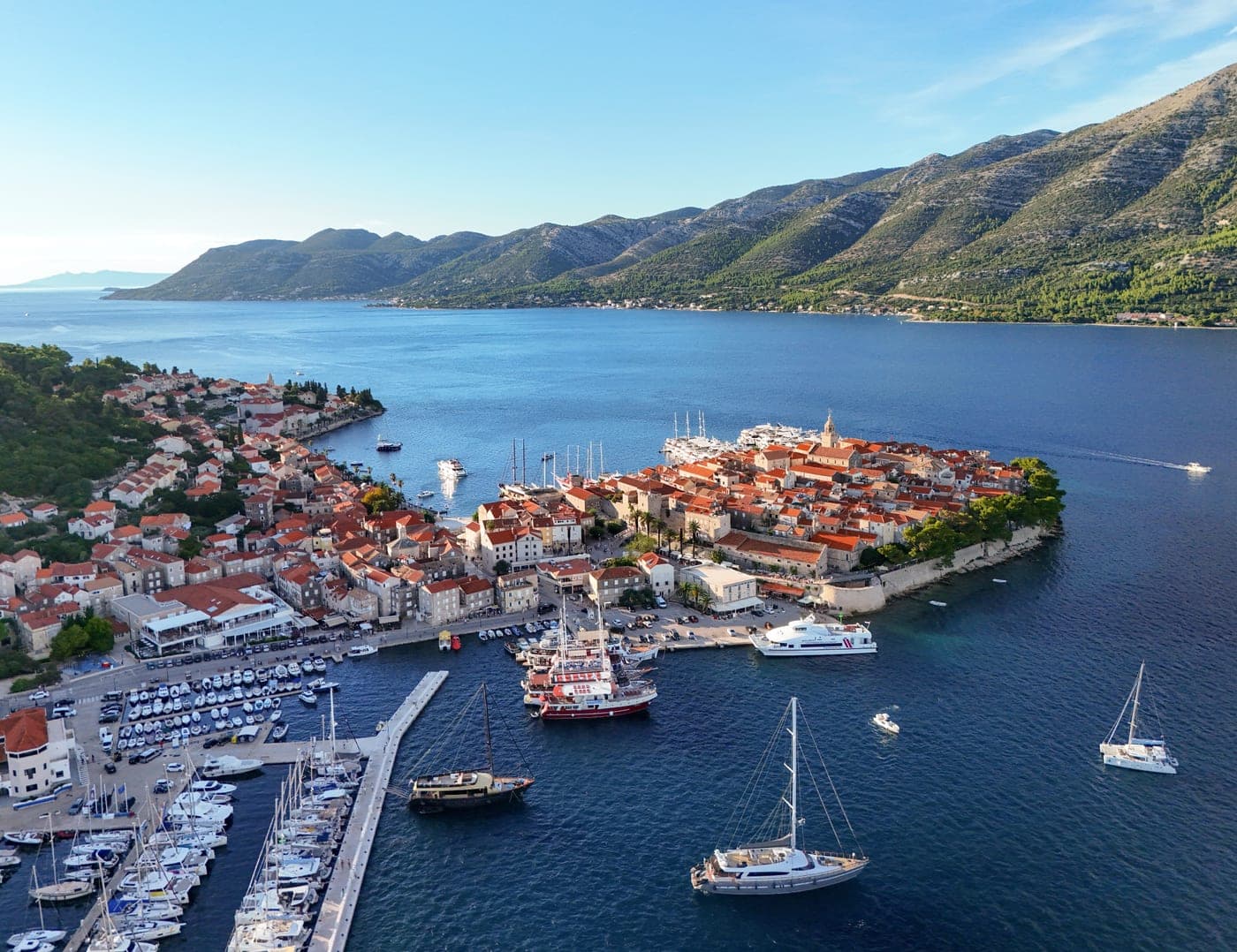 Boat Rentals3 destinations
Dubrovnik-Neretva
Dubrovnik-Neretva is Croatia's southernmost region, known for its stunning coastline and rich history. The city of Dubrovnik, a UNESCO World Heritage site, is famous for its well-preserved medieval walls and baroque architecture. Nearby, the Neretva River valley offers lush landscapes and unique cultural experiences, particularly in the town of Metković, known for traditional Neretva cuisine and eco-tourism. The region is also home to the Elaphiti Islands, where visitors can explore secluded beaches and local fishing villages. Enjoy local specialties like the white wine from the Pelješac Peninsula and the sweet Neretva mandarin. This region balances cultural heritage with natural beauty, perfect for those seeking deeper connections with their surroundings.
Boat RentalsHikingLocal Cuisine