Brudet
Dalmatian fish stew, shaken not stirred
- Local name
- Brudet
- Served with
- Soft polenta
- Best eaten at
- A Dalmatian konoba
- Pairs with
- Dalmatian white (Pošip)
What it is
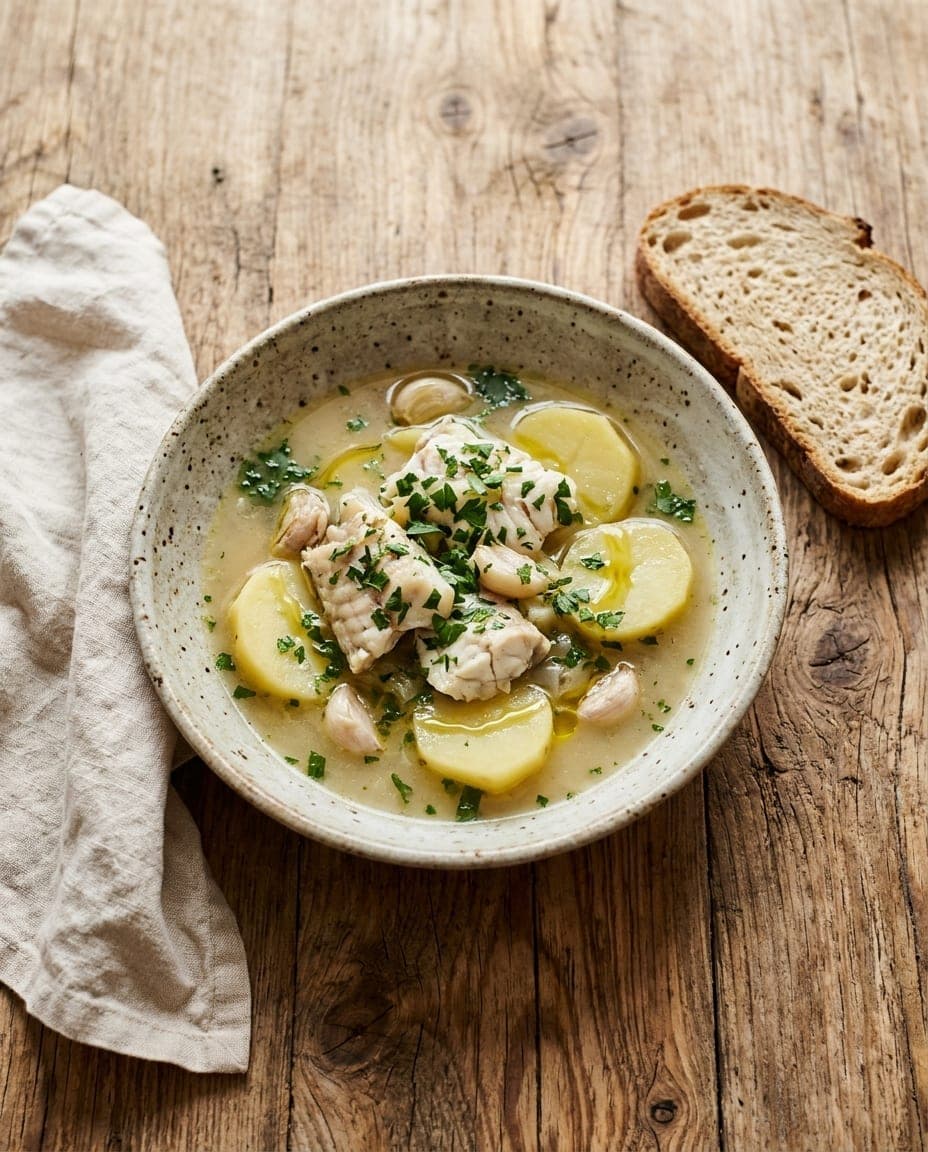
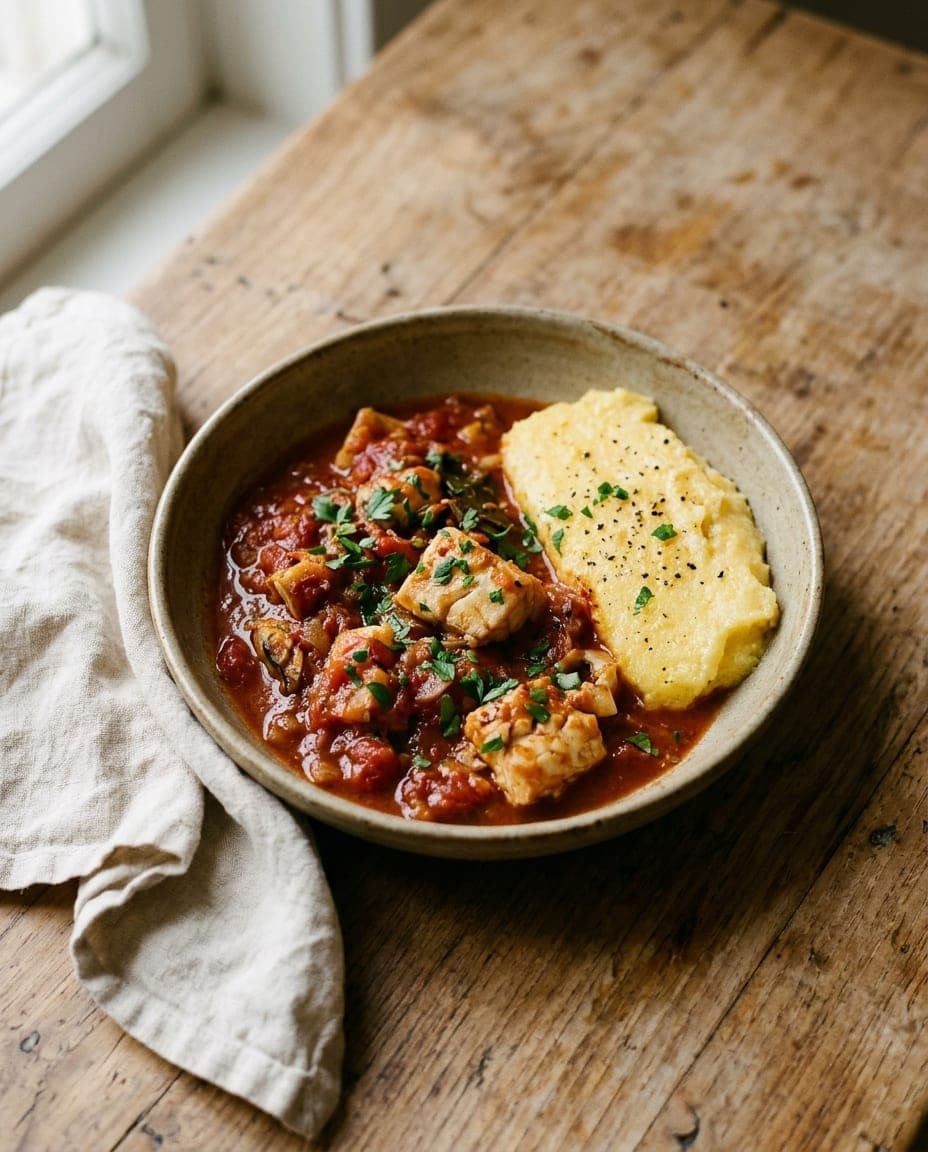
Brudet, often spelled brodet or brujet depending on the local dialect, is the classic fish stew of the Croatian Adriatic coast. It is not a single uniform dish but a family of stews that appear from Dubrovnik in the south through Dalmatia to Kvarner and Istria in the north, each village adding its own variation to the base. The result is a deep, aromatic broth where several kinds of fresh fish are simmered together with onions, garlic, tomatoes, white wine or vinegar, and generous amounts of olive oil.
The texture is distinctively thick and saucy, and in Dalmatia it is most often eaten with soft polenta, though toasted bread is also common. In the Dalmatian tradition, the fish are cut into thick chunks to hold their shape during the long cooking process. The dish was born from necessity as fishermen's food, made from the mixed catch that was too small or too varied to sell. Today, it remains a staple of coastal life, served year-round.
How it is made and why it matters
The preparation of brudet follows a set of rules that are treated with serious respect in Dalmatian kitchens. The most important rule concerns the fish: there must be more than one species in the pot. A single type of fish, no matter how fresh, is considered insufficient for a proper brudet. The cook selects whatever was caught that morning—scorpion fish, conger eel, monkfish or sea bream—and combines them into a single pan.
The cooking method is equally specific. Once the aromatics are softened in olive oil and the tomatoes added, the wine or vinegar is poured in to deglaze the pan. The mixture is then left to simmer slowly. Crucially, the cook must never stir the pot with a spoon once the fish has been added. Stirring would break the delicate flesh and ruin the presentation. Instead, the pan is shaken gently from side to side to move the liquid around the fish. This technique ensures the pieces remain whole while the flavours meld into a unified sauce.
The dish serves as a marker of identity along the coast. In the Neretva delta, near the border with Bosnia and Herzegovina, the stew takes on a unique character. Here, brudet is made from eel and frogs from the wetlands rather than sea fish, giving it an earthy depth that distinguishes it from the marine versions along the rest of the coast. While the ingredients shift by location, the no-stir rule and the soft polenta remain constant.
The setting: the konoba
A proper brudet is rarely eaten in a large hotel dining room or a fast-food establishment. It belongs in a konoba, a traditional Dalmatian tavern that often began as a fisherman's home or a small family-run eatery. These places are usually simple, with tables set close together and a focus on the food rather than the decor. Small harbour towns and island villages along the Dalmatian coast are where the taverns cooking it are thickest on the ground.
In these taverns, the brudet is usually cooked in a wide, shallow pot over a low flame, sometimes on a wood stove, allowing the heat to rise slowly. Families gather here for lunch on weekends or after a day of fishing. The service is direct: a large tureen of stew is placed on the table, accompanied by a bowl of soft polenta and perhaps a side of local cheese or pickled vegetables.
What goes into it
While every cook has their own preference for which fish to use, the core ingredients of brudet are consistent across the Dalmatian coast:
- Mixed sea fish: At least two or three species, cut into thick chunks to survive the cooking process without falling apart.
- Olive oil: Used in significant quantities to coat the fish and create a deep, velvety texture for the sauce.
- Aromatics: Onions and garlic form the base, often fried until golden before the other ingredients are added.
- Tomatoes: Fresh or canned, providing the body of the sauce and a touch of sweetness.
- White wine or vinegar: A splash of local white wine or a few drops of vinegar to cut the fat and add acidity.
- Herbs: Bay leaves, parsley, and sometimes a hint of paprika for colour and warmth.
The dish is not vegetarian, as the fish are essential to its character. The polenta served alongside is made from maize flour, water, and salt, cooked until it reaches a soft, spoonable consistency that can soak up the savoury sauce.
How to eat it
Brudet is best enjoyed as a main course, typically at lunch or an early dinner. It arrives in a large tureen or deep dish, often with the fish pieces arranged visibly on top of the sauce. The polenta is served separately in a bowl, allowing each diner to take a spoonful of the stew and place it over the soft maize.
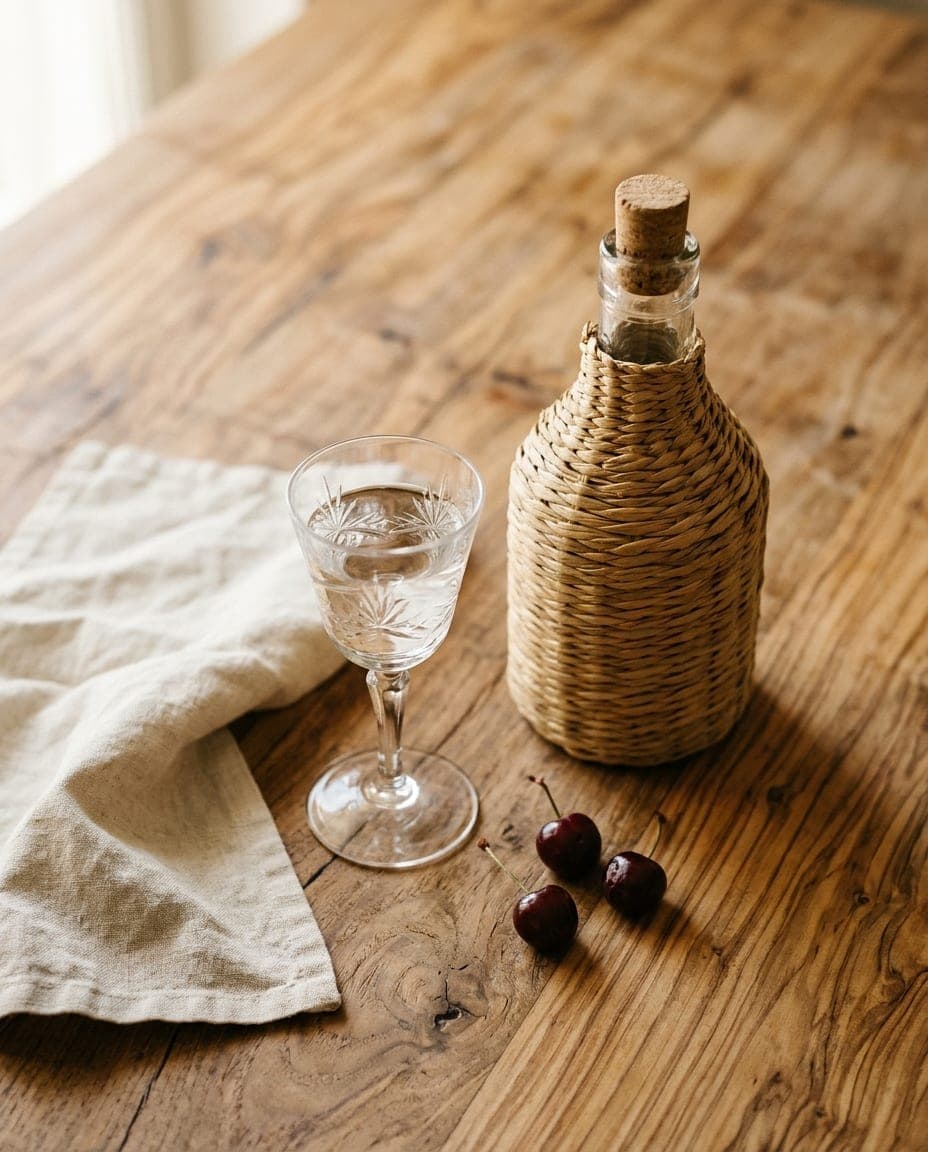
There is no need to cut the fish further; the chunks are already sized for eating. Use a slice of polenta as a scoop to lift the fish and sauce together, or simply eat the pieces with a fork if they are tender enough. A glass of Dalmatian white wine, particularly Pošip or another local variety, is the traditional pairing. The crisp acidity of the wine cuts the olive oil and the tomato without overwhelming the delicate flavour of the fish.
Curious facts
- The no-stir rule. Once the fish enters the pot, the cook must shake the pan rather than stir it with a spoon to keep the pieces intact.
- More than one fish. A brudet made with only one species of fish is considered incomplete and rarely served in a traditional konoba.
- Polenta over bread. Unlike many European stews that are eaten with crusty bread, Dalmatian brudet is usually mopped up with soft polenta.
- Neretva speciality. In the Neretva delta near the border, the stew is made with eel and frogs instead of sea fish.
- A dish of necessity. The recipe originated as a way for fishermen to use their mixed catch that was too small or varied to sell individually.
Where to try it
The best place to eat brudet is in a traditional konoba along the Dalmatian coast, from the Zadar and Šibenik coast down to Dubrovnik, and in the Neretva valley for the eel-and-frog version. A family-run konoba working from the morning's catch is the setting it belongs to. One sign that a kitchen has cut corners: a single species of fish in the pot.
Where to try it
2 destinations
 Boat Rentals
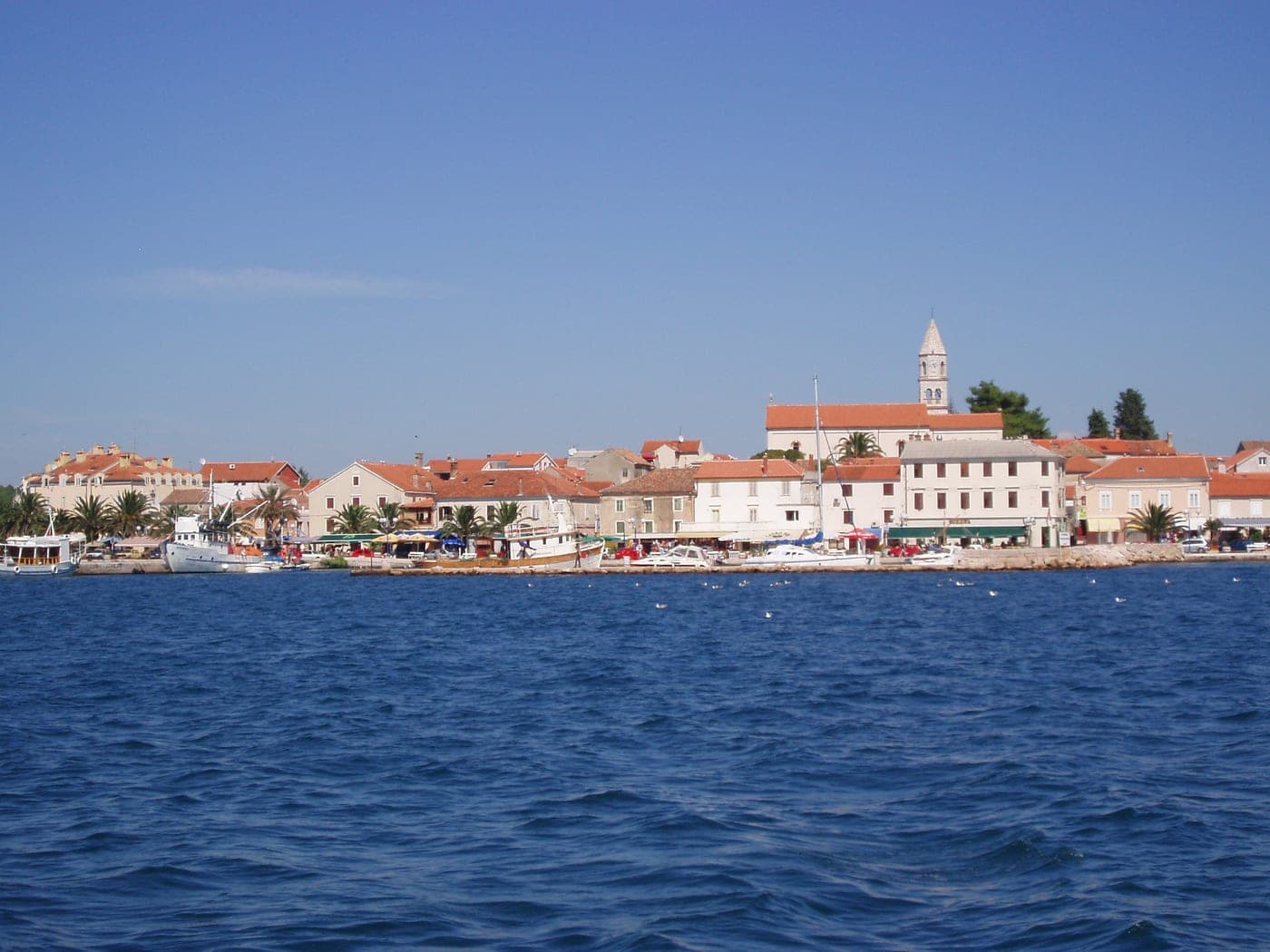
Biograd na Moru
Coastal town with large marina and excellent boat rental facilities for exploring the Adriatic.
Boat RentalsHiking Boat Rentals
Tribunj
Traditional fishing village on small island with authentic Dalmatian charm.
Boat Rentals
3 regions
- Boat Rentals2 destinations
Zadar
Zadar is a coastal city in Croatia, known for its rich history and stunning architecture. It features Roman ruins, medieval churches, and vibrant street life. The region encompasses several islands, including Ugljan and Pašman, offering secluded beaches and hiking trails. Zadar is home to the unique Sea Organ, an architectural marvel that plays music through the sea waves. The city is the oldest continuously inhabited city on the Croatian mainland, with roots dating back to the Roman Empire. Beyond the city, the nearby National Parks of Krka and Paklenica showcase diverse landscapes, perfect for nature lovers. Zadar's local cuisine highlights fresh seafood and traditional pastries, making it a culinary gem in the region.
Boat RentalsHiking - Boat Rentals2 destinations
Šibenik-Knin
Šibenik-Knin is a significant region in Croatia, known for its unique blend of coastal and inland landscapes. It boasts the only major city in the country with a UNESCO World Heritage-listed fortification system, Šibenik. The region features Krka National Park, famous for its stunning waterfalls and diverse flora and fauna. Small towns like Knin, rich in Ottoman and medieval history, offer insights into Croatia's past. Local traditions thrive, with festivals celebrating everything from olive oil to traditional music. The region's wine production, particularly the indigenous Babic grape, adds to its appeal, making it a delightful area for discovery away from the usual tourist paths.
Boat Rentals 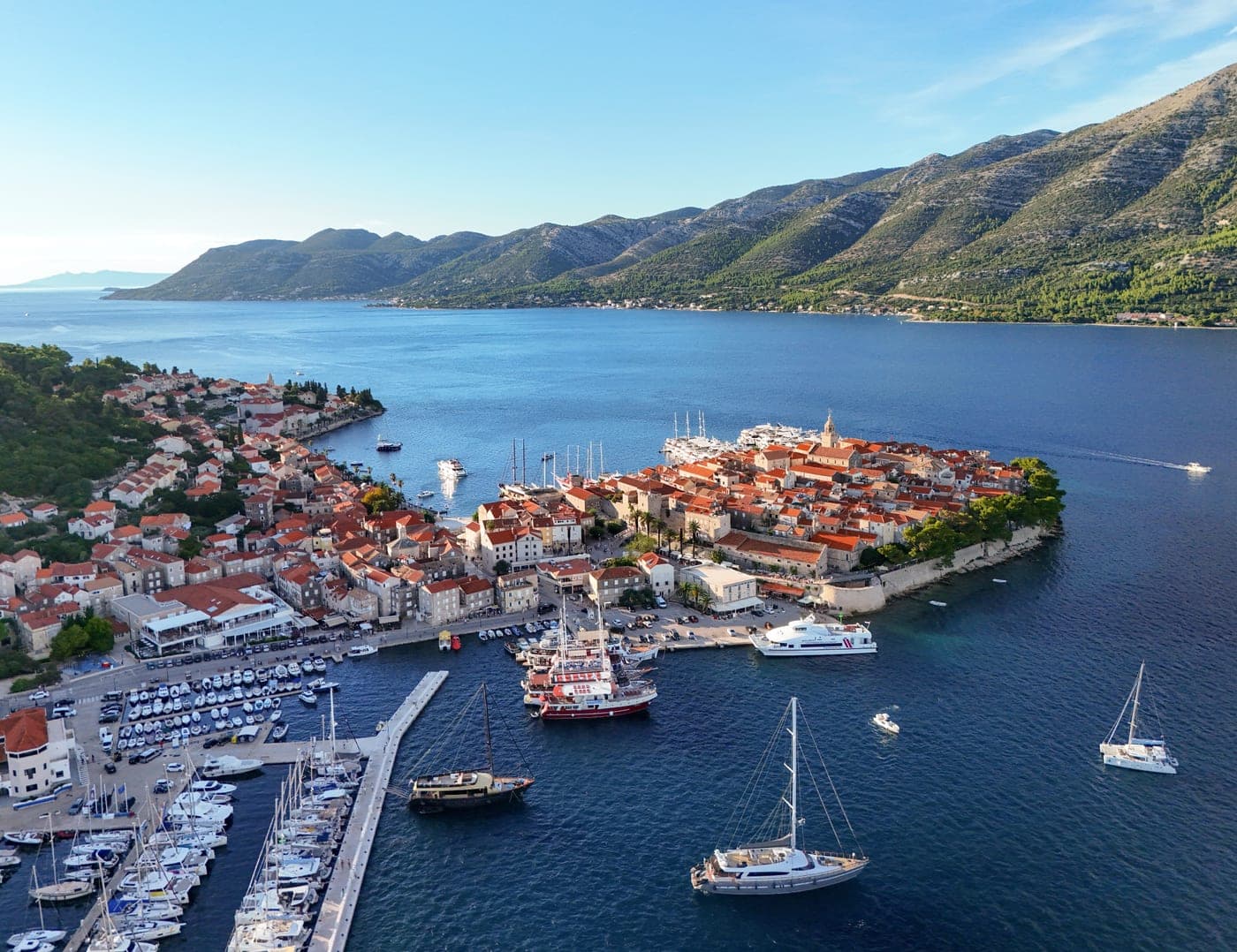 Boat Rentals3 destinations
Dubrovnik-Neretva
Dubrovnik-Neretva is Croatia's southernmost region, known for its stunning coastline and rich history. The city of Dubrovnik, a UNESCO World Heritage site, is famous for its well-preserved medieval walls and baroque architecture. Nearby, the Neretva River valley offers lush landscapes and unique cultural experiences, particularly in the town of Metković, known for traditional Neretva cuisine and eco-tourism. The region is also home to the Elaphiti Islands, where visitors can explore secluded beaches and local fishing villages. Enjoy local specialties like the white wine from the Pelješac Peninsula and the sweet Neretva mandarin. This region balances cultural heritage with natural beauty, perfect for those seeking deeper connections with their surroundings.
Boat RentalsHikingLocal Cuisine