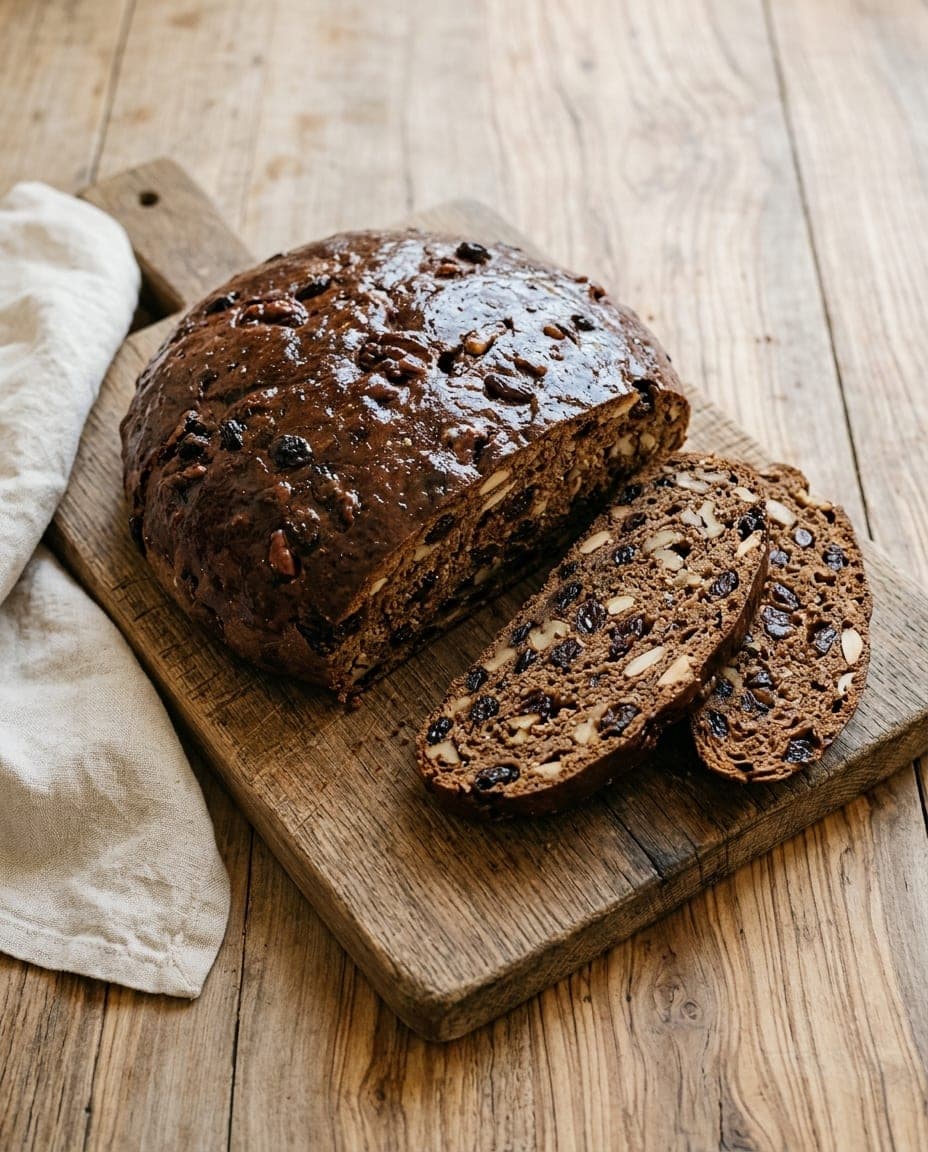
Hvarska gregada
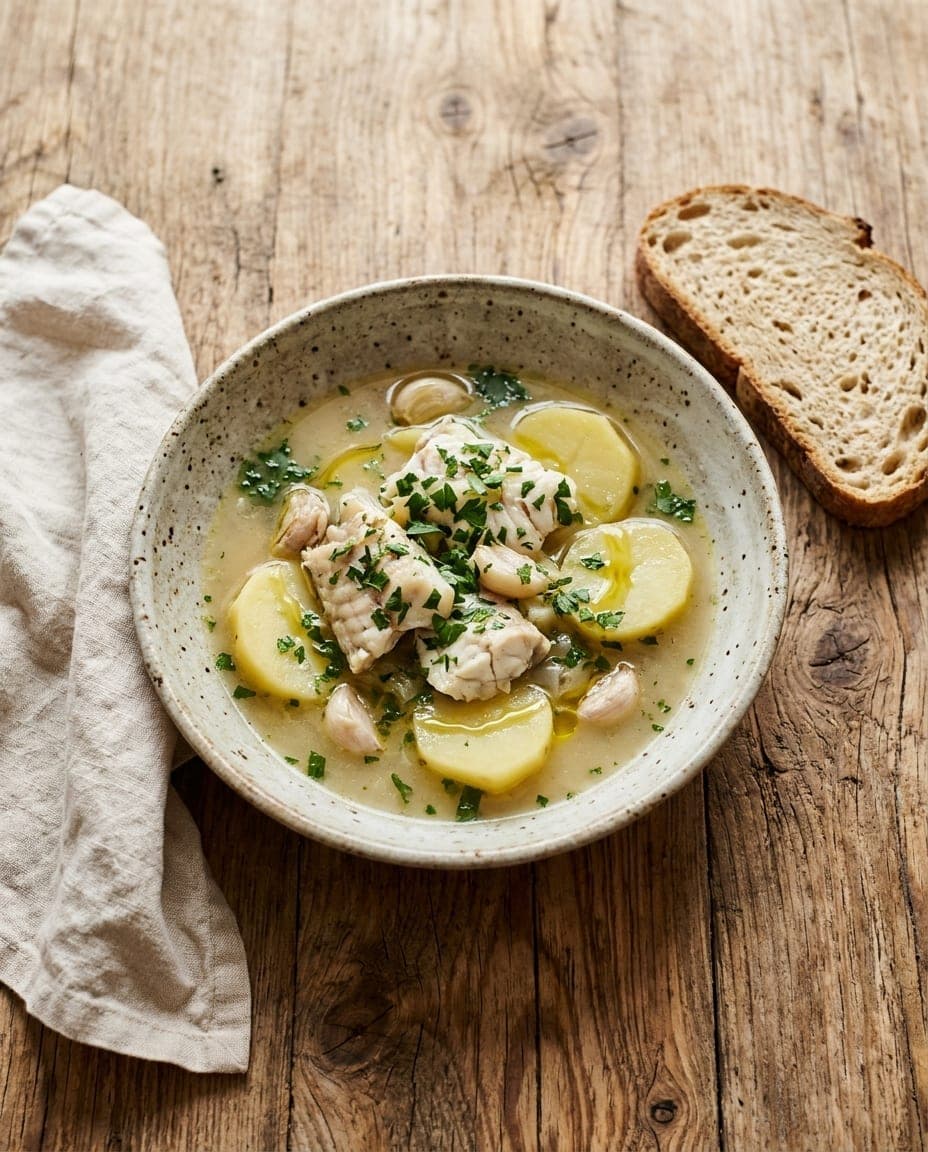
Hvar fishermen's white fish stew with potatoes and olive oil
- Local name
- Gregada
- Served with
- Crusty bread
- Best eaten at
- A Hvar konoba
- Pairs with
- Bogdanjuša or Pošip
What it is
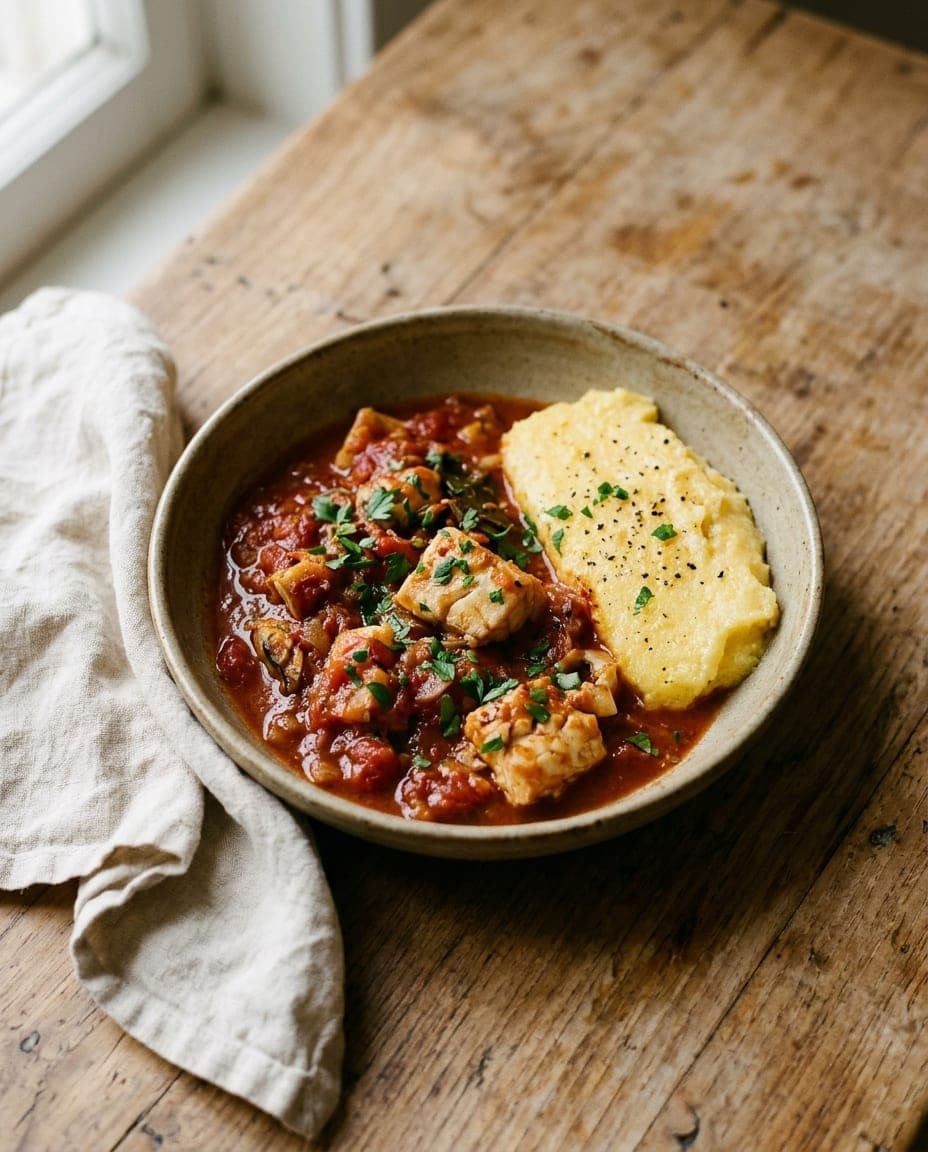
Hvarska gregada is a simple, deep-flavoured fish stew from the island of Hvar in the Split-Dalmatia region. It is most closely tied to Hvar's fishing villages and towns, though similar versions are cooked on the other central Dalmatian islands and, today, along much of the coast. The stew consists of white fish, thinly sliced potatoes, onion, garlic, fresh parsley and olive oil, all cooked together in a single pot with white wine and just enough water to cover the ingredients.
What sets this dish apart from other Adriatic fish stews is its lack of tomatoes. While the more widespread brudet often includes tomato as a base, gregada relies entirely on the clarity of the white wine and the olive oil for its body. The sliced potatoes soften and release their starch as they cook, thickening the liquid naturally without the need for flour. The result is a pale, fragrant, and deeply savoury dish where the flavour of the sea meets the taste of the hillside vineyards.
How it came to be
The origins of gregada are rooted in the daily life of Hvar fishermen. For centuries, this was not a dish prepared for tourists or special occasions, but a practical meal made on board a fishing boat or on the shore after a day's work. The method reflects its humble beginnings: whatever white fish was caught that morning was cleaned and placed into one large pot.
The cooking style is distinct because the ingredients are layered rather than stirred. Once the fish, potatoes, onions, garlic and herbs are arranged in the pot with the wine and water, the cook leaves it to simmer, only shaking the pot now and then. Stirring would break the delicate fish and ruin the texture of the potatoes. The dish is left to cook slowly until the potato slices have softened and thickened the sauce. This technique ensures that every bite retains the integrity of the fish while absorbing the flavours of the onion, garlic and wine.
There is no tomato in it, which on this coast is often read as a sign of an older line of cooking than the red stews beside it on the menu; it is regarded as one of the oldest ways of preparing fish in Dalmatia, though the potatoes themselves are a much later addition. It relies instead on the island's white wine and abundant olive oil.
What goes into it
The ingredients are few and specific, each chosen for what it brings to the single pot:
- White fish: Typically a mix of locally caught species such as scorpion fish, grouper, conger or monkfish, cut into large chunks to withstand the cooking time.
- Potatoes: Sliced into rounds so they soften and release their starch to thicken the broth without needing flour.
- Onion and garlic: Used in generous amounts to provide a sweet base for the white wine.
- Fresh parsley: Added towards the end of cooking to preserve its bright, herbaceous scent.
- White wine: A dry local white, such as Hvar's own Bogdanjuša, which pairs naturally with the fish and oil.
- Olive oil: A generous drizzle of local cold-pressed oil is often added before serving to finish the dish.
The absence of tomato is the defining feature here. The stew remains pale and clear, relying on the wine and oil for depth rather than the red hue of a tomato base. The white fish carries the taste, and the dish is never made without it.
How to eat it
Gregada is traditionally served hot, directly from the cooking pot or tureen, often at a konoba, a small traditional tavern found in Hvar's fishing villages. The dish is designed for sharing, with the thick, wine-infused sauce pooling around the chunks of fish and potato.
The most essential accompaniment is crusty bread. Locals tear off pieces of fresh, hard-crusted bread to dip into the rich broth, soaking up every drop of the wine and oil mixture. The bread acts as a sponge for the flavourful liquid, ensuring nothing goes to waste.
A glass of the local white wine used in the cooking is the natural pairing. Bogdanjuša from Hvar, or a Pošip, complements the delicate taste of the fish without overpowering it. The dish is best eaten with a slow pace, allowing the warmth of the stew and the clarity of the wine to settle after a day by the sea.
Curious facts
- No tomato rule. Unlike many other Adriatic stews, gregada contains no tomato, which is often taken as a mark of its age.
- One-pot cooking. The entire meal is prepared in a single vessel, a practice born from the need for efficiency on fishing boats or small shore kitchens.
- The potato trick. The sliced potatoes give up their starch to the sauce, thickening the liquid naturally without any added flour.
- Local wine pairings. The dish is traditionally cooked with and served alongside local white wine, on Hvar often Bogdanjuša.
- A regional speciality. Hvar claims it as its own, though neighbouring central Dalmatian islands cook their own versions.
Where to try it
The best place to eat gregada is a konoba in Stari Grad or one of the small fishing villages along the coast of Hvar. These taverns often serve the dish as a daily special, prepared from the morning catch. There is no need to search for a specific address; any traditional establishment serving local fish will likely offer this stew, particularly during the warmer months when the catch is fresh and plentiful. Go with an appetite for bread and wine, and let the simplicity of the dish speak for itself.
Where to try it
1 destination
 Boat Rentals
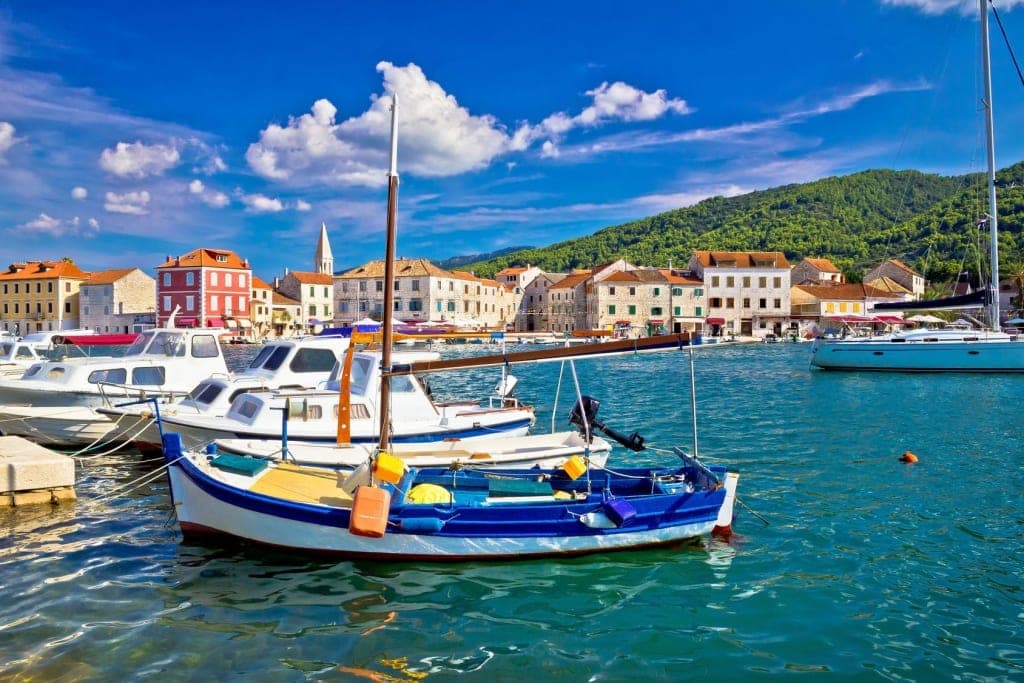
Stari Grad
Ancient harbor town on Hvar with UNESCO Greek agricultural plain.
Boat RentalsHiking
1 region
 Boat Rentals4 destinations
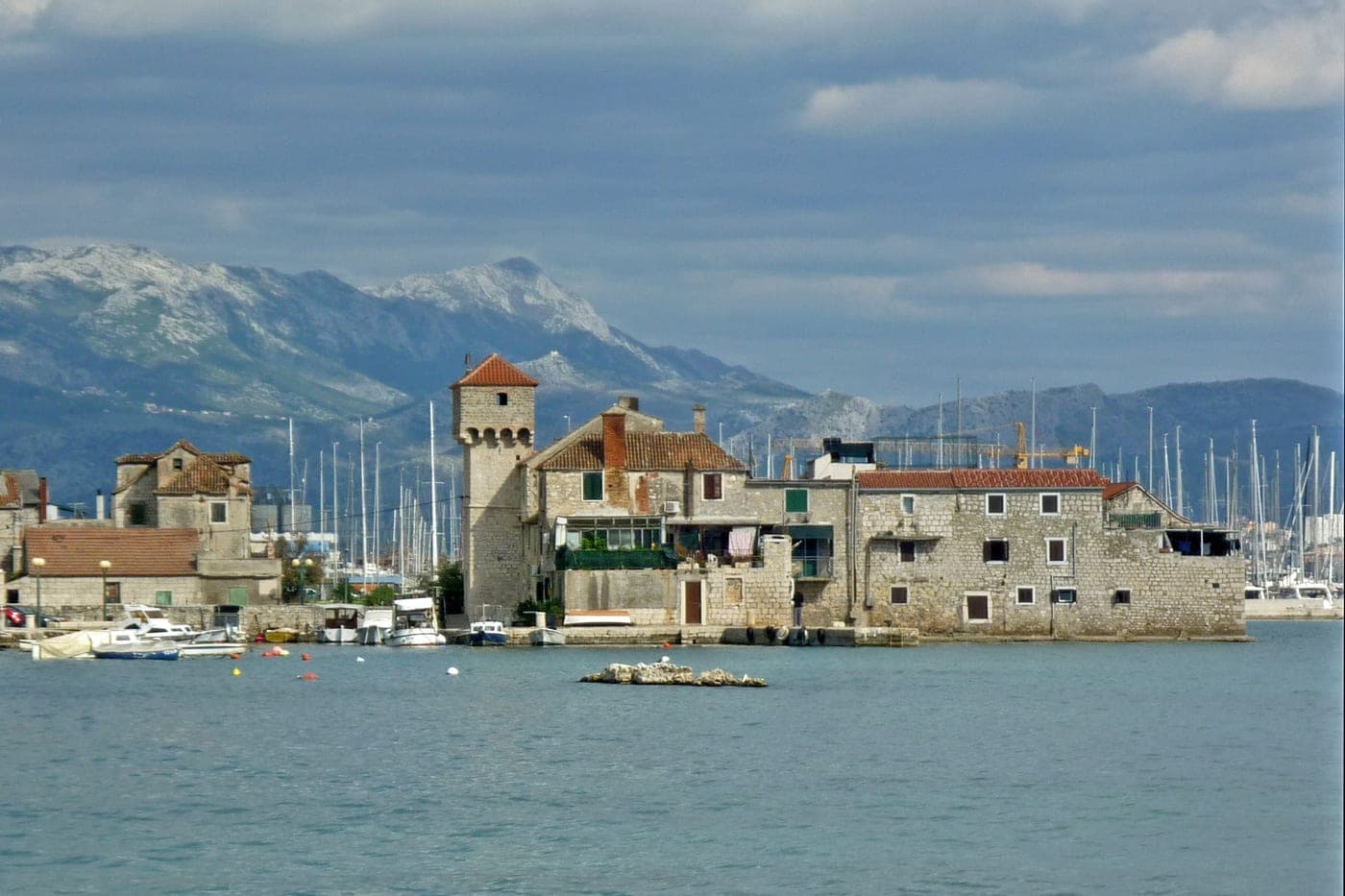
Split-Dalmatia
Split-Dalmatia is the largest county in Croatia, known for its stunning coastline along the Adriatic Sea. The city of Split, with its UNESCO-listed Diocletian's Palace, serves as the region's cultural heart. Beyond the city, the county boasts lesser-known gems like the historic town of Trogir, famous for its medieval architecture, and the serene islands of Hvar and Brač, known for their local wines and olive oil. Nature lovers can explore the rugged beauty of the Biokovo Mountain range or the hidden coves along the coast. This region is rich in traditional gastronomy, featuring fresh seafood, local cheeses, and the unique wines of the Dalmatian hinterland. Festivals such as the Split Summer Festival showcase local arts and culture, providing an authentic glimpse into life here.
Boat RentalsHiking