Lumblija
A dark spiced bread for All Saints' Day on Korčula
- Vegetarian
- Local name
- Lumblija
- Best eaten at
- Vela Luka and western Korčula villages
- Pairs with
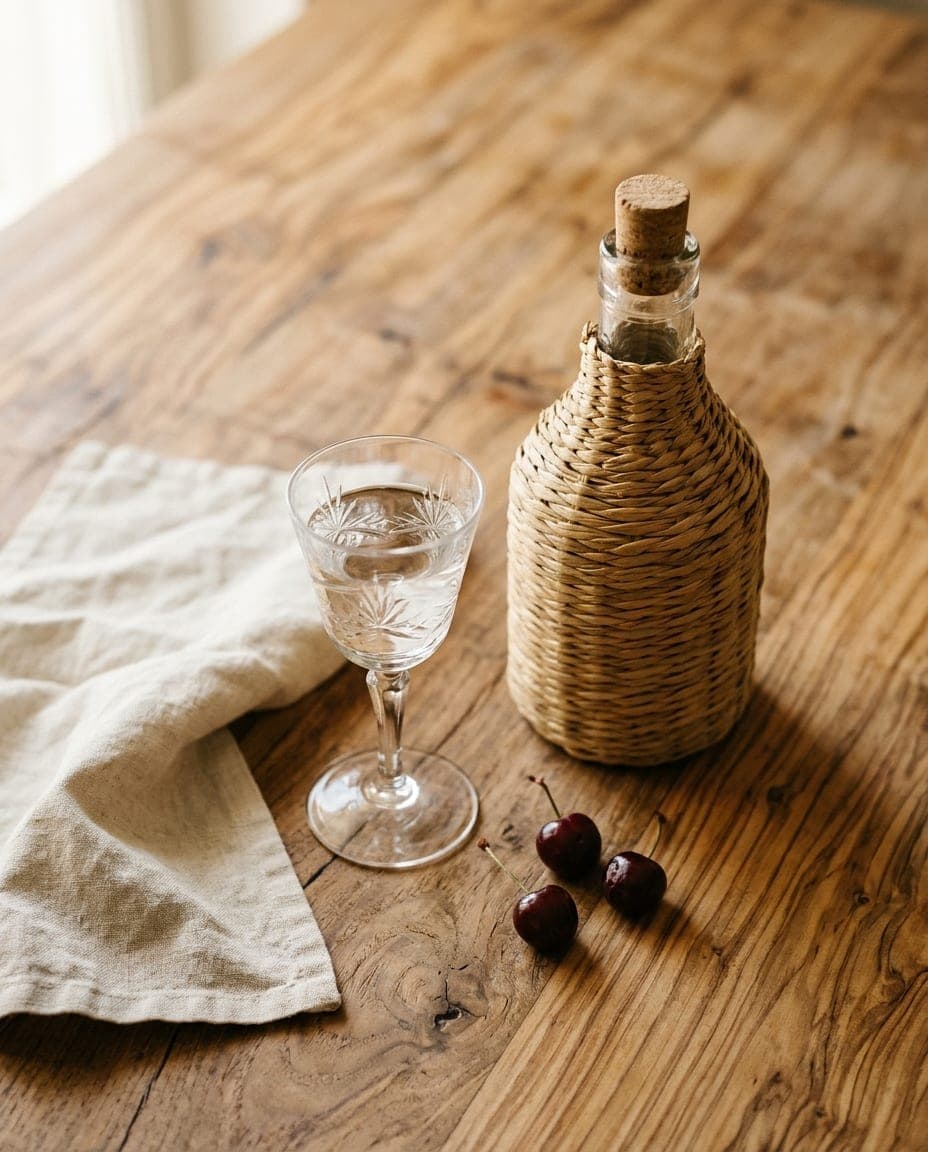
- Prošek dessert wine
What it is
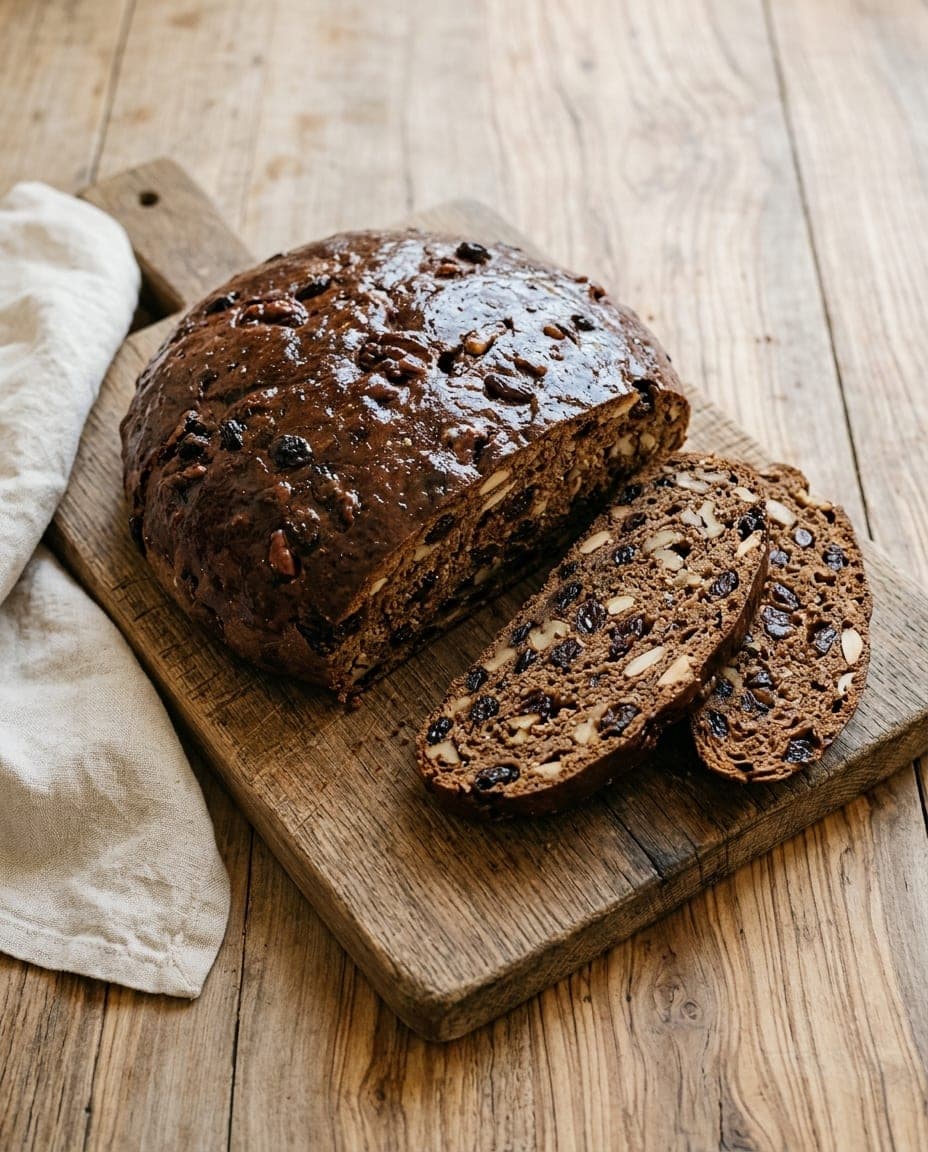
Lumblija is a dark, dense sweet bread from the western villages of the island of Korčula in southern Croatia. It belongs to the Dubrovnik-Neretva county and is most closely associated with the towns of Vela Luka, Blato and Smokvica. Unlike the lighter breads found elsewhere on the island, this loaf is heavy, moist and deeply flavoured with spices, dried fruit and varenik, grape must boiled down to a dark syrup.
The dish appears on tables in October and November, baked on the eve of All Saints' Day on 1 November. It is a ritual bread and a gift rather than a daily staple, and since 2022 the name has been protected in the EU as a Protected Geographical Indication. The texture is closer to a dense cake or a heavy fruit loaf than to a standard loaf of bread, and it remains edible for weeks if kept wrapped in cloth.
The story behind the name
The origin of the word lumblija is a subject of local debate with no single settled answer. The best-known account ties it to the French soldiers present on the island during the Napoleonic occupation in the early 19th century. A soldier leaving Blato is said to have given a girl a cake with the words ne m'oublie pas, "don't forget me", which she heard as lumblija.
It is a legend rather than documented history, and no historian has settled the question. Still, it reflects the island's history of foreign influence and its enduring traditions.
What goes into it
Every family guards their own version, though the PGI specification sets out a consistent pattern. A leavened wheat dough is enriched with olive oil (sometimes lard or butter) and varenik, the boiled-down grape must that gives the bread its dark colour and distinctive sweetness; some add ground carob. Raisins are folded in for texture, along with almonds and walnuts that add a nutty crunch, and the baked loaf is brushed with varenik or brandy and sprinkled with sugar.
- Varenik (cooked grape must): The primary sweetener that defines the loaf's deep brown hue, sometimes joined by ground carob.
- Raisins: These provide chewiness and natural sugars throughout the dough.
- Almonds and walnuts: Chopped, they offer a contrast to the soft crumb.
- Orange and lemon zest: A touch of citrus cuts through the density of the spices.
- A long list of spices: Typically including cinnamon, cloves, nutmeg, coriander and anise, creating a warm, aromatic profile.
The oil, the fruit and the spices balance each other, so it is sweet without being cloying.
How to eat it
Lumblija is traditionally eaten around All Saints' Day, often sliced thickly and served at room temperature. The heavy texture pairs best with something that can cut through the density, which is why Prošek, a sweet dessert wine from the same region, makes a natural companion.
The bread is also a gift. In Vela Luka, children traditionally visit relatives and godparents bringing lumblija, almonds, dried figs and mandarins, and families send loaves to relatives on the mainland and to emigrants as far away as Australia and South America. The act of sharing the bread is part of the day's observance, linking the living with those who have passed away.
Curious facts
- A seasonal loaf. It appears only in autumn, specifically for All Saints' Day, and is not found on menus outside this window.
- Protected name. Since 2022 lumblija has been an EU Protected Geographical Indication, the application led by associations from Blato and Vela Luka.
- Long shelf life. The high oil content and dried fruit allow the bread to stay fresh for weeks without spoiling.
- A French link. Legend says the name traces back to the Napoleonic era when French troops occupied the island of Korčula.
- A gift of remembrance. Children traditionally carry it to relatives and godparents as part of the All Saints' customs.
Where to try it
The best place to eat lumblija is in Vela Luka and the western villages of Korčula, where the tradition remains strong. Blato and Vela Luka both hold lumblija festivals from late October into November, with tastings, workshops and bake-offs. Anywhere offering it in July is selling something else: the loaf belongs to the calendar.
Where to try it
1 destination
 Boat Rentals
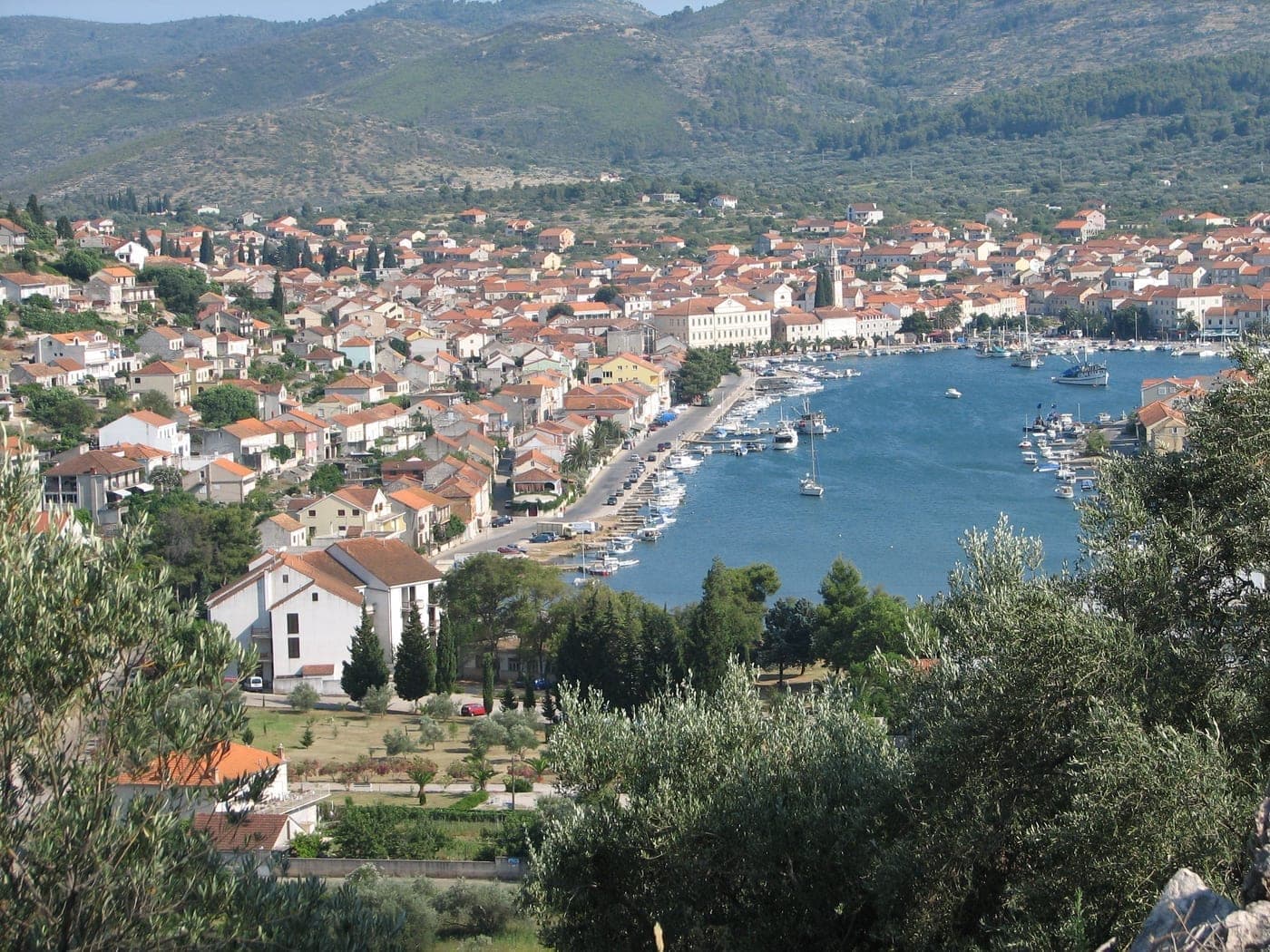
Vela Luka
Peaceful fishing town on Korčula's west coast with deep natural harbor.
Boat RentalsHiking