Belgian fries (frites)
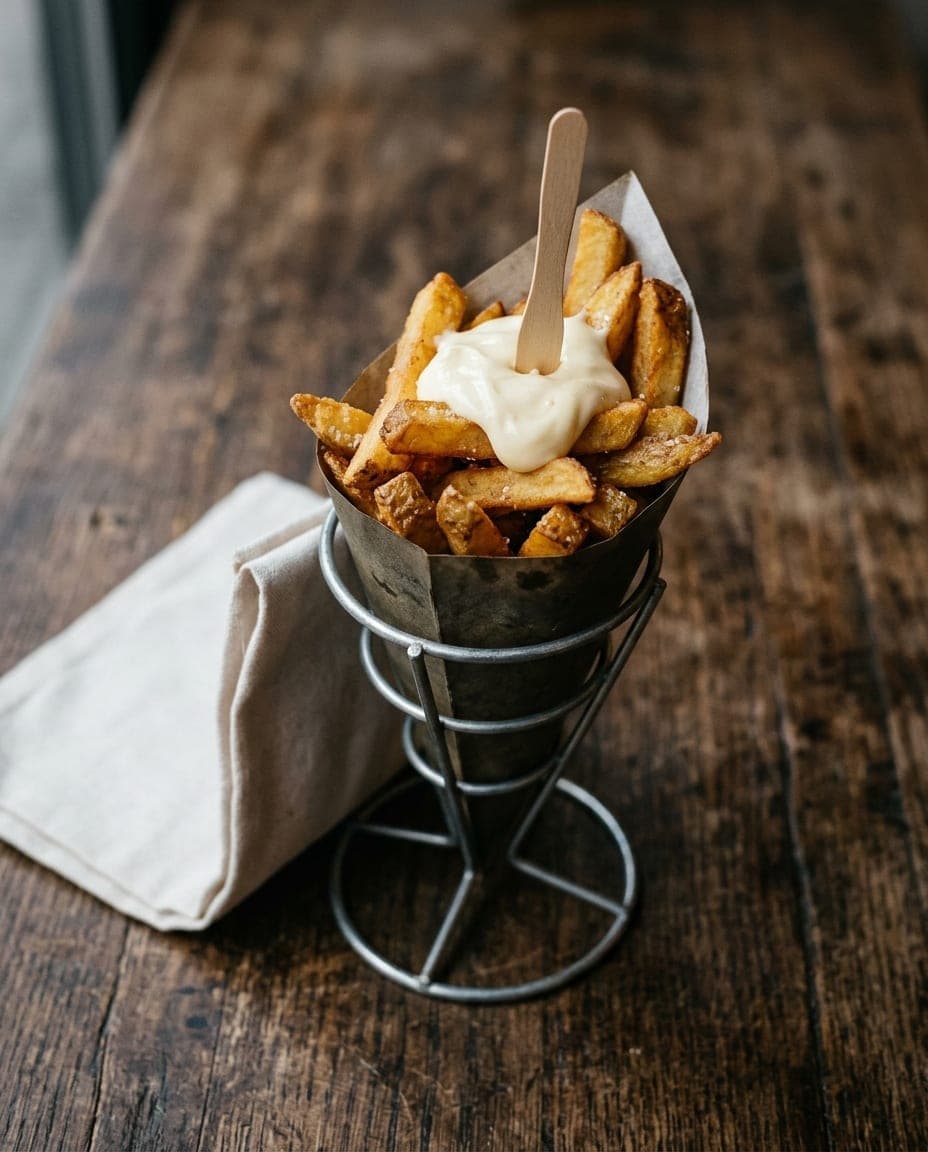
Thick-cut potatoes, fried twice, eaten from a paper cone
- Local name
- Frieten
- Served with
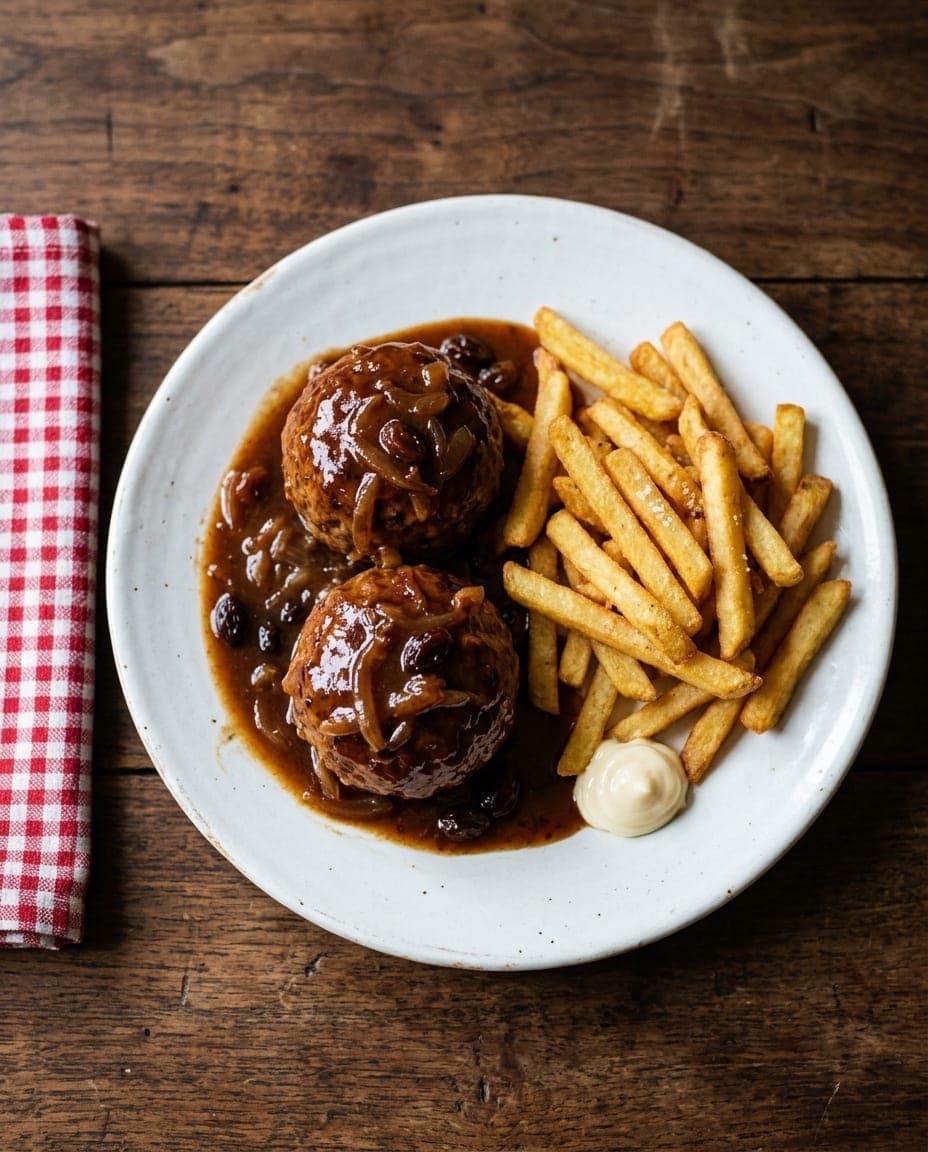
- Mayonnaise or stoofvleessaus
- Best eaten at
- A Belgian frituur (friterie)
- Pairs with
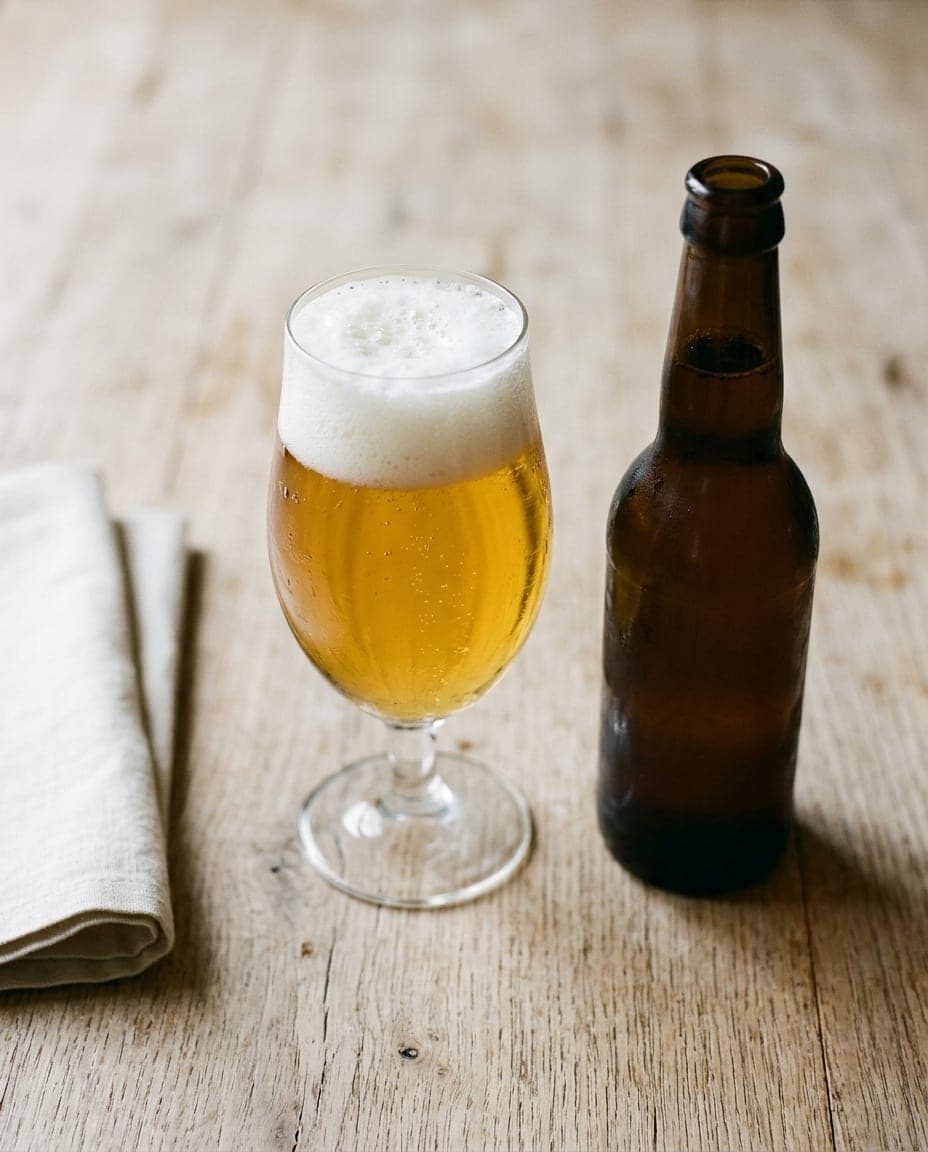
- Belgian blonde ale
What it is
Belgian fries, known locally as frites in French-speaking regions and frieten in Flanders, are thick-cut potato batons that have been fried twice to achieve a crisp exterior and a soft, fluffy interior. The dish is defined by its method rather than a single recipe: the potatoes undergo a first low-temperature cook to ensure they are tender all the way through, followed by a second high-temperature fry that creates a golden, crunchy crust. This technique is applied in small kiosks or shopfronts known as a frituur (Flanders) or friterie (Wallonia), establishments dedicated almost exclusively to frying and selling these potatoes.
The presentation is equally specific. The hot batons are typically served in a paper cone, allowing the diner to hold the food with one hand while dipping the other into a sauce, or placed on a cardboard tray with the sauce poured over or beside the pile. Fried potatoes exist everywhere; what is Belgian is the thickness, the tallow, the sauce list and the shop itself.
The Meuse valley origin story
Belgium and France both claim the invention, and the claim is not settled. The Belgian case rests on the Meuse valley in Wallonia: the story goes that the villages along the river lived on small fried fish, and that in a hard winter, with the river frozen and no fish to be had, they cut potatoes into the same shape and fried those instead. It is told in Namur and Dinant and in every guidebook, but its only source is a family manuscript said to date from 1781, a century after the events it describes, and historians note that potatoes reached the Namur area only around 1735.
The French case is a different one rather than a rival version of the same story — it places fried potatoes in Paris, on the Pont Neuf, at the end of the 18th century, which is where pommes Pont-Neuf get their name. The two claims do not meet, and neither is decisive.
What is documented is that fried potatoes were being sold at Brussels fairs by the 1840s, that by the late 19th century they were established on Belgian streets and fairgrounds, sold from wooden booths, and that it became a national habit in a way it did not elsewhere. The argument is now mostly enjoyed rather than pursued.
How the frituur works
A frituur is a small shop that fries potatoes and sells almost nothing else. It stands on a village square or a city corner, it has deep vats behind the counter, and it is a social fixture as much as a food shop — the place a village passes through on a Friday night.
The process begins with the preparation of the potatoes. They are cut into batons of varying thickness, though the traditional style is notably thicker than the thin chips found in many fast-food chains. The first fry is a moderate one, enough to cook the potato through without colouring it. The batons are then lifted out and left to cool and drain, and that rest is part of the method rather than a pause in it.
The second fry, in much hotter fat, happens only when the order is placed. It is short, and it is what builds the crust while the inside stays soft. Traditionally, the fat used for frying was beef tallow, known locally as blanc de boeuf. Many Belgians insist that this animal fat is what gives their fries their distinctive flavour and texture, though in recent decades many shops have switched to vegetable oils due to health concerns or cost. Despite the change in fat, the double-frying method remains the constant standard across the country.
What goes into it
The ingredients are simple, but the execution requires precision. The primary component is the potato itself, cut into thick batons. While various varieties can be used, the focus is on a starch that holds its shape during frying while becoming creamy inside. There is no single official variety mandated for all shops, and different frituren may choose based on availability.
The fat for frying has historically been beef tallow, which provides a deeply savoury depth to the potatoes. Many modern establishments now use vegetable oil, but the traditionalists argue that only tallow delivers the authentic taste. The second element is the sauce, which transforms the dish from a side item into a complete experience. Mayonnaise is the default choice, served cold and thick, often in a separate cup or directly on the potatoes.
Other sauces are equally important to the local culture. Stoofvleessaus, a rich sauce made from braised beef stock, onions, and spices, is another classic option that pairs particularly well with the savoury notes of the fries. The sauce list at a frituur typically runs to dozens: ketchup, curry ketchup, samurai, andalouse, tartare, garlic. Each shop curates its own selection, reflecting local tastes and regional preferences.
How it is eaten
Belgian fries are rarely served as a starter or an appetiser; they are a meal in themselves, often eaten standing up at the counter or sitting on a nearby bench. The paper cone is designed for portability, allowing the diner to hold the hot potatoes while dipping them into the sauce. This method of eating is casual and communal, fitting the atmosphere of the frituur where people gather before or after work, or simply as a quick break during a walk.
The pairing of fries with sauces is an art form. The mayonnaise is thick enough to coat the potatoes heavily, creating a creamy contrast to the crisp exterior. For those who prefer something more savoury, the stoofvleessaus offers a deep, meaty flavour that complements the fried potatoes without overpowering them. Some diners mix multiple sauces together, creating a custom blend for their portion.
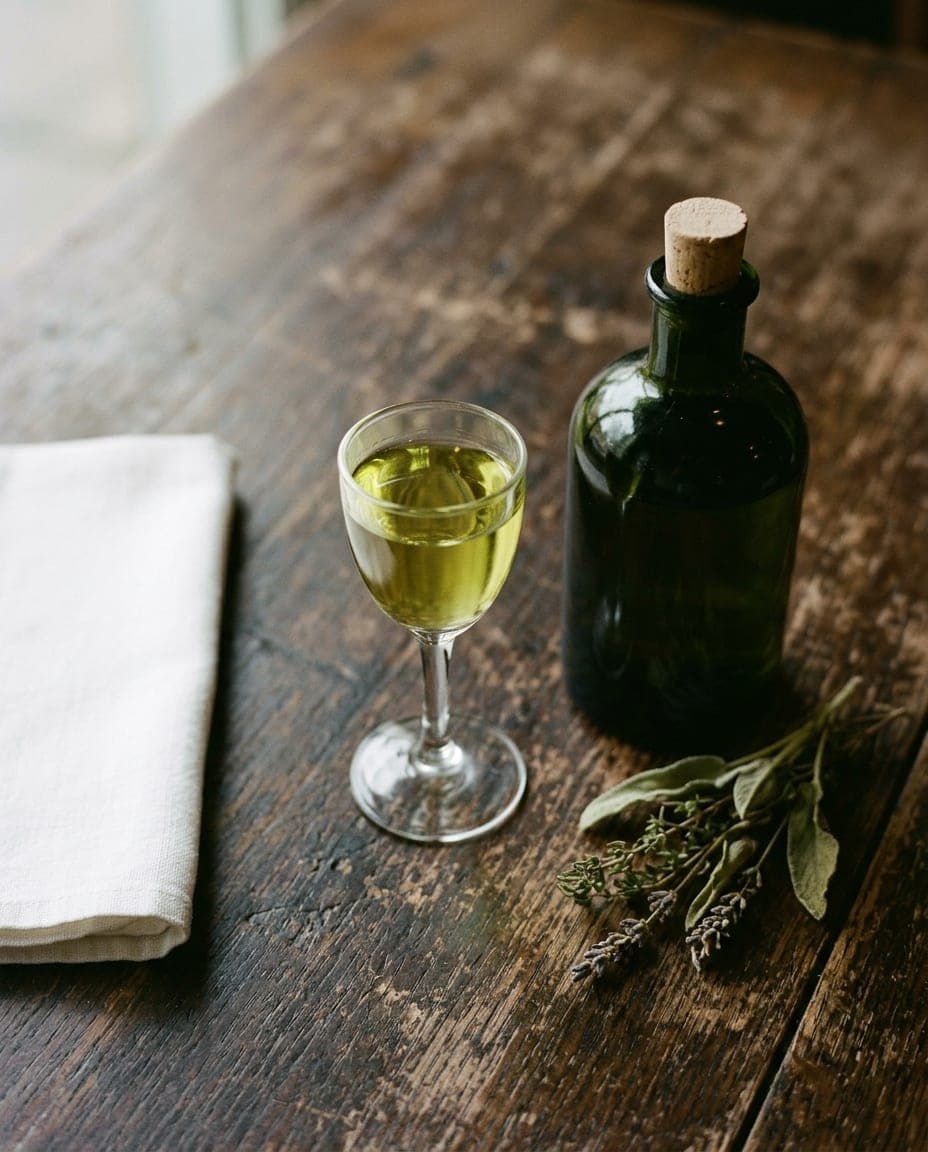
A common accompaniment is a glass of Belgian blonde ale. The carbonation and the hop bitterness cut through the fat of the potatoes and the mayonnaise. Fries are eaten straight from the fryer; they do not survive the walk home.
Curious facts
- The fat matters. Traditionalists insist that beef tallow gives Belgian fries a unique flavour that vegetable oil cannot replicate, though many shops now use the latter for health reasons.
- Two fries, one rest. The double-frying method is essential: the first fry cooks the potato through, and the second creates the crust after a cooling period.
- A cone, not a bag. The paper cone holds the heat, takes the sauce on top and leaves one hand free, which is why it remains the classic way to serve them.
- Dozens of sauces. The list on the wall of a frituur runs well past mayonnaise, and each shop keeps its own selection.
- A social institution. The frituur is a gathering place where people meet, chat and eat, often standing on the street corner rather than sitting inside. Flanders added Belgian frietkot culture to its intangible heritage inventory in 2014.
- The ale connection. Belgian blonde ale is a popular drink pairing, prized for its ability to cut the fat of the mayonnaise and fried fat.
Where to try it
The best place to experience authentic Belgian fries is at a local frituur or friterie found in villages across Flanders and Wallonia, as well as on street corners in Brussels. These establishments are ubiquitous, appearing in almost every town and city, from the smallest hamlet to the capital's busiest squares. They are not chain restaurants but independent shops, each with its own character and sauce selection.
In Brussels they stand on the squares and at the mouths of the metro stations; in the Meuse valley, where the origin story belongs, they are village fixtures with a bench outside and a queue at six o'clock. A cone is a meal rather than a side, and the sauce is chosen at the counter.
Where to try it
2 regions
 Camper Van Rentals1 destination
Brussels
Brussels sits at the meeting point of French and Flemish Belgium, and that mix shapes everything about how the region feels: two languages on every street sign, two culinary traditions on every menu, and a pace that has never quite caught up with its role as a capital of European institutions. Away from the glass towers of the EU quarter, the older city keeps its own rhythm, built around guild squares, covered arcades, and small bars that have poured the same abbey beers for generations. The Grand Place is the obvious starting point, a market square ringed by gilded guildhalls that once belonged to the city's bakers, brewers, and boatmen. It is a UNESCO World Heritage Site, and even on a busy afternoon the carved facades reward slow looking rather than a quick photo. From here, narrow lanes lead into the Îlot Sacré, where waffle stands sit beside chocolate shops that still temper cacao by hand. Belgian chocolate culture runs deep in Brussels: family-run ateliers sell pralines by weight, and a few keep working display kitchens where the process is part of the shop. Beer is the other constant. Brussels is where lambic and gueuze are still brewed using spontaneous fermentation. Traditional estaminets pour these alongside Trappist and abbey beers, often with a matching cheese or a plate of frites on the side. A few breweries in the city centre still run tours through working cellars, and tasting a gueuze where it is made is a different experience from drinking it anywhere else. Beyond the tourist core, Brussels holds neighbourhoods that reward unhurried wandering. Saint-Géry is now full of small galleries and bars built into old warehouses. The Marolles keeps a flea market running through its cobbled streets, where dealers lay out furniture, glassware, and old postcards each morning. Matongé, the Congolese quarter near Porte de Namur, brings West African fabrics, music shops, and cooking into the same few blocks, a reminder that Brussels' identity is not only Franco-Flemish but genuinely international. Ixelles and Saint-Gilles hold rows of townhouses with curved iron balconies and stained-glass stairwells from the era of architect Victor Horta. Walking these streets without a fixed plan is often how they're noticed, since many of the finest facades sit on quiet residential blocks rather than main avenues. Brussels' long-standing love of comic art shows up in a similar way: painted murals of characters from Belgian comics appear on gable walls across the centre, part of a public trail that turns a walk between neighbourhoods into something like a treasure hunt. The Zenne river, mostly covered over in the nineteenth century, still shapes the city's geography, and the canal that runs north from the centre connects Brussels to Antwerp and the Flemish lowlands beyond it. Along its banks, old industrial warehouses have become galleries, breweries, and weekend markets, giving the canal district a slower, more local feel than the tourist streets around the Grand Place. As a region, Brussels works as a base for exploring the smaller Flemish and Walloon towns that ring it, each with its own guildhalls, beer traditions, and market squares, all reachable within short distances of the capital. Together they form a compact, walkable corner of Belgium where medieval architecture, brewing traditions, and chocolate craft sit within easy reach of one another.
Camper Van RentalsHiking Wine Tasting7 destinations
Flanders
Flanders is the Dutch-speaking region of northern Belgium, and its short distances between towns hide a slow, layered kind of travel. Villages in Flanders and its larger cities share a way of asking for attention: a market square, a belfry, a stretch of canal reflecting brick gables. The pace here rewards stopping, and the region's compact size makes it possible to settle into a handful of places instead of covering ground. The medieval old towns are the backbone of any Flanders itinerary. Ghent carries the largest and least polished of them, its student population keeping the streets lived-in. Bruges is smaller and more carefully kept, its canal loop and lace-making tradition drawing people who want the postcard version of Flanders done well. Antwerp brings energy to the mix: a working port, a Baroque cathedral, a fashion district, and a diamond trade still run on old trust. Mechelen and Leuven sit close to the bigger cities and carry the same belfry-and-canal character at a quieter volume. Flemish painting shaped much of what these cities still show today. Ghent's cathedral holds an early masterpiece of Flemish painting, and Antwerp's museums keep strong collections from the city's own Baroque painters. These works were made for the churches and guild halls that still stand on the same streets, which gives them a different weight than seeing them somewhere unconnected to their making. Beer culture in Flanders runs deep and steady. Trappist monasteries brew to support their communities, following recipes kept inside their own walls for generations, and abbey beers named after those monasteries fill the menus of ordinary town cafés. A brown café in Ghent or Antwerp — dim, wood-panelled, unhurried — is where this culture is actually lived, over a single well-poured glass at a corner table. Chocolate carries a similar seriousness. Family-run chocolatiers in Bruges, Ghent and Antwerp still hand-dip pralines and temper chocolate by hand, and a short exchange with the person behind the counter often teaches more than any shop sign. A small box eaten the same afternoon suits the tradition better than a large one carried home. Flanders' countryside opens quickly beyond the larger cities into flat farmland, poplar-lined canals, and villages that rarely appear on an international itinerary. Damme, close to Bruges along a canal path, holds a windmill, a church and a handful of houses, and needs little more than that. Further south and east, the villages around Ypres carry the memory of the First World War: cemeteries, memorials, and the Last Post sounded each evening at the Menin Gate sit alongside the region's more familiar reputation for beer and lace. The coast changes the rhythm again. Oostende keeps a working fishing fleet and a long promenade, while smaller resorts such as De Haan hold onto early-twentieth-century villas and quiet dunes once summer ends. The flat sand and open sky offer a clear contrast to the cobbled squares and canal reflections inland. Traditions stay visible through the year. Processions, guild festivals, and beer events give each town its own calendar, kept by the community rather than staged for visitors. Slow travel here means choosing depth over distance. The region's small scale makes it tempting to plan a long list of towns, but it holds together better when explored through fewer stops, each one given room to open up: a market square seen at different times of day, a canal walk repeated at dusk, a return visit to the same chocolate shop once the first box runs out. Ghent and Bruges alone hold enough layers — museums, churches, quiet residential streets away from the centre — to fill a visit, and pairing either with a coastal stop or a village like Damme adds contrast without adding rush. Flanders rewards this kind of attention because so much of its character sits just below the surface: a monastery's own beer recipe, a canal town's working history before tourism arrived, a village whose only claim is a windmill and a church that has stood for generations. Most of it opens up only once the rushing stops.
Wine TastingHikingBoat RentalsLocal Cuisine