Flanders is the Dutch-speaking region of northern Belgium, and its short distances between towns hide a slow, layered kind of travel. Villages in Flanders and its larger cities share a way of asking for attention: a market square, a belfry, a stretch of canal reflecting brick gables. The pace here rewards stopping, and the region's compact size makes it possible to settle into a handful of places instead of covering ground.
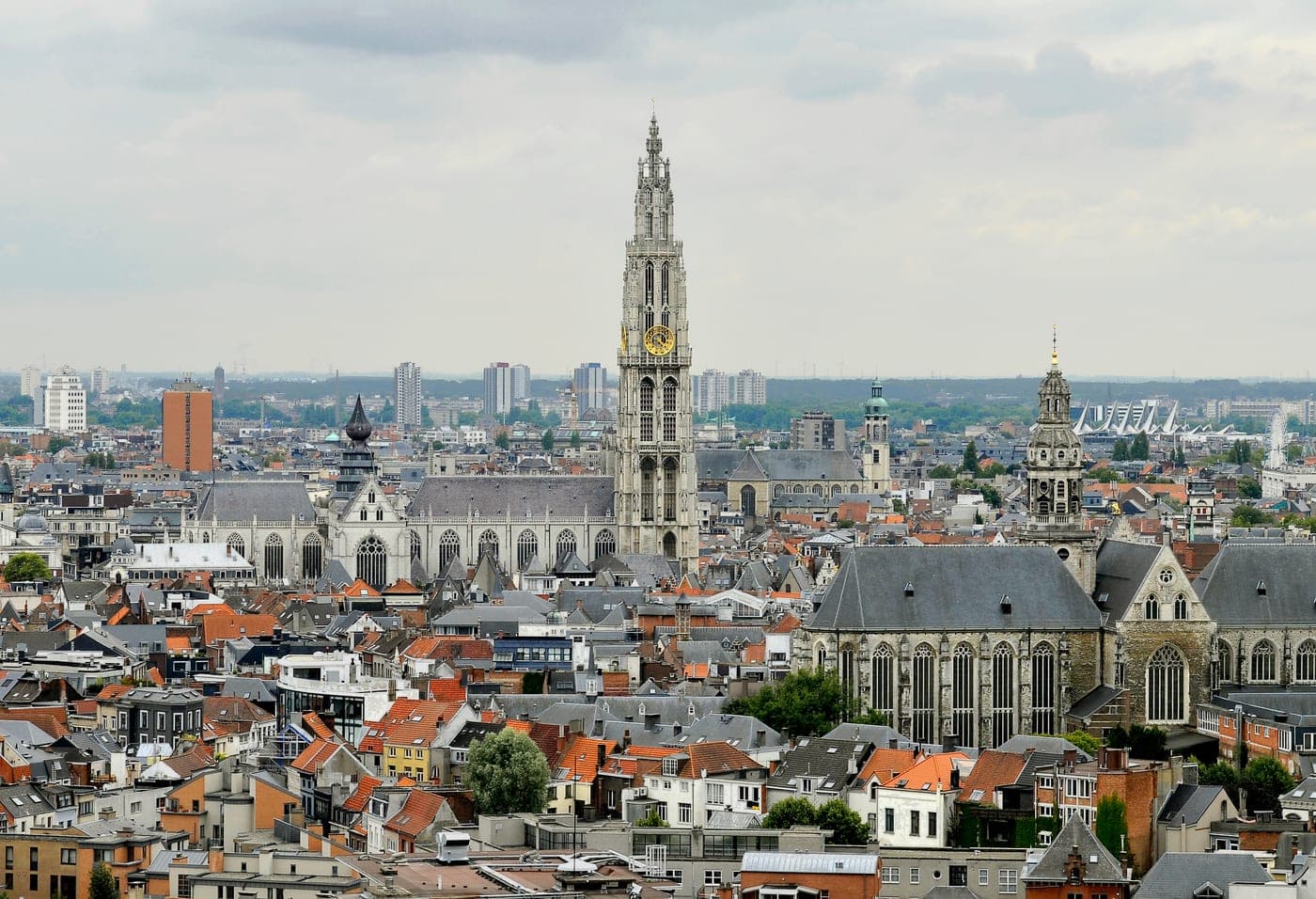
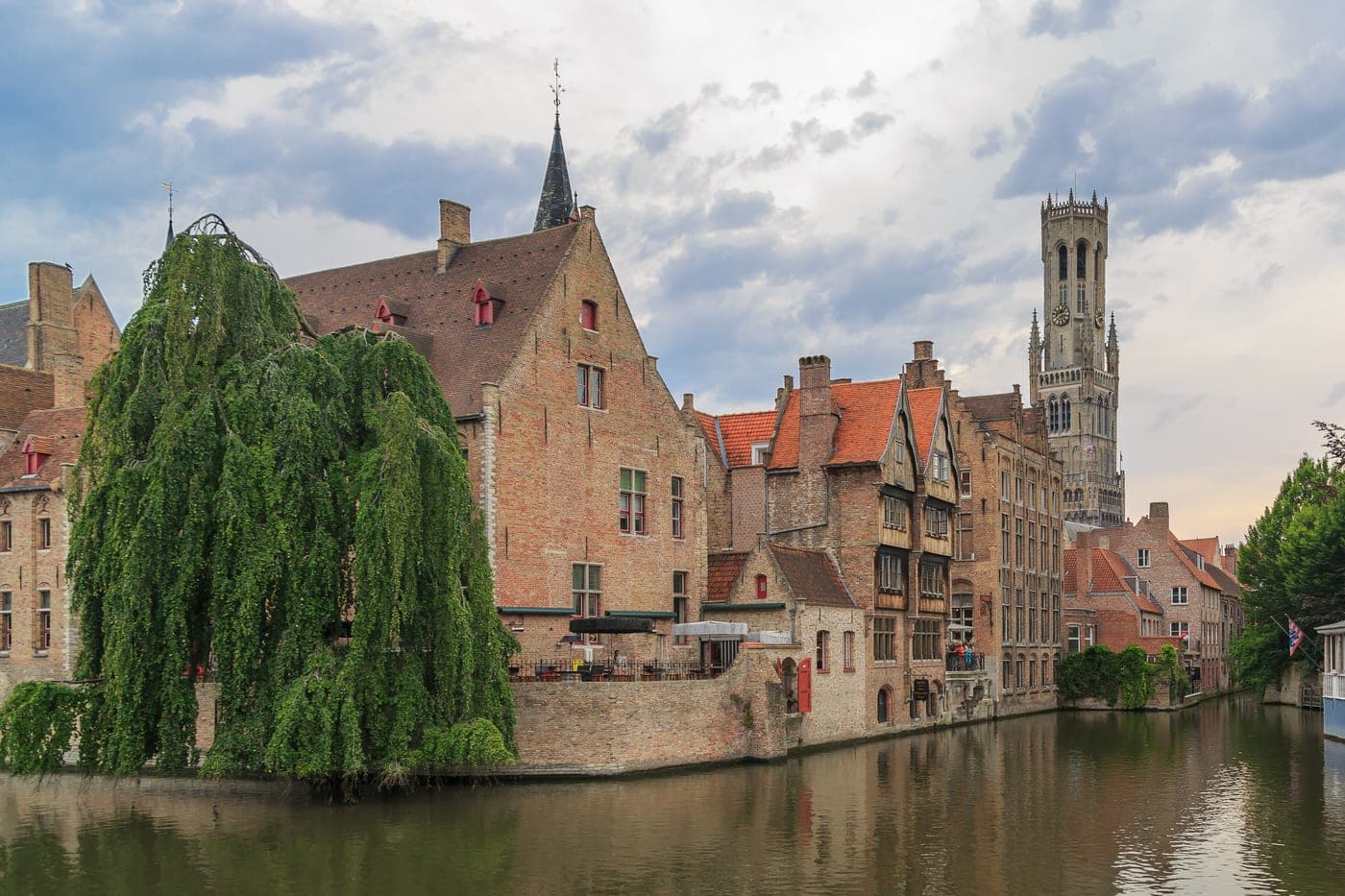
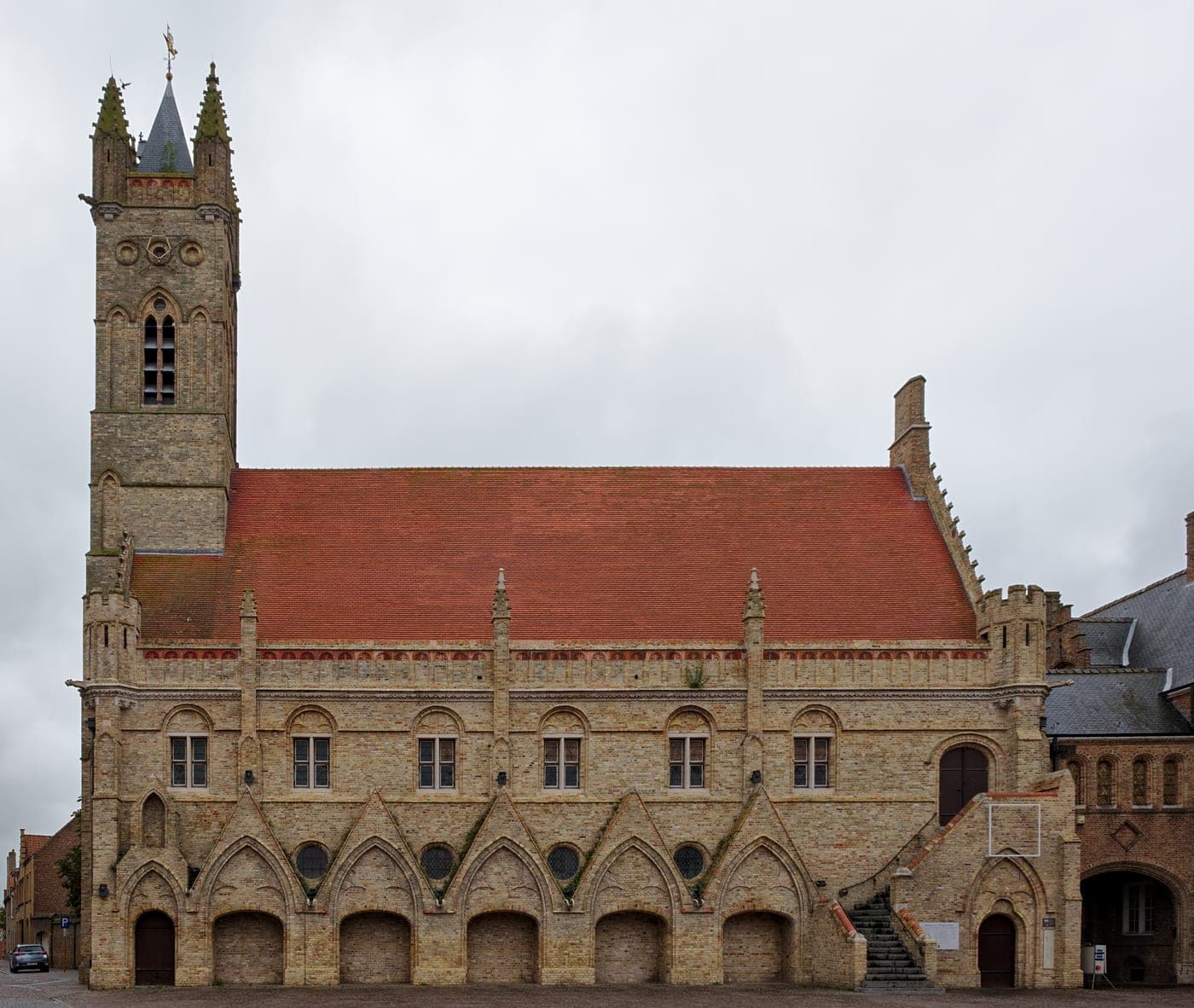
The medieval old towns are the backbone of any Flanders itinerary. Ghent carries the largest and least polished of them, its student population keeping the streets lived-in. Bruges is smaller and more carefully kept, its canal loop and lace-making tradition drawing people who want the postcard version of Flanders done well. Antwerp brings energy to the mix: a working port, a Baroque cathedral, a fashion district, and a diamond trade still run on old trust. Mechelen and Leuven sit close to the bigger cities and carry the same belfry-and-canal character at a quieter volume.
Flemish painting shaped much of what these cities still show today. Ghent's cathedral holds an early masterpiece of Flemish painting, and Antwerp's museums keep strong collections from the city's own Baroque painters. These works were made for the churches and guild halls that still stand on the same streets, which gives them a different weight than seeing them somewhere unconnected to their making.
Beer culture in Flanders runs deep and steady. Trappist monasteries brew to support their communities, following recipes kept inside their own walls for generations, and abbey beers named after those monasteries fill the menus of ordinary town cafés. A brown café in Ghent or Antwerp — dim, wood-panelled, unhurried — is where this culture is actually lived, over a single well-poured glass at a corner table.
Chocolate carries a similar seriousness. Family-run chocolatiers in Bruges, Ghent and Antwerp still hand-dip pralines and temper chocolate by hand, and a short exchange with the person behind the counter often teaches more than any shop sign. A small box eaten the same afternoon suits the tradition better than a large one carried home.
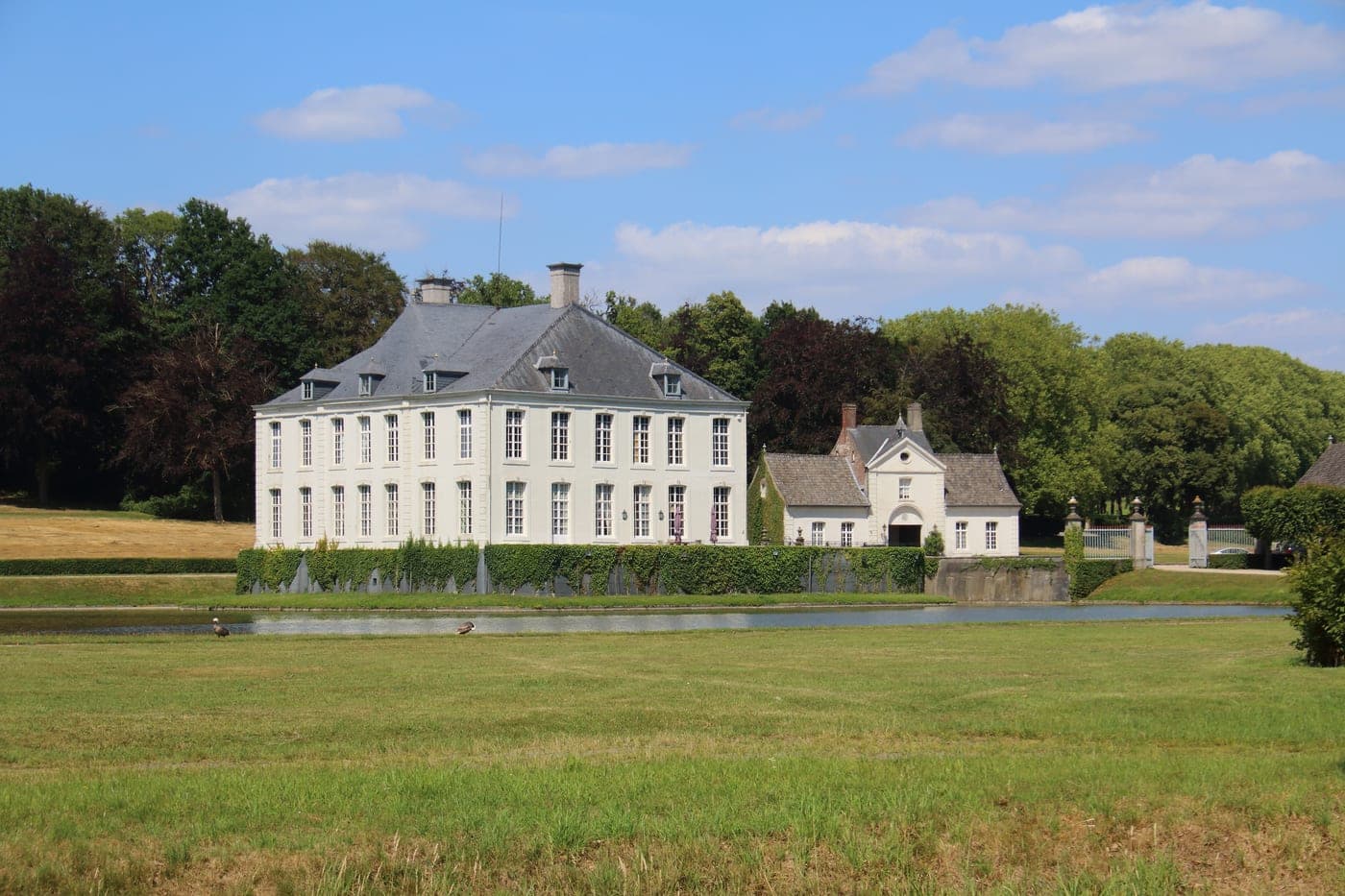
Flanders' countryside opens quickly beyond the larger cities into flat farmland, poplar-lined canals, and villages that rarely appear on an international itinerary. Damme, close to Bruges along a canal path, holds a windmill, a church and a handful of houses, and needs little more than that. Further south and east, the villages around Ypres carry the memory of the First World War: cemeteries, memorials, and the Last Post sounded each evening at the Menin Gate sit alongside the region's more familiar reputation for beer and lace.
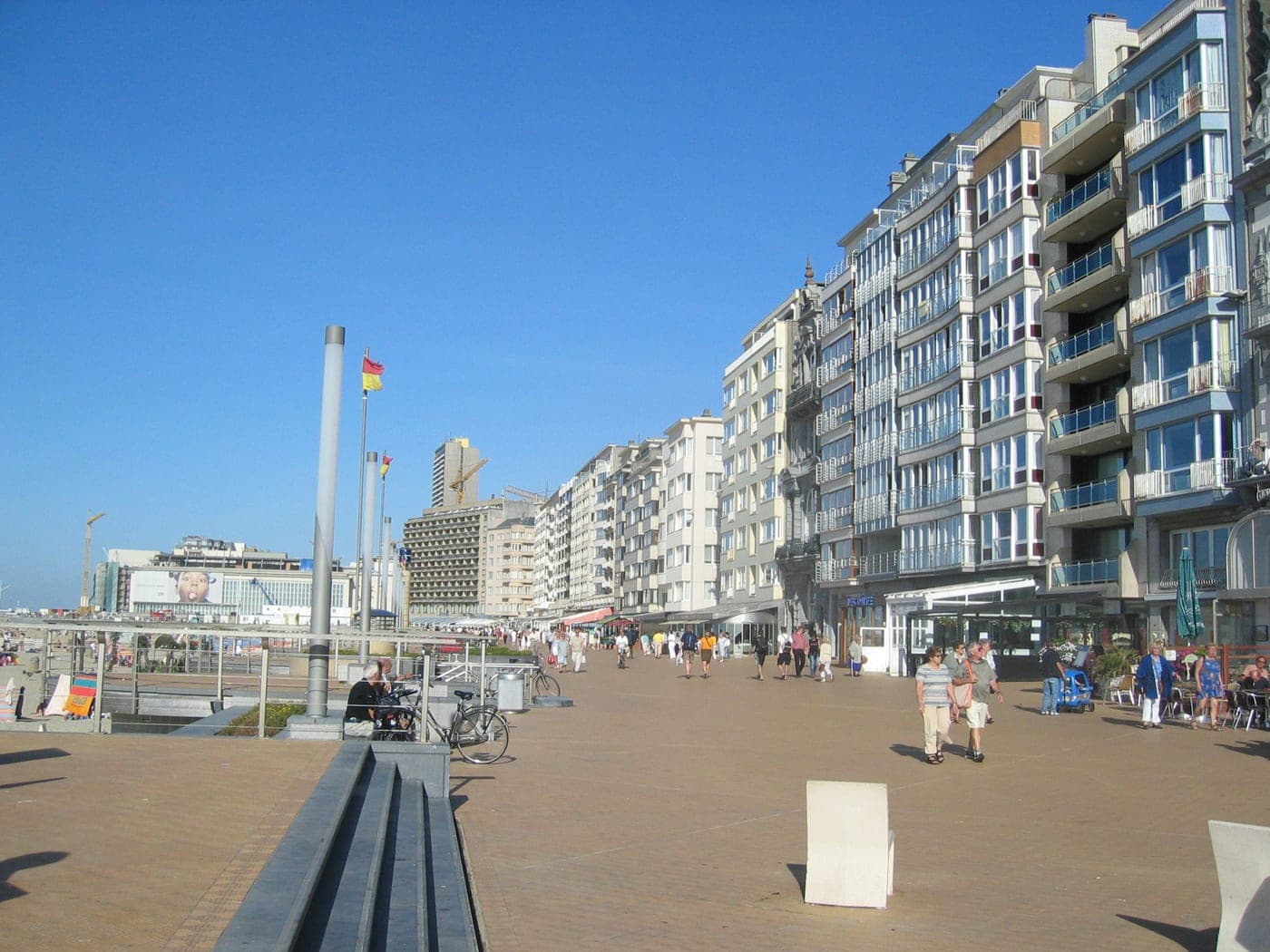
The coast changes the rhythm again. Oostende keeps a working fishing fleet and a long promenade, while smaller resorts such as De Haan hold onto early-twentieth-century villas and quiet dunes once summer ends. The flat sand and open sky offer a clear contrast to the cobbled squares and canal reflections inland.
Traditions stay visible through the year. Processions, guild festivals, and beer events give each town its own calendar, kept by the community rather than staged for visitors.
Slow travel here means choosing depth over distance. The region's small scale makes it tempting to plan a long list of towns, but it holds together better when explored through fewer stops, each one given room to open up: a market square seen at different times of day, a canal walk repeated at dusk, a return visit to the same chocolate shop once the first box runs out. Ghent and Bruges alone hold enough layers — museums, churches, quiet residential streets away from the centre — to fill a visit, and pairing either with a coastal stop or a village like Damme adds contrast without adding rush.
Flanders rewards this kind of attention because so much of its character sits just below the surface: a monastery's own beer recipe, a canal town's working history before tourism arrived, a village whose only claim is a windmill and a church that has stood for generations. Most of it opens up only once the rushing stops.