Boulets à la liégeoise
Large meatballs in a sweet-sour Liège syrup sauce, served with fries
- Local name
- Boulets à la liégeoise
- Served with
- Frites, salad
- Best eaten at
- A Liège brasserie
- Pairs with
- Belgian ale
What it is
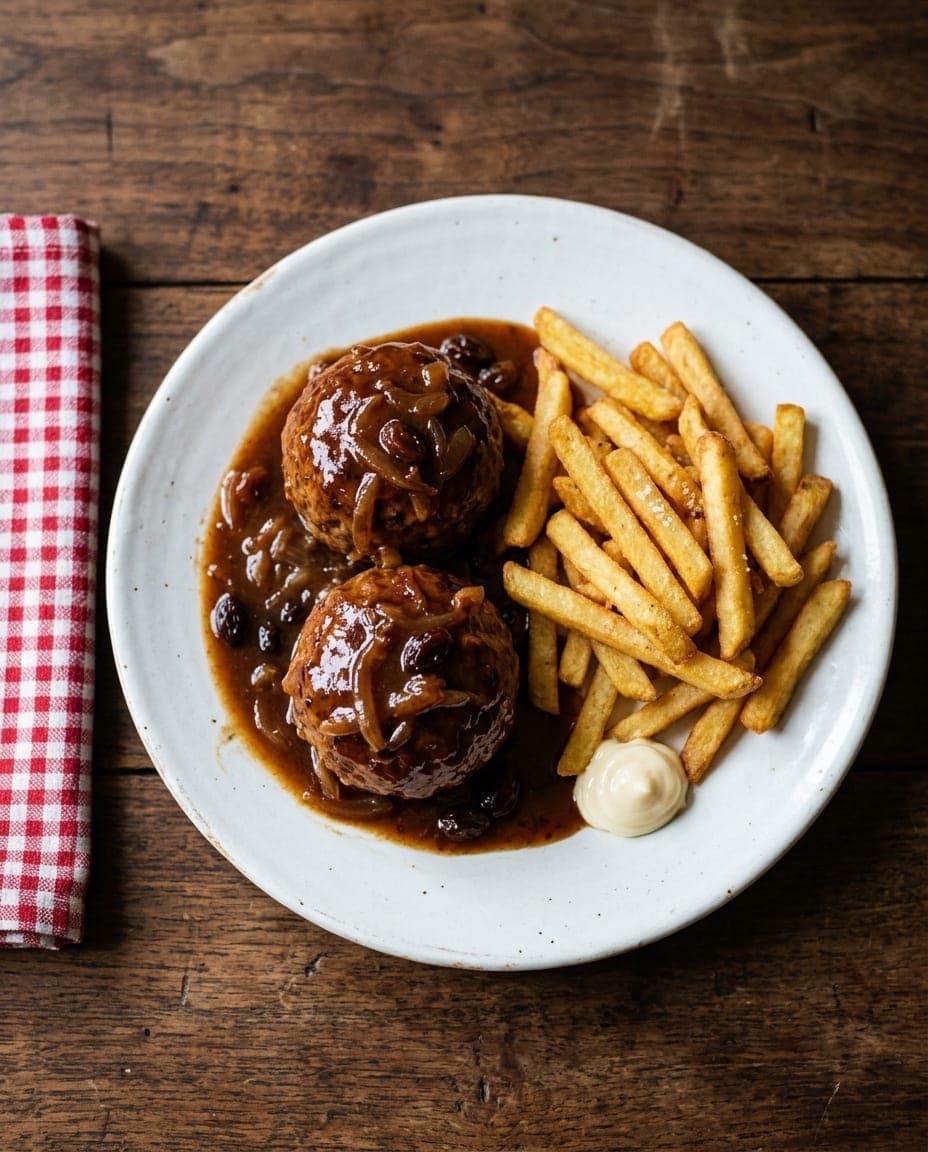
Boulets à la liégeoise are large, hand-rolled meatballs served in a thick, glossy sauce that balances sharp vinegar against the deep sweetness of fruit syrup. The dish is a staple of Liège and the wider Wallonia region, where it appears on the menu of traditional brasseries and cafés rather than as a fine-dining feature. It is a meal of substance, designed to be filling and affordable, often consisting of a single portion large enough to satisfy a hungry traveller after a day of walking the city's steep streets.
The meatballs themselves are substantial, typically made from pork mixed with beef or veal, bound with breadcrumbs or stale bread, onion and egg. They are fried until browned and then simmered in the distinctive sauce until tender. The sauce is the true star of the dish: a dark, viscous liquid where onions have been cooked down to a jammy texture, vinegar provides the necessary acidity, and brown sugar and sirop de Liège supply the body and the sweet note that defines the taste. Small Corinth raisins are usually included in the sauce, adding small bursts of sweetness that contrast with the savoury meat.
The legend of the rabbit sauce
Locally, the dish is also known as boulets sauce lapin, a name whose origin has long been a subject of debate among food historians and locals alike. Despite the translation "rabbit sauce", there is no rabbit in the dish. The explanation most often given in Liège is that the sauce is named not after the animal but after a woman: Madame Lapin, wife of Ernest Lapin, a tax collector in the Liège suburbs around 1900, whose recipe it is said to be. The story is hard to document, but no rival theory is better supported.
Regardless of its etymology, the name boulets sauce lapin persists in Liège menus and is used interchangeably with the standard designation. The confusion has led to countless guesses about missing ingredients, but the recipe has remained consistent: it is always meatballs, never rabbit. This linguistic quirk adds a layer of local character to the dish, marking it as something specific to the region where such playful naming conventions are common.
Where it comes from
The dish is firmly rooted in the history of Liège and the surrounding Wallonian countryside. It emerged as a practical meal for working-class families and labourers, offering a high-calorie source of protein at a low cost. The use of sirop de Liège ties the dish directly to the region's agricultural heritage, where pears and apples have been grown for centuries. The syrup was originally made by boiling down fruit juice until it reached a thick, dark consistency, a process that concentrated the natural sugars and created a preservation method for winter months.
In the late 19th and early 20th centuries, as Liège grew into an industrial hub, the dish is said to have become a standard option in brasseries for workers returning from long shifts. The combination of fried meat and sweet-sour sauce was ideal for fueling the body, and the portion sizes were generous enough to ensure no one left hungry. Today, it remains a symbol of Wallonian hospitality, served in the same type of establishment that has hosted generations of locals: the brasserie.
What goes into it
The ingredients are simple, but their combination creates a complex flavour that is difficult to replicate outside Liège. The meatball mixture relies on beef and pork for richness, with bread acting as a binder to keep the texture soft. Onions are essential, providing both sweetness when caramelised and depth in the final sauce. The defining element is the sirop de Liège, a dark syrup made from apples and pears, often with dates, which gives the dish its characteristic colour and sweet-tart balance.
- Meatballs: Pork blended with beef or veal, often with added bread, onion and egg to create a tender interior.
- Onions: Cooked slowly until soft and caramelised, forming the base of the sauce.
- Vinegar and brown sugar: The vinegar provides the sharp acidity that cuts through the sweetness; a little brown sugar rounds it out.
- Sirop de Liège: A thick, dark fruit syrup made from boiled apples and pears, essential for the dish's signature taste.
- Raisins: Small Corinth raisins, usually added to the sauce for extra sweetness and texture.
The result is a heavy, savoury-sweet stew where the meatballs absorb the flavour of the sauce, becoming tender and rich. It is not a light starter but a main course meant to be shared or eaten with great enthusiasm.
How it is eaten
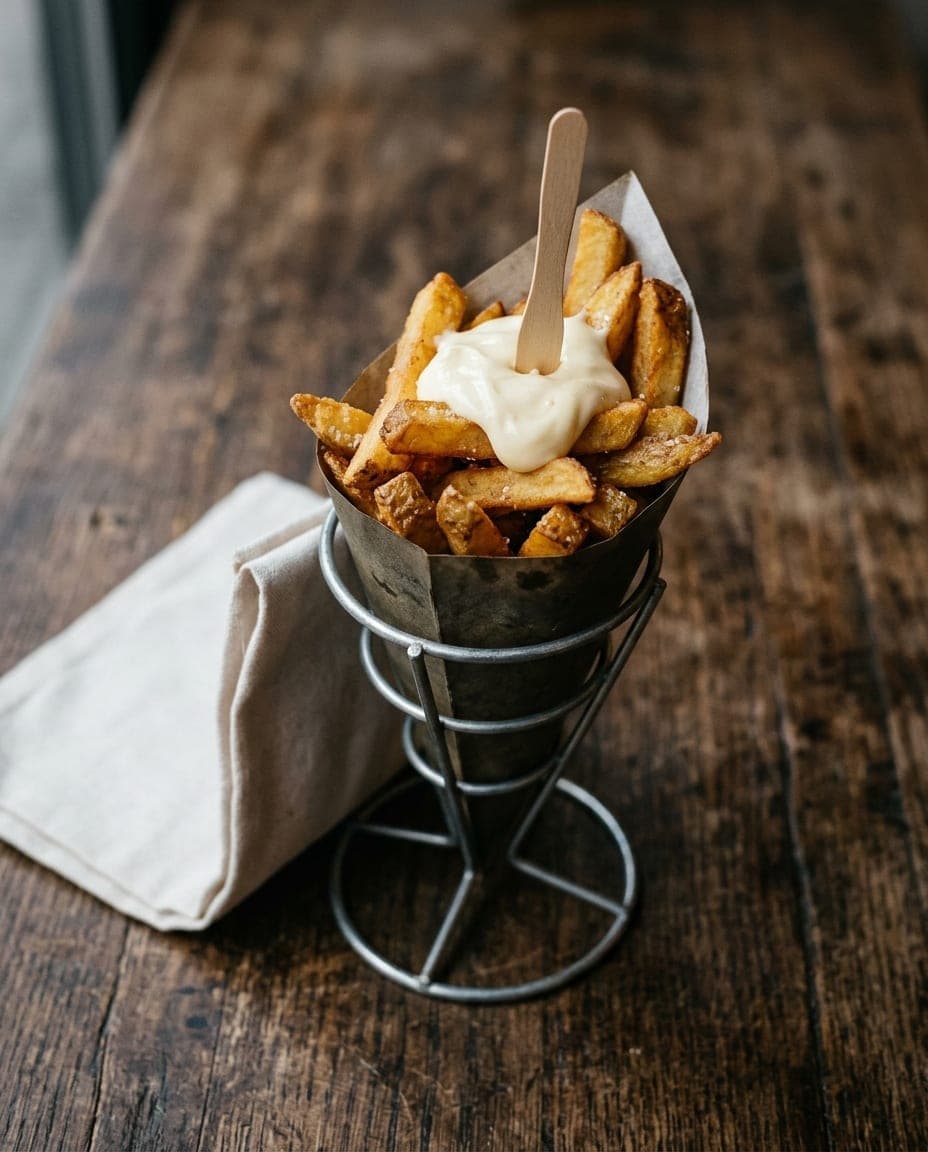
Boulets à la liégeoise are typically served at lunch or dinner in a Liège brasserie, often as part of a set menu that includes sides. The meatballs arrive in a deep plate or bowl, covered generously in the dark sauce. They are almost always accompanied by frites, the thick-cut Belgian fries that are fried twice for a crisp exterior and fluffy interior. A side salad, usually simple with lettuce and a light vinaigrette, is often offered to cut the fat of the dish.
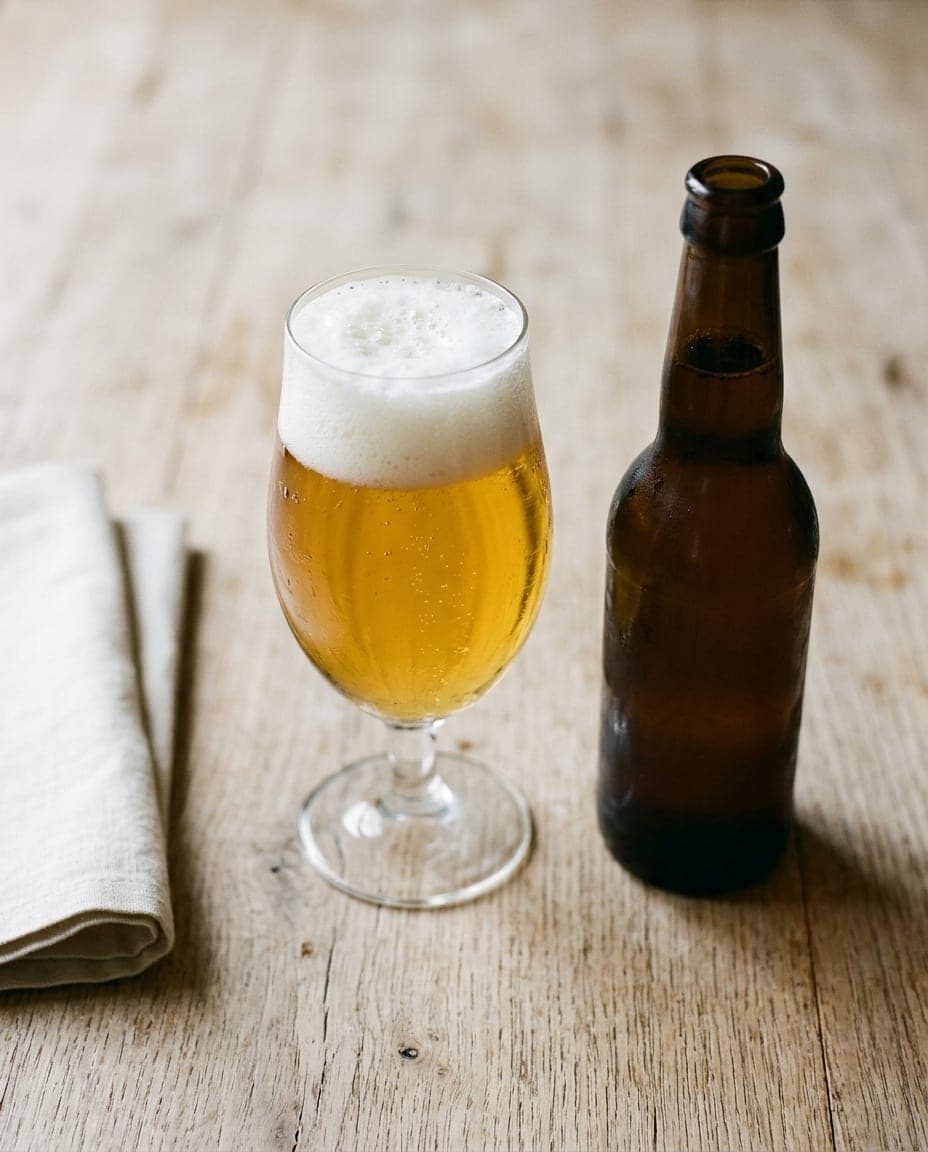
These establishments are unpretentious, with wooden tables and a bustling atmosphere where locals gather for conversation over food. The dish pairs naturally with a Belgian ale, which complements the sweet-sour profile without overpowering it. A cold beer or a glass of local cider can also work well, depending on personal preference.
When eating, one uses a fork to break the meatball in half, allowing the sauce to coat the inside. The fries are dipped into the remaining sauce on the plate, ensuring no flavour is wasted. It is a meal that demands attention and time, best savoured slowly rather than rushed.
Curious facts
- Named after cannonballs. Boulet is French for cannonball, a nod to their size; smaller ones would be boulettes. In Liège they come in pairs.
- No rabbit involved. Despite the alternative name boulets sauce lapin, the dish contains no rabbit; the name is usually traced to a Madame Lapin rather than to the animal.
- A syrup from the orchards. The sirop de Liège is made mainly from apples and pears and is produced today chiefly in the orchard country of the Pays de Herve, giving the dish a taste tied to the local landscape.
- A worker's meal. The dish is remembered as a cheap, filling option for workers in industrial Liège, and it retains that practical spirit today.
- Served with fries. The standard accompaniment is thick-cut Belgian fries, which are often used to soak up the remaining sauce at the bottom of the plate.
Where to try it
The most authentic experience of boulets à la liégeoise can be found in Liège itself, particularly in traditional brasseries that have served locals for decades. Since 1996 a local brotherhood, the Confrérie du Gay Boulet, has given an award to the restaurant whose boulets come closest to the Liège tradition. The dish is best enjoyed as part of a slower meal, perhaps after a walk through the city's historic streets or a visit to the nearby Meuse riverbanks.
Where to try it
1 destination
 Wine Tasting
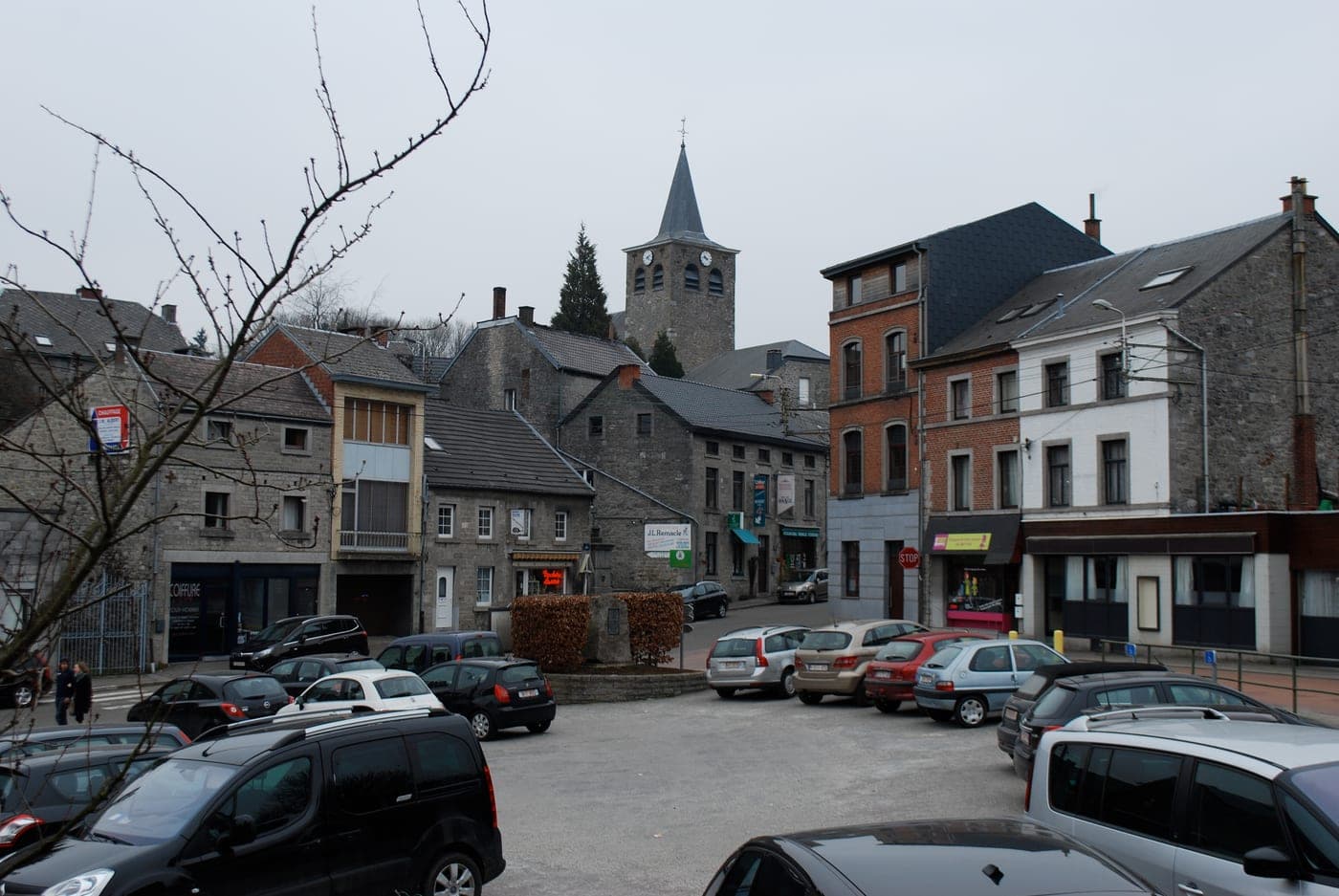
Sprimont
Ardennes village near Liège with limestone quarries and forested hills.
Wine TastingHiking
1 region
 Wine Tasting5 destinations
Wallonia
Wallonia, the French-speaking region of Belgium, is known for its rich history and diverse landscapes. It is the largest region in the country, featuring cities like Liège, Namur, and Charleroi, each with unique cultural offerings. The region is famous for its stunning countryside, dotted with picturesque villages, and the Meuse River, which provides scenic vistas and outdoor activities. Wallonia is also home to several UNESCO World Heritage sites, including the Grand-Hornu industrial complex. The area boasts local specialties like artisan cheeses and Trappist beers. For history enthusiasts, the medieval towns of Durbuy and Bouillon offer a glimpse into the past with their ancient castles and cobblestone streets. Wallonia's hidden gems and natural beauty create a compelling backdrop for a leisurely exploration of Belgian heritage.
Wine TastingHikingLocal Cuisine