Antwerpse handjes
Hand-shaped almond biscuits from Antwerp's 1934 baking competition
- Vegetarian
- Local name
- Antwerpse handjes
- Best eaten at
- Antwerp bakeries and chocolatiers
- Pairs with
- Coffee
What they are
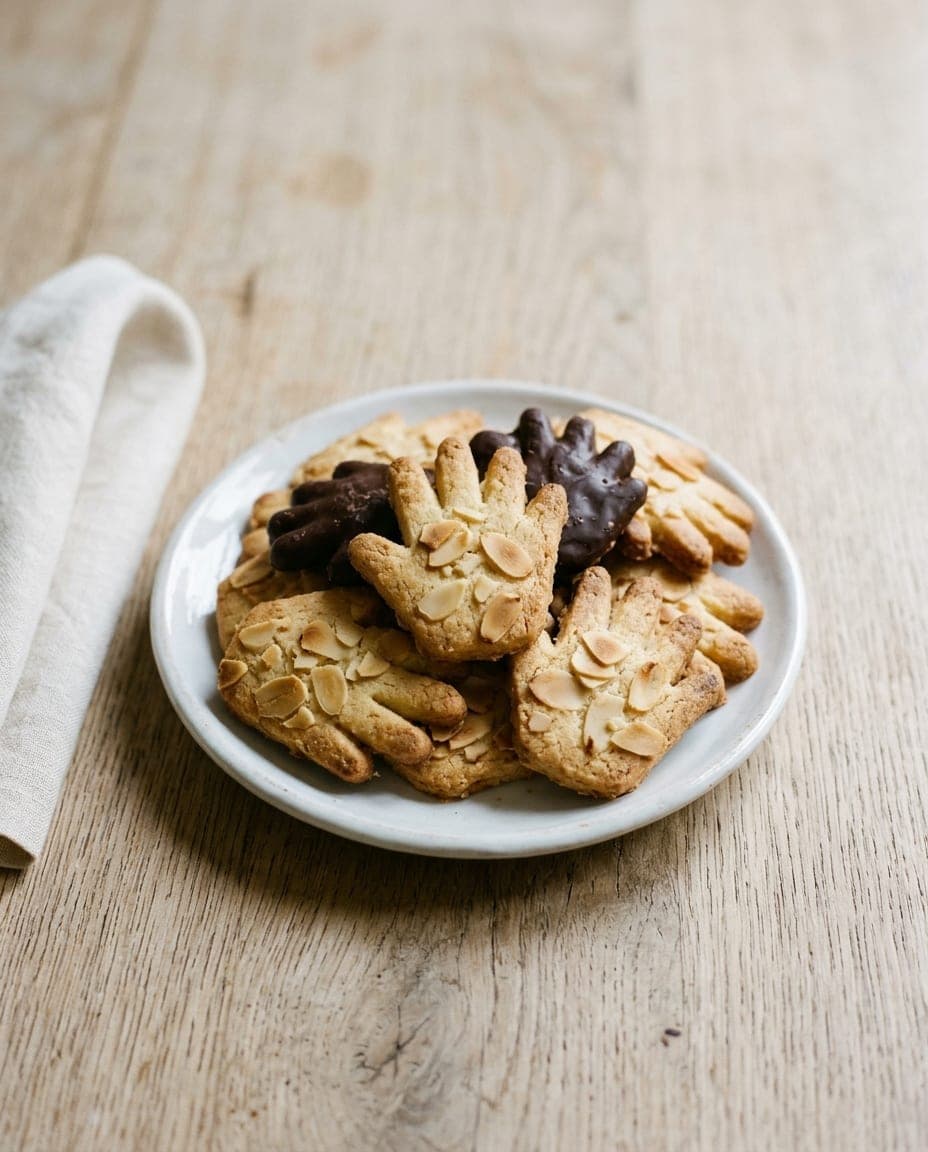
Antwerpse handjes, literally "Antwerp hands", are small, hand-shaped biscuits that serve as a sweet emblem of Belgium's largest port city. They are not a national staple found in every supermarket from Ghent to Brussels, but a regional speciality closely tied to the city of Antwerp and its immediate surroundings in Flanders. The biscuit is crisp and golden, made with butter, sugar, eggs and flour and scattered with flaked almonds.
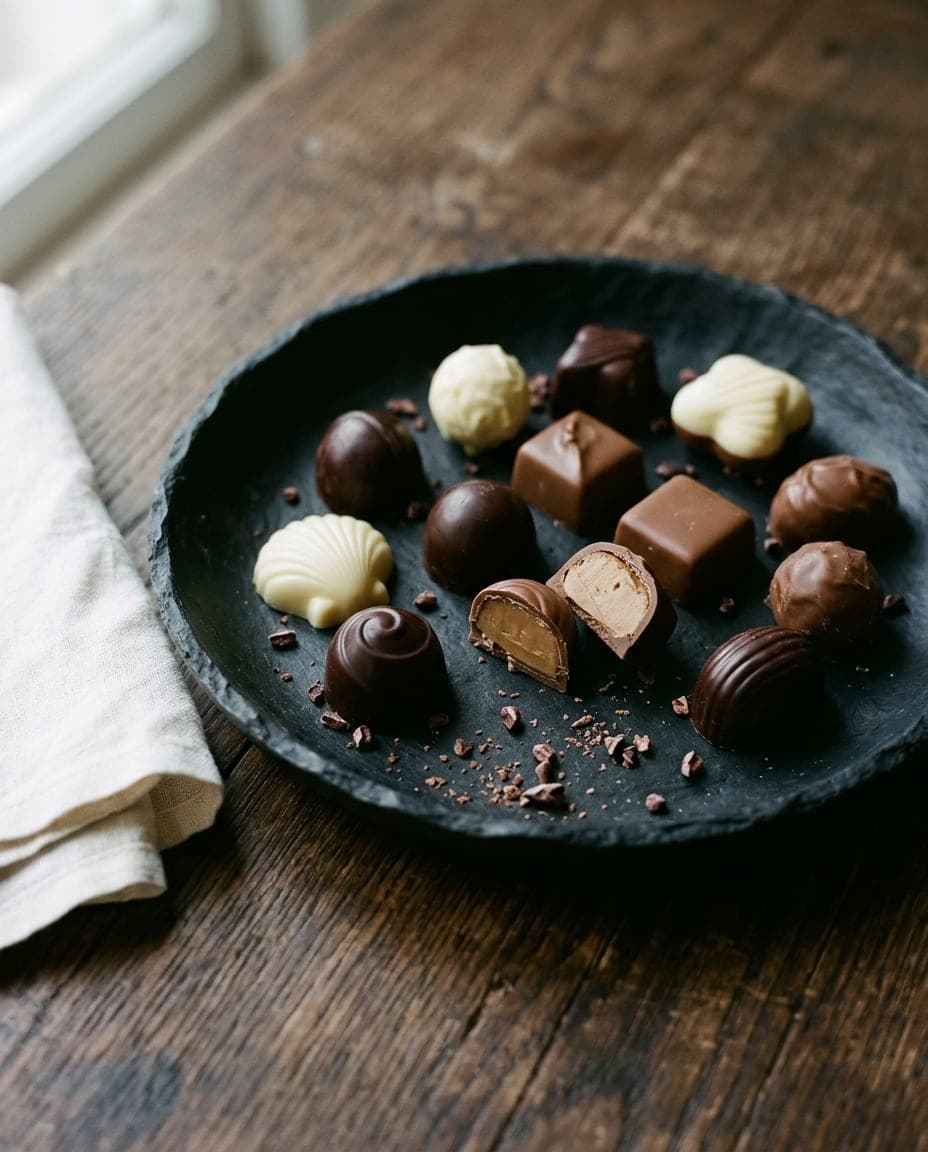
The shape is the defining feature. Each biscuit resembles a small human hand, complete with fingers and a palm. The city's chocolatiers also make hand-shaped chocolates under the same name, some filled with marzipan, praline or the local liqueur Elixir d'Anvers, but this page is about the original buttery biscuit. They are light enough to eat in one or two bites yet substantial enough to satisfy a sweet tooth after a long walk along the Scheldt River.
The legend of the giant's hand
The story behind the shape is as famous as the biscuit itself. According to local tradition, a giant named Druon Antigoon once demanded a toll from every boatman on the river. Those who refused had a hand cut off and thrown into the water.
A Roman soldier called Silvius Brabo arrived, defeated the giant in combat, cut off the giant's own hand and threw it into the Scheldt. The legend claims this act gave the city its name: hand werpen, meaning "to throw the hand". While modern linguists agree that the true origin of the name Antwerpen lies elsewhere, the tale remains a cherished part of the city's identity. It explains why the hand is such a prominent symbol in the local architecture and culture, and why bakers chose it for their signature sweet.
The bakers' competition
The biscuits themselves date from 1934. That year, Antwerp's association of master pastry bakers held a competition to create a new speciality that would celebrate the city. It was won by Jos Hakker, a Jewish pastry chef originally from Amsterdam, with the hand-shaped almond biscuit.
It became a standard item in local bakeries, and the shape, recipe and packaging are protected by the bakers' trade association. The biscuits are often sold in decorative tins or boxes, now classic souvenirs. They are sturdy enough for travel but delicate in texture, requiring careful handling to avoid breaking the fingers.
What goes into them
The recipe is simple by design, relying on good ingredients rather than complex techniques. The dough is a rich butter biscuit dough of flour, butter, sugar and egg, topped with flaked almonds, which give the biscuit its nutty taste and extra crunch.
Once baked until golden, the biscuits need no icing or filling. They are not a chocolate biscuit; the sweetness comes from the butter and sugar.
How they are eaten
Antwerpse handjes are best enjoyed as an afternoon treat. They pair naturally with a hot coffee, which softens the crisp texture slightly. The biscuits are sold in tins or boxes at Antwerp bakeries and chocolatiers, where they are displayed alongside other local specialities like pralines.
Visitors typically buy them by the tin or box to take home as a gift. The hand shape makes them easy to share one at a time, and the size is perfect for a quick break during a city walk. They are not a dessert to be eaten in large quantities but rather a small indulgence that fits into a leisurely pace.
Curious facts
- A local contest origin. The biscuits were created for a 1934 competition held by Antwerp's pastry bakers, rather than evolving from an older folk recipe.
- Not a national dish. While famous in Belgium, they are primarily a product of Antwerp, not found widely elsewhere in the country.
- The name is disputed. The story that the city's name comes from hand werpen is a legend; philologists trace the etymology to other roots, but the tale persists.
- Packaged for travel. They are a classic souvenir, often sold in sturdy tins or boxes so they survive the journey home.
- A symbol of the city. The hand appears in Antwerp's coat of arms and on the Brabo fountain in front of the town hall, as well as on local memorabilia beyond the biscuits.
Where to try them
The city's bakeries remain the heart of the experience, offering the biscuits freshly baked or packed in tins. A visit to the market square or a quiet corner bakery provides the perfect setting to enjoy them with a cup of coffee.
Where to try it
1 destination
 Camper Van Rentals
Antwerp
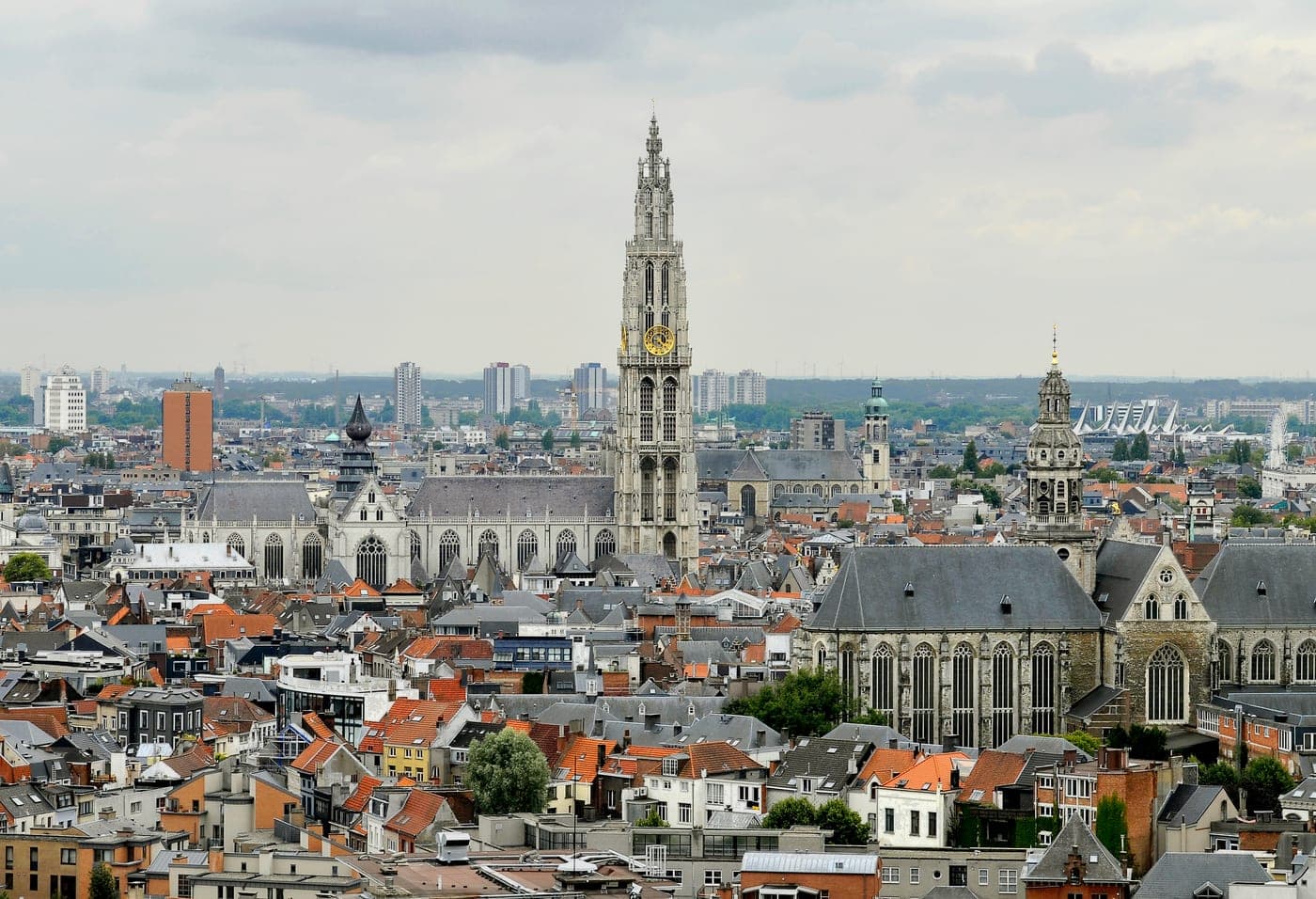
Diamond capital with Rubens heritage, fashion scene, and Scheldt port.
Camper Van Rentals